Are Motorized Scooters Street Legal? Understanding Laws, Requirements & Where You Can Ride
Table of Contents
- Are Motorized Scooters Street Legal? Understanding Laws, Requirements & Where You Can Ride
- What Is a “Motorized Scooter”?
- Are Motorized Scooters Street Legal Where You Live?
- Do I Need a License or a Motorcycle Endorsement?
- Do I Need Registration, a Title, or a VIN?
- Do I Need Insurance to Ride on the Road?
- What Gear and Equipment Make a Scooter Street Legal?
- Where Can I Ride: Roads, Bike Lanes, or Sidewalks?
- How Fast Can I Go: Speed and Power Limits
- What Happens If I Ride Illegally?
- Electric vs Gas: Does the Type Change the Rules?
- How Do Rental E‑Scooters Fit In?
- Safety First: Smart Tips You Can Use Today
- State Snapshots: Quick Notes for Big States
- Parents and Teens: What About Age Limits?
- Buying Guide: How to Choose a Street Legal Scooter
- For Makers and Fleet Buyers: Why Motor Build Quality Matters
- How to Check Your Local Law in 10 Minutes
- What Comes Next: Trends in Scooter Rules
- Data and Trends: What Studies Say
- FAQ
- Summary: Key Points to Remember
- References
You want a clear answer you can trust. I get it. I ride too. The short truth is simple. It depends on your location and your scooter type. This guide shows you what rules matter, why they change by state, and how to ride safe and legal without stress.
I wrote this to help you avoid tickets, keep safe, and enjoy your scooter. You will learn what counts as a motorized scooter, how fast you can go, where you can ride, and what gear you need. You will also see how to check your local DMV or DOT in minutes.
What Is a “Motorized Scooter”?
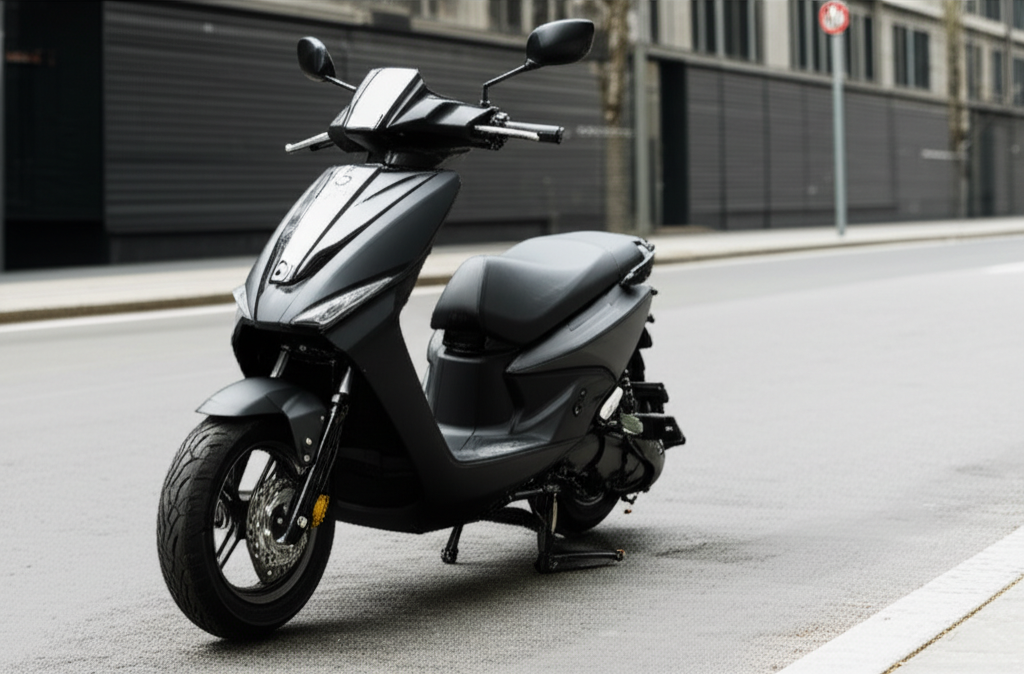
The words get messy. People say scooter, moped, e‑bike, or motorcycle like they are the same. They are not. A motorized scooter is usually a small stand‑up or seated scooter with a motor. It may be an electric scooter or a gas‑powered scooter. Some models look like a kick scooter with a motor. Some look like a Vespa with a seat.
Three things change the legal rules right away:
- Motor size or wattage. Many states look at 750 watts and below. Others look at 50cc for gas scooters.
- Top speed. Some states set a line at 15 to 20 mph. Others use 30 mph or more.
- Design. Stand‑up scooters get different rules than seated scooters. Scooters with pedals can be treated like mopeds or even electric bicycles.
How does this differ from mopeds, e‑bikes, and motorcycles? A moped may have pedals and a small engine. An e‑bike is a bicycle with a motor and comes in Class 1, 2, or 3. A motorcycle is bigger and faster. States use these definitions to set license, registration, and helmet laws.
Problem: You see the same device called three different names.
Agitate: That can cost you. The wrong label can lead to tickets or impound.
Solution: Know your device specs. Know the words your Department of Motor Vehicles (DMV) and Department of Transportation (DOT) use.
Are Motorized Scooters Street Legal Where You Live?
There is no single federal law that says yes or no. State laws and local ordinances set the rules. That means your neighbor state may say yes. Your city may still limit sidewalk riding or parking.
Common ways states treat motorized scooters:
- Like bicycles when power and speed stay low.
- Like mopeds when speed or engine size rises.
- Like motorcycles when top speed climbs higher.
- Outright banned on some roads or sidewalks in rare cases.
I always check both state rules and city rules. A state may let you ride in bike lanes. Your city may bar scooters on certain downtown streets. Read your traffic laws and watch for signs.
Do I Need a License or a Motorcycle Endorsement?
You may ask, “Do you need a license for a motorized scooter?” In many places you do. Often a regular driver’s license is enough. In some states you need a motorcycle endorsement if your scooter can go past a set speed or if the engine size is over a limit like 50cc.
Age rules matter too. States set a minimum age for operation. Some set the age at 14 or 15 for low‑speed scooters. Others require you to be 16 or older. A few cities add their own age rules for shared scooters.
When police stop motorized scooters, they ask for ID. If the law says you need a license, no license means a ticket. It can mean points on license later and even impoundment in some cases.
Do I Need Registration, a Title, or a VIN?
Here is a common question. “Do I need registration or a title?” If your scooter fits the moped or motorcycle class, the answer is often yes. You may need a Vehicle Identification Number (VIN). You may also need to get a title and a plate.
How to register a motorized scooter:
Some small stand‑up electric scooters do not need registration. The law may treat them like bikes if they stay under set limits. That is why motorized scooter definitions DMV pages matter. The labels decide the steps.
Do I Need Insurance to Ride on the Road?
“Do you need insurance for a scooter?” States split on this. If your scooter is classed as a moped or motorcycle, liability insurance is often mandatory. If it is classed like a bicycle, insurance may not be required.
I carry coverage. Even when not required, it helps. A crash can lead to medical bills and claims. Insurance can protect you. It can also help after a theft. Ask your agent about scooter or motorcycle policies in your state.
What Gear and Equipment Make a Scooter Street Legal?
Street use means your scooter needs to be seen and to stop well. Many states require:
- Headlights, taillights, brake lights, and reflectors.
- Braking system on both wheels in some places.
- A horn or bell.
- Mirrors. Some states need one mirror. Others need two.
- Turn signals. Not all states require them on stand‑up scooters.
You also want protective eyewear if your state asks for it. Check your state page for equipment requirements for road use. If you ride at night, lights are not optional. They keep you safe. They also keep you legal.
Where Can I Ride: Roads, Bike Lanes, or Sidewalks?
You can ride on public roads in many places. Follow motorized scooter traffic laws like any driver. Ride with the flow. Stop at red lights. Yield to people in crosswalks. Use your lane right.
What about bike lanes? Many states allow scooters with limits on speed. Watch for local rules that set times or zones. Some cities allow e‑scooters in bike lanes on streets under a set speed like 35 mph.
Sidewalks are tricky. Sidewalk riding laws electric scooter rules often say no. Some cities allow slow sidewalk riding in suburban areas. Dense downtown areas usually ban sidewalk riding. Parks and trails vary. Check parks & trails rules and local ordinances.
How Fast Can I Go: Speed and Power Limits
Speed and power define how your scooter is classed. That sets your rules.
- Some states use a top speed limit like 15 or 20 mph for stand‑up e‑scooters.
- States often set wattage limits like 750 watts for e‑scooters or 50cc for gas scooters.
- When top speed goes over 30 mph, laws may call it a limited use motorcycle or a motorcycle.
Here is the key. The law looks at what your scooter can do, not just what you plan to do. If it can go faster than the limit, the law may bump you into a new class even if you promise to ride slow.
What Happens If I Ride Illegally?
You face fines and penalties if you break the rules. Police can write traffic violations for no helmet, no lights, or sidewalk riding where banned. Bigger cases can mean vehicle impoundment. You may see points on license and higher insurance rates.
The worst harm is a crash. Riding without legal gear hurts your body and your case. If you hit someone, you face liability and claims. That risk rises if you ride a scooter that was not street legal to start with.
Problem: Tickets and injuries cost time and money.
Agitate: One bad day can wreck your budget. It can stick to your record.
Solution: Follow clear steps. Check your class, add required gear, ride where allowed, and keep proof of insurance if needed.
Electric vs Gas: Does the Type Change the Rules?
Yes. Electric scooters and gas‑powered scooters can fall into different legal buckets.
- Electric stand‑up scooters often get rules like e‑bikes.
- Gas kick scooters often get stricter rules because many can go faster.
- Seated scooters that look like a Vespa may get moped or motorcycle rules.
Noise rules show up with gas scooters. Cities set noise regulations motorized scooter in busy areas. Electric scooters run quiet which helps in some cities.
How Do Rental E‑Scooters Fit In?
You have seen Bird and Lime in many cities. E‑scooter rental laws set how they operate. Cities use permits, speed caps, geo‑fencing, and parking rules. Riders must follow the same rules as private owners. Helmets and age limits still apply.
What about Razor style stand‑up scooters with motors? Kids love them. Many cities do not allow them on public roads. They may be fine on private property with an adult nearby.
Safety First: Smart Tips You Can Use Today
I ride. I want you to ride longer and safer.
- Wear a helmet. Many helmet laws exist. I wear one even when not required.
- Check brakes and tires before every ride.
- Use lights day and night.
- Ride defensively. Drivers miss small scooters.
- Stay visible. Wear bright gear.
I also keep my scooter in shape. I perform regular maintenance. I tighten bolts, test the braking system, and check mirrors and turn signals. I keep my bell or horn loud and clear.
State Snapshots: Quick Notes for Big States
Every state writes its own rules. Here are quick notes so you see the range. Then check your state page for full details.
- California (California Vehicle Code). Stand‑up e‑scooters are legal with a max speed of 15 mph in many areas. Helmets can be mandatory for younger riders. No sidewalk riding in many zones.
- New York (New York Vehicle and Traffic Law). E‑scooters are legal with set speed caps. NYC has strict no‑ride zones and parking rules. Gas scooters face tighter rules.
- Florida (Florida Statutes). Many e‑scooters are legal on roads and bike lanes with speed and age limits. Some cities control sidewalks and boardwalks.
- Texas. Cities like Austin allow e‑scooters in bike lanes. Sidewalk rules vary by city. Speed caps often apply.
- Other states to watch: Arizona, Illinois, Washington, Oregon, Massachusetts, Colorado, Pennsylvania, Michigan, Ohio, Georgia, North Carolina, Virginia, Maryland, Indiana, Wisconsin, Minnesota, Missouri, Kansas, Nevada, Utah, Idaho, Montana, Wyoming, North Dakota, South Dakota, Nebraska, Iowa, Arkansas, Louisiana, Mississippi, Alabama, South Carolina, Kentucky, Tennessee, West Virginia, Delaware, Rhode Island, Connecticut, New Hampshire, Vermont, Maine, Alaska, and Hawaii.
To be safe, search “[your state] electric scooter street legal requirements” or “motorized scooter laws by state.” Then confirm on the official DMV page.
Parents and Teens: What About Age Limits?
Many states set the legal age to ride in public. Some allow teens to ride at 14 or 15 on low‑speed scooters. Others require 16 or 18. Helmet laws often target young riders. I always tell parents to start on quiet streets or private property.
Ask yourself, “Can a child ride a motorized scooter on the street?” The law may say no. Even if legal, traffic can be rough. Young riders need protective eyewear, a snug helmet, and a lesson on road rules.
Buying Guide: How to Choose a Street Legal Scooter
You want to ride without fear. Pick a scooter that fits legal rules where you live.
- Check wattage limits or engine size.
- Check top speed and how the seller lists it.
- Confirm lights, reflectors, horn, mirrors, and brakes.
- Look for a VIN if your state needs registration.
- Compare options across stand‑up scooters, seated scooters, and mopeds.
Decide where you will ride. If you plan to use bike lanes, pick a scooter that matches local bike path rules. If you need to climb hills, match motor power to your route. Read the manual. Confirm braking system type and maintenance needs.
Problem: You buy the wrong scooter.
Agitate: Now you face returns, tickets, or both.
Solution: Match your scooter to your state rules and your roads. Ask the seller for the exact specs and class.
For Makers and Fleet Buyers: Why Motor Build Quality Matters
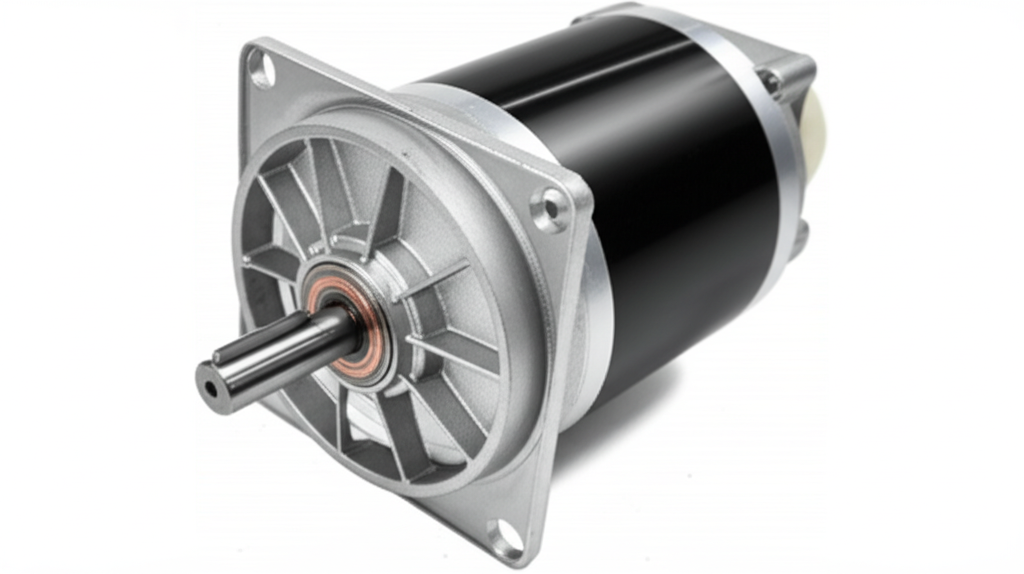
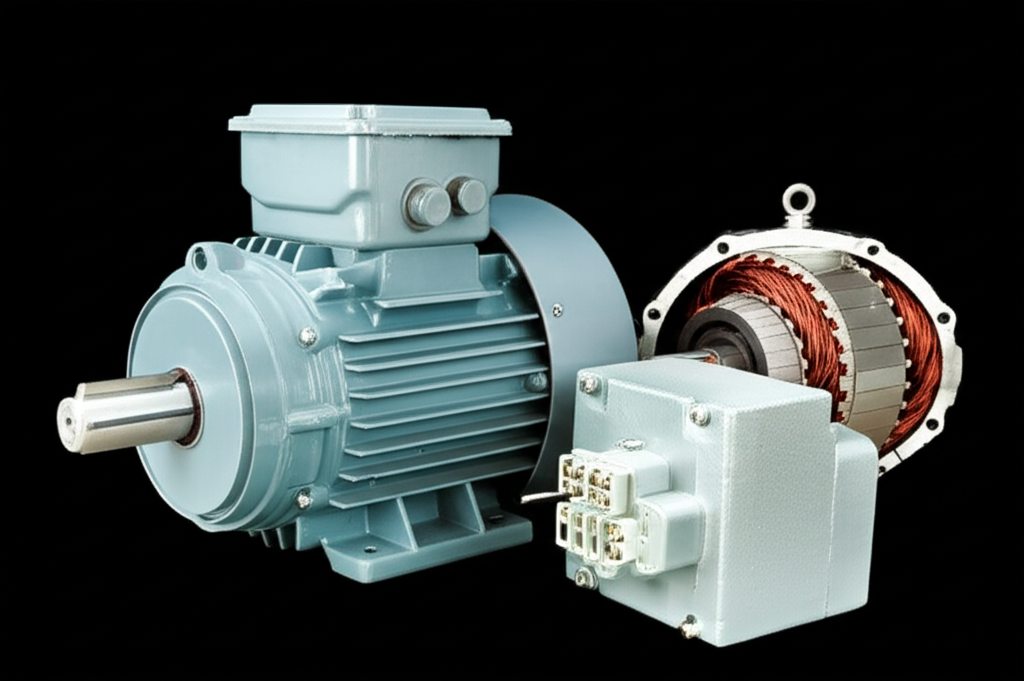
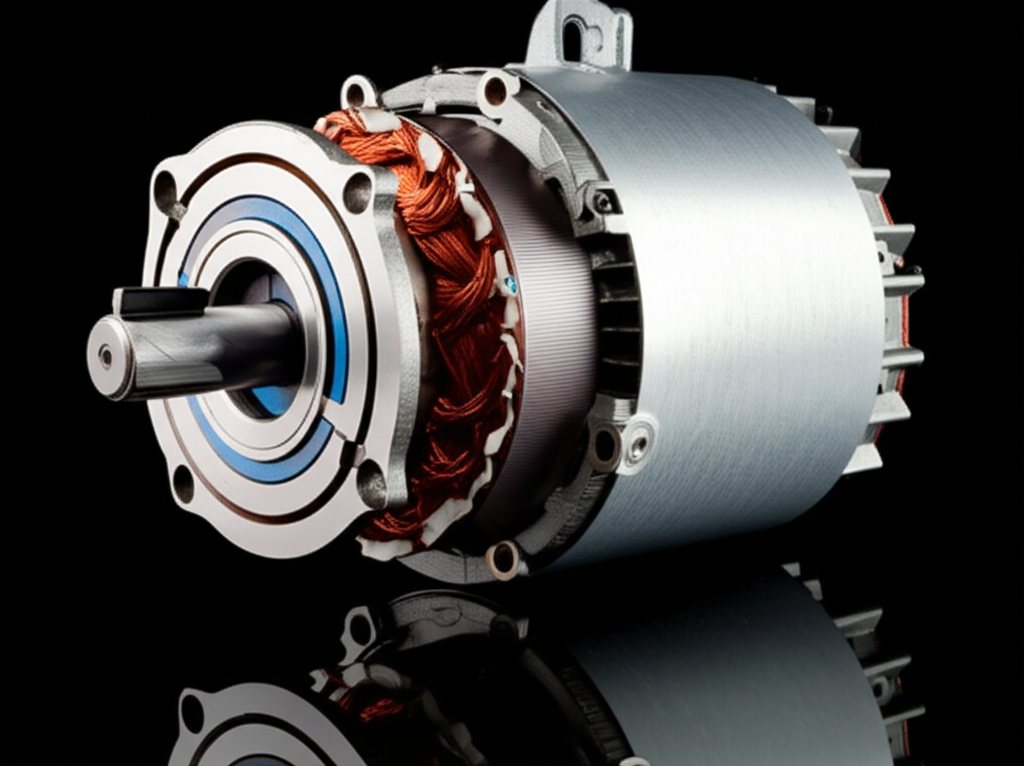
If you build, buy for a fleet, or manage a campus, the heart of your e‑scooter matters. A smooth motor with clean laminations runs cool. It improves range. It also helps your device meet wattage and speed targets that tie to legal classes.
- Learn the basics of how motors work with this refresher on the motor principle.
- Strong stator core lamination can boost efficiency and reduce heat.
- Matching rotor core lamination can cut noise and improve torque control.
- High‑grade electrical steel laminations support stable power and limit losses.
Better cores help you hit legal speed caps with smooth control. They also help with brake regen and light systems. That keeps riders safe and keeps fleets out of trouble with local rules.
How to Check Your Local Law in 10 Minutes
Do this once and save yourself stress.
What Comes Next: Trends in Scooter Rules
Cities and states keep tuning the rules. I see more clear classes and stronger scooter safety laws. Many places set speed caps and add no‑ride zones. I also see more e‑scooter rental laws with parking hubs and fines for bad parking.
I expect more states to use bike lane access for low‑speed scooters with age rules and helmets. I also expect more focus on noise regulations for gas scooters and more tech for turn signals and brake lights on stand‑up models.
Data and Trends: What Studies Say
Here are key data points from public reports and city studies. These show why helmets, speed caps, and training matter.
| Category | Data / Trend | Notes |
|---|---|---|
| Accident & Injury Rates | Over 100,000 emergency room visits per year in the U.S. for scooter injuries | Based on CDC, CPSC, and hospital study ranges in recent years |
| Head Injuries | Head injuries make up about 30–40% of severe cases | Trauma center reports stress helmet use |
| Relative Risk | Higher injury rates per mile than bicycles in some studies | Small wheels and speed play a role |
| Pedestrian Risks | 5–10% of scooter cases involve pedestrians in cities | Often tied to sidewalk riding |
| Helmet Use | Only 4–10% of injured riders wore helmets in shared scooter studies | Low compliance remains a concern |
| Regulatory Impact | Cities with speed caps and no‑sidewalk rules saw 5–10% fewer minor accidents | City planning reports and operator data |
| Adoption | States that require license, registration, and insurance for scooters see lower personal adoption | DMV and registration stats show barriers reduce use |
| Usage Trends | Shared e‑scooter rides number in the millions per year across major cities | NACTO and company reports |
| Ownership | Personal e‑scooter sales rose during the pandemic | Market research shows 20–30% growth |
| Fatalities | About 20–30 fatalities per year nationwide in recent tallies | NHTSA and local law data show risk with larger vehicle crashes |
These trends point to simple steps. Wear a helmet. Follow speed caps. Stay off sidewalks where banned. Keep your scooter road‑ready.
FAQ
- Are gas scooters street legal?
It depends on your state rules. Many gas scooters count as mopeds or motorcycles. You may need a license, registration, and insurance.
- Can you ride a motorized scooter on the road?
Yes in many places. Follow traffic laws and speed caps. Use bike lanes if allowed.
- Do police stop motorized scooters?
Yes. Officers check for helmets, lights, and legal class. Keep your papers ready if your state requires them.
- Can motorized scooters go on bike paths?
Some can. Rules vary by city. Look for signs. Check speed limits and age rules.
- Can I ride on the sidewalk?
Often no in busy areas. Many cities ban sidewalk riding to protect walkers.
- Do you need a license for a motorized scooter?
You may. Low‑speed e‑scooters may be okay without one. Mopeds and faster scooters often need a license or endorsement.
- What happens if I ride an unregistered scooter?
You may face fines, tickets, or impound. The risk rises if your scooter needs a plate and you skipped it.
- What is a “limited use motorcycle”?
It is a class for scooters that go over certain speeds but not full motorcycle speeds. Rules fall between moped and motorcycle in many states.
- Are hoverboards or motorized skateboards street legal?
Most places do not allow them on roads. Some allow them on paths or private property.
Summary: Key Points to Remember
- Laws vary by state and city. Check your DMV and city DOT.
- Speed and power decide your class. That class sets license, registration, and insurance.
- Helmets, lights, mirrors, horns, and brakes help you stay legal.
- Sidewalk riding is often banned. Bike lanes are often okay with speed caps.
- Fines, points, and impound can follow illegal riding.
- Quality motors and parts support safe riding and legal speed control.
- When in doubt, slow down and choose the safer path.
References
- Centers for Disease Control and Prevention (CDC). Scooter and micro‑mobility injury studies.
- U.S. Consumer Product Safety Commission (CPSC). Micro‑mobility incident data.
- National Association of City Transportation Officials (NACTO). Shared micro‑mobility reports.
- National Highway Traffic Safety Administration (NHTSA). Traffic safety facts and summaries.
- New York City Department of Transportation (NYC DOT). E‑scooter pilot rules and updates.
- California Vehicle Code. E‑scooter sections.
- New York Vehicle and Traffic Law. E‑scooter and e‑bike rules.
- Florida Statutes. Micro‑mobility and low‑speed device rules.
Bonus: Popular Types and General Legality at a Glance
Here is a simple guide to help you match scooter types with likely rules. Always confirm locally.
| Scooter Type | Typical Traits | Common Legal Treatment |
|---|---|---|
| Stand‑up electric scooter | 250–750W, 15–20 mph cap | Often treated like bicycles with limits. Bike lanes often OK. Sidewalks often no. |
| Gas kick scooter | Small 2‑stroke engine, higher noise | Often treated as moped or motorcycle. License, registration, insurance likely. |
| Seated e‑scooter (small) | 500–1000W, seat, lights | May be moped class in some states. Check license and plate rules. |
| Seated scooter (Vespa style) | 50cc to 150cc or more | Usually moped or motorcycle. License, registration, insurance required. |
Words You Will See in DMV Rules
To help you scan laws fast, here are common terms used in rules and guides:
- Age requirements
- Helmet laws and safety gear
- Driver’s license and motorcycle endorsement
- Registration, title, VIN
- Insurance (liability)
- Headlights, taillights, brake lights, reflectors, horn, mirrors, turn signals
- Braking system and roadworthiness
- Speed limits, wattage limits, horsepower
- Bike lanes, sidewalks, public roads, private property
- Traffic violations, fines, impoundment, points on license
- Class 1, 2, 3 e‑bikes, limited use motorcycle
- Personal mobility device laws and local ordinances
By learning these words, you will read any scooter law page faster. You will also spot what matters to you.
Problem: You do not want a ticket. You do not want to get hurt.
Agitate: The rules change block by block. That feels confusing.
Solution: Use this guide. Check your class. Add the right gear. Ride where allowed. If you build or buy in bulk, use strong motor cores and clear specs. Keep riders safe. Keep the streets friendly.