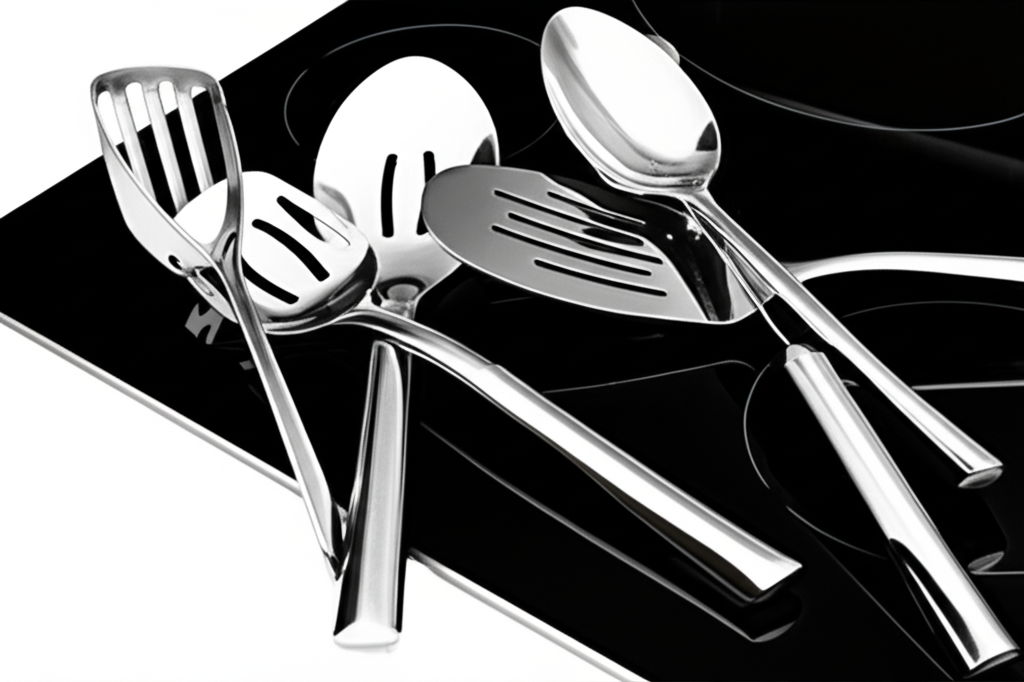
Can You Use Stainless Steel Cookware on an Electric Stove? (The Definitive Guide)
So, you’re standing in your kitchen, looking at your trusty electric stove, and wondering if that gleaming new set of stainless steel cookware is a good match. Or maybe you’re about to invest in some and want to be sure you’re making the right choice. It’s a common question every home cook faces: “Can I use steel utensils on an electric stove?”
Let’s cut right to the chase: Yes, you absolutely can! In fact, high-quality stainless steel cookware is one of the best and most versatile choices for any type of electric stove, from the classic coil burners to modern smooth glass-tops.
However, there’s a small but crucial “but.” The type of stainless steel cookware you use makes all the difference between a frustrating, sticky mess and a flawless cooking experience. This guide will walk you through everything you need to know to get incredible results, avoid common pitfalls, and make your stainless steel pans your new best friends in the kitchen.
What We’ll Cover
- Electric Stoves 101: Understanding how your stove works and what it needs from your cookware.
- Why Stainless Steel Shines (and Its One Big Challenge): The pros and cons of using steel on electric cooktops.
- Fixing Common Cooking Frustrations: How to prevent hot spots, food sticking, and other issues.
- Expert Tips for Perfect Performance: Simple techniques to master cooking with stainless steel.
- Stainless Steel vs. The Competition: A quick comparison with other popular cookware materials.
Understanding Electric Stove Types & Cookware Needs
Before we dive into the pans, let’s talk about the stage they perform on. Electric stoves generally come in two flavors, and knowing which one you have helps you understand why certain cookware features are so important.
A. Electric Coil Stoves
These are the traditional workhorses of the kitchen. You know them: the raised, spiral metal coils that glow red-hot.
- How They Heat: They work through direct heat transfer. The hot coil makes physical contact with the bottom of your pot, transferring its energy directly.
- What They Need: Because the coil is raised, it’s a bit more forgiving of pans that aren’t perfectly flat. However, for the best and most efficient heating, you still want a pan with a substantial, flat bottom that makes maximum contact with the burner. A flimsy, warped pan will wobble and cook unevenly.
B. Smooth-Top (Glass or Ceramic) Electric Cooktops
These sleek, modern surfaces offer a clean look and are easy to wipe down. They have heating elements sitting underneath a sheet of glass-ceramic.
- How They Heat: They use radiant heat. The element heats up, and that heat radiates through the glass to the bottom of your pan.
- What They Need: For this to work effectively, a perfectly flat bottom is non-negotiable. Think about it: any gap between the pan and the glass surface is a gap the heat has to jump. A warped or rounded pan will heat up incredibly slowly and develop severe hot spots, leading to burnt food and wasted energy. A heavy, flat-bottomed stainless steel pan is ideal for these surfaces.
Why Stainless Steel Cookware Excels (and Where It Needs Help) on Electric Stoves
Stainless steel is a favorite of professional chefs and home cooks for a reason. When you understand its properties, you can really make it sing on your electric range.
A. The Advantages of Stainless Steel
- Built Like a Tank (Durability): Stainless steel is tough. It resists scratches, dents, and corrosion, meaning a good set can literally last a lifetime. It won’t chip or peel like some non-stick coatings.
- Non-Reactive & Food Safe: It doesn’t react with acidic ingredients like tomatoes, vinegar, or citrus. This means your food’s flavor stays pure and you don’t have to worry about metallic tastes leaching into your sauces.
- Easy to Clean & Maintain: While it has a reputation for being “sticky” (more on that later), stainless steel is generally a breeze to clean. Most of it is dishwasher safe, and stubborn bits can be scrubbed away without fear of damaging the surface.
- High-Heat Hero: Want a perfect, crusty sear on a steak? Stainless steel can handle the high temperatures needed for searing in a way that many non-stick pans can’t, giving you that beautiful Maillard reaction.
B. The Heat Conduction Challenge (and the Brilliant Solution)
Here’s the one catch with stainless steel: on its own, it’s actually a pretty poor conductor of heat.
Imagine heat trying to travel through a single-layer, thin steel pan. It’s like traffic trying to get through a city on small, congested side streets. The heat gets bottlenecked, creating intense hot spots directly over the electric element while the edges of the pan stay cooler. This is why cheap, flimsy stainless steel pans are a nightmare to cook with—they scorch food in the center and leave it raw on the sides.
So, how do we fix this? Cladding.
This is the secret weapon of all great stainless steel cookware. “Clad” or “multi-ply” means the pan is constructed like a sandwich. A core of a highly conductive metal, usually aluminum or copper, is bonded between layers of durable stainless steel.
- The Conductive Core: Aluminum and copper are like superhighways for heat. They grab the energy from the electric burner and spread it incredibly quickly and evenly across the entire base of the pan and even up the sides. This completely eliminates those nasty hot spots. It’s a bit like how a high-performance motor needs expertly designed motor core laminations to efficiently direct magnetic fields; your pan needs a conductive core to efficiently direct heat.
- The Stainless Steel Exterior: The steel provides the durable, safe, and easy-to-clean cooking surface.
This combination gives you the best of both worlds: the superior heat distribution of aluminum or copper with the durability and non-reactivity of stainless steel. When shopping, look for terms like “tri-ply,” “5-ply,” or “fully clad.” This is the single most important factor for good performance on an electric stove.
Common Issues & How to Fix Them
If you’ve had a bad experience with stainless steel, it likely came down to one of these common (and completely fixable) issues.
A. Hot Spots & Uneven Cooking
- Cause: This almost always points to using thin, single-ply stainless steel cookware that lacks a conductive aluminum or copper core.
- Solution: The best fix is prevention. Invest in quality, heavy-bottomed, clad cookware. If you’re stuck with a thinner pan, the key is to preheat it slowly over low-to-medium heat to give the pan time to heat as evenly as possible before you add your food.
B. Food Sticking & Scorching
This is the number one complaint, but it’s usually not the pan’s fault! Sticking is a sign of improper temperature control.
- Cause: Putting food in a pan that is either too cold or screaming hot. Insufficient oil or fat is another culprit.
- Solution: Master the Preheat. Here’s the pro technique, sometimes called the “mercury ball” or “water drop” test:
C. Warping
- Cause: Drastic temperature shock is the enemy of any metal pan. The most common cause is taking a piping hot pan off the stove and immediately plunging it into cold water. The metal contracts unevenly, causing it to warp.
- Solution: This is an easy one: patience. Always let your stainless steel cookware cool down for at least 5-10 minutes on the stove (with the burner off) before washing.
D. Discoloration (Blue or Rainbow Stains)
- Cause: Ever notice a rainbow-like sheen on your pan after cooking? This is called “heat tint” and it’s simply a harmless oxidation layer that forms when the pan gets overheated. It doesn’t affect performance at all. Mineral deposits from your water can also cause chalky white spots.
- Solution: For simple heat tint or water spots, a splash of white vinegar or lemon juice while the pan is warm will often remove it. For tougher stains or burnt-on food, a specialty cleanser like Bar Keepers Friend is your miracle worker. A little paste and a gentle scrub will have your pan looking brand new.
E. Scratching Glass-Top Surfaces
- Cause: The stainless steel itself is softer than the ceramic glass, so it won’t scratch it. The danger comes from two things: a rough, poorly finished pan bottom, or dragging a heavy pot across the surface, trapping a grain of salt or sugar underneath which then acts like sandpaper.
- Solution: When buying cookware for a smooth top, run your hand across the bottom. It should feel perfectly smooth. And always get in the habit of lifting, not sliding. Lift your pots to move them, even if it’s just an inch. The precise construction of an electric stove component, much like a bldc stator core, is designed for specific interactions, and dragging cookware disrupts that.
Expert Tips for Optimal Cooking on Electric Stoves
Follow these simple rules, and you’ll get fantastic results every time.
How Does Stainless Steel Compare to Other Cookware?
It’s helpful to know where stainless steel fits in the broader world of cookware materials, especially for use on an electric cooktop.
- vs. Cast Iron: Cast iron boasts incredible heat retention, making it a champion for searing. However, it’s very heavy, requires seasoning to remain non-stick, and can rust if not cared for properly. Its rough bottom can also be a risk on glass-tops if you’re not careful. The interconnectedness of a good cooking system is key; just as a motor relies on both a stator and rotor working in harmony, your kitchen benefits from having different tools for different jobs.
- vs. Aluminum: Anodized aluminum is an excellent heat conductor and is relatively lightweight. Its main drawback is that it can react with acidic foods, and its surface is softer and more prone to scratching than stainless steel.
- vs. Copper: Copper is the king of heat conductivity, offering near-instantaneous temperature control. However, it is extremely expensive, dents easily, requires regular polishing, and is almost always lined with another metal (like tin or steel) because it reacts with food.
- vs. Non-Stick: Non-stick pans are great for delicate foods like eggs and pancakes. Their biggest downside is durability. The coatings inevitably scratch and wear out over time and cannot be used with high heat, which limits their versatility for things like searing.
Conclusion: A Reliable Partner for Your Electric Stove
So, can you use stainless steel on an electric stove? Not only can you, but you absolutely should.
It’s a partnership that brings out the best in both your appliance and your ingredients. By choosing high-quality, clad stainless steel, you equip yourself with a durable, safe, and incredibly high-performing tool. It’s the cookware that will see you through decades of weeknight dinners and celebratory feasts.
Remember the keys to success: invest in clad construction, master the art of preheating, and always let your pans cool before washing. Once you get the hang of it, you’ll unlock a level of control and versatility in your cooking that will make you wonder how you ever managed without it. Happy cooking