
Do Electric Guitars Use Steel Strings? The Definitive Guide to Materials, Tone, and Performance
When I first picked up an electric guitar, I had a million questions. One of the most basic, yet most important, was about the strings themselves. They felt different from my friend’s acoustic guitar, and nothing like the nylon strings on my cousin’s classical. I remember wondering, “Do electric guitars have steel strings, or is it something else entirely?”
It’s a great question, and the answer is the key to understanding how an electric guitar makes its sound. I’ve spent years experimenting with different strings, and I’m here to share everything I’ve learned.
Table of Contents
- Introduction: The Short Answer and What It Really Means
- The Core Truth: Electric Guitar Strings are Primarily Steel-Based
- Beyond “Steel”: Understanding Electric Guitar String Materials
- Nickel-Plated Steel (The Go-To Standard)
- Pure Nickel Strings (The Vintage Vibe)
- Stainless Steel Strings (The Bright and Aggressive Choice)
- Other Specialized Materials (Cobalt, Titanium, etc.)
- Why Steel (and its Alloys) for Electric Guitars? The Magnetic Imperative
- The Magic of Magnetic Pickups
- How String Material Impacts Your Signal
- Electric vs. Acoustic Strings: A Tale of Two Tones
- What Acoustic Strings are Made Of (and Why It Matters)
- Can You Mix and Match? (A Bad Idea, I Learned)
- The Role of String Gauge and Winding in Your Sound
- String Gauge: More Than Just a Number
- Winding Types: The Feel and The Fret Noise
- How I Choose the Right Electric Guitar Strings
- Common Misconceptions & FAQs I Hear All the Time
- Conclusion: The Steel Heart of Your Electric Guitar’s Sound
Introduction: The Short Answer and What It Really Means
So, let’s get right to it. Yes, electric guitars absolutely use steel strings. But that’s just the tip of the iceberg.
The simple “yes” doesn’t tell the whole story. The reason they must be steel-based is the secret sauce of the electric guitar: the magnetic pickups. Without a steel string vibrating over them, those pickups would just sit there in silence.
In this guide, I’ll walk you through everything you need to know. We’ll cover the different types of materials wrapped around that steel core, how they affect your tone, and why you can’t just slap a set of acoustic strings on your electric guitar (trust me, I’ve seen people try!).
The Core Truth: Electric Guitar Strings are Primarily Steel-Based
Every standard electric guitar string has a core made of high-carbon steel. Think of this as the string’s backbone. For the plain, unwound strings (usually your high E, B, and sometimes G), that’s all there is—just a solid piece of steel wire.
For the thicker, wound strings (your low E, A, and D), this steel core is wrapped with another metal wire. This wrap wire is where things get interesting because its material dramatically changes the guitar’s sound and feel. The key thing to remember is that both the core and the wrap wire need to be “ferrous,” which is just a fancy word for containing iron. Why? Because iron is magnetic, and that’s the only way your pickups can “hear” the strings.
Beyond “Steel”: Understanding Electric Guitar String Materials
When someone talks about what their electric guitar strings are “made of,” they’re usually talking about the wrap wire on the thicker strings. That steel core is almost always the same, but the outer layer is what gives a set of strings its unique personality. In my years of playing, I’ve found that finding the right material is just as important as choosing the right guitar or amp.
Nickel-Plated Steel (The Go-To Standard)
This is the bread and butter of the electric guitar world. I’d estimate that 70-80% of all electric guitar strings sold are nickel-plated steel. They come standard on most new guitars for a good reason: they are incredibly versatile.
- What they are: A steel core wrapped with a steel wire that’s been plated with a thin layer of nickel.
- How they sound: They hit the sweet spot. You get the brightness and attack from the steel but with a bit of warmth and smoothness from the nickel plating. It’s a balanced tone that works for rock, pop, blues, country—you name it.
- Why I use them: They’re reliable and affordable, and they give a consistent, familiar tone. When I’m playing in a cover band and need to switch between different styles, a good set of nickel-plated steel strings never lets me down.
Pure Nickel Strings (The Vintage Vibe)
If you’re chasing that warm, classic sound from the ’50s and ’60s, pure nickel strings are your ticket. Before nickel-plated steel became the standard, this was the go-to material.
- What they are: A steel core wrapped with a wire made of nearly pure nickel.
- How they sound: Much warmer and mellower than their nickel-plated cousins. They have less high-end bite and a smoother, rounder tone. Think classic blues, jazz, and early rock and roll.
- Why I use them: When I’m playing my semi-hollow body guitar and want a really smooth, articulate blues tone, I always string it up with pure nickel. They have a softer feel under the fingers and produce a beautiful, rich sound that’s less aggressive.
Stainless Steel Strings (The Bright and Aggressive Choice)
On the other end of the spectrum, you have stainless steel. These strings are for players who want to cut through the mix with a sharp, crisp attack.
- What they are: A steel core wrapped with a stainless steel wire.
- How they sound: Very bright, clear, and articulate. They have a “zingy” quality and a lot of sustain. They’re also highly resistant to rust and corrosion, so they last a long time.
- Why I use them: I put stainless steel strings on my guitar that I use for metal and hard rock. Their brightness helps define every note, even with high-gain distortion. A word of caution: they can be a bit tougher on your frets over time compared to nickel, and some people find their texture a bit rough.
Other Specialized Materials (Cobalt, Titanium, etc.)
Innovation never stops, and string manufacturers are always experimenting. You’ll find strings made with alloys like cobalt, which brands claim offer a wider dynamic range and a stronger magnetic response. There are also titanium strings known for their extreme durability. These are often more expensive and cater to specific needs, but they’re worth trying if you’re looking for something different.
Why Steel (and its Alloys) for Electric Guitars? The Magnetic Imperative
This is the most crucial part of the whole puzzle. An acoustic guitar makes sound by vibrating its wooden top. An electric guitar makes sound using magnets and wire. It’s a completely different principle.
The Magic of Magnetic Pickups
Underneath your guitar strings, you’ll see pickups—those little bars with metal dots in them. Each pickup contains one or more magnets wrapped in thousands of turns of super-thin copper wire. This creates a small, stable magnetic field.
When you pluck a steel string, you cause it to vibrate back and forth through this magnetic field. This disturbance creates a tiny electrical current in the copper wire coil. The amplifier then takes this tiny signal and makes it loud enough for us to hear. It’s a fascinating process that relies on a fundamental motor principle where motion within a magnetic field induces a current.
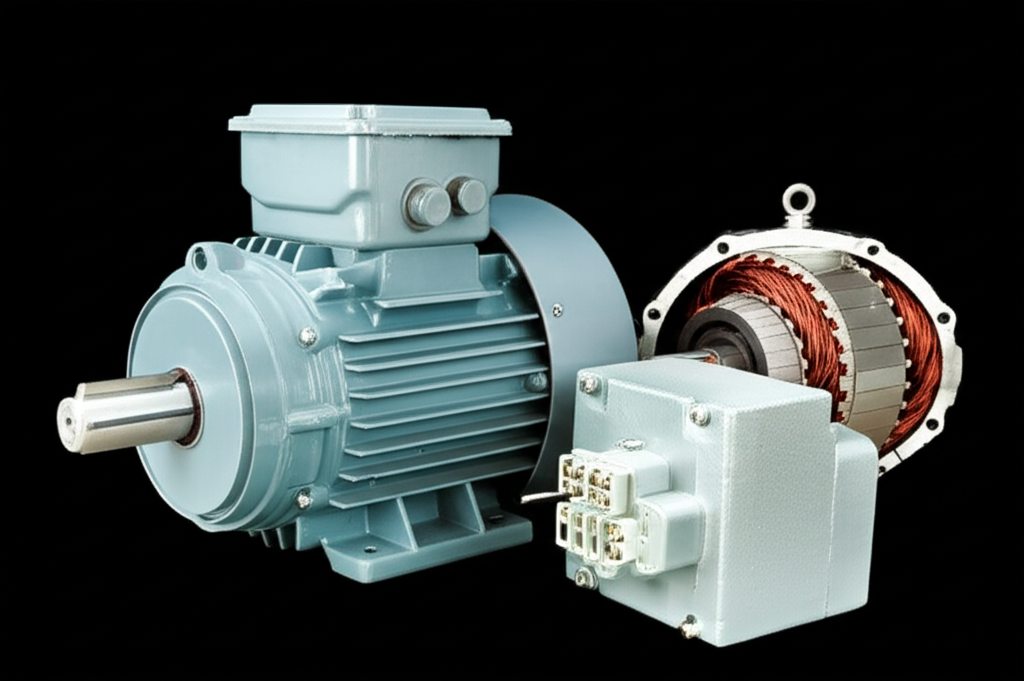
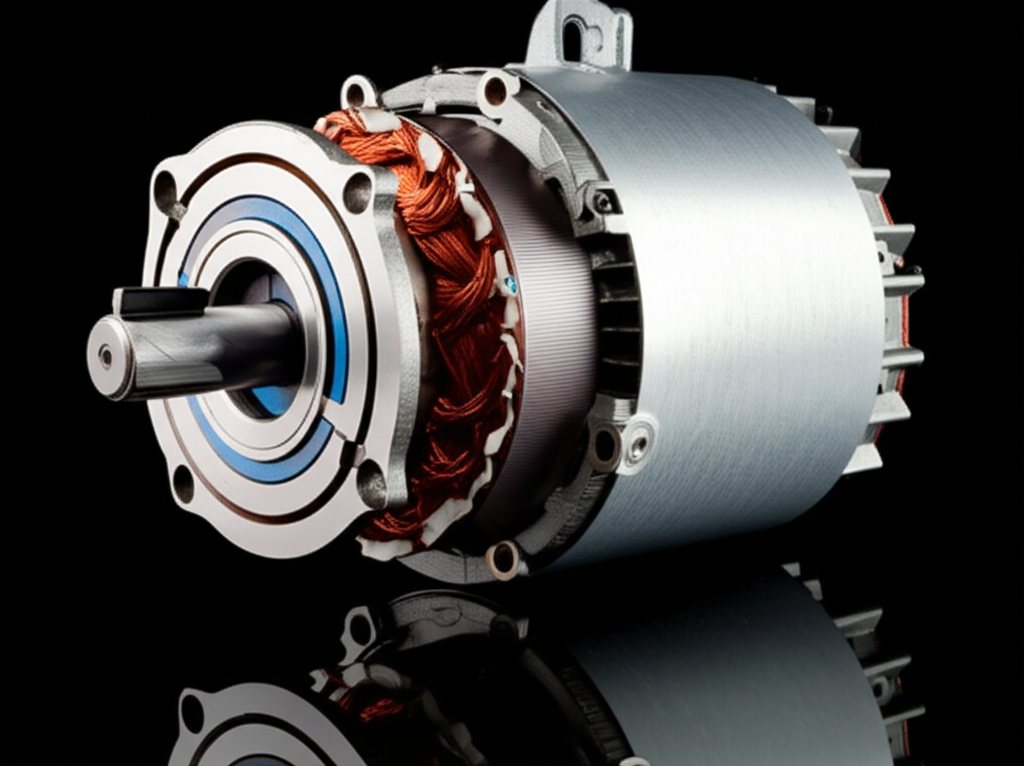
If you were to use a string made of a non-magnetic material like bronze or nylon, it would vibrate over the pickup, but it wouldn’t disturb the magnetic field. No disturbance, no electrical signal. No signal, no sound from your amp. It’s that simple. The relationship between the pickup and the string is a bit like the relationship between the two main parts of an electric motor; a deep understanding of the stator and rotor can help visualize this magnetic interaction.
How String Material Impacts Your Signal
Different ferrous materials interact with the magnetic field differently. This is why string material has such a big impact on your tone and output.
- Nickel-plated steel provides a strong, balanced magnetic pull, leading to a healthy output signal that’s neither too weak nor too overpowering.
- Pure nickel is slightly less magnetic than steel, which contributes to its lower output and warmer, less aggressive sound. It’s a subtle difference, but one you can definitely hear.
- Stainless steel offers a strong magnetic response, which helps create its bright, high-output character.
- Materials like cobalt are used specifically because they have a very strong magnetic relationship, resulting in a hotter, more powerful signal being sent to the amp.
Electric vs. Acoustic Strings: A Tale of Two Tones
One of the most common mistakes I see beginners make is confusing electric and acoustic strings. They might look similar, but they are built for entirely different jobs.
What Acoustic Strings are Made Of (and Why It Matters)
The most common type of acoustic guitar strings are “bronze” or “phosphor bronze.” These are made with a steel core, but the wrap wire is a bronze alloy (copper and tin, sometimes with phosphorus).
Bronze is a fantastic material for creating a loud, bright, and resonant acoustic tone. It helps the string’s vibration transfer efficiently to the guitar’s bridge and soundboard, making the whole instrument ring out. However, bronze is not a magnetic material.
Can You Mix and Match? (A Bad Idea, I Learned)
So what happens if you put acoustic bronze strings on an electric guitar? I made this mistake once when I was young and broke, using a leftover set of acoustic strings on my Stratocaster. The result was awful.
The plain steel strings (the high E and B) worked fine because they were just steel. But the wound strings (E, A, D, G) were barely audible. The magnetic pickups couldn’t “see” the bronze wrap wire, so they could only pick up the faint vibration of the thin steel core buried inside. The sound was thin, weak, and completely unusable.
What about the other way around? Putting electric guitar strings on an acoustic? You can do it, but it won’t sound very good. The nickel or steel wrap isn’t designed for acoustic projection, so the guitar will sound quiet, dull, and lifeless. The strings are designed to excite a magnetic field, not a piece of spruce wood.
The Role of String Gauge and Winding in Your Sound
Beyond the material, two other factors play a huge role: the string’s thickness (gauge) and how the wrap wire is applied (winding).
String Gauge: More Than Just a Number
String gauge refers to the diameter of the strings, measured in thousandths of an inch. A “set of 9s” means the thinnest string (high E) is 0.009 inches thick. A “set of 11s” means it’s 0.011 inches thick.
- Lighter Gauges (e.g., 8s, 9s): These are easier to press down and bend, making them great for beginners or players who do a lot of lead guitar work with big bends. They tend to have a brighter, “snappier” sound but less volume and sustain.
- Medium Gauges (e.g., 10s): This is often considered the standard. They offer a great balance between playability and tone. You get a fuller sound than 9s but can still bend them without a huge amount of effort.
- Heavier Gauges (e.g., 11s, 12s): These are tougher to bend but reward you with a huge, fat tone, more volume, and incredible sustain. They’re popular for jazz, where bending isn’t common, and for rock players who tune their guitars down, as the higher tension keeps the strings from feeling floppy.
I personally use 10s on most of my guitars. It’s the balance that feels right for my hands and sounds good for the styles I play. But I encourage every guitarist to experiment!
Winding Types: The Feel and The Fret Noise
The wrap wire can be applied to the steel core in a few different ways, which drastically changes the feel and sound.
- Roundwound: This is the most common by a long shot. The wrap wire is round, creating a textured, bumpy surface. This texture produces a bright, harmonically rich tone with lots of sustain. The downside is that it creates “finger squeak” when you slide your hand up and down the neck and can cause more fret wear over time.
- Flatwound: Here, the wrap wire is a flat, ribbon-like strip. This creates a completely smooth surface. Flatwound strings feel silky, have virtually no finger noise, and produce a very warm, mellow, and thumpy tone. They’re the undisputed king for traditional jazz guitar but are less suited for aggressive rock styles.
- Halfwound (or Groundwound): This is a hybrid. The strings start as roundwounds and then the outer surface is ground down to be partially flat. They offer a compromise—brighter than flats but smoother and quieter than rounds.
How I Choose the Right Electric Guitar Strings
After all these years, my process is pretty simple. I ask myself three questions:
My best advice is this: strings are cheap. Buy a few different sets of materials and gauges and see what you like. What works for me might not work for you. Your strings are the most direct connection you have to your instrument, so finding the right set is a journey worth taking. It’s like finding the perfect transformer lamination core for an electronic device; the right component choice is essential for optimal performance.
Common Misconceptions & FAQs I Hear All the Time
- “Can I put acoustic bronze strings on my electric?”
As I learned the hard way, no, not if you want it to work properly. The wound strings will be incredibly quiet because bronze isn’t magnetic.
- “Are all electric guitar strings the same?”
Definitely not! As we’ve seen, the differences in material, gauge, and winding create a huge variety of tones and feels.
- “Do coated strings affect tone?”
Yes, slightly. Coated strings (like those from Elixir) have a micro-thin polymer coating to prevent oil and grime from killing the string’s vibration. This makes them last much longer. In my experience, they can sound a tiny bit less bright than their uncoated counterparts right out of the pack, but they maintain a consistent “new string” sound for a lot longer.
Conclusion: The Steel Heart of Your Electric Guitar’s Sound
So, we come full circle. Do electric guitars have steel strings? Yes, they have a steel core at their heart, and it’s this essential ferrous property that allows them to sing through an amplifier.
But the story is so much richer than that. The choice of wrap wire—be it versatile nickel-plated steel, vintage pure nickel, or aggressive stainless steel—is what truly shapes your guitar’s voice. Paired with the right gauge and winding, your strings become one of the most powerful and personal tools you have for crafting your unique sound. Don’t ever underestimate them. They are the first link in the chain from your fingers to the sound that fills the room.