Do RC Car Motor Fans Help? The Definitive Guide to Cooling & Performance
Short answer: Yes. RC car motor fans keep your motor cooler. That means better performance, longer life, and fewer shutdowns. In this guide I show you why fans help, when you need them, and how to use them for the best results. I also share simple tips that save your motor and your battery.
Table of Contents
- What’s the Quick Answer? Do Fans Help?
- Why Do RC Motors Get Hot?
- How Hot Should an RC Motor Get?
- How Do RC Motor Fans Work?
- Do ESC Fans Cool the Motor Too?
- When Are Fans a Must?
- What Types of RC Motor Fans Should You Buy?
- How Do You Install and Power a Fan?
- Beyond Fans: Full RC Car Heat Management
- How Do I Troubleshoot RC Motor Heat Issues?
- Budget vs Premium: Which RC Fan Is Best for You?
- Real-World Data: How Much Do Fans Help?
- Are Fans Worth It for Racing, Bashing, and Crawling?
- Quick Myths and Mistakes to Avoid
- FAQs
- Final Takeaways
What’s the Quick Answer? Do Fans Help?
Here is the Problem. RC motors run hot under load. Heat steals power. Heat breaks parts. Heat cuts fun runs short.
Now Agitate it. You hit full throttle. The car screams. The motor cooks. Power fades. The ESC hits thermal shutdown. Your run ends. You feel let down.
Meet the Solution. A motor fan drops motor temperature by 5°C to 20°C in many setups. That is 10°F to 36°F. Fans prevent RC motor overheating. They boost RC car motor reliability. They help you extend RC motor lifespan. They keep RC motor performance strong. They bring peace of mind.
Why Do RC Motors Get Hot?
Heat builds for many reasons. You push the motor hard. You run on grass. You gear too tall. You use a heavy body. You drive in summer heat. All that adds up.
- Aggressive driving with high RPM and long throttle pulls raises RC motor current draw.
- Improper gearing drives RC motor temperature up fast. Tall gears can cook a motor.
- Heavy vehicle weight or high drag makes the motor work harder.
- High ambient temperature hurts cooling.
- Poor motor or ESC efficiency wastes energy as heat.
- An old LiPo battery sags. Low voltage raises amps. That makes more heat.
- Tight chassis space traps heat. Restricted airflow within the chassis hurts.
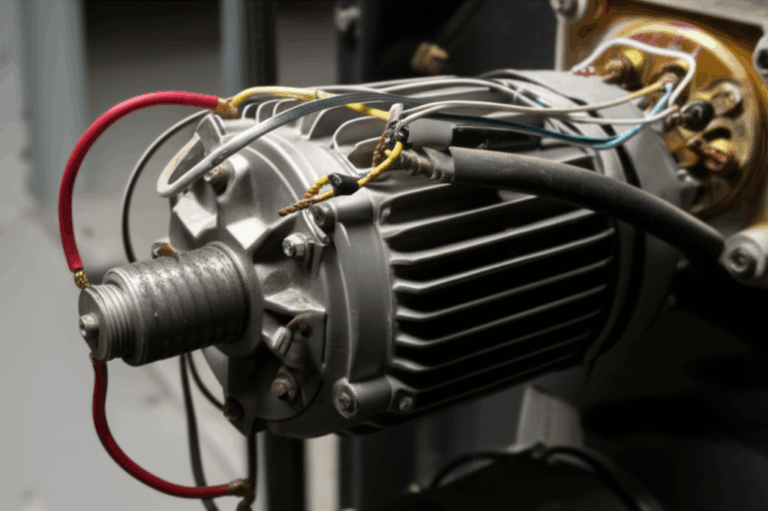
You also see heat if you push a high kV rating too hard. That can spike RC motor stator temperature and RC motor rotor temperature. Bad bearings also raise friction. Bad wiring or weak connectors add resistance and heat. Cheap power delivery can do the same.
How Hot Should an RC Motor Get?
I like to keep brushless motors under 80°C or 175°F. That is a safe optimum RC motor temperature for most setups. Many motors get into danger at 95°C or 200°F. You risk thermal shutdown or damage at that point. Always check manufacturer recommendations RC motor for your brand.
Use a temperature gun RC or an infrared thermometer RC after hard runs. Make short pulls. Check during the run. Do not wait until everything heat soaks.
Common signs of RC motor overheating:
- The car fades or feels soft. That is RC motor performance degradation.
- The ESC or motor cuts out. That is RC motor thermal shutdown.
- The motor smells hot. The magnets or windings may be cooking.
How Do RC Motor Fans Work?
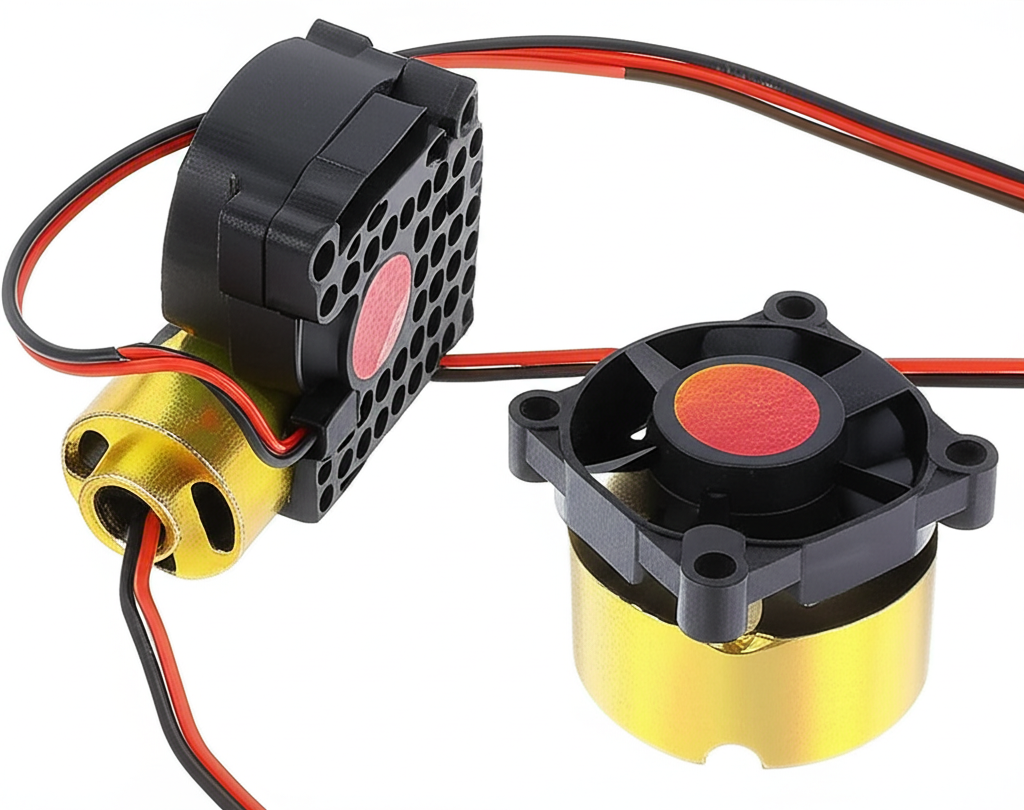
Fans use forced air convection. Air moves over the can. Air moves through a heatsink or cooling fins RC motor. The extra airflow pulls heat away. That drops motor case temps. That protects the stator and rotor inside.
- A fan has a small electric motor, blades, and housing.
- Active cooling RC motor uses fans to push air.
- Passive cooling RC motor uses a heatsink alone.
The fan moves air across metal. The metal has more surface area with a heatsink. Air pulls heat off that bigger surface. You get better results when you pair a fan with a tight fitting heatsink. You can also add a simple motor cooling shroud RC to guide airflow.
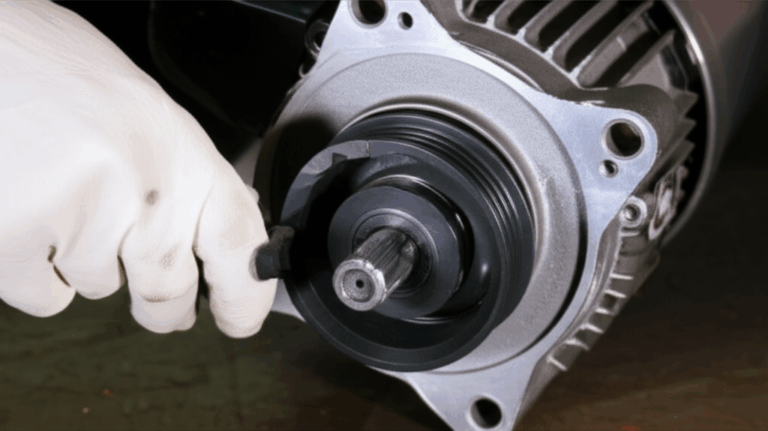
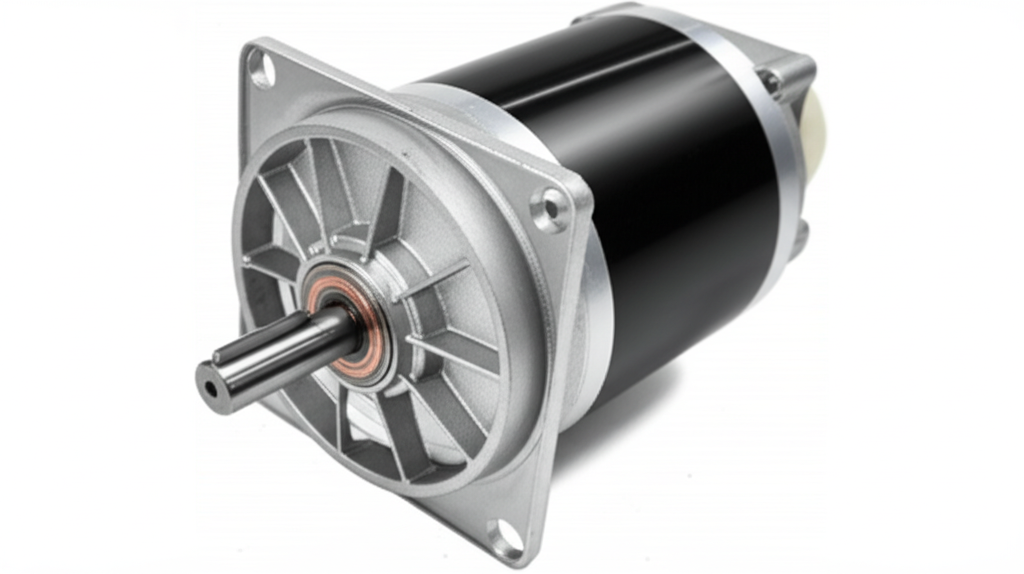
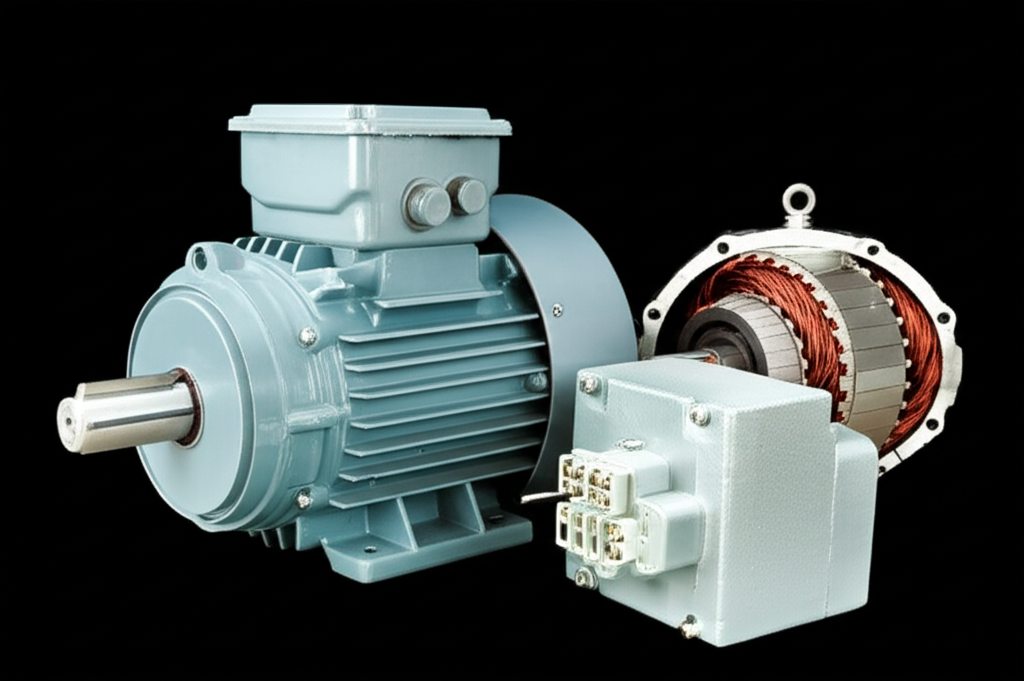
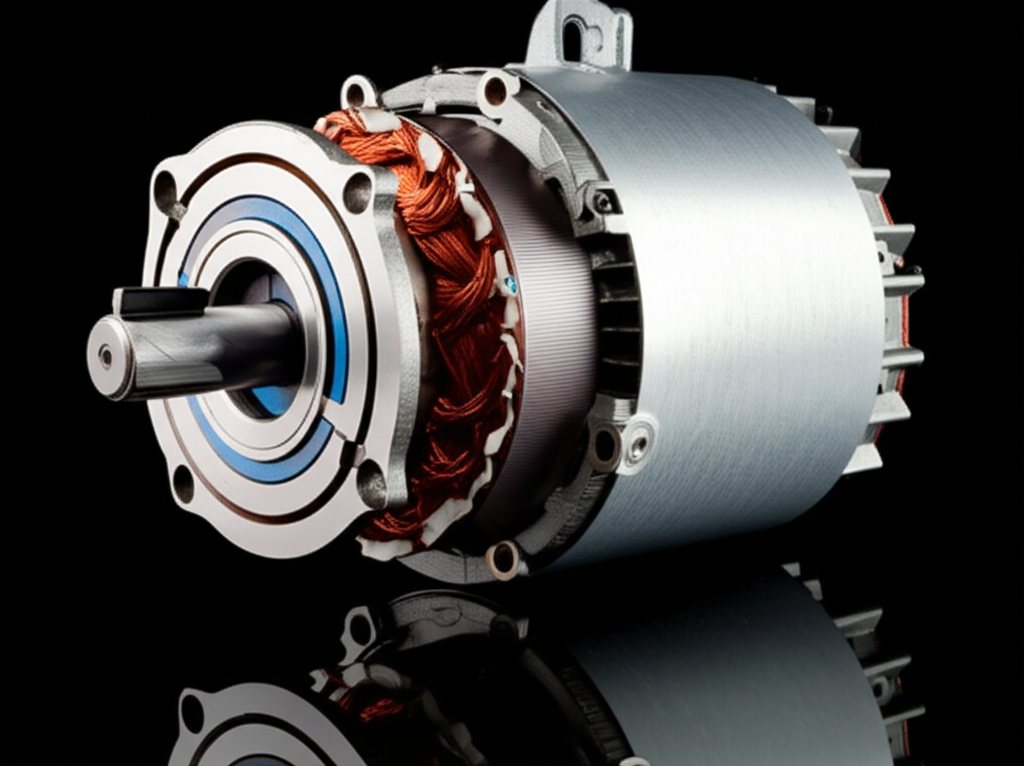
Curious what is inside a motor? Learn the basics of the stator and rotor. Good laminations in the stator and rotor matter because they cut losses and heat. Makers use electrical steel laminations to do that. You can dig deeper on how electrical steel laminations boost motor efficiency here: electrical steel laminations.
Do ESC Fans Cool the Motor Too?
An ESC cooling fan cools the ESC in the first place. A cool ESC helps ESC temperature management. It can also move some air inside the body. That helps the motor a bit. The effect is indirect. So yes. Do ESC fans cool the motor? A little. You still want a fan right on the motor for best results.
You can use an ESC fan speed controller to change fan speed on some setups. That can tune noise and airflow. Most fans just run full speed though.
When Are Fans a Must?
You will want a fan in these cases:
- High power RC racing motor cooling. You need full power the whole race.
- Aggressive RC bashing motor cooling. Long grass. High gears. Speed runs.
- Hot days. High ambient temperature makes cooling tough.
- Larger scales like 1/8 and 1/7. A cooling fan for 1/8 RC car helps a lot. So does a cooling fan for 1/10 RC car in many buggies and trucks.
- Hot setups like high kV. Some motors just run hot.
Fans also help in tough use:
- Short course truck motor cooling
- Buggy motor cooling
- Crawler motor cooling (less critical but useful on hot days with long climbs)
What Types of RC Motor Fans Should You Buy?
You have a few types and mounting styles:
- Motor-mounted fans clamp to a heatsink or to the can.
- Chassis-mounted fans blow on the motor from a bracket.
- ESC-mounted fans cool the ESC most but help airflow in the body.
Power options:
- BEC powered RC fan plugs into the ESC’s receiver port.
- Direct power RC fan runs off the main battery with a regulator. Match voltage for RC motor fan. Some fans run 5V. Others run 7.4V or 8.4V.
Look at size and airflow:
- Check RC motor fan size and CFM. Bigger fans can move more air if they fit.
- Check wattage of RC motor fan and amp draw. Most pull 0.1A to 0.5A. That is small.
Check quality and features:
- Brushless fans last longer. Some are waterproof RC motor fan rated.
- You may want low noise level RC motor fan.
- Check for fan protection grille RC. It can stop pebbles and grass.
Brands you see a lot:
- Traxxas motor fan
- Castle Creations motor fan
- Hobbywing motor fan
- Spektrum motor fan
You will see online RC fan reviews, forum discussions RC motor cooling, and a lot of tests on YouTube. Read the manufacturer recommendations RC motor too.
How Do You Install and Power a Fan?
Keep it simple. Keep it neat. You do not want wires in the spur gear. You do not want a fan that hits the driveshaft. Here is what to check.
- Match fan voltage. If you use a BEC powered RC fan then a 5V or 7.4V fan is fine. If you use direct power RC fan then use a step-down to the fan voltage.
- Use clean wiring and tight connectors. Good connector quality and motor heat RC go hand in hand.
- Add a good fan mount for RC motor and a snug heatsink. Use thermal paste for RC motor if the sink allows it. It helps heat transfer.
- Think about fan placement RC motor. Aim it at the hottest part of the can. Leave space for air intake for RC fan and exhaust for RC fan inside the body.
I also like dual motor fans RC for high power. You can stack two small fans on a wide heatsink. That adds airflow without too much weight.
Beyond Fans: Full RC Car Heat Management
Fans work. You can do more to drop temp and raise RC car motor reliability.
- Gearing and motor temperature go together. Shorten gearing if the motor runs hot. Use a smaller pinion or a bigger spur. Check temps again.
- Use a tight heatsink. Heatsinks add surface area for the fan. That boosts cooling.
- Improve chassis airflow. Cut body exit holes. Make vents for intake and exit. Better ventilation helps a lot.
- Motor selection matters. Choose a motor size and kV rating that fits your vehicle and terrain.
- Change driving habits. Use shorter pulls. Let the car roll more. Avoid long full-throttle runs in grass.
- Watch temps with a temperature gun RC. Data helps you make smart choices.
If you build motors or care about the inside parts you can also look at the core. Quality stator parts reduce losses. That lowers heat. This is where stator core lamination and rotor core lamination matter. If you want to go deeper on material and design read more here:
- Better stator core lamination
- Matching rotor core lamination
Good laminations help efficiency. Less loss equals less heat. That helps the fan do less work too.
How Do I Troubleshoot RC Motor Heat Issues?
Use this simple process.
1) Confirm the problem
- Take temps during a run. Note RC car speed and motor heat changes.
- Use a motor temperature sensor RC or IR gun.
2) Check the basics
- Gearing too tall. Drop a tooth or two on the pinion.
- Wheels and tires too big. Heavy wheels raise load.
- Wire gauge and motor heat RC go together. Thin wires get hot.
- Bad phase wires heat RC. Loose bullet plugs can arc and get hot.
- Sensor wire heat RC shows a short or tight routing on sensored motors.
3) Inspect parts
- Spin the motor. Feel for rough bearings.
- Check wiring and connectors for heat marks.
- Look for clogged fans or broken blades.
- Clean dust. Dust protection RC fan matters. Dirt blocks airflow.
4) Adjust ESC
- Tune ESC programming and motor heat. Back off punch control and motor heat. Lower turbo/boost settings and motor heat. Lower drag brake and motor heat if it is too strong.
5) Protect with features
- Use overheating protection RC in your ESC if it has it.
- Watch for avoiding thermal runaway RC. If temps rise too fast then stop and cool.
Budget vs Premium: Which RC Fan Is Best for You?
You can buy a budget RC motor fan for cheap money. It will cool the motor. It may be loud or less durable. You can also buy a premium RC motor fan. It may be brushless and sealed. It may be waterproof. It may last longer.
Think about where you run:
- Fine dust? You want sealed bearings and a screen. Keep preventing dust accumulation on fans in mind.
- Wet grass and puddles? You want a waterproof RC motor fan.
- Tight space? Measure RC motor fan size before you buy.
Take time to read online RC fan reviews. Join forum discussions RC motor cooling. Look at tests from real drivers like you.
Real-World Data: How Much Do Fans Help?
Here is a simple data table from hobby tests and brand specs. It shows what you can expect in many cases.
| Aspect | Typical Result | Context | Why It Matters |
|---|---|---|---|
| Temperature reduction | 5°C to 20°C drop | Hobby tests and brand charts | Keeps motors in the safe zone |
| Performance under stress | 20% to 50% longer before fade | Race days and grass runs | More laps and longer fun |
| Motor life | 15% to 30% longer | Less heat stress | Protects your money |
| Safe temp window | Under 80°C is best | Tech guides and specs | Avoids damage to magnets and windings |
| Cost vs benefit | Fan $10 to $30 vs motor $50 to $200+ | Retail pricing | Great ROI |
| Power draw | 0.1A to 0.5A per fan | Fan data sheets | Small impact on run time |
| Heatsink synergy | Extra 5°C to 10°C drop | Physics of airflow | Fan + sink beats fan alone |
| Hot days effect | Fans help more above 25°C | Common sense heat transfer | Active cooling shines in summer |
I have seen these wins in my own cars. I ran a 1/10 short course truck in July. The motor hit 92°C without a fan. It faded. I added a 30mm fan and a tight heatsink. Temps dropped to 76°C. Power stayed strong lap after lap.
Are Fans Worth It for Racing, Bashing, and Crawling?
- Racing: A fan is a must for high performance RC motor cooling. It stops fade. It stops thermal shutdown on hot race days.
- Bashing and speed runs: A fan helps RC bashing motor cooling. You spend a long time at high load. Fans shine here.
- Crawling: Low speed keeps temps down. You can still get hot with a tight drag brake and long climbs. A small fan can help crawler motor cooling when it is hot outside.
Quick Myths and Mistakes to Avoid
- Myth: “Fans add power.” The fan does not add raw power. It stops heat loss so you keep full power longer.
- Myth: “I can use motor oil on the motor can.” Do not do motor oil RC on the can. Oil traps dust. Oil does not cool. Use a fan and a heatsink instead.
- Mistake: “My ESC fan is enough.” It helps a little. A motor fan still does the heavy lifting on the motor.
- Mistake: “I geared up and a fan will fix it.” Gearing is still king. Fix gearing first. Use a fan to help.
- Mistake: “I never clean my fan.” Dirt kills fans. Clean them often.
FAQs
Q: Are RC motor fans worth it?
A: Yes. Fans are low cost and lower temps. They protect the motor and the ESC. They also protect your LiPo battery because the system draws less current when cool.
Q: How hot is too hot for RC motor?
A: Try to stay under 80°C or 175°F. Over 95°C is risky. That can damage the rotor magnets and melt insulation.
Q: Where should I place my fan?
A: Aim at the hottest part of the can near the stator. Use a good fan mount for RC motor and a tight heatsink. Leave room for intake and exit air.
Q: Can I run two fans?
A: Yes. Dual motor fans RC can help on heavy or high power rigs.
Q: Will a fan drain my battery fast?
A: No. A small fan draws a tiny amount. Most draw 0.1A to 0.5A. Your motor and ESC draw far more.
References
- Castle Creations. Product manuals and cooling notes.
- Traxxas. Support pages for fan kits and temps.
- Hobbywing. ESC and motor setup guides.
- Spektrum. ESC and motor cooling tips.
- Community tests and data from major RC forums like RCTech and RCUniverse.
Final Takeaways
- Fans work. They cut heat with active cooling RC motor airflow.
- Keep motors under 80°C. Use a temperature gun RC to check.
- Fix gearing first. Add a fan and a heatsink for best RC car heat management.
- Power fans the right way with BEC or a regulator. Match voltage for RC motor fan.
- Clean fans often. Add a fan protection grille RC to block debris.
- Tune the ESC. Lower turbo/boost settings and motor heat. Adjust punch control and motor heat and drag brake and motor heat.
- Watch wiring. Good wire gauge and motor heat RC control matters. Tight connectors help.
- Consider inside parts too. Quality laminations in the stator and rotor cut heat. Learn more about stator core lamination and rotor core lamination. Also see how electrical steel laminations improve efficiency.
- Pick the right fan for scale and space. A cooling fan for 1/10 RC car or a cooling fan for 1/8 RC car can save your day.
- Build a custom RC cooling setup if needed. Add vents. Add a motor cooling shroud RC. Replace the stock RC fan if it is weak. Keep upgrading RC motor cooling for your track and weather.
With smart choices and a simple fan you can maintain RC motor efficiency, avoid RC motor heat issues, and enjoy long hard runs without fear.