
E-bike Motor Lamination Stacks: Achieving Optimal Cost-Performance for Next-Gen E-bikes
Table of Contents
- Introduction: My Journey into E-bike Motor Lamination Stacks
- Understanding E-bike Motor Lamination Stacks
- Why Laminated Cores Matter
- The Role of Lamination Material Properties
- Core Performance Metrics Driven by Lamination Design
- Efficiency: Chasing the Ultimate Goal
- Power Density and Torque Output
- Thermal Management and Reliability
- Noise, Vibration, and Rider Comfort
- Major Cost Drivers in E-bike Motor Lamination Stacks
- Material Costs
- Manufacturing Costs
- Design and Development Costs
- Logistics and Quality Control
- Strategies for Cost-Performance Optimization
- Material Selection and Specification
- Optimizing Lamination Design
- Manufacturing Process Innovation
- Integrated Thermal Management
- The Balancing Act: Practical Cost-Performance Approaches
- Future Trends in E-bike Motor Lamination Technology
- Conclusion: Powering the Future of E-Mobility Responsibly
Introduction: My Journey into E-bike Motor Lamination Stacks
When I started working with e-bike motors, I never imagined I’d spend so much time thinking about thin stacks of steel sheets. But as I dug deeper into what makes one motor hum and another just barely get by, I realized the real magic often lies hidden in the humble lamination stack. Getting the right balance between efficiency, power, and cost isn’t just a matter of picking fancier materials or shrinking everything down for the sake of “innovation.” In my experience, it’s about making smart, deliberate choices at every step—especially when it comes to the core lamination stacks at the heart of any good e-bike motor.
What I’ve learned is that every decision in the design and manufacturing process—right down to fractions of a millimeter in lamination thickness—directly affects your bottom line, your bike’s ride quality, and your customer’s satisfaction. Let me walk you through the key lessons, hard-earned insights, and best practices I’ve gathered on optimizing e-bike motor lamination stacks for the perfect cost-performance blend.
Understanding E-bike Motor Lamination Stacks
Why Laminated Cores Matter
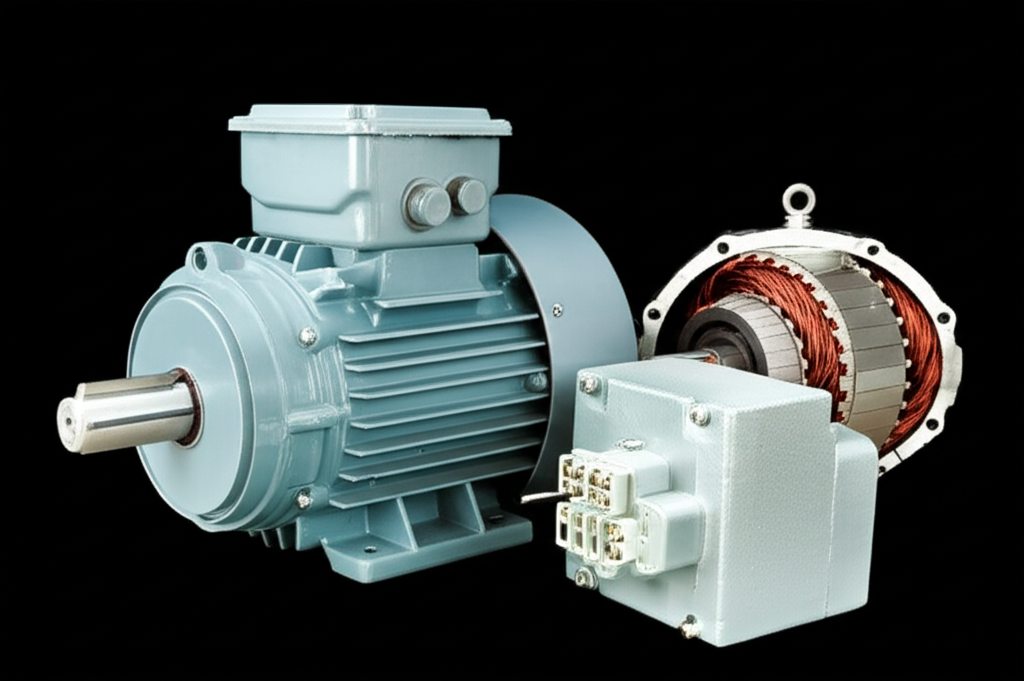
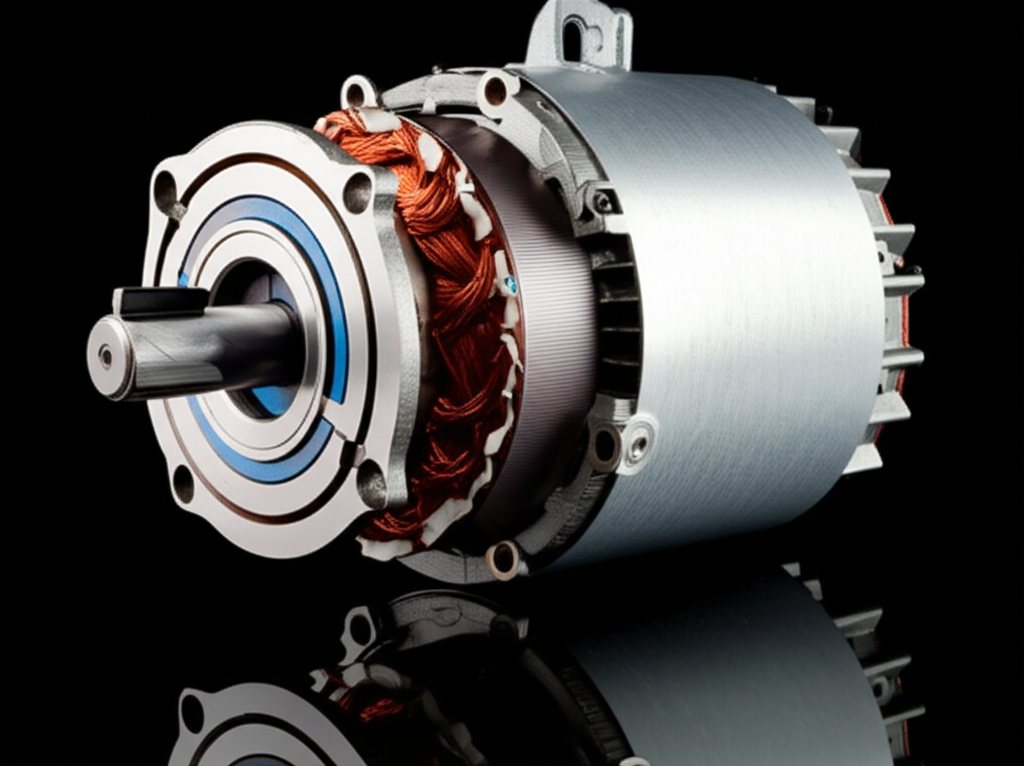
I remember the first time I held a stator core in my hands and realized it was just a neat stack of hundreds of razor-thin metal sheets. Why not just use one solid chunk of metal? The answer actually ties back to the physics of electromagnetism and the relentless search for efficiency.
Whenever you pass current through the motor windings, they create a rapidly alternating magnetic field. If the core were just a lump of solid steel, this field would induce powerful eddy currents—loops of wasted electricity that simply heat up the core instead of propelling the bike forward. Laminating the core—splitting it into thin, insulated sheets—dramatically cuts these losses by making it harder for those eddy currents to form. It’s a tried-and-true way to squeeze out more efficiency from the same material.
The Role of Lamination Material Properties
In my years of specifying motor core materials, I’ve had to develop a serious respect for the subtle differences between electrical steel grades. Terms like grain-oriented and non-grain-oriented steel (GOES vs. NGOES), permeability, and core loss aren’t just jargon—they’re variables that dictate how much power you get from each battery charge, or how hot your motor gets climbing a hill.
One of the first things I learned is that not all electrical steel is created equal. Some are engineered for transformer use and others are tailored specifically for rotating machines like e-bike motors. Thickness matters too—thinner laminations usually mean lower losses but can drive up costs and make mass manufacturing a real headache. The interplay between lamination stack materials, geometry, and manufacturing technique is really where engineering meets economics.
Core Performance Metrics Driven by Lamination Design
Efficiency: Chasing the Ultimate Goal
Let me tell you, chasing that last percent or two of efficiency can feel like squeezing water from a stone. Most of your core losses come from two main sources: eddy currents and hysteresis. Through countless design cycles, I’ve seen how even modest improvements in lamination stack design and material selection directly improve actual range per charge.
For example, swapping out a 0.35 mm thick NGOES sheet for a 0.20 mm version can cut eddy current losses by close to 50%. That might mean you get two or three more kilometers on a single battery charge. When you’re working on a fleet of e-bikes for a delivery company, those small savings quickly add up.
Material Selection and Hysteresis Loss
The type of steel matters. Lower core loss electrical steels are more expensive up front, but they pay you back in performance—less battery drain, less heat, longer component life.
Lamination Thickness and Eddy Currents
Go too thin, and stamping costs and stack assembly complexity soar. Stick with thicker sheets, and you sacrifice efficiency and power. Striking the right balance is key.
Power Density and Torque Output
I love pushing the boundaries of what’s possible in a compact e-bike frame. Optimizing lamination stacks, both in material and shape, really boosts torque and power density. You get more bang for your buck—literally more push from smaller motors. That’s especially important for mountain bikes or cargo bikes where space is tight but performance can’t be compromised.
Thermal Management and Reliability
Heat is the silent killer in electrical machines. Every watt lost to core heating is a watt not turning your wheels. In my experience, refining lamination stack design makes a real difference in heat generation. It helps keep winding and magnet temperatures under control, which is crucial for longevity.
For high-efficiency setups, I’ve even seen projects where advanced materials like amorphous metals or SMCs (Soft Magnetic Composites) were used specifically to lower losses at high frequencies. These motors ran noticeably cooler than their conventional steel-core counterparts—even at full tilt on summer days.
Noise, Vibration, and Rider Comfort
No one wants a noisy, rattling ride. Cogging torque, vibration, and acoustic noise all trace straight back to your motor’s lamination stack. Techniques like skewing, notching, or optimizing the slot fill factor often reduce these annoyances. It’s no exaggeration to say that smoother, quieter motors start with more thoughtful stack design.
If you’re interested in the specific parts that contribute to these sensations, the stator core lamination is often where I focus my attention first.
Major Cost Drivers in E-bike Motor Lamination Stacks
Material Costs
Over my years in procurement and R&D, I’ve seen material prices swing up and down like a roller coaster. The biggest chunk of our cost pie almost always came from the type and grade of steel selected.
- Electrical Steel Grades: Tradeoff time! NGOES like M400-50A are reliable and budget-friendly, while premium grades like M235-35A will ramp up material costs but cut losses, sometimes by 20% or more.
- Advanced Materials: Amorphous metals, nanocrystalline alloys, and SMCs promise huge performance gains but can cost three to ten times standard steel. These are niche options, great for racing or high-end applications, but often hard to justify for commuter bikes.
- Raw Material Volatility: I’ve had projects delayed simply because the market price for imported electrical steel jumped 30% overnight. Managing a diverse supplier pool, including those specializing in silicon steel laminations, can help minimize nasty surprises.
Manufacturing Costs
Tooling, labor, and process selection are the next big-ticket items.
- Stamping/Punching: High upfront tooling costs, but ultra-low per-piece costs once you hit scale. For mass production, nothing beats stamping efficiency.
- Laser Cutting: My go-to for prototypes and low-volume runs—no tooling charges, ultra-precise, but you pay a premium if you try to scale it.
- Assembly Methods: Bonding, welding, or interlocking laminations all add their own flavors of cost and complexity. Automation can save costs but needs big batches to justify it.
For details on how stacking and lamination design affect overall production, exploring new developments in core lamination stacks can open up unexpected opportunities for efficiency.
Design and Development Costs
Advanced simulation tools like FEA aren’t cheap but can save a fortune by predicting problems before you make that first prototype. In one project, simulating different slot geometries cut our number of physical prototypes in half—huge when each round costs thousands.
R&D outlays on software, consultation, prototyping, and validation can make or break the business case for a new motor.
Logistics and Quality Control
You can design the world’s best lamination stack, but if your supplier can’t hold tolerances or deliver on time, your whole schedule goes out the window. I always build in a buffer for quality inspections, shipment delays, and—yes—occasional do-overs from suppliers struggling with that last micron.
Strategies for Cost-Performance Optimization
Material Selection and Specification
If you take away only one lesson from all my trial and error, let it be this: Don’t over-specify your material, but never cheap out, either.
Choosing the Right Electrical Steel Grade
For most projects, a high-quality NGOES in the 0.35 mm to 0.20 mm range hits the sweet spot. Thinner is more efficient, but the jump in price and manufacturing complexity is only worth it when targeting real performance gains.
Thickness: The 0.35 mm vs. 0.20 mm Debate
Moving from 0.50 mm to 0.35 mm will net you an instantly noticeable gain in efficiency at a modest added cost. If you go to 0.20 mm, you can eke out another 1–3% improvement, though your per-stack material and labor costs will spike due to handling more, thinner sheets.
I once worked on a mid-drive setup aimed at high-end mountain bikes where switching to 0.20 mm laminations let us match the torque and efficiency of much larger motors, with minimal weight gain. The production line managers grumbled, but our riders noticed the upgrade instantly.
When to Invest in Advanced Materials
Amorphous metals and SMCs are game-changers if you need ultra-high efficiency, low core losses, or complex 3D flux paths. I haven’t used them for mass-market commuter bikes, but for custom race applications, they paid off.
Optimizing Lamination Design
Geometry and Topology
Slot and tooth shape, core back thickness, and yoke form—all these have a dramatic effect on how the magnetic field flows. I always run different geometry models through FEA before settling on one. Even small tweaks (like rounding slot corners) can cut flux leakage.
Slot Fill Factor
Cranking up slot fill (the percentage of copper you stuff into each slot) directly ups efficiency and torque. I once managed to push slot fill from 50% to 65% just by redesigning our winding jig, and our test motors ran both cooler and smoother as a result.
Cogging Torque Reduction
No one likes a jerky pedal feel or annoying vibrations. Skewing the stack or playing with notching patterns dropped our cogging torque by 20–30% in some builds, noticeably improving ride quality.
FEA and Simulation
I learned the hard way that building a prototype before simulating results in lots of costly mistakes. Advanced FEA allows you to predict trouble spots, losses, and opportunities for easy wins before cutting a single sheet of steel.
Manufacturing Process Innovation
Precision Stamping
For large orders, it’s hard to beat. Tooling costs look scary up front, but once you spread them over thousands or hundreds of thousands of units, the per-part price drops fast. My best experiences have come from working closely with suppliers—designing dies for max material use and minimal scrap.
Laser Cutting
For low-volume, R&D, or “boutique” builds, laser-cut laminations are unbeatable. Flexibility and precision without the commitment to expensive dies. Great for one-offs when every iteration matters.
Advanced Assembly
Automation is your friend, especially for consistency. Automated welding, interlocking, or bonding can reduce human error. But here’s my tip: always do a few dry runs before going all-in. Sticking a batch of laminations together may seem simple, but it can get complicated fast.
Annealing Optimization
Heat treatment or annealing relieves stresses left from cutting and stamping. In one stubborn batch of rotors, skipping this step cut output power by 5%. For critical applications, never underestimate the importance of grain structure improvement.
If you’d like to explore these topics from a different angle, my work with motor core laminations has taught me just how much a little attention to assembly detail can impact the final outcome.
Integrated Thermal Management
Design laminations to help move heat away from the winding and bearings. I’ve seen success with built-in cooling channels or ventilated stacks, especially in high-power mid-drive units. If you can keep the core cooler, everything from battery life to winding insulation benefits.
The Balancing Act: Practical Cost-Performance Approaches
The art of cost-performance optimization, in my book, is all about knowing your target market and use case.
- Urban Commuter Bikes: Go for reliability and value. Use proven NGOES materials, standard thickness, modest optimization—don’t overengineer.
- High-Performance or Premium Builds: Here’s where thinner laminations, exotic materials, and advanced cooling make sense.
- Lifecycle Costing: Sometimes, a slightly higher initial cost in materials or design delivers lower total cost due to increased efficiency and longer lifespan.
- Supplier Partnerships: Get your supplier involved early. They often see pitfalls and shortcuts you might miss—plus, their volume leverage helps you cut costs.
- Standardization and Modularity: Whenever possible, I standardize stack and component designs across product lines. It slashes per-unit costs and reduces headaches in inventory or assembly.
Future Trends in E-bike Motor Lamination Technology
I’m excited by emerging trends that promise even better motors for the next generation of e-bikes:
- Ultra-Thin Laminations and Grain-Oriented Steels: These materials, once reserved for transformers, are moving into motor stacks. Expect lower losses, especially at higher speeds.
- Soft Magnetic Composites: More mainstream adoption as costs fall and manufacturing processes improve.
- AI-Driven Design: Generative design, powered by artificial intelligence, lets engineers like me run hundreds of design iterations overnight, optimizing every tiny aspect for efficiency and manufacturability.
- Green Manufacturing and Recycling: As environmental standards tighten, I see more brands recycling old laminations and investing in cleaner supply chains.
Conclusion: Powering the Future of E-Mobility Responsibly
Looking back, I’ve come to see e-bike motor lamination stack optimization as a dance between physics, economics, and a little bit of creative stubbornness. There’s no single formula or secret recipe. Instead, real success comes when you’re willing to dig into the numbers, test every assumption, and stay open to new technologies that just might give your e-bike the edge.
Every project brought its own lessons and surprises. Sometimes, an extra tenth of a millimeter in lamination thickness changed everything. Other times, it was a shift in supplier or a tweak to the winding slot. My advice to anyone diving into this field? Start with clear goals, build strong partnerships, and never underestimate the power of small, smart optimizations.
If you’re curious to learn more or want to get hands-on with different aspects of the process, resources on bldc stator cores or digging into rotor core lamination can be a fantastic place to start.
Powering tomorrow’s e-mobility doesn’t mean spending more—it means thinking smarter. And in my experience, the humble lamination stack is the perfect place to begin.