
Finding Motorized Shopping Carts: A Comprehensive Guide to Stores & Usage
Navigating a large retail store can be a daunting task, especially if you’re managing a mobility challenge, recovering from an injury, or simply finding it difficult to be on your feet for an extended period. The good news is that many stores recognize this and provide motorized shopping carts to make your experience more comfortable and independent. But which stores have them, and how can you be sure one will be available when you arrive?
If you’ve ever found yourself wondering which supermarkets or big-box retailers offer these helpful mobility aids, you’re in the right place. This guide is designed to take the guesswork out of your next shopping trip. We’ll explore which major chains typically provide electric carts, how to confirm their availability, and some tips for using them safely and courteously.
In This Article
- Major Stores That Typically Offer Motorized Shopping Carts
- How to Confirm Motorized Cart Availability Before Your Trip
- Understanding and Using Motorized Shopping Carts
- What to Do If a Motorized Cart Isn’t Available
- Your Rights and Store Responsibilities Under the ADA
- Empowering Your Shopping Experience
Major Stores That Typically Offer Motorized Shopping Carts
While availability can always vary by specific location, size, and store policy, you can generally expect to find electric shopping carts at the nation’s largest retailers. These companies have invested in accessibility as part of their customer service and to comply with the Americans with Disabilities Act (ADA).
Here’s a breakdown of the types of stores where you’re most likely to find these power carts.
Grocery Stores & Supermarkets
Large supermarkets are the most common places to find motorized carts due to their sprawling layouts and the necessity of navigating long aisles. The sheer volume of shoppers, including many seniors and individuals with disabilities, makes these mobility aids essential.
- Walmart: Both Walmart Supercenters and the smaller Neighborhood Markets are well-known for providing electric carts. As one of the largest retailers, they generally have a fleet of them available near the entrance.
- Kroger and its Family of Brands: Kroger is a giant in the grocery world, and its commitment to accessibility extends across its many affiliate brands. You can often find motorized shopping assistance at stores like Fred Meyer, Ralphs, King Soopers, Smith’s, Fry’s, and Harris Teeter.
- Publix: Known for its exceptional customer service, Publix almost always has well-maintained motorized shopping aids available for its customers.
- Meijer: This supercenter chain, primarily located in the Midwest, is another reliable option. Their large store format makes motorized carts a key feature for many shoppers.
- Safeway / Albertsons: This large family of grocery stores, which also includes banners like Vons, Randalls, and Tom Thumb, typically offers power chairs to assist shoppers.
- H-E-B: A beloved Texas-based chain, H-E-B is known for its large, modern stores and provides excellent accessibility services, including electric scooters.
- Regional Chains: Many other strong regional players also provide these services. Chains like Wegmans, ShopRite, Giant Food, Stop & Shop, and Winn-Dixie are excellent bets, but it’s always wise to call your local store ahead of time to be sure.
Warehouse Clubs
The massive scale of warehouse clubs makes motorized carts not just a convenience but a necessity for many members. The vast distances from the parking lot to the back of the store and the heavy, bulk items for sale underscore their importance.
- Costco Wholesale: Costco is well-equipped with power shopping carts. You can typically find a fleet of them charging just inside the entrance. Given the size of their warehouses, these are heavily used and vital for many members.
- Sam’s Club: A division of Walmart, Sam’s Club also provides electric scooters for shoppers. Like at Costco, they are usually located in a designated area near the front of the store.
Big Box & Department Stores
Beyond groceries, many other large-format retailers provide motorized cart assistance to help customers browse their extensive product selections.
- Target: Target stores are almost universally equipped with their signature red electric carts. You can find them waiting for you at the front of the store, ensuring you can navigate everything from apparel to electronics with ease.
- The Home Depot & Lowe’s: Both of these home improvement giants offer motorized assistance. This is particularly helpful given the size of the stores and the weight of many products. Whether you’re shopping for paint or lumber, a power cart can make the trip manageable.
- Best Buy: To help customers explore aisles of TVs, computers, and appliances, Best Buy locations typically have electric carts available.
- Kohl’s, JCPenney, & Macy’s: Major department stores often provide motorized options. However, availability can sometimes be less consistent than at a supermarket, especially in smaller or mall-based locations. It’s a good idea to call ahead to confirm.
- Dick’s Sporting Goods: Many larger locations of this sporting goods retailer offer mobility carts to help customers navigate their expansive stores.
Drugstores & Pharmacies
While not as common as in larger stores, some flagship or high-traffic drugstores may offer a motorized cart.
- Walgreens, CVS, and Rite Aid: Availability at these chains is hit-or-miss. The larger, more modern locations are more likely to have one or two carts available, but it’s not a guarantee. If you rely on one, calling the specific store you plan to visit is highly recommended.
How to Confirm Motorized Cart Availability (Before Your Trip)
There’s nothing more frustrating than arriving at a store only to find that the accessibility service you rely on isn’t available. A few minutes of planning can save you a lot of trouble.
Understanding and Using Motorized Shopping Carts
If you’re new to using a motorized cart, it can seem a little intimidating at first. But with a quick orientation, you’ll be navigating the aisles like a pro in no time.
Where to Find Them
In most stores, the carts are parked in a designated charging area right inside the main entrance, often near the traditional shopping carts or the customer service desk. If you don’t see them immediately, don’t hesitate to ask a store greeter or any associate for assistance. They can point you in the right direction or retrieve one for you.
Basic Operation and Safety Tips
While designs vary slightly between manufacturers, most motorized shopping carts share a similar set of simple controls:
- Power: There’s usually a key or a power button to turn the cart on and off. Always turn it off when you’re getting on or off the seat for safety.
- Forward and Reverse: The controls are typically levers on the handlebars. Squeezing or pushing a lever on the right side usually moves you forward, while a lever on the left handles reverse. Releasing the lever acts as the brake.
- Speed Control: A dial, often with icons of a turtle (slow) and a rabbit (fast), allows you to set your maximum speed. It’s best to start on the slowest setting until you get a feel for the cart’s responsiveness.
- Horn: A button on the control panel lets out a gentle beep to alert other shoppers of your presence, which is especially useful when rounding blind corners.
- Battery Gauge: Look for a simple battery indicator. If it’s in the red or yellow, you might want to ask an associate if a more fully charged cart is available to avoid running out of power mid-trip.
A Glimpse into the Technology Behind the Ride
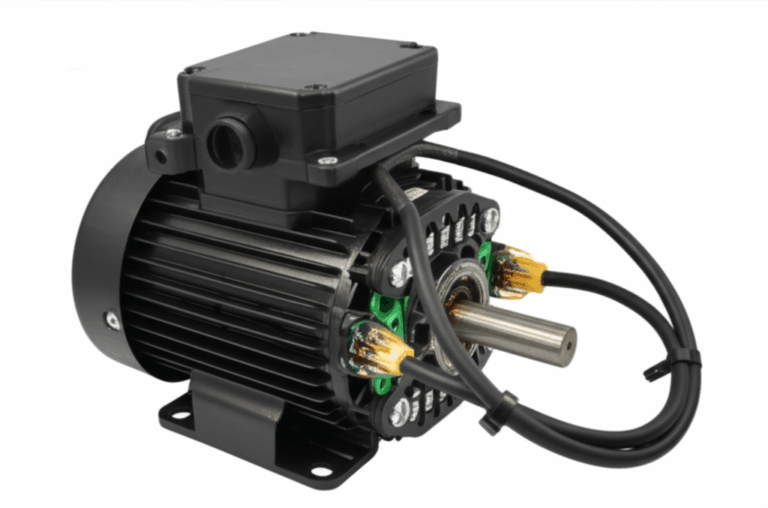
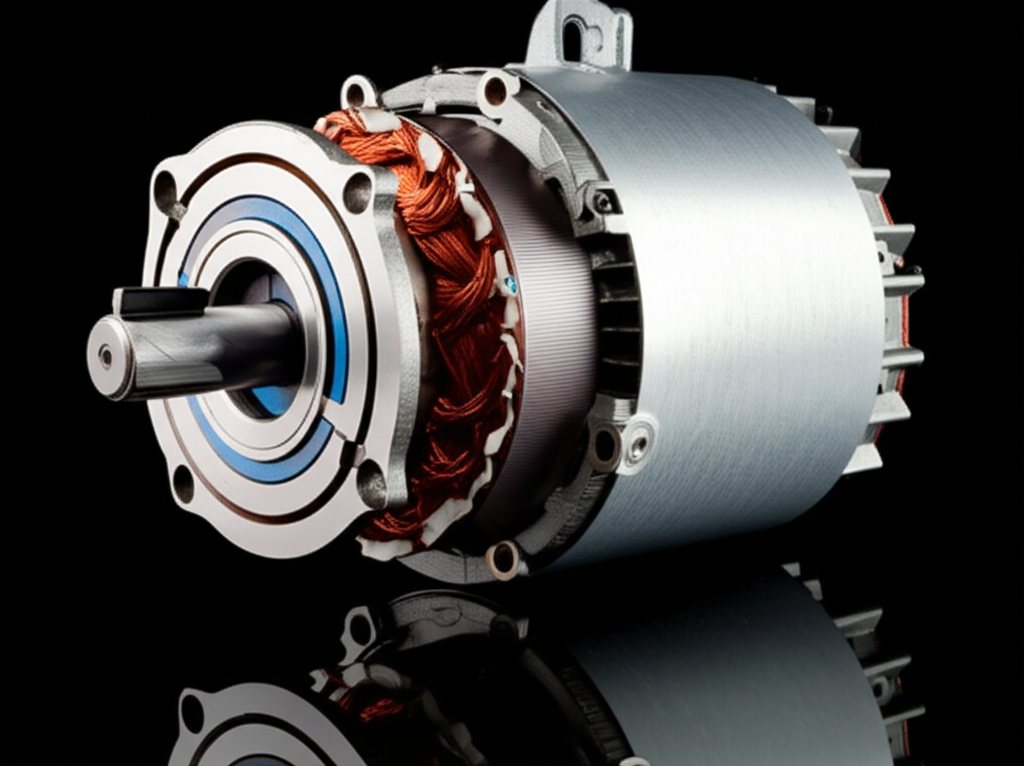
Ever wonder what makes these convenient carts work? The smooth, quiet power comes from a carefully designed electric motor. The core of that motor is built from stacks of very thin, insulated steel sheets. These electrical steel laminations are crucial for controlling the magnetic fields that create motion. The entire motor principle relies on the precise interaction between the stationary part (the stator) and the rotating part (the rotor). By managing electrical energy efficiently, these components allow the cart to run for hours on a single charge, providing a reliable shopping experience. It’s a fascinating piece of engineering that makes modern retail accessibility possible.
Etiquette for Using Motorized Shopping Carts
Using a motorized cart comes with a few unspoken rules of the road that ensure a pleasant experience for everyone.
- Be Spatially Aware: These carts are wider than a person, so be mindful of your surroundings. Give other shoppers, especially those with their own carts or strollers, plenty of room to pass.
- Avoid Blocking Aisles: When you stop to look at an item, try to pull the cart to one side of the aisle so others can get by. Don’t leave it parked in the middle of a busy thoroughfare.
- Use It for Its Intended Purpose: These carts are designed for one person and their groceries. Please don’t allow children to ride on them or operate them, as this can be dangerous and cause damage to the cart.
- Return it Properly: When you’re finished shopping, return the cart to the designated charging area near the entrance. This ensures it’s available and charging for the next person who needs it. Don’t leave it in the parking lot.
What to Do If a Motorized Cart Isn’t Available or Functional
It happens. You arrive at the store, and all the carts are in use, or the only one left has a dead battery. Don’t let it ruin your trip. Here are your options:
Your Rights and Accessibility: The ADA and Store Responsibilities
The reason motorized carts are so common in larger stores isn’t just good customer service—it’s also tied to the law. The Americans with Disabilities Act (ADA) is a landmark civil rights law that prohibits discrimination against individuals with disabilities in all areas of public life, including private businesses like retail stores.
While the ADA doesn’t explicitly mandate that every store must provide motorized shopping carts, it does require them to make “reasonable modifications” to their policies and procedures to ensure people with disabilities have equal access to their goods and services. For large retailers, providing these carts is widely considered a reasonable accommodation to ensure access to their premises.
- The Impact of Accessibility: An accessible shopping experience isn’t just a legal requirement; it’s good business. Shoppers with disabilities and their families represent a significant market. When a store is known for being accessible and welcoming, it builds loyalty and attracts customers who might otherwise shop elsewhere or online.
- Your Role: If you consistently find that a particular store lacks functioning or sufficient numbers of motorized carts, you have the right to speak up. A polite conversation with the store manager is the first and best step. Documenting your experiences and providing constructive feedback can encourage a business to improve its accessibility features.
Conclusion: Empowering Your Shopping Experience
For millions of Americans, from seniors to individuals with temporary injuries or permanent disabilities, motorized shopping carts are more than a convenience—they are a key to independence. They turn a potentially exhausting or impossible task into a manageable and even enjoyable one.
Knowing which stores like Walmart, Target, Costco, and Kroger reliably offer these mobility solutions empowers you to plan your errands with confidence. Always remember to call ahead to your specific local store to confirm availability, especially if you’re making a special trip. By understanding how the carts operate and following basic etiquette, you help ensure the system works smoothly for everyone.
Don’t let mobility challenges limit your access to the goods and services you need. The next time you head out, use this guide to choose a retailer that values your business and is ready to provide the assistance you deserve.