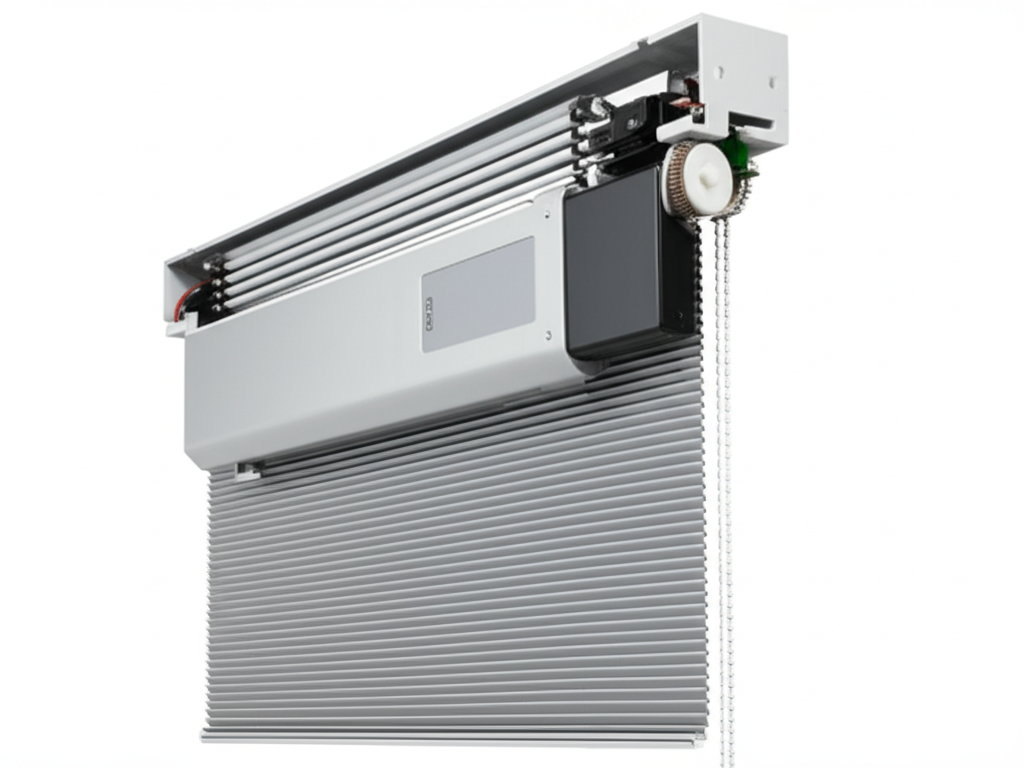
How Do Motorized Blinds Work? Unveiling the Technology Behind Automated Window Treatments
Meta description: Discover the mechanism behind motorized blinds. We break down the motor, laminations, power sources, controls, and smart home integration so engineers, designers, and procurement teams can make confident decisions about automated window treatments.
If you design products or manage procurement, you carry a simple but unforgiving mandate. Deliver quiet, reliable, energy-efficient motion in a slender package that installs easily, integrates cleanly, and lasts for years. Motorized blinds look simple to the end user. Behind the scenes they hide a compact electromechanical system that uses carefully engineered motors, precisely built core laminations, robust control electronics, and tuned software. Your risk sits in the details. Choose the wrong motor topology or lamination thickness and you inherit noise, heat, or poor battery life. That is why understanding how motorized blinds work is not just interesting. It is critical to making good design and sourcing choices.
This guide follows a Problem–Explain–Guide–Empower approach. We start with the core engineering problem. Then we explain the physical principles and components. Next we guide you through material and manufacturing options that affect performance and cost. Finally we give you clear next steps so you can design and buy with confidence.
In This Article
- The engineering problem behind motorized blinds
- Motorized blind fundamentals: motors, mechanics, and controls
- The core mechanism: laminations, magnetic losses, and why they matter
- Powering options: battery, solar, low voltage DC, and line voltage AC
- Control and connectivity: remotes, wall switches, hubs, apps, and voice
- Materials and manufacturing for motor cores
- Assembly processes and their impact on reliability and noise
- Best-fit choices by application and blind type
- Reliability, safety, maintenance, and data privacy
- Benefits summary and your engineering takeaways
The Engineering Problem Behind Motorized Blinds: Quiet, Reliable Motion in a Slim Package
Let’s name the challenge. You need a motorized shade that:
- Fits into a tight headrail or a compact roller tube.
- Lifts real loads with acceptable torque margin without overheating.
- Runs quietly so it does not announce itself when it moves.
- Sips power so batteries last months if not a year or more. Or runs happily on low-voltage DC without EMI headaches.
- Uses electronics and firmware that accept RF commands, integrates with Wi‑Fi, Zigbee, or Z‑Wave networks, and supports voice assistants like Amazon Alexa, Google Assistant, or Apple HomeKit.
- Starts and stops at the right spots every time. No drifting. No fabric damage.
- Passes safety expectations for cordless designs that protect children and pets.
- Installs easily in residential or commercial spaces with predictable cost.
This is a system problem. You balance mechanical loads, motor selection, core material, lamination thickness, control strategy, and power budget. You also satisfy user expectations around app control, schedules, and scenes. The good news is that the underlying technology is straightforward once you see how the pieces fit.
Motorized Blind Fundamentals: What’s Really Going On?
Under the fabric and fascia you will find three building blocks: a motor and drivetrain, a power source, and a control system. Each block offers choices that define cost, performance, and integration.
The Motor: The Heart of the System
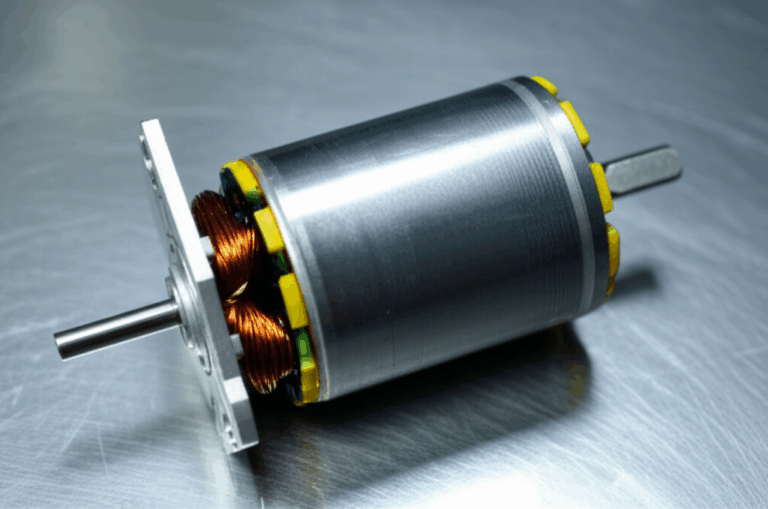
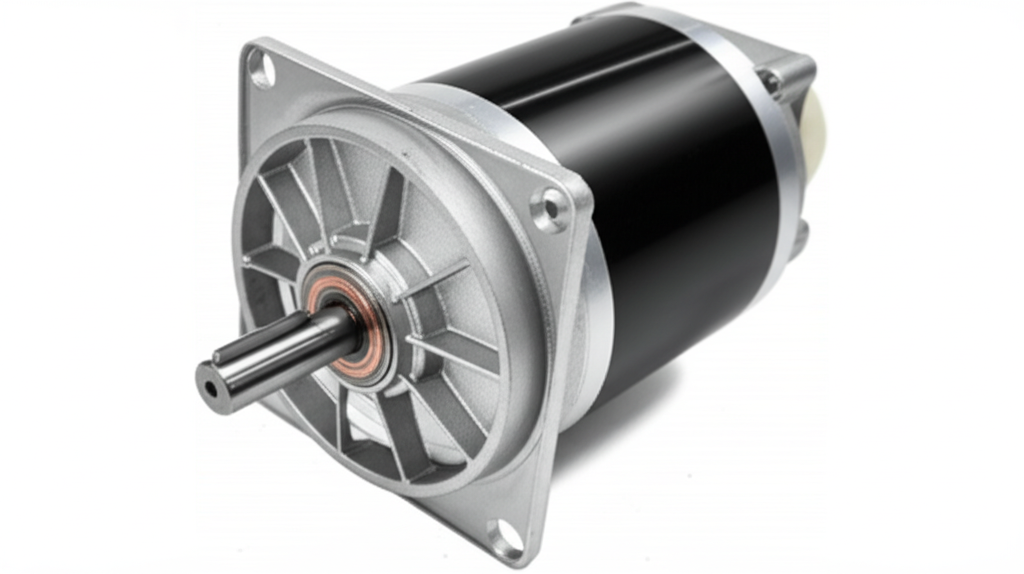
Most motorized blinds use compact tubular motors inside a roller tube or headrail. The motor couples to a drive shaft or roller mechanism that lifts, lowers, or tilts slats.
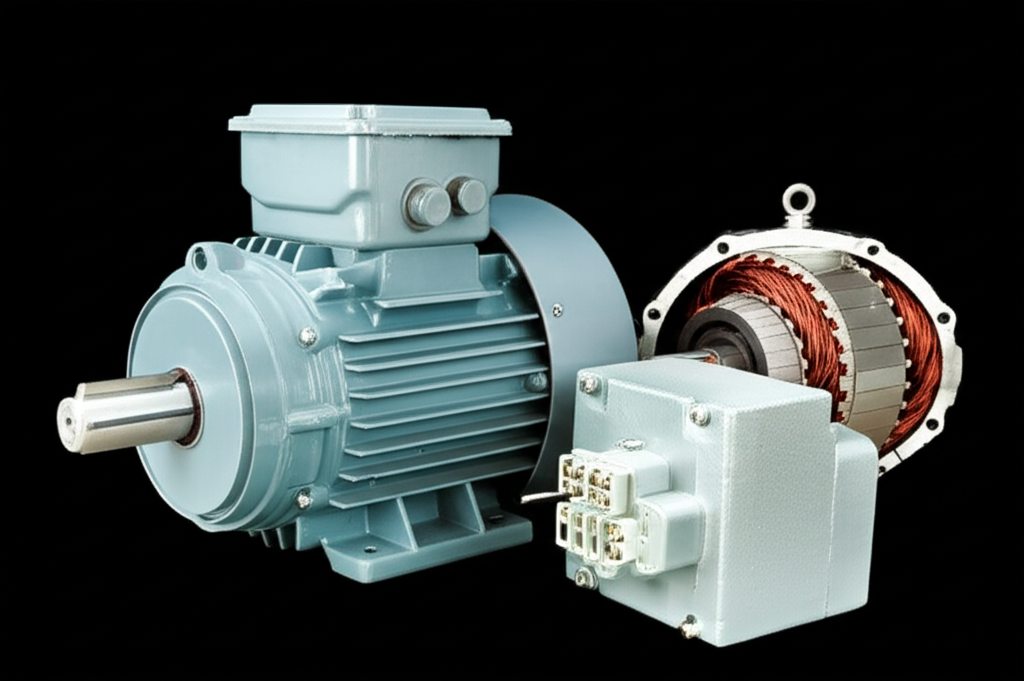
- Tubular motors: These live inside the roller for roller shades, blackout shades, and many sheer or dual shades. The motor’s stator and rotor create torque that rotates the tube directly through an integrated gearbox if needed.
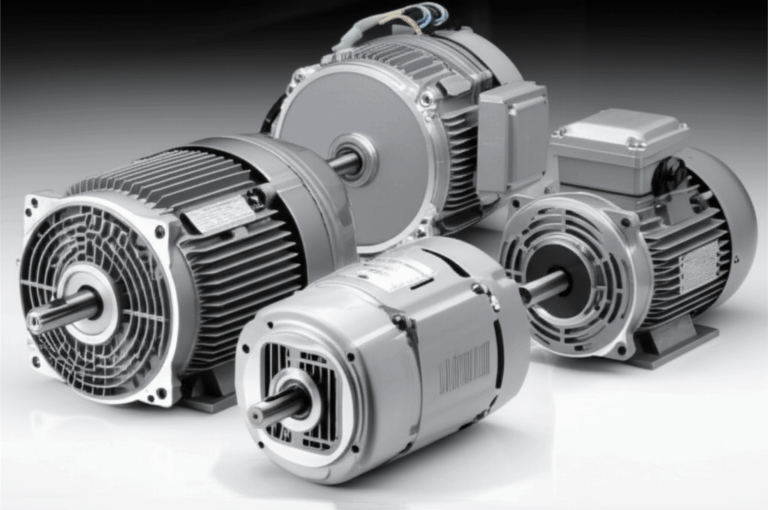
- DC motors vs AC motors: Battery-powered blinds use low-voltage DC motors because they run efficiently at lower power and integrate easily with electronics. Large or heavy window coverings sometimes use AC motors at line voltage for higher power and continuous duty in commercial projects.
- Torque and power: Torque must exceed the worst-case load with margin. A roller shade’s load depends on fabric weight, tube diameter, and friction. Venetian or horizontal blinds add tilt torque for slats plus lift torque for slat stack weight. Oversize or skylight blinds raise the game because gravity and friction change with orientation.
Inside that motor, laminated steel cores matter more than most realize. We will dig into laminations next because they directly affect efficiency, heat, and noise.
Drive Shaft and Lift System
The motor’s rotation turns a drive shaft that either:
- Spools lift cords or tapes for cellular and Roman blinds.
- Rotates a roller tube for roller shades and many blackout or sheer shades.
- Drives a tilt mechanism for venetian and horizontal blinds so slats rotate for light control.
- Traverses carriers and rotates vanes for vertical blinds through a belt or worm gear.
Gearboxes reduce speed and increase torque for heavy loads. Good gear selection minimizes noise and backlash. The result feels intentional not jittery.
Limit Switches: Precision and Protection
Limit switches or electronic limit sensing tell the motor where “top” and “bottom” live. During install you calibrate these limits so the motor:
- Stops before ramming into the headrail.
- Holds repeatable intermediate positions like 30% or 70% open.
- Protects the fabric and lift cords from overstress.
Modern systems store limits in the control board or PCB. Some add soft-start and soft-stop profiles that reduce mechanical shock and noise.
The Core Mechanism: Laminations, Magnetic Losses, and Why They Matter
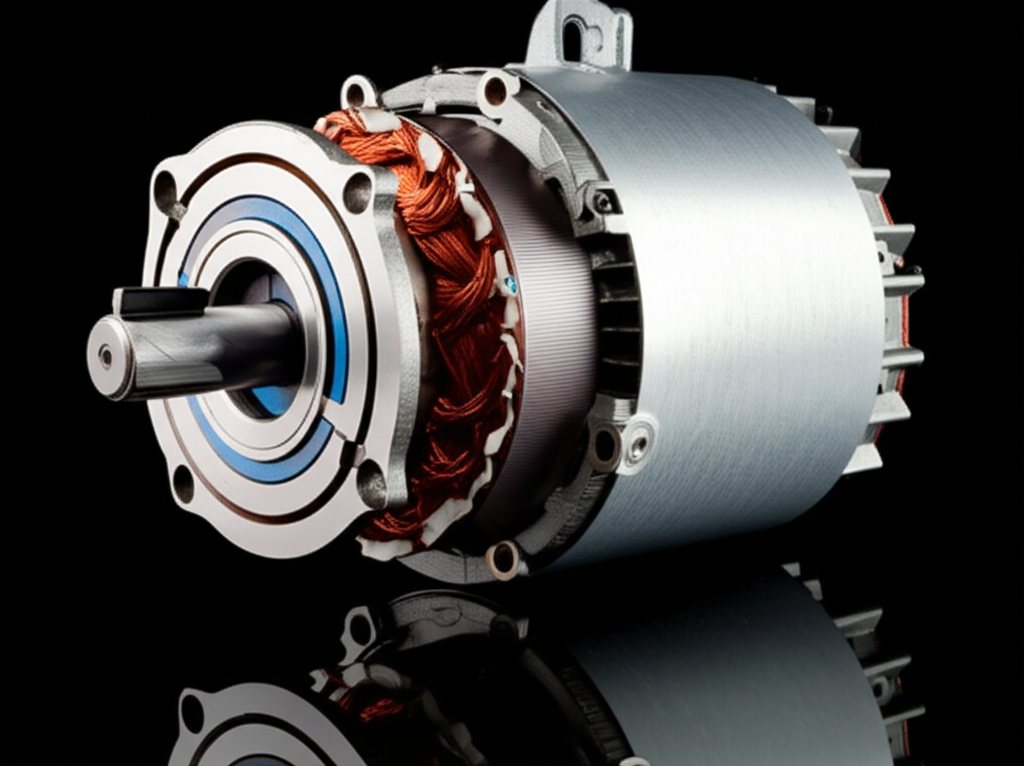
If you care about battery life, thermal rise, and acoustics, you must care about motor laminations. That is because magnetic core losses become heat and heat cuts efficiency, shortens battery life, and can increase audible noise.
Here is the simple physics.
- Eddy currents: Picture small whirlpools in a river. A changing magnetic field induces circulating electrical currents in solid steel. Those “whirlpools” waste energy as heat. Thin, insulated laminations break up large loops into small ones. You get fewer losses and cooler motors.
- Hysteresis loss: When you magnetize and demagnetize a material every cycle, the material resists switching. This resistance forms a loop on the B‑H curve. The area inside that loop is lost energy. Materials with low coercivity, which is a material’s resistance to demagnetization, reduce hysteresis.
- Frequency: Motor switching frequency and electrical commutation drive losses. Brushless DC (BLDC) motors switch stator phases at kHz-range electrical frequencies. Thinner laminations help at higher frequencies.
Think of magnetic permeability like a sponge soaking up field lines. You want high permeability to channel magnetic flux across the stator teeth and rotor poles with minimal reluctance. You also want the sponge to resist creating heat from the flow. That is the tradeoff engineers tune with steel grade and thickness.
- Lamination thickness: Common thicknesses in small motors range from 0.35 mm down to 0.2 mm or less for higher frequency operation. Thinner laminations typically reduce eddy current loss but cost more and can bend more easily during stamping.
- Steel selection: Non-oriented silicon steels (CRNGO) suit rotating machinery because they perform consistently in all directions. Grain-oriented steels (CRGO) target transformers and do best in one direction of flux which does not fit rotary motors. Specialty cobalt alloys can boost saturation flux density and power density at higher cost.
For deeper background on core supply and geometry you can explore these resources:
- See how custom stacks are formed and sourced in motor core laminations.
- Drill into the role of the stationary portion in stator core lamination.
- Review rotor options and skewing practices in rotor core lamination.
- Compare base materials and insulation coatings in electrical steel laminations.
Powering Your Motorized Blinds: Options for Every Home
The power choice sets installation effort, maintenance, and sometimes motor choice.
Battery-Powered Motorized Blinds
Battery-powered blinds shine for retrofits and existing homes.
- Convenience: No wiring and fast installation with standard brackets.
- Battery types: AA or D‑cell alkaline packs remain common. Rechargeable lithium‑ion battery packs are rising because they deliver stable voltage and easy USB charging.
- Charging: Some systems allow manual pack swaps. Others use plug‑in chargers. Solar panel chargers mounted near the window can trickle charge the pack which extends battery life and reduces service calls.
- Battery life: It depends on motor efficiency, duty cycle, fabric weight, and radio usage. Smart scheduling and group moves can reduce wake-ups and extend life.
- Safety and maintenance: Lithium‑ion packs need proper chargers and thermal protection in the control board.
Hardwired Motorized Blinds (Low Voltage DC and Line Voltage AC)
Hardwiring creates a robust backbone for larger or integrated projects.
- Low voltage DC: 12 V or 24 V systems run safely and integrate with smart hubs and control systems easily. Low-voltage wiring simplifies inspections and can be pulled by low-voltage contractors.
- Line voltage AC: You get higher power reserves for very large roller blinds or heavy drapery tracks. Plan for professional installation and consider dedicated circuits for commercial banks of windows.
- Reliability: Wired systems avoid battery swaps and support continuous operation in busy spaces like lobbies or hospitality suites.
- Installation window: Plan hardwiring during construction or major renovation. Retrofits work but add wall fishing and patching.
Control and Connectivity: Remotes, Wall Switches, Hubs, Apps, and Voice
Control strategies evolve from simple RF remotes to full smart home integration.
Traditional Remote Controls
- Single- vs multi-channel remotes: Single-channel controls one blind or one group. Multi-channel remotes select groups across zones like east-facing windows or conference rooms.
- RF technology: 433 MHz or 2.4 GHz RF remotes send commands to a receiver module in the headrail. RF does not require line of sight so remotes work around corners or through light obstructions.
Wall Switches and Keypads
- Convenience: Fixed control points help guests or staff use shades without hunting for a remote.
- Wired vs wireless: Battery-powered keypads pair via RF or Bluetooth. Wired keypads tie into low-voltage control buses in commercial systems.
Smartphone Apps and Smart Hubs
- Connectivity: Wi‑Fi brings shades directly onto the home network. Zigbee and Z‑Wave act as mesh networks with low power and strong reliability. Bluetooth can work for direct phone-to-shade links in small setups.
- Functionality: Apps group blinds, set schedules, define scenes, and adjust precise positions. You can set a 37% open angle for a cellular shade or a 15-degree tilt for venetian slats.
- Hubs: A hub or gateway bridges blinds to the broader smart home system. It links shades to occupancy sensors, weather feeds, and lighting controls.
Voice Control Integration
Hands-free operation through Amazon Alexa, Google Assistant, or Apple HomeKit removes friction. “Hey Google, close the blackout shades” fits both accessibility and convenience. Scenes can coordinate HVAC setback with shade closure at sunset.
Sensors and Automation
- Light sensors: Adjust blinds to limit glare yet preserve daylight. Automations can target foot-candle thresholds for offices or comfort thresholds for living rooms.
- Temperature sensors: Optimize insulation by closing cellular shades on winter nights and opening in sunny winter days. Automated control realizes more of the Department of Energy’s reported heating and cooling savings.
- Timers and schedules: Simple to set and powerful in practice. Create weekday and weekend profiles or seasonal programs.
Materials and Manufacturing for Motor Cores: Your Options Explained
Now let’s guide you through the choices that shape motor efficiency and cost, especially inside compact tubular motors for shades.
Material Considerations
- Non-Oriented Silicon Steel (CRNGO): The default for rotating machinery. It offers balanced performance across directions which suits stator teeth and rotor poles in BLDC or PMDC motors. Pros include availability, cost-effectiveness, and solid loss performance at low to mid frequencies. Cons include higher loss than specialty alloys at very high frequency.
- Grain-Oriented Silicon Steel (CRGO): Optimized for one flux direction so it dominates transformer cores. It rarely fits rotating motors for blinds because torque production involves changing flux directions as the rotor turns.
- Cobalt-Iron Alloys: High saturation flux density and low loss at higher frequencies. They enable high power density in aerospace or servo motors. Pros include excellent efficiency and torque density. Cons include high cost and more demanding stamping plus supply considerations.
- Lamination thickness: Typical values run 0.35 mm, 0.3 mm, 0.27 mm, down to 0.2 mm for higher frequency BLDC operation. Thinner laminations reduce eddy current loss but raise part cost and can challenge stamping dies and handling because of increased flexibility.
- Insulation coatings: Each lamination carries an oxide or organic coating to electrically isolate adjacent sheets. Coatings define interlaminar resistance, punchability, stacking behavior, and bonding adhesion. UL temperature class matters if your duty cycle pushes heat.
Manufacturing and Assembly Processes
Form factor drives process choice. Blind motors favor compact diameters and long stacks, so consistent tooth geometry and low burrs pay dividends.
- Stamping vs Laser Cutting:
- Stamping: The go-to for high-volume production. You get speed and cost efficiency once tooling is in place. Control burr height and die wear because burrs can bridge laminations and increase eddy currents.
- Laser Cutting: Ideal for prototypes and low-volume builds with complex geometries. It avoids tool lead time and allows rapid iteration. Watch for heat-affected zones that can alter magnetic properties if not controlled.
- Bonding vs Interlocking vs Riveting:
- Bonding: Adhesive or resin bonding creates rigid stacks without localized deformation from welds or rivets. It improves acoustics and reduces fretting noise in vibration.
- Interlocking: Mechanical tabs fold like LEGO bricks. This avoids heat and supports high throughput. It can leave small air gaps if not controlled.
- Riveting or Welding: Strong but can introduce stress or heat that hurts magnetic performance. Use carefully for small motors where every loss counts.
- Skewing and Noise:
- Skewed rotor or stator slots reduce cogging torque which lowers audible noise and improves low-speed smoothness. Skew increases axial length slightly and complicates stacking, so weigh it against tight headrail space.
- Post-Processing:
- Annealing relieves stresses introduced by stamping. It can recover magnetic properties and reduce loss. Match coating to any oven process so insulation remains intact.
- Stack compression: Uniform compression improves mechanical stability and reduces rattles. Over-compression can deform teeth and raise iron loss.
Power Electronics, Control Boards, and RF Receivers
The control board or PCB sits near the motor. It decides when and how to energize phases, listens to RF commands, and enforces safety.
- Receiver module: RF, Zigbee, Z‑Wave, Bluetooth, or Wi‑Fi radios receive commands. Some systems use a dedicated hub that converts IP traffic to a private RF protocol for range and reliability.
- Control algorithms: In BLDC motors, field-oriented control or simple six-step commutation energizes phases based on rotor position. Some motors use Hall sensors. Others use sensorless techniques that infer position from back-EMF.
- Current and voltage: Amperage limits protect the motor. Voltage limits protect the battery pack and electronics. Torque scales with current so the control board enforces current caps to prevent stall damage.
- Limit switch interface: Either physical limit switches or software counters establish top and bottom stops. Calibration routines store limit settings after install.
Best-Fit Choices by Application and Blind Type
You can now map motor and system choices to specific blind types and use cases.
- Roller blinds and blackout shades: Tubular DC motors with integrated gearboxes work well. Battery-powered for residential retrofits. Low-voltage DC wired for larger commercial rollers that run on schedules. Quiet operation benefits from skewed slot designs and resin-bonded stacks.
- Cellular or honeycomb blinds: Lift cords route over pulleys with modest torque. Battery-powered DC motors keep the headrail slim and light. The pleated fabric folds stack neatly which allows smaller torque margins.
- Roman blinds: Fabric stacks require careful limit control to preserve folds. Choose gentle acceleration and deceleration. Battery or low-voltage DC both fit.
- Venetian and horizontal blinds: These need tilt and lift motorization. Some designs use dual motors for independent tilt and lift. Torque demands spike when slats are covered in dust or when cords rub. Gear selection and limit calibration matter.
- Vertical blinds: Traversing carriers and rotating vanes push toward higher torque which favors low-voltage DC wired in larger installations.
- Drapery and curtain track systems: Curtain motors use belt drives in tracks. Heavier fabric means higher torque. AC motors appear in hotels and hospitality where duty cycles run high.
- Skylight blinds and outdoor blinds: Gravity and orientation change friction. Plan higher torque and hardened electronics. Consider line voltage AC or robust low-voltage DC with UV-rated cabling for outdoor runs.
- Large windows and commercial banks: Hardwired power with centralized hubs. Z‑Wave or Zigbee mesh for reliability in dense RF environments. Integration with building management systems and occupancy sensors drives energy savings.
Reliability, Safety, Maintenance, and Data Privacy
You can hit performance targets yet still miss user expectations if reliability or privacy wobbles. Bake these into the design brief.
- Reliability and lifespan: Reputable motors are tested for 15,000 cycles or more which covers many years of daily use. Lower iron losses from well-selected laminations keep temperatures down which extends bearing and electronics life.
- Noise levels: “Quiet” is not an accident. It comes from lower cogging, skewed laminations, rigid stacks, quality gears, and tuned control profiles. Battery-powered DC motors can be very quiet because they switch smoothly.
- Safety features:
- Cordless operation eliminates cord entanglement hazards and supports WCMA safety standards for child and pet safety.
- Torque and current limits detect obstructions and stop the motor to protect fingers and fabric.
- Manual override mechanisms allow you to move blinds in a power outage for critical windows.
- Maintenance:
- Battery packs need periodic charging unless solar trickle charging is present.
- Inspect brackets and drive adapters annually in busy commercial spaces.
- Firmware updates through apps or hubs can improve features and security.
- Data privacy and smart blinds security:
- Choose vendors with clear data policies and strong encryption on Wi‑Fi or IP links.
- Prefer local-control options via Zigbee or Z‑Wave if you want minimal cloud exposure.
- Segment IoT devices on a dedicated network in commercial deployments.
Benefits That Flow From Good Engineering
When the system is dialed in you get more than convenience.
- Convenience and lifestyle: Effortless adjustment through remotes, wall switches, or voice. Schedules open shades in the morning and lower them at sunset.
- Energy efficiency: The U.S. Department of Energy reports large reductions in heat gain in summer and heat loss in winter with the right window coverings. Automation with sensors can capture more of these savings by reacting in real time.
- Privacy and security: Timed routines create an occupied look when you travel. Blackout motorized blinds protect privacy without daily fiddling.
- Accessibility: Motorized shades improve independence for seniors and people with mobility challenges. Voice control and app control unlock hard-to-reach windows.
- Property value: Buyers see integrated smart shades as a modern amenity.
Industry research also shows strong momentum. The global smart blinds and shades market grew at a double-digit CAGR through the late 2020s. Analysts forecast continued expansion as smart home adoption rises. Commercial buildings adopt faster because automated shading ties directly to energy management and occupant comfort.
Practical Choices: Remote Types, Protocols, and Hubs
Some quick guidance for connectivity decisions.
- RF remotes: Low friction and reliable in single rooms. Multi-channel remotes manage zones and scenes without a phone.
- Wi‑Fi: Easy onboarding through apps and direct cloud control. Watch for crowded networks in dense buildings.
- Zigbee: Strong mesh networking and low power. It pairs well with lighting systems and supports large commercial deployments.
- Z‑Wave: Solid range and interoperability in residential settings with many hubs available.
- Bluetooth: Handy for setup and local control. Less ideal for whole-home scheduling unless bridged through a hub.
- Hubs: Use a hub when you need multi-room coordination, scenes tied to lighting and HVAC, or voice assistants. Hubs also simplify future expansion.
Cost and Value: Balancing the Bill of Materials With Lifetime Performance
Budget pressure never sleeps. Here is how teams typically balance cost and value.
- Motor and lamination choices: Thinner laminations and premium alloys raise unit cost but reduce losses and heat which can extend battery life and enable smaller packs. That savings can offset material cost in battery-powered lines.
- Manufacturing processes: Stamping wins at volume. Laser cutting accelerates prototyping and short runs. Bonding and skewing reduce noise which can justify premium placement in living areas and hospitality.
- Power strategy: Battery packs reduce install cost and speed up retrofit jobs. Low-voltage wired systems shine in new builds where you can pull cable cheaply.
- Controls: RF-only setups trim cost. Hubs and app ecosystems add capability and integration value. Match features to buyer expectations.
Calibration, Programming, and Everyday Operation
- Programming motorized blinds:
- Set top and bottom limits during install. Many apps guide you through calibration.
- Define groups and scenes for rooms, orientations, or energy goals.
- Schedules and timers:
- Create weekday and weekend schedules. Tie opening times to sunrise for circadian lighting support.
- Manual override:
- In case of power loss, use manual release or a built-in clutch on some models to move the blind.
Types of Motorized Blinds and How They Operate
- Roller blinds: A tubular motor rotates the roller for simple up and down motion. Blackout or sheer fabrics behave the same mechanically.
- Cellular or honeycomb blinds: Lift cords wrap on spools driven by the motor. The pleated fabric folds stack compactly.
- Roman blinds: The motor lifts cords so fabric panels stack. Soft start and stop protect fabric alignment.
- Venetian or horizontal blinds: Motors tilt slats via a tilt rod and can lift the entire stack. Some systems use dual motors for independent tilt and lift.
- Vertical blinds: The motor traverses carriers along a track and rotates vanes using a belt or worm gear.
- Drapery tracks: Motors pull carriers with a belt along a track. Wider loads and higher friction demand more torque.
When to Use Retrofit Kits vs Custom Motorization
- Retrofit motorized blind kits:
- Best for existing rollers with compatible tube diameters.
- Keep costs low and installation fast.
- Limited in torque and sometimes noise tuning.
- Custom motorized designs:
- Tailored torque and noise profile for premium lines or large windows.
- Optimized lamination stacks, rotor skew, and adhesives.
- Better integration with Zigbee, Z‑Wave, or proprietary RF plus advanced apps.
Sourcing Considerations for Engineers and Procurement
Bring these into your RFQ and design specs.
- Performance specs:
- Required torque and speed with margin.
- Duty cycle and thermal rise limits.
- Noise targets in dBA at specified distance and motion profile.
- Electrical specs:
- Voltage and current limits for battery or DC supply.
- Motor type and commutation method. Hall sensors vs sensorless.
- EMI and ESD requirements for residential and commercial environments.
- Materials:
- Lamination grade, thickness, and insulation coating class.
- Stack height tolerance and burr limits.
- Skew angle if used.
- Controls:
- Protocols supported: RF, Wi‑Fi, Zigbee, Z‑Wave, Bluetooth.
- App features, schedules, scenes, group control.
- Voice assistant integrations and hub compatibility.
- Compliance and safety:
- WCMA safety guidelines for cordless designs.
- UL or CE markings as required.
- Battery safety and transport compliance.
- Documentation and support:
- Installation guides and wiring diagrams.
- Firmware update policies.
- Warranty terms and replacement part availability.
Evidence and Benchmarks You Can Trust
A few data points will help frame expectations without hype.
- Market growth: Analysts reported an 11%+ CAGR for smart blinds and shades through the late 2020s with market sizes projected in the billion-dollar range. Growth tracks smart home adoption and convenience demand.
- Energy efficiency: The U.S. Department of Energy documents significant reductions in heat gain and loss with proper window coverings. Automated control boosts real-world savings by reacting to sun and weather.
- User satisfaction: Large manufacturers have reported high satisfaction for accessibility and convenience especially for hard-to-reach windows.
- Reliability and lifespan: Quality motors often meet 15,000-cycle testing which equates to many years of typical daily use.
Note: Always validate claims against current manufacturer data sheets and project-specific duty cycles.
The Bottom Line on Laminations in Motorized Blinds
You can select a clever hub and write a slick app. If your motor core wastes energy as heat you still miss the mark. The lamination stack determines iron losses, thermal rise, and a chunk of your acoustic signature.
- Thinner laminations and well-chosen silicon steel reduce eddy currents and hysteresis.
- Clean stamping with low burrs prevents interlaminar shorts.
- Bonding or interlocking delivers rigid stacks that stay quiet.
- Skewed laminations reduce cogging and audible judder at low speeds.
These details help battery-powered blinds run longer between charges and help wired systems run cooler. That is money in the bank for both homeowners and facility managers.
Your Engineering Takeaway and Next Steps
Here is the short version you can take to your design review.
- Define the load precisely. Include fabric weight, tube diameter, friction, and orientation.
- Select a motor type and lamination strategy that fits your electrical frequency and duty cycle. Thinner laminations typically improve efficiency at higher switching frequencies.
- Choose battery vs low-voltage DC vs line voltage AC based on install constraints and torque needs.
- Pick a control stack that matches the project scope. RF for simple rooms. Zigbee or Z‑Wave with a hub for whole-home or commercial mesh. Wi‑Fi for direct app control with cloud features.
- Calibrate limits carefully. Soft start and stop profiles reduce noise and extend fabric life.
- Specify child and pet safety through cordless operation and obstruction detection.
- Address privacy and security early. Favor encrypted protocols and plan network segmentation where appropriate.
- For procurement, include lamination grade, thickness, coating class, and stack assembly method in RFQs. Do not leave core details as an afterthought.
If you are evaluating a new motor platform or planning a scalable product line and you want a deeper dive into core stack design and supply best practices, review the fundamentals of motor core laminations along with the roles of stator core lamination and rotor core lamination. For material comparisons and insulation options start with an overview of electrical steel laminations. Those resources will help you frame a clear specification and kick off productive conversations with suppliers.
Final thought. Motorized blinds may look like simple window dressings. In reality they are small electromechanical systems that reward thoughtful engineering. When you get the motor, laminations, power, and control right the rest falls into place. Your users press a button or say a word and the blinds just glide. That is what we are after.