How Fast Do Trolling Motors Go? Understanding Speed, Thrust, and Performance
Table of Contents
- Introduction: The Real Deal on Trolling Motor Speed
- What Is the Average Trolling Motor Speed?
- What Determines Trolling Motor Speed?
- Thrust vs Speed: How Much Faster Do You Get?
- Boat Size and Weight: Why Heavy Boats Go Slower
- Battery Voltage and Type: 12V vs 24V vs 36V
- Propellers and Weed Guards: The Blade’s Edge
- Hull, Drag, Wind, and Current: Nature Rules Speed
- GPS, Controls, and Real-World Speed
- Speed by Boat Type: Kayak, Jon Boat, Bass Boat, Pontoon
- Speed for Fishing: Crappie, Walleye, Bass, Salmon, Musky
- How Fast Are 30, 55, 70, and 100 lb Thrust Motors?
- Can a Trolling Motor Replace an Outboard or Get on Plane?
- How to Increase Trolling Motor Speed the Smart Way
- Troubleshooting: Why Is My Trolling Motor So Slow?
- How to Measure Speed: GPS, Knots, and Charts
- Battery Drain, Amp Draw, and Run Time at Full Speed
- Quick Answers to Common Speed Questions
- Data Table: Trolling Motor Speed and Performance
- Conclusion and Key Takeaways
- References
You want the truth in plain words. Most trolling motors go about 2 to 5 mph. That is 1.7 to 4.3 knots. They are built for control and quiet moves. Not for racing. In this guide I show you what sets speed. I also show you how to get the best speed for your boat and your fishing.
Problem: You want to go faster with your trolling motor.
Agitate: Wind pushes you. Current drags you. Your battery runs out fast at top speed.
Solution: Match the right thrust to your boat. Use the right prop. Keep the hull and system clean. Pick the right battery and voltage. Use GPS speed control when you can. You will not break 6 mph. You will get steady speed that catches fish.
What Is the Average Trolling Motor Speed?
Most motors hit an average trolling motor speed of 2 to 5 mph. You see 2 to 3 mph on small boats. You see 3 to 4.5 mph on bigger motors with 70 to 112 lb thrust. Some setups touch 5 mph on smooth water.
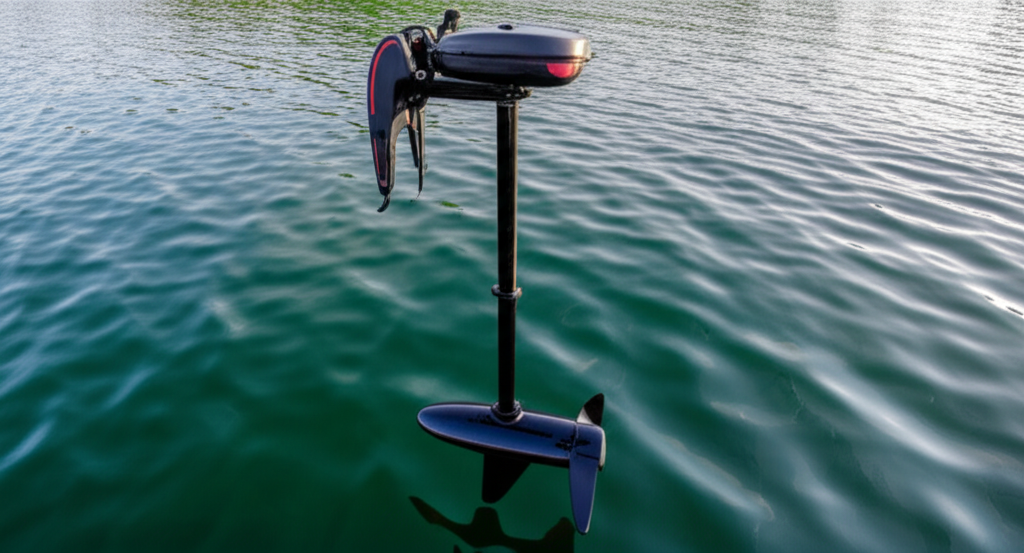
Trolling motor top speed depends on your boat and setup. Compare it to an outboard and you miss the point. An outboard is for primary propulsion and speed. A trolling motor is for control, slow trolling, and stealth near fish.
What Determines Trolling Motor Speed?
Speed comes from many parts that work together. Let’s list what determines trolling motor speed in simple terms.
- Thrust rating in pounds of thrust. More thrust pushes more water.
- Boat size and weight. More mass means more drag so less speed.
- Battery voltage and capacity. 24V and 36V give more power than 12V.
- Propeller design. Pitch and blade count set thrust and efficiency.
- Hull shape and cleanliness. A clean hull glides. A fouled hull slows down.
- Wind and current. Nature helps or hurts your mph.
- Controls and GPS. Good speed control keeps you on a set pace.
I look at each part below with tips you can use today.
Thrust vs Speed: How Much Faster Do You Get?
Thrust gives push. Speed is the result after the boat and water fight back. You get more control with more thrust. You get some more speed too. Yet the gain in speed is small once you hit the 3 to 5 mph range.
Here is the key idea. Water drag rises fast as speed rises. So you see diminishing returns. You might go from 3.2 mph to 3.6 mph when you jump from 55 lb thrust to 80 lb thrust on the same boat. In strong wind and current you feel a big win in control though.
A good rule of thumb is 2 lbs of thrust for every 100 lbs of fully loaded boat weight. Go to 3 lbs per 100 lbs if you fish in strong wind or fast current. This helps you hold speed and heading.
Boat Size and Weight: Why Heavy Boats Go Slower
Boat length and width change drag. Loaded weight moves the needle most. Add passengers and gear and your speed drops. A jon boat with a flat bottom slips along with low drag. A deep V fiberglass boat tracks well yet has more drag.
Displacement vs planing hulls also matters. Planing hulls need high speed to rise and skim on top. A trolling motor cannot get you there. So a planing hull stays in displacement mode at 2 to 5 mph. That is fine for trolling.
Battery Voltage and Type: 12V vs 24V vs 36V
Voltage adds punch. A 12V trolling motor speed feels fine on a kayak or small jon boat. A 24V trolling motor speed feels better on medium boats. A 36V trolling motor speed holds up on big bass boats and pontoons. Voltage does not make the motor exceed its design speed by itself. It lets the motor reach and hold its top setting with less strain.
Capacity in amp hours keeps you running. Battery capacity and battery life matter for how long you can hold speed. Capacity does not lift the top mph by itself. Battery type can change how well you hold speed near the end of the day though. Many anglers see better trolling motor speed with lithium battery packs since voltage sags less under load. Lead-acid works well and costs less. Trolling motor speed with lead-acid battery may fade sooner at high draw. Both work if sized right.
Propellers and Weed Guards: The Blade’s Edge
Propeller pitch and blade count shape thrust and speed. A power prop can add a bit of top end on clean water. A weedless wedge prop sheds grass and pads and keeps you moving. That weedless edge can shave a tiny bit of top speed vs a power prop. In real fishing a clean spin beats a choked prop every time.
Propeller impact on trolling motor speed shows up fast in thick weeds. The right prop keeps your speed control steady. Keep a spare prop and pin on hand.
Hull, Drag, Wind, and Current: Nature Rules Speed
Hull design and drag matter a lot. A flat bottom jon boat tends to go a bit faster than a deep V hull at the same thrust and weight. Pontoons ride stable yet push more water. Keep your hull clean. A fouled hull costs speed and range.
Wind strength and direction change your day. A head wind can cut your mph in half. A tail wind gives you a nice bump. Water current speed and direction act the same way. Trolling motor speed vs current tells you if you can hold a line on a river. If you fish rivers often you may want more thrust than the rule of thumb.
GPS, Controls, and Real-World Speed
GPS speed for trolling motor use gives you a clear read on how fast you go. Modern motors like Minn Kota Ultrex and Terrova and Riptide models or MotorGuide Xi3 and Xi5 and Garmin Force and Lowrance Ghost add smart speed control. Spot-Lock holds you. Cruise control modes help you keep a set mph. Actual trolling motor speed feels steadier with GPS tools.
Hand control and foot control and remote control trolling motor speed options all work. Pick the control that fits your boat and your style. Foot control frees your hands for a cast. Remotes shine on pontoons and kayaks.
Speed by Boat Type: Kayak, Jon Boat, Bass Boat, Pontoon
A trolling motor for kayak speed often sits in the 2 to 3 mph range with a 30 to 45 lb thrust motor. A trolling motor for jon boat speed hits about 2.5 to 3.5 mph with 45 to 55 lb thrust. A trolling motor for bass boat speed with 80 to 112 lb thrust can do 3.5 to 5 mph in good water. A trolling motor for pontoon speed sees 3 to 4.5 mph with 80 to 112 lb thrust if you size it right.
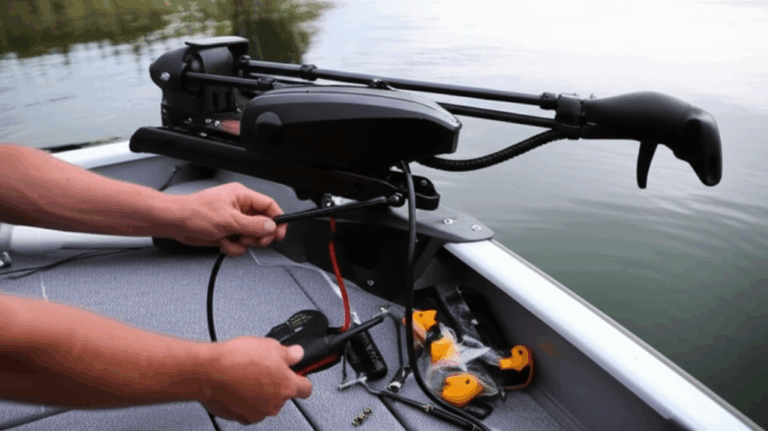
Bow mount motors tend to steer better and hold course. Transom mount motors are simple and light. How fast do bow mount trolling motors go? Similar top speeds to transom motors on the same boat yet better control in chop. How fast do transom mount trolling motors go? About 2 to 4 mph on small boats and 3 to 4.5 mph on mid boats.
Speed for Fishing: Crappie, Walleye, Bass, Salmon, Musky
Desired trolling speed for fishing depends on the fish. The average speed range for many styles is 0.5 to 2.5 mph. A slow crawl works for crappie and walleye. Bass like a mix. Salmon and musky may want faster sweeps or controlled drifts.
- Trolling motor speed for crappie: 0.5 to 1.2 mph.
- Trolling motor speed for walleye: 0.8 to 2.0 mph.
- Trolling motor speed for bass: 0.8 to 2.5 mph.
- Trolling motor speed for salmon: 1.8 to 3.0 mph with waves and current in play.
- Trolling motor speed for musky: 1.5 to 3.0 mph with sharp turns.
What is the best speed for trolling? The best speed is the one that keeps your bait in the strike zone. Test it on your lake. Watch your fish finder and depth finder and GPS. Adjust for wind and drag.
How Fast Are 30, 55, 70, and 100 lb Thrust Motors?
You asked. Here are simple ballpark answers based on typical boats and calm water.
- How fast can a 30 lb thrust trolling motor go? About 2 to 3 mph on a small kayak or canoe.
- How fast is 55 lb thrust trolling motor? About 3 to 4 mph on a light 14 to 16 ft boat.
- How fast can a 70 lb thrust trolling motor go? About 3.5 to 4.5 mph on a mid bass boat.
- How fast can a 100 lb thrust trolling motor go? About 4 to 5+ mph on a big bass boat or small pontoon.
Is a higher thrust trolling motor faster? Sometimes a little. It is more about holding speed against wind and current. Trolling motor speed vs thrust does not scale one to one.
Can a Trolling Motor Replace an Outboard or Get on Plane?
Can a trolling motor replace an outboard? No. A trolling motor serves for slow moves and precise control. An outboard motor serves as the main engine. You can cross a small lake with a trolling motor on a calm day. It will take time and it will drain the battery.
Can a trolling motor get you on plane? No. Planing needs much more power and prop pitch than a trolling motor can give.
How to Increase Trolling Motor Speed the Smart Way
You can speed up an electric trolling motor a bit if you do simple things right.
- Match thrust to boat size. Do not under power a heavy boat.
- Keep the hull and prop clean. Reduce drag and you gain mph.
- Pick the right prop. Use a power prop in clean water. Use a weedless prop in grass.
- Raise or lower the shaft to get the prop in clean water.
- Use a lithium battery if budget allows. It holds voltage better under load.
- Reduce weight. Take only the gear you need. Distribute weight evenly.
How to increase trolling motor speed also means managing expectations. The max speed trolling motor zone lives near 5 mph.
Troubleshooting: Why Is My Trolling Motor So Slow?
Why is my trolling motor so slow? Check the basics.
- Battery type and state. Charge level and age matter. Weak batteries sag under load.
- Cable and connections. Loose or corroded connectors raise resistance.
- Prop and shaft. Wrapped line or weeds cut speed.
- Weed guard or weedless wedge fit. A broken guard adds drag.
- Hull fouling. Algae and slime slow you down.
- Wind and current. You may be fighting nature.
Troubleshooting slow trolling motor issues starts with a visual check and a multimeter. Does battery type affect trolling motor speed? Yes in the sense that voltage drop under load changes output. Does weed guard affect trolling motor speed? A guard adds a little drag but helps in weeds so it may help overall speed in real conditions.
How to Measure Speed: GPS, Knots, and Charts
How to measure trolling motor speed? A phone GPS app works. Boat GPS units and fish finders show speed too. Trolling motor speed without GPS is tricky. A measured time over a known distance can work in a pinch.
You may want trolling motor speed in knots. To convert mph to knots for a trolling motor multiply mph by 0.869. For example 4 mph equals about 3.5 knots. Trolling motor speed in knots helps if you read marine charts.
A trolling motor speed chart or a trolling motor speed calculator helps set expectations. It is not exact since boats and water vary. Use charts as a guide then test on your boat.
Battery Drain, Amp Draw, and Run Time at Full Speed
How many amps does a trolling motor draw at top speed? That depends on thrust and brand. A 55 lb motor might draw 40 to 50 amps at max. A 100 to 112 lb motor might draw 50 to 60+ amps at max. Trolling motor battery drain at max speed is steep. Trolling motor running time at full speed can drop to 2 to 4 hours on a typical deep cycle battery.
Trolling motor speed and battery consumption go hand in hand. Slow down a bit and you get a longer day. Cruise at 50 to 70 percent and enjoy more hours on the water.
Quick Answers to Common Speed Questions
I get these questions a lot. Here are fast facts that help.
- What determines trolling motor speed? Thrust boat weight battery voltage prop design hull shape wind and current.
- Average trolling motor speed? About 2 to 5 mph.
- Fastest trolling motor? Some top-end 36V brushless units like Garmin Force and Lowrance Ghost and Minn Kota models may push past 5 mph on the right boat.
- Max speed trolling motor? Around 5 mph in real use and 5.5 mph in rare cases on light rigs.
- Is 5 mph fast for a trolling motor? Yes for a trolling motor that is near the top.
- What speed is considered slow trolling? Often 0.5 to 1.5 mph.
- Trolling motor speed vs boat size? Bigger and heavier boats go slower with the same thrust.
- Trolling motor efficiency and speed? Better props and clean power improve efficiency so speed holds steady.
- Trolling motor thrust to speed conversion? No exact formula. Use the rule of thumb for thrust to weight and test.
- Trolling motor speed equation? Drag rises with speed squared. More thrust gives small gains at the top.
- How much speed does each pound of thrust give? Not a fixed number. It depends on your boat and water.
- Understanding trolling motor thrust and speed? Think push vs drag. Balance them.
- Trolling motor speed vs current? Head current cuts speed. Tail current adds speed.
- Factors reducing trolling motor speed? Weight wind current fouling low voltage wrong prop.
- Trolling motor speed optimization? Match thrust to boat set the right prop keep gear light keep batteries healthy.
- Understanding trolling motor gears and speed? Many motors have 5 speed steps. Variable speed motors give finer control.
- Foot control trolling motor speed? Same top speed as hand or remote on the same motor. Control style does not change max mph.
- Advanced trolling motor speed features? GPS cruise control Spot-Lock and saved routes help you hold set speeds.
Data Table: Trolling Motor Speed and Performance
The table below sums up average ranges in calm water.
| Motor Thrust (lbs) | Typical Boat Type & Size Range | Average Speed Range (MPH) | Max Speed Potential (MPH) | Notes/Considerations |
|---|---|---|---|---|
| 30-45 lbs | Kayaks, Canoes, Small Jon Boats (under 14 ft, under 1000 lbs) | 2.0 – 3.0 | 3.5 | Ideal for small, light craft. Best for still waters. |
| 50-60 lbs | Medium Jon Boats, Small Bass Boats, Aluminum V-Hulls (14-16 ft, 1000-1800 lbs) | 2.5 – 3.5 | 4.0 | Good balance of power and efficiency. |
| 70-80 lbs | Larger Bass Boats, Bay Boats, Small Pontoons (16-20 ft, 1800-2500 lbs) | 3.0 – 4.0 | 4.5 | Better control in wind and current. |
| 100-112 lbs | Large Bass Boats, Medium Pontoons, Multi-species Boats (18-24 ft, 2500-3500+ lbs) | 3.5 – 4.5 | 5.0+ | High thrust for heavy boats. |
| GPS-Enabled Motors (e.g., Minn Kota Ultrex, Garmin Force) | All Boat Types | 2.0 – 5.0 | 5.0+ | GPS speed control improves accuracy and steady pace. |
Average trolling speed for fishing is 0.5 to 2.5 mph for most lures and live bait. Use GPS or a good fish finder to dial it in.
A Peek Inside: Why Motor Build Quality Matters
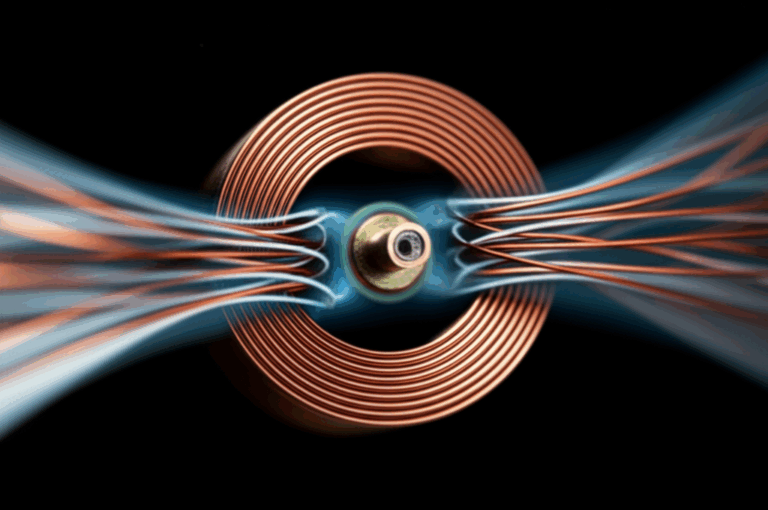
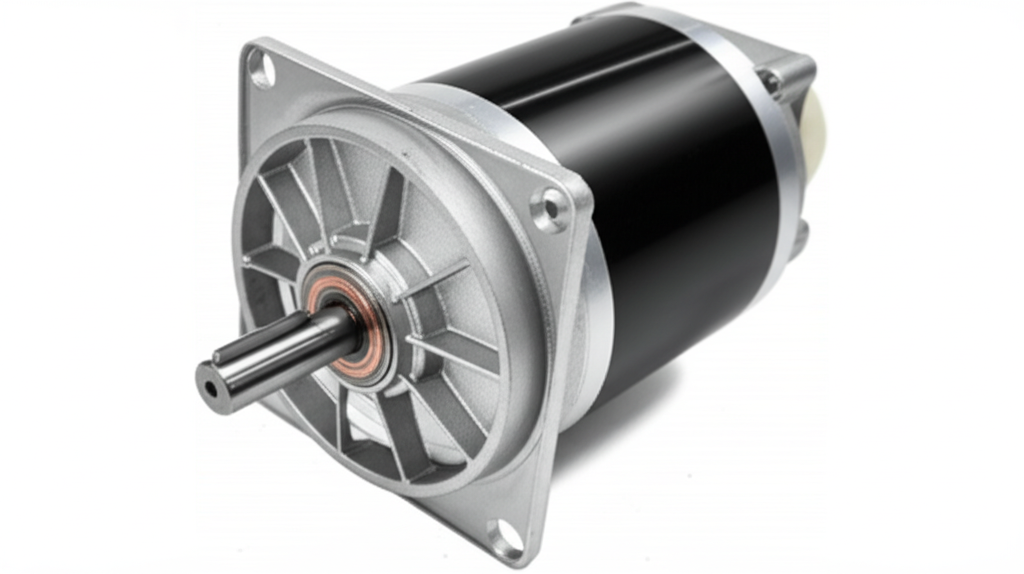
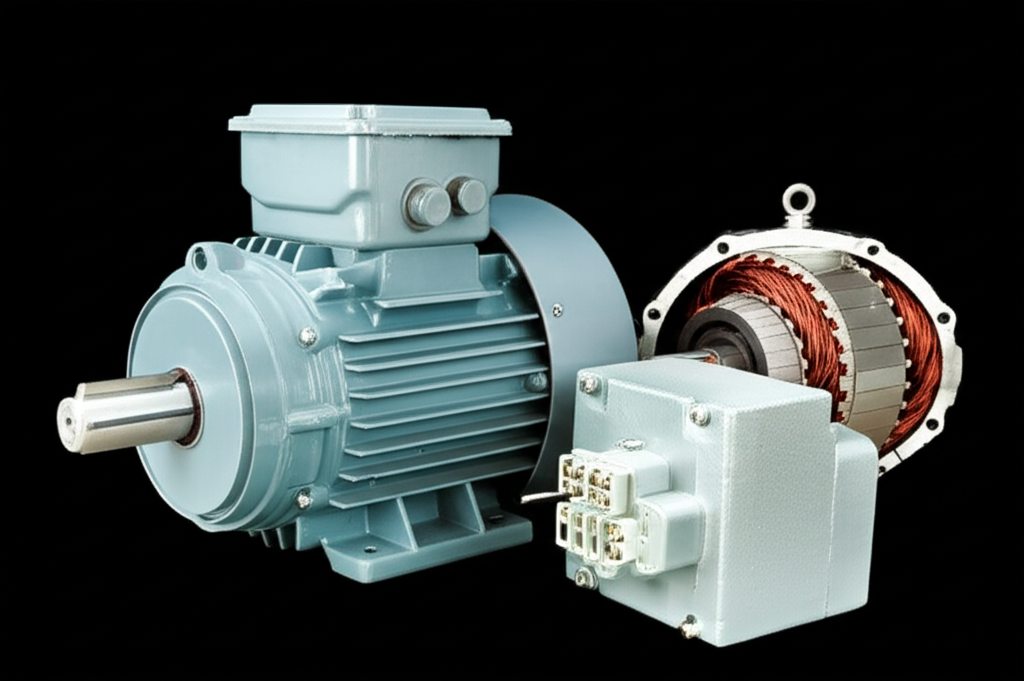
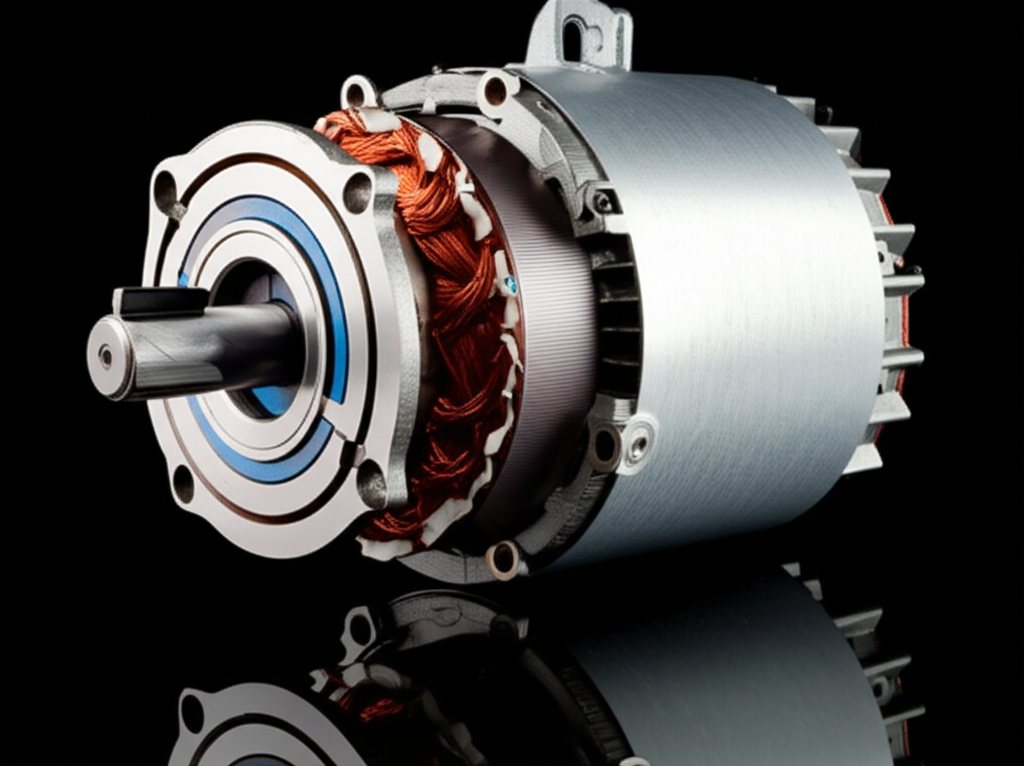
Electric motors live and die by their cores. The stator and rotor shape the magnetic field that turns your prop. Better laminations reduce losses. That means more torque per amp and steadier speed under load. If you build or spec motors you should care about core stack quality.
- Learn the basics of the motor principle so you know what creates torque.
- The quality of the stator core lamination matters for efficiency and heat.
- A tight and balanced rotor core lamination helps smooth power.
- High grade electrical steel laminations cut eddy losses so you keep speed with less draw.
You may not see these parts on deck. You feel them on the water when your motor holds speed with less battery drain.
Speed by Brand and Features: Minn Kota, MotorGuide, Garmin, Lowrance
Minn Kota trolling motor speed holds steady with models like Ultrex and Terrova and Riptide. MotorGuide trolling motor speed feels crisp on Xi3 and Xi5. Brushless motors like Garmin Force and Lowrance Ghost deliver strong thrust with good efficiency. Speed is still in the 2 to 5 mph band on most boats. The gains show up in torque and control at the high end and in bad wind.
Brand choice also brings speed control. Spot-Lock and anchor modes keep you on fish. Cruise control modes hold your set pace. That is gold when you tune speed to a bite.
Saltwater vs Freshwater Use
Trolling motor for saltwater speed sits in the same mph range as freshwater. The big difference is corrosion protection and shaft length. Use the right coating. Rinse the motor after salt trips. Check for growth on the lower unit. Clean parts keep your actual trolling motor speed true.
Bow Mount vs Transom Mount and Controls
Bow mount motors pull the boat from the front. They track better in wind and waves. Transom mount motors push from the back. They are simple and cost less. Speed does not change much between mounts on the same boat. Control and handling do.
Foot control trolling motor speed feels natural on bass boats. Hand control suits jon boats. Remote control trolling motor speed works well on kayaks and pontoons. Pick what fits your deck and style.
Trolling Motor Range and Speed: Manage the Tradeoff
What affects trolling motor range and speed? Thrust level boat weight battery type prop drag wind and current. If you need longer range slow down a bit. If you need to punch upwind for a short run run fast then slow down again to save power.
A note on speed settings. Trolling motor speed settings on five-speed motors jump in steps. Variable speed motors let you fine-tune. That helps target 0.5 mph or 1.2 mph for certain fish.
Simple “Speed Math” You Can Use
You asked for a trolling motor speed calculator or a trolling motor speed equation. There is no perfect formula. Still here is a simple way to set expectations.
- Step 1: Check boat weight with people and gear.
- Step 2: Use 2 to 3 lbs thrust per 100 lbs weight.
- Step 3: Expect 2 to 5 mph in calm water at full power.
- Step 4: Subtract 0.5 to 1.5 mph if you face wind or current.
- Step 5: Add a little if you run a flat bottom or a very light load.
It is not exact. It gets you close. Then test and tune your setup.
PAS in Action: Get the Right Motor and Be Happy on the Water
Problem: You cannot hold your line in wind. Your motor drains fast at top speed. Your boat crawls when loaded.
Agitate: Fish bite then you drift off. Your lure runs too fast or too slow. Your day ends early.
Solution: Match thrust to weight. Use a clean and right prop. Keep the hull clean. Move to 24V or 36V if your boat is heavy. Use GPS cruise control. Choose motors like Minn Kota Ultrex or MotorGuide Xi5 or Garmin Force or Lowrance Ghost that add smart features. You will not turn your boat into a rocket. You will get steady speed and better fishing.
Conclusion and Key Takeaways
- Trolling motors typically go 2 to 5 mph or 1.7 to 4.3 knots.
- Thrust helps more with control than with top speed.
- Boat size weight hull and conditions set your real speed.
- 12V fits small boats. 24V and 36V fit heavier boats.
- Props matter. Weedless vs power props trade speed for reliability in weeds.
- GPS speed control keeps you on a set pace.
- Expect 0.5 to 2.5 mph as a sweet spot for many fish.
- Manage battery draw at top speed. Run mid settings for longer range.
- Clean the hull and prop. Keep connections tight. Use the right battery type.
References
- Minn Kota product manuals and published thrust and current specs
- MotorGuide user guides and thrust tables
- Garmin Force and Lowrance Ghost technical sheets and owner guides
- U.S. Coast Guard and NOAA basics on knots and speed over ground
- Common industry guidelines on thrust-to-weight ratios for electric trolling motors
Bullet Point Summary
- Most trolling motors run 2–5 mph.
- Use 2–3 lbs thrust per 100 lbs boat weight.
- 30 lb thrust: ~2–3 mph on a small craft.
- 55 lb thrust: ~3–4 mph on a light 14–16 ft boat.
- 70 lb thrust: ~3.5–4.5 mph on mid boats.
- 100–112 lb thrust: ~4–5+ mph on heavy boats.
- GPS helps hold speed and heading.
- Lithium holds speed better under load than old lead-acid when sized right.
- Weedless props trade a touch of top end for real speed in grass.
- You will not get on plane with a trolling motor so plan for control and quiet.