How to Change Your Car’s Heater Blower Motor: A Complete DIY Guide
Table of Contents
- Introduction: Why Your Blower Motor Matters
- What Is a Blower Motor and How Does It Help Heat, AC, and Defrost?
- Is Your Blower Motor Failing? Clear Signs to Watch
- How Do I Diagnose the Real Problem Before I Replace Anything?
- What Tools and Parts Do I Need for Blower Motor Replacement?
- Safety First: How Do I Stay Safe While I Work?
- Step-by-Step: How to Change Your Heater Blower Motor
- What If It Still Does Not Work After Replacement?
- DIY vs. Professional Repair: Which Path Should You Take?
- How Much Will It Cost and How Long Will It Take?
- Where Should I Buy the Part and How Do I Pick OEM or Aftermarket?
- Vehicle Notes: What Changes by Make and Model?
- Preventative Care: How Do I Make the New Motor Last?
- Helpful Resources, Manuals, and Communities
- References
- FAQ
- Key Takeaways
Your car blows hot or cold air because a small blower motor spins and pushes air through the vents. When it fails you get no air or weak air. That hurts comfort and safety. I show you how to diagnose it right and then replace it step by step. You can save big money and fix your HVAC system with simple tools.
Introduction: Why Your Blower Motor Matters
Problem: Your car heater is not blowing or your AC fan motor seems dead. Maybe you hear a squealing noise from the heater fan. Or the fan only works on high. That is scary on a cold morning when the defroster must keep the windshield clear.
Agitate: You press the climate control buttons and nothing happens. You feel stuck. Shops can charge a lot for HVAC fan replacement. Some cars need dashboard removal. You worry about time cost and tools.
Solution: I walk you through diagnostic steps and the full blow-by-blow DIY blower motor change. I give you a tool list and safety rules. I show you where to find vehicle specific instructions and what to check if it still does not work. You can do this.
What Is a Blower Motor and How Does It Help Heat, AC, and Defrost?
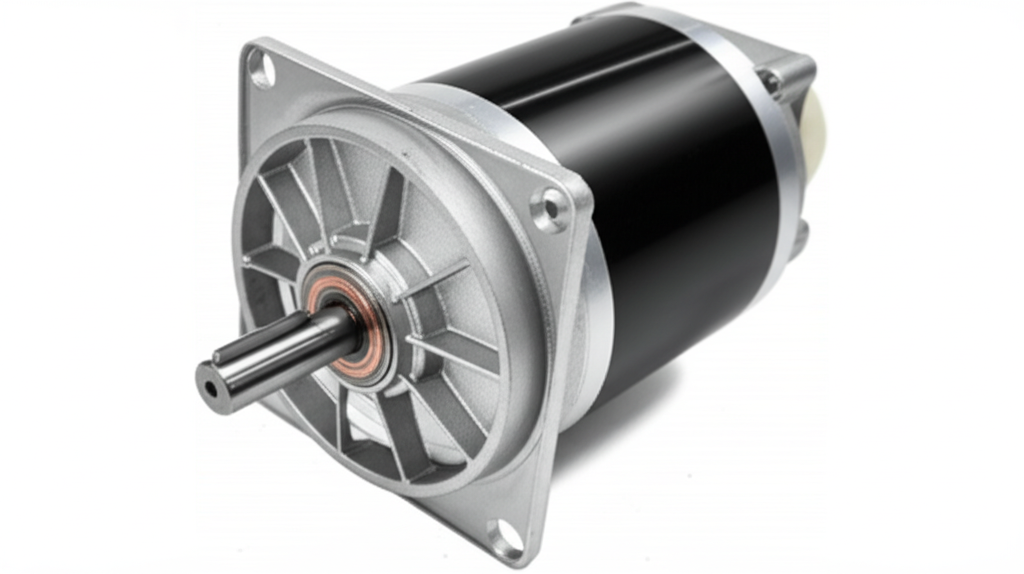
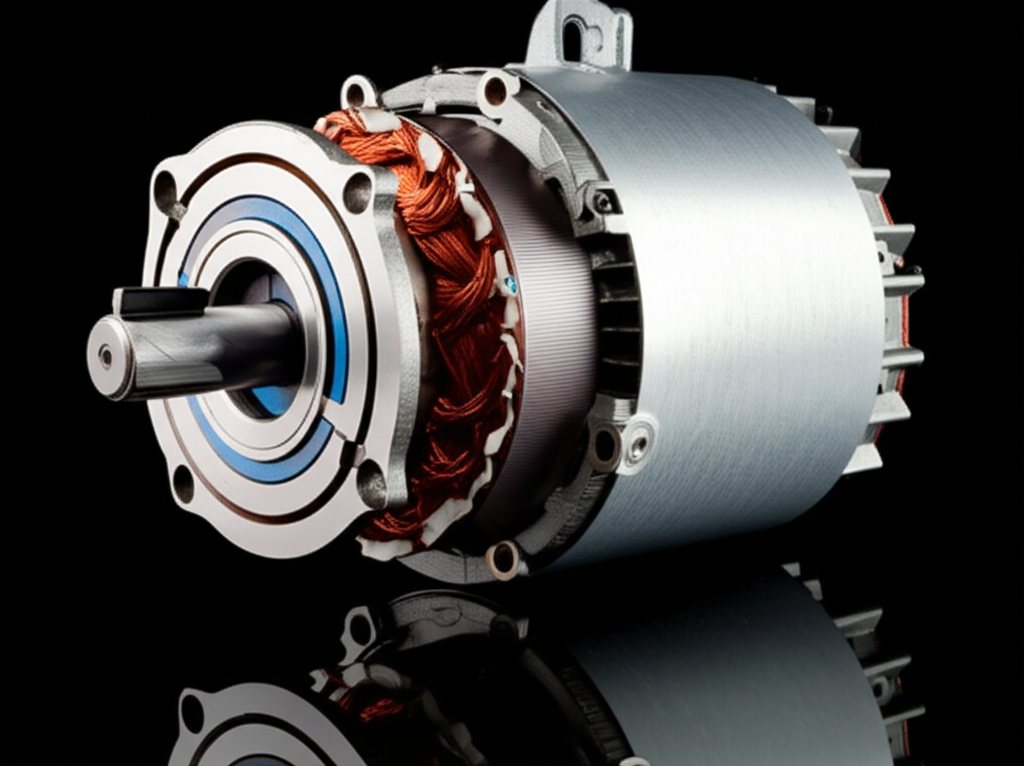
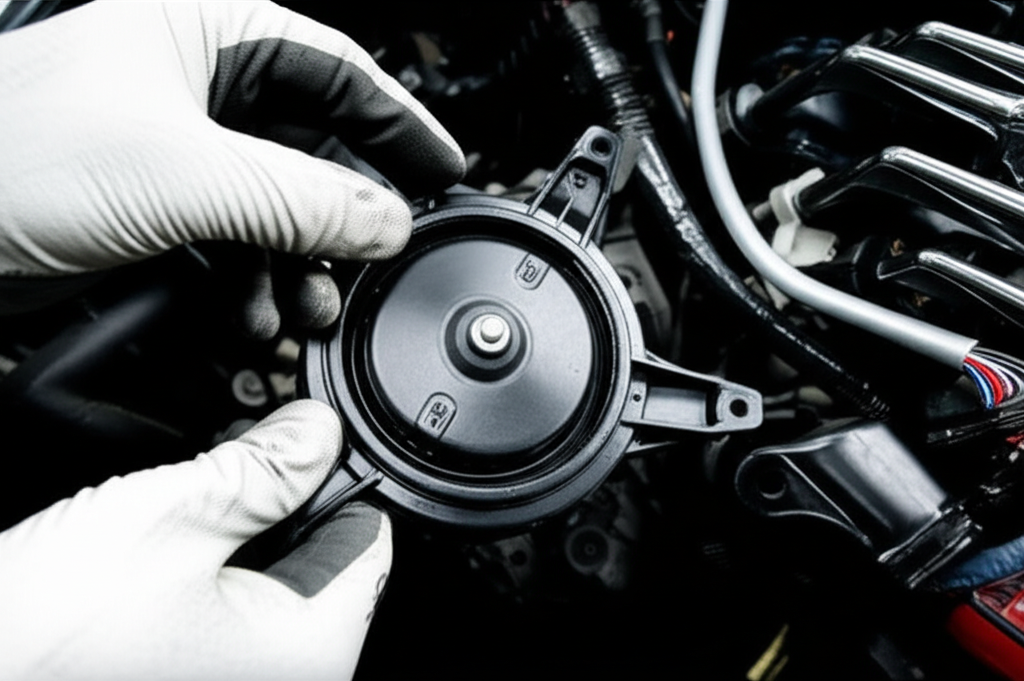
The Blower Motor is a small electric motor with a squirrel cage fan. It sits under the dash on the passenger side in most cars. Some trucks place it near the firewall. It pushes air across the heater core for heat and across the AC evaporator for cool air. It sends air to the floor vents or the defroster as you choose.
The HVAC System controls it with a blower motor resistor on simple systems or a control module on cars with auto climate. The Climate Control Unit changes fan speed by changing voltage to the motor. If the resistor or module fails the heater fan may work only on one speed. If the motor bearings wear the fan may click or grind.
When the motor stops you get no air coming from vents at any speed. When it runs slow you get weak airflow. When the fan blade breaks the motor may spin yet move little air.
Is Your Blower Motor Failing? Clear Signs to Watch
- No air or weak airflow from vents at any speed.
- Heater fan only works on high. That often points to a resistor pack failure.
- Unusual noises when the fan is on. You may hear a squealing noise heater, blower motor clicking noise, rattling, or grinding. That points to worn blower motor bearings or debris in the plastic housing.
- Intermittent blower motor that works sometimes then stops.
- A burning smell is rare yet serious. It can mean an electrical short or overheating motor.
When I hear noise or smell burning I shut it off at once. Then I test fast. That protects wiring and the wiring harness.
How Do I Diagnose the Real Problem Before I Replace Anything?
You want to know if you face a bad blower motor or another part like a fuse, relay, or blower motor resistor. Follow these diagnostic steps in order.
- Check the Fuse Box for the HVAC and blower fuse. Pull it and look. Replace a blown fuse with the correct amp. If it blows again you may have wiring issues or a short in the motor.
- Test the Relay. Many cars use a relay for the blower. Swap it with another similar relay in the box. If the fan wakes up you found the culprit. Label them so you do not mix them up.
- Inspect the Blower Motor Resistor. Classic resistor symptoms include a fan that works only on one or two speeds. Look for burn marks or a cracked pack. Some cars use a solid state module that fails in a similar way.
- Use a Multimeter. Unplug the electrical connector at the motor. Check for power and ground with the fan switch on high. You should see battery electrical current on the power wire and a solid ground wire.
- Confirm blower motor failure. If you have power and ground at the plug yet the motor does not spin the motor is bad. If you lack power chase the wiring harness, switch, relay, or resistor pack.
I keep a car repair manual like Haynes manual or Chilton manual nearby. It shows the wiring diagram and blower motor location for your exact model. That saves time.
What Tools and Parts Do I Need for Blower Motor Replacement?
You do not need fancy gear for most cars. Here is a simple tools and parts setup.
- New blower motor. Pick OEM blower motor or a quality aftermarket blower motor that matches your Vehicle Identification Number (VIN). Many motors include the squirrel cage. Some do not.
- Basic hand tools: screwdriver set (Phillips and flathead), socket wrench set (metric or SAE), and pliers.
- Specialty tools: Torx bit set automotive, trim removal tools for dashboard removal, and a multimeter for tests.
- Safety gear: safety glasses, gloves, and a headlamp. I also like shop rags and a magnet for dropped mounting screws.
- Optional: A car repair manual, YouTube blower motor tutorial, or a forum blower motor help thread for your exact car. That gives you fast tips and vehicle specific instructions.
Safety First: How Do I Stay Safe While I Work?
I follow simple rules on every job.
- Do a full battery disconnection safety step. Disconnect the negative battery cable. That protects you and the car.
- Remove keys from the ignition. Wait a few minutes for modules to sleep.
- Work in a well lit spot with good air flow. A garage with the door open is fine.
- Wear safety glasses. Sharp plastic can fly. Dust can fall when you open the ductwork.
- Keep parts neat. Bag mounting screws by step. Take photos as you go.
Step-by-Step: How to Change Your Heater Blower Motor
This is the heart of the job. Cars differ yet most follow this basic path. I will show you the core flow. I will note if some cars use a different access point like the glove box or lower dash panel.
1) Locate the Blower Motor
You will find it under the dashboard on the passenger side. Many cars place it behind or under the glove box. Trucks may mount it near the firewall. Some vans hide it deeper in the dashboard which takes more time.
2) Access the Blower Motor
Open the glove box and drop it down if it blocks the way. Remove the lower dash panel with a trim removal tool and screwdriver. Unclip any small ductwork or covers. Move the cabin air filter door if needed. If your cabin air filter sits close check it and replace it while you are here.
3) Disconnect Electrical Connections
Unplug the electrical connector from the motor. Press the clip and pull. Do not yank the wiring harness.
4) Remove Mounting Screws or Clips
Use a socket wrench or Torx bit to remove the mounting screws. Keep them safe. Some motors use a gasket. Do not lose it.
5) Extract the Old Blower Motor
Pull the motor out. Turn it a bit to clear the plastic housing and the squirrel cage. Watch for leaves or dirt. Sometimes you will see debris on top of the fan. That can cause noise.
6) Inspect the Housing and Clean
Look inside for leaves, dirt, or broken bits. Clean with a shop rag. Check the fan blade for cracks. If the fan blade is broken replace the blade or the whole motor assembly.
7) Install the New Blower Motor
Set the new motor in with the correct orientation. Seat the gasket if used. Tighten the mounting screws snug. Do not over tighten. Plug in the electrical connector until it clicks.
8) Test the New Motor Before Reassembly
Reconnect the battery negative for a minute. Turn the key on. Try all fan speed control settings. Listen for noise. Check heat, AC, and defroster. If all is good turn it off and disconnect the battery again.
9) Reassemble Dash Components
Put the ductwork and covers back. Reinstall the glove box and lower dash panel. Press clips in until they seat.
10) Final Test
Reconnect the battery. Turn on the car. Test all fan speeds again. Test air to each vent. Make sure the climate control responds fast.
That is it. You just did a full DIY blower motor change.
What If It Still Does Not Work After Replacement?
Do not panic. Work the troubleshooting list.
- New motor does not run: Check the fuse, relay, and resistor pack. Confirm the plug sits tight. Verify power wire and ground wire with a multimeter.
- New noises: The motor might not seat flat. A wire may rub on the squirrel cage. A leaf may sit inside the plastic housing. Remove and clean if needed.
- Fan still only works on high: Replace the blower motor resistor. That is a common fix.
- Airflow still weak: Check the cabin air filter for a clog. Make sure the ductwork is not loose. Check the heater core vs blower motor question. A plugged heater core blocks heat yet the fan still blows strong.
DIY vs. Professional Repair: Which Path Should You Take?
You can do this if you have patience and basic tools. Many cars place the motor behind the glove box for easy access. Trucks like Chevrolet and Ford models often use clear under dash blower motor layouts. Some cars like BMW 3 Series or Mercedes C-Class can be tight which adds time.
Call a mechanic when the job needs full dashboard removal or deep HVAC System work. Also call if your diagnosis points to a complex wiring issue or climate control unit fault. A good shop gives a professional mechanic cost blower motor estimate and a warranty.
How Much Will It Cost and How Long Will It Take?
Here is a quick table that shows typical cost to replace blower motor and time. Your numbers may change by model and city.
| Metric / Aspect | DIY Repair (Estimated) | Professional Repair (Shop Estimate) | Notes / Insights |
|---|---|---|---|
| Average Part Cost | $50 – $250 (aftermarket) | $80 – $400+ (OEM often used) | Some OEM go past $500 on luxury cars |
| Average Labor Cost | $0 (your time) | $100 – $450+ | Time grows when access is hard |
| Total Estimated Cost | $50 – $250 | $150 – $850+ | Add more if the resistor also fails |
| Average Repair Time | 1 – 4 hours (DIY) | 1 – 3 hours (pro) | Some cars are quick drop-ins others are tight |
| Difficulty Level | Moderate to Advanced | Easy to Moderate | The hard part is access and diagnosis |
I have saved 50% to 70% by doing this job myself. A friend did a 2010 Honda Civic blower motor for $75 and two hours. A neighbor paid $650 for a 2012 BMW 3 Series blower motor due to tight access and shop labor. Both got a solid fix.
Where Should I Buy the Part and How Do I Pick OEM or Aftermarket?
You can buy parts in many places. In-store options include AutoZone, Advance Auto Parts, O’Reilly Auto Parts, and NAPA Auto Parts. Online options include RockAuto which lists many brands with clear specs.
- Choose OEM parts when you want the same fit and noise level as stock.
- Choose aftermarket parts to save money. Read reviews. Make sure the plug and plastic housing match your car.
- Check warranty blower motor coverage. Good parts carry at least a one year warranty.
- Ask about return policy auto parts. Keep the box and receipt. Do not toss the gasket or mounting screws from the old motor until you test the new one.
Pro tip: Match parts to your VIN. That ensures the right motor and wiring harness plug.
Vehicle Notes: What Changes by Make and Model?
Let’s talk location of blower motor in car and access notes by brand. This helps you plan your time.
- Chevy blower motor replacement and Ford blower motor location: Many are easy under the dash with glove box access.
- Honda Civic blower motor and Toyota Camry blower motor: Often under the glove box with a few screws and a resistor pack nearby.
- Nissan Altima blower motor and VW Jetta blower motor: Similar under dash spots with simple panel removal.
- Dodge Ram blower motor and Jeep Grand Cherokee blower motor: Trucks and SUVs tend to be roomy which helps.
- Mercedes C-Class blower motor, BMW 3 Series blower motor, and Audi A4 blower motor: European cars may take more time. Some need extra dashboard trim steps.
If you hit a snag check a YouTube blower motor tutorial for your model. Read a forum blower motor help thread. A Car Manual or a Haynes manual blower motor guide can show hidden screws.
Preventative Care: How Do I Make the New Motor Last?
A few habits keep the fan happy.
- Replace the cabin air filter on time. It blocks leaves and dust from the squirrel cage.
- Do not block floor vents with mats or bags. The motor needs free air.
- If you hear heater fan making noise act fast. Debris can shred the fan. Noise can mean worn bearings.
- Keep voltage stable. Bad grounds and loose terminals cause heat. Check the ground wire.
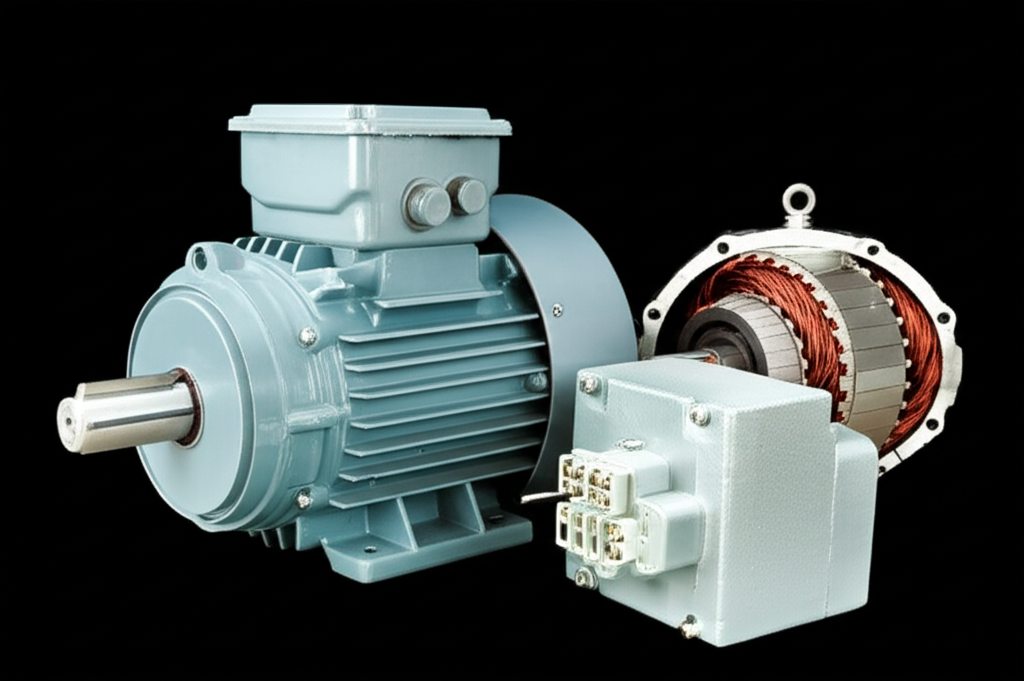
If you like to go deeper into motor build know that core steel and lamination shape matter for noise and life. You can learn how core stacks work in these helpful guides on motor core laminations and stator core lamination. They show how thin steel layers guide the magnetic field. You can also explore how a rotor core lamination spins inside and why high grade electrical steel laminations cut loss and heat. This knowledge helps you judge motor quality when you shop.
Helpful Resources, Manuals, and Communities
I like to stack the deck before I turn a screw. Here are helpful places to learn and confirm.
- A car repair manual blower motor section has torque notes and wire colors.
- A Haynes manual or Chilton manual shows wiring diagrams with the relay and fuse.
- A YouTube video shows the access path for your exact dash.
- Forums let you ask about odd squeaks and missing screws.
- Part store staff at AutoZone, Advance Auto Parts, O’Reilly Auto Parts, NAPA Auto Parts can test your fuse and help pick a resistor pack.
References
- Haynes Publishing. Vehicle specific repair manuals. https://haynes.com
- Chilton DIY. Service and repair information. https://www.chiltondiy.com
- AutoZone Repair Help. Free guides and wiring info by vehicle. https://www.autozone.com/landing/page.jsp?name=repair-help
- NAPA Know How Blog. HVAC and blower motor tips. https://knowhow.napaonline.com
- YouTube. Search “blower motor replacement” with your make and model.
FAQ
Q: Why is my blower motor not working?
A: Start with the fuse and relay. Then test the blower motor resistor and the motor plug for power and ground with a multimeter. If you have power and ground yet the motor does not spin the motor failed.
Q: How do I test a blower motor?
A: Use a multimeter to check voltage at the electrical connector with the fan on high. You can also bench test the motor with a fused jumper to the battery and a good ground wire. Be safe and keep fingers clear of the squirrel cage.
Q: My heater fan only works on high. What does that mean?
A: That is a classic blower motor resistor symptoms case. Replace the resistor pack or control module.
Q: Can a bad heater core cause no air?
A: A clogged heater core can kill heat yet the fan still blows. If you have no air you likely have a blower motor, resistor, or wiring issue.
Q: How hard is it to change the blower motor?
A: Many cars are moderate. Plan 1 to 3 hours. Some luxury cars need more time due to tight dashboard access.
Q: What is the difference between OEM and aftermarket blower motors?
A: OEM often match factory noise and fit. Aftermarket cost less. Pick a known brand with a good warranty.
Q: What else should I check during this job?
A: Check the cabin air filter, look for debris, and inspect the wiring harness, gasket, and plastic housing for cracks.
Key Takeaways
- The blower motor pushes air for heat, AC, and defrost. When it fails you get no air coming from vents or weak airflow.
- Diagnose smart. Check the fuse, relay, blower motor resistor, and wires with a multimeter before you buy parts.
- You need basic tools: screwdriver set, socket wrench set, Torx bit set, pliers, trim removal tools, and safety gear.
- Follow safety. Do a full battery disconnection safety step and wear safety glasses and gloves.
- The core steps: access under the glove box, unplug, remove mounting screws, swap the motor, clean, and test all speeds.
- If the fan works only on high replace the resistor pack.
- Plan cost. DIY parts run $50 to $250. Shops can run $150 to $850+ depending on access.
- Shop smart. Buy from AutoZone, Advance Auto Parts, O’Reilly Auto Parts, NAPA Auto Parts, or RockAuto. Check warranty and return policy.
- Watch models. Chevrolet, Ford, Honda, Toyota, Nissan, Dodge Ram, Jeep Grand Cherokee, VW Jetta, Mercedes C-Class, BMW 3 Series, and Audi A4 each have their own blower motor location and access level.
- Keep it running. Replace the cabin air filter, clear debris, and act fast on heater fan making noise to prevent common causes blower motor failure like worn bearings.