How to Determine the Correct Direction a Squirrel Cage Fan Turns
Have you ever felt like your air conditioner or furnace just isn’t working right? The air from your vents feels weak, your energy bills are creeping up, and maybe you even hear a strange rumbling sound coming from your unit. The problem might be simpler than you think. Your fan could be spinning the wrong way.
This guide will show you everything you need to know about your squirrel cage fan’s direction. You’ll learn why it’s so important, how to tell if it’s spinning correctly, and what to do if it’s not. Getting this right can save you money, make your home more comfortable, and prevent expensive repairs down the road.
Table of Contents
- What is a Squirrel Cage Fan Anyway?
- Why Does Fan Direction Matter So Much?
- What Happens When a Fan Spins the Wrong Way?
- How Can I Tell the Correct Fan Direction?
- Can I Check the Direction by Looking at the Blades?
- How Do I Fix a Fan Spinning the Wrong Way?
- Troubleshooting: Is It Really the Fan’s Direction?
- Answering Your Top Questions about Fan Rotation
- The Bottom Line: Key Takeaways
What is a Squirrel Cage Fan Anyway?
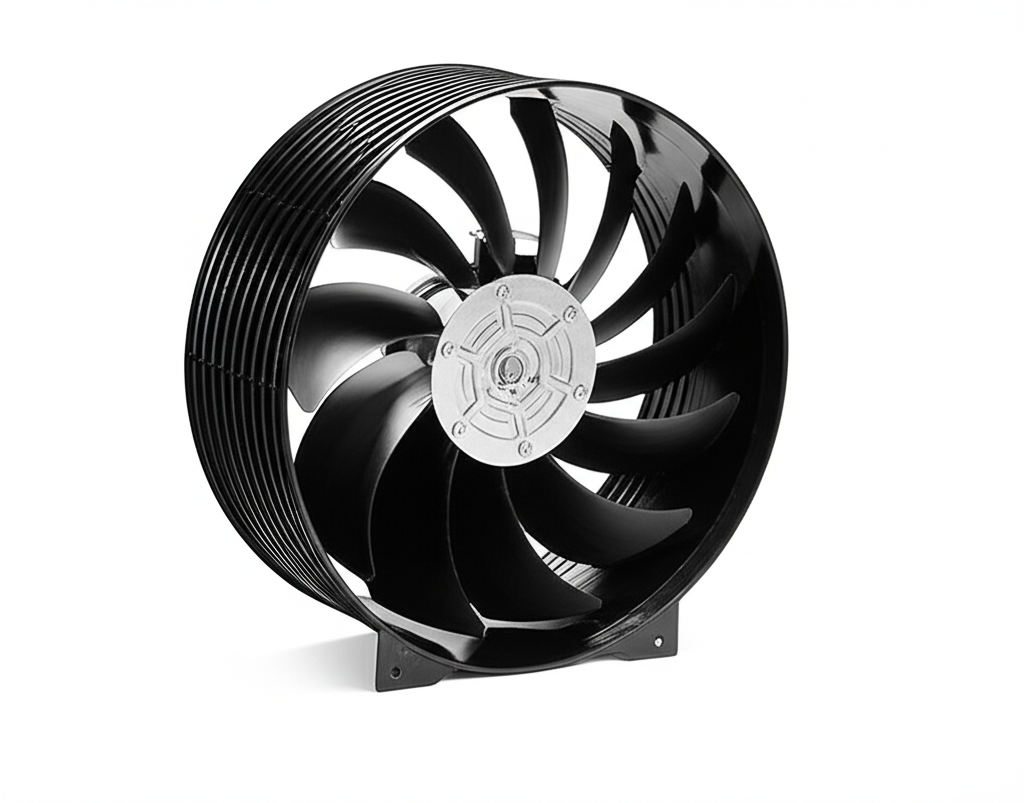
Let’s start with the basics. That big, round, hamster-wheel-looking thing inside your furnace or air handler is called a squirrel cage fan. It’s also known as a centrifugal fan or blower fan. You might wonder why are squirrel cage fans called squirrel cage. It’s because the fan wheel looks a lot like the exercise wheels people used to put in squirrel cages.
So, how does a squirrel cage fan work? It’s pretty clever. The fan pulls air in through the sides (the inlet). Then, as the fan wheel spins, it slings the air outwards using something called centrifugal force. The air hits the fan housing, which is a snail-shaped shell called a scroll. This scroll directs all that fast-moving air into one spot: your ductwork. From there, the air travels to all the vents in your house.
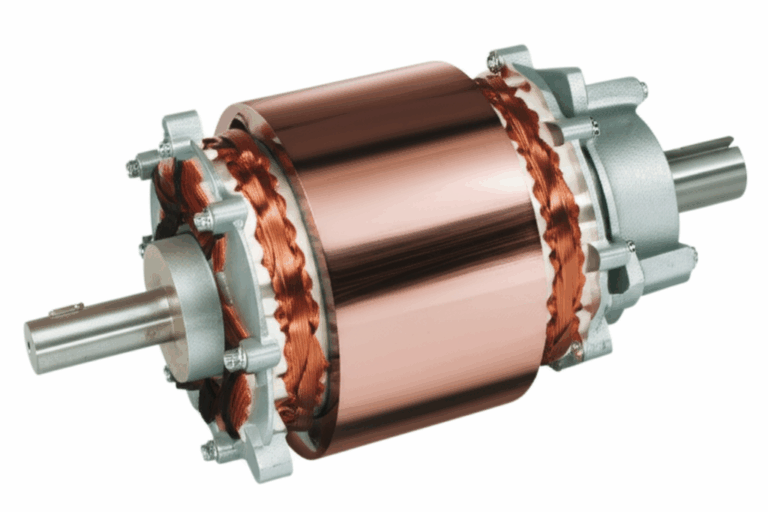
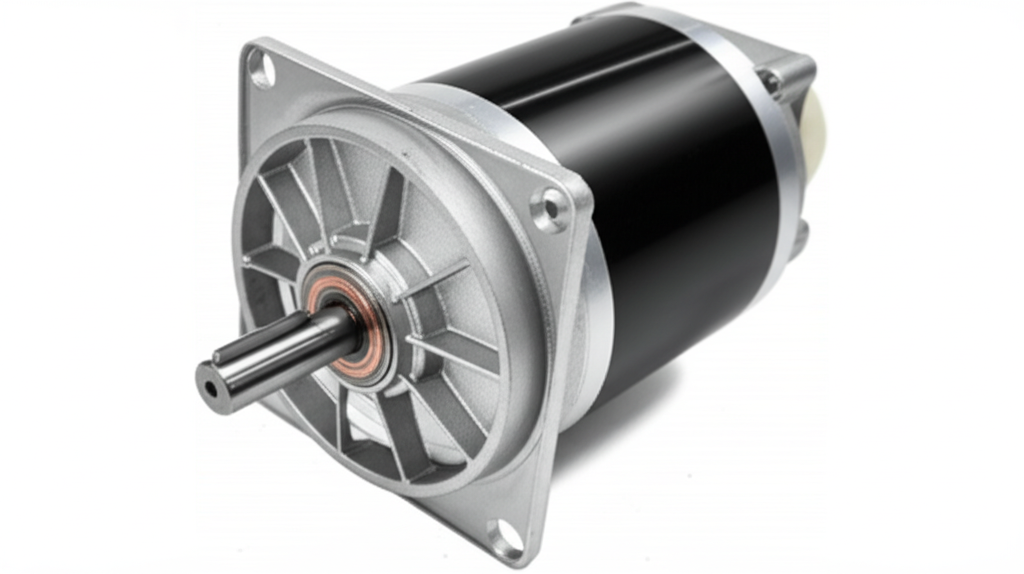
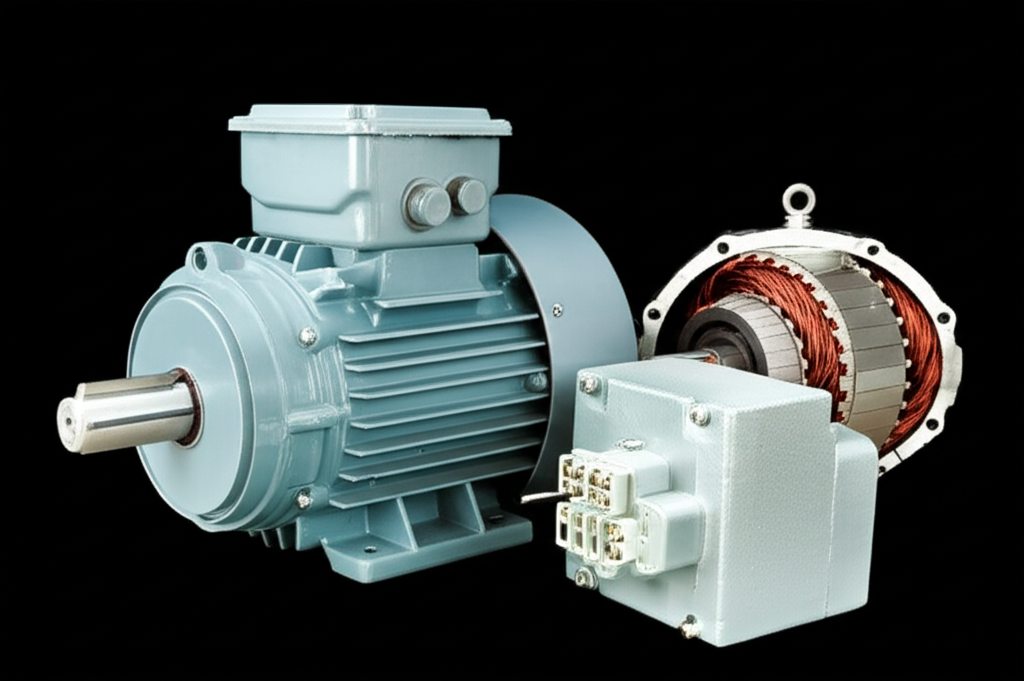
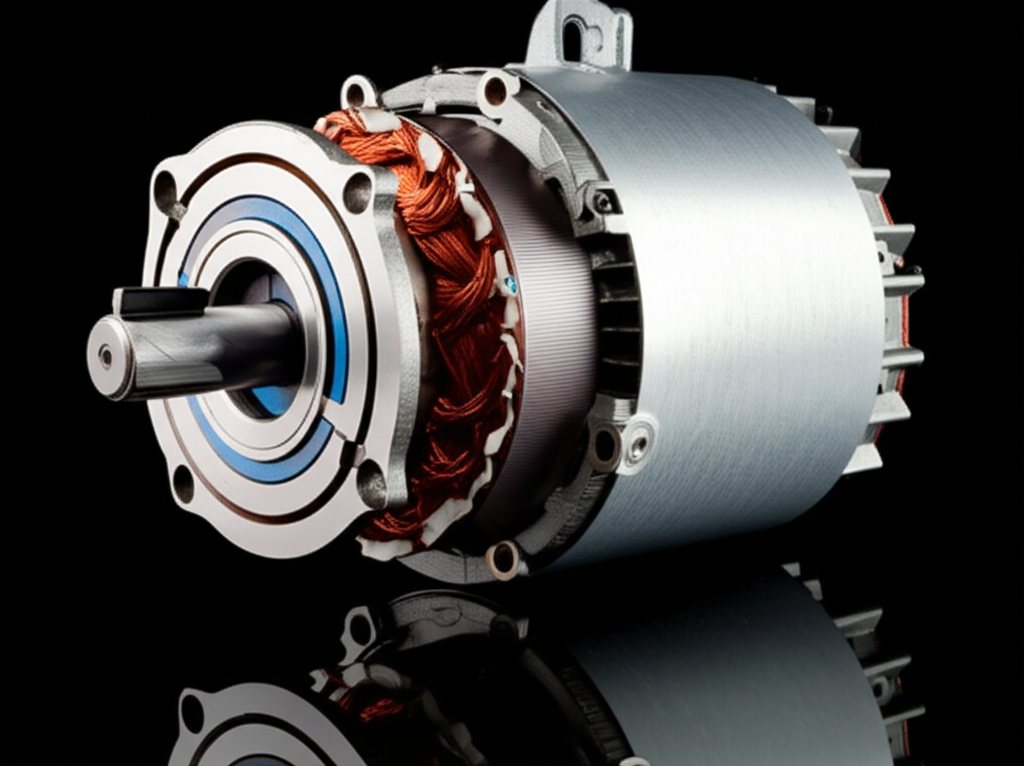
These fans are great because they can move a lot of air and create enough pressure to push it through long ducts. They are the heart of any HVAC system, found in units made by Trane, Carrier, Lennox, Goodman, Rheem, and York. The electric motor that turns this fan is a key part. The quality of its internal components, like the relationship between the stator and rotor, determines how well it works.
Why Does Fan Direction Matter So Much?
You might think, “As long as it’s spinning, who cares which way?” But the blower fan rotation is one of the most important things for your system’s health. The fan blades and the housing are designed to work together in only one direction. Think of it like trying to row a boat with your oars backward. You’ll splash around a lot, work really hard, but you won’t go anywhere fast.
When the squirrel cage fan direction is correct, everything works perfectly. The blades scoop the air and sling it powerfully into the scroll. This creates strong airflow, measured in CFM (Cubic Feet per Minute), and builds up static pressure. Static pressure is what allows the air to overcome the friction in your ducts and reach every room.
Correct rotation means you get:
- Maximum Airflow: Your system delivers the cool or warm air it’s supposed to.
- Energy Efficiency: The motor works easily, using the right amount of electricity.
- Quiet Operation: The fan runs smoothly and quietly.
- Longer Lifespan: Less stress on the blower motor, bearings, and blower belt means fewer breakdowns.
Without the right fan wheel rotation, none of this can happen. The entire system struggles, and you’ll start to notice problems.
What Happens When a Fan Spins the Wrong Way?
When a squirrel cage fan spinning wrong way happens, it’s a big problem. The fan is no longer “scooping” the air. Instead, the back of the blades are just slapping at it. This creates chaos inside the fan housing. Instead of a smooth, powerful stream of air, you get weak, swirling turbulence.
This leads to a cascade of issues. First, your airflow plummets. A fan spinning backward can move less than half the air it’s supposed to. That means the rooms farthest from your furnace get almost no air at all. Your system will run and run, but your house will never feel comfortable. You’ll have hot and cold spots everywhere. This is a common symptom of reversed fan rotation.
Worse yet, it’s terrible for your equipment. The motor has to work much harder to move that tiny amount of air, which causes it to draw more electricity. Your energy bill will go up for no reason. This extra work also makes the motor overheat, which can drastically shorten its life or cause it to fail completely. The poor performance is partly due to how energy is managed inside the motor, a process heavily reliant on quality motor core laminations. You might also hear a loud roaring or thrashing sound. That’s the sound of a fan fighting itself—a clear sign of a noisy squirrel cage fan wrong direction.
Here is a simple table to show the difference:
| Performance Metric | Correct Rotation | Incorrect Rotation |
|---|---|---|
| Airflow (CFM) | 100% of its power | 10% – 50% of its power |
| Energy Use | Normal | Much Higher |
| Noise Level | Quiet | Loud and Rumbling |
| Motor Temperature | Normal | High (Risk of Overheating) |
| Component Stress | Low | Very High |
How Can I Tell the Correct Fan Direction?
Okay, so you suspect your fan might be spinning the wrong way. How do you find the correct squirrel cage fan rotation? There are a few easy ways to check.
Important Safety Note: Before you open any panels on your furnace or air handler, you MUST turn off the power to the unit. Use the disconnect switch right next to the unit or flip the breaker in your main electrical panel. Safety first!
A quick power-on test can also work but be very careful. With the panel off, stand back and have someone else turn the power on for just a second or two. You’ll see which way the fan spins. This is a good way to confirm the motor rotation direction for fan.
Can I Check the Direction by Looking at the Blades?
Yes, you can often get a good clue just by looking at the fan blades. Most squirrel cage fans in homes are forward-curved. This means the blades curve in the direction the fan is supposed to turn.
Imagine the fan wheel is a clock. If the fan is supposed to turn clockwise, the blades will curve toward the right. The open, “scooping” side of the blade should be the leading edge. If you see the back of the curved blades leading the way, the fan is spinning backward.
This isn’t a perfect rule for every single fan, as there are also backward-curved and radial blades used in commercial and industrial settings. But for the typical residential furnace blower, it’s a very reliable visual check. Understanding the fan blade design and direction is key to this visual inspection.
How Do I Fix a Fan Spinning the Wrong Way?
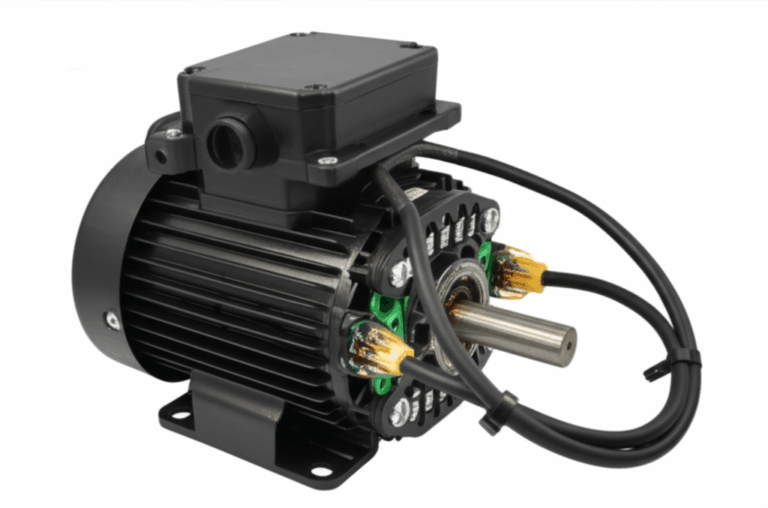
So you’ve confirmed it: your fan is spinning backward. Don’t panic! This is usually a fixable problem related to the squirrel cage fan motor wiring. The method depends on what kind of motor you have.
For Single-Phase Motors (Most Homes):
Your home’s furnace or air handler almost certainly has a single-phase motor made by a company like Emerson, Fasco, or Dayton. These motors are often reversible. To change the direction, you need to swap a couple of wires.
For Three-Phase Motors (Commercial/Industrial):
If you’re working on a larger commercial unit, you might have a three-phase motor. These are much easier to reverse. All you have to do is swap any two of the three main power wires (often called L1, L2, and L3) that connect to the motor. That’s it!
If you are not 100% comfortable working with electricity, this is the time to call an HVAC technician. A professional can safely and quickly fix the fan motor direction change for you.
Troubleshooting: Is It Really the Fan’s Direction?
Weak airflow isn’t always caused by incorrect fan rotation. Before you start swapping wires, make sure you’ve checked these other common culprits:
- A Clogged Air Filter: This is the #1 cause of low airflow. A dirty filter suffocates your system. Check it first!
- Blocked Vents: Make sure all your supply and return air vents are open and not blocked by furniture or rugs.
- Dirty Blower Wheel: The squirrel cage fan itself can get caked with dust and dirt, which makes the blades less effective.
- A Bad Capacitor: For single-phase motors, the fan motor run capacitor helps the motor run efficiently. If it fails, the motor might run slow, overheat, or not start at all.
- Slipping Belt: If you have a belt drive fan, the belt might be loose or worn out, causing the fan to spin too slowly.
If you’ve checked all these things and your airflow is still weak, then it’s very likely the fan’s rotation is the problem. The impact of incorrect fan rotation is significant, so it’s a critical thing to check.
Answering Your Top Questions about Fan Rotation
Q: Does it matter which way my furnace blower spins?
A: Yes, absolutely! Your furnace blower is a squirrel cage fan. If it spins the wrong way, you’ll get very little heat distribution, your furnace may overheat and shut off, and you’ll waste a lot of energy.
Q: Can a squirrel cage fan run backward effectively?
A: No, not at all. It will move a small amount of air, but very inefficiently. It will not build the static pressure needed to push air through your home’s ductwork. It’s like trying to use a shovel backward.
Q: How do I know if my fan motor is turning clockwise or counter-clockwise?
A: The best way is to look for an arrow on the motor or fan housing. If there isn’t one, you can do a quick, safe power-on test to visually see which way the motor shaft turns.
Q: What causes a fan motor to spin in the wrong direction?
A: It’s almost always due to incorrect wiring. This often happens when a new motor is installed and the wires for rotation are not connected according to the diagram for the specific system’s needs.
Q: Is it bad if my fan is blowing air inwards instead of outwards?
A: A squirrel cage fan doesn’t really blow “inwards.” When it runs backward, it just creates turbulence inside its housing and fails to push air out of the outlet with any force. It creates a mess of air movement instead of a strong, directed flow.
The Bottom Line: Key Takeaways
Getting your squirrel cage fan’s rotation right is essential for a comfortable home and a healthy HVAC system. Running it backward is a recipe for high bills, poor performance, and expensive damage.
Remember these key points:
- Direction is Everything: The fan is designed to spin in only one direction to effectively scoop and push air.
- Look for Clues: Check for arrows on the motor or housing to determine the correct rotation. The fan should always turn towards its outlet.
- Backward is Bad: A fan spinning the wrong way leads to weak airflow, high energy use, loud noises, and potential motor damage.
- The Fix is in the Wires: Correcting the rotation usually involves swapping a few wires, but always follow the motor’s wiring diagram.
- Safety First: Always turn off the power completely before opening any panels or touching any wires. When in doubt, call a pro.