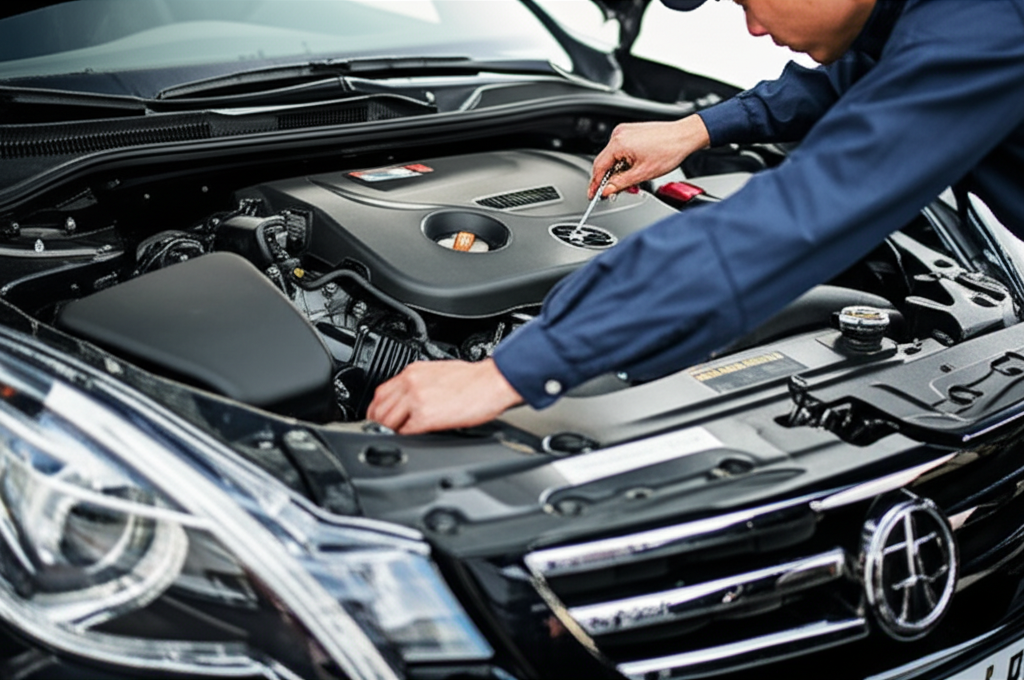
How to Find Out What Motor You Have: Your Essential Identification Guide
Table of Contents
- Why Accurately Identifying Your Motor Matters
- Ordering Correct Parts and Preventing Costly Mistakes
- Ensuring Compatibility for Replacements or Upgrades
- Understanding Performance and Maintenance Needs
- Verifying Information for Buying or Selling
- Step 1: Start with the Easiest Clues (Visual Inspection and Basic Information)
- Check Obvious Labels, Stickers, and Data Plates
- Consult Your Owner’s Manual or Existing Documentation
- Step 2: Use the VIN for Cars, Trucks, and Motorcycles
- Locating the VIN
- How to Decode a VIN to Find Engine Information
- Step 3: Digging Deeper with Engine Block Codes and Serial Numbers
- Locating Engine Block Casting Numbers
- Finding Engine Serial Numbers
- Small Engine Model and Type Numbers (Briggs & Stratton, Kohler, Honda)
- Step 4: Leverage Manufacturer Resources and Databases
- Official Manufacturer Websites and Parts Portals
- Online Parts Catalogs and Aftermarket Retailers
- Vehicle and Equipment Forums and Communities
- Step 5: When to Seek Professional Help
- Certified Mechanics and Dealerships
- Diagnostic Tools and OBD-II Scanners
- Understanding Common Motor Specifications (What the Numbers Mean)
- Displacement
- Cylinder Configuration
- Horsepower and Torque
- Fuel System
- Valvetrain
- Troubleshooting Difficult Identifications
- Missing or Unreadable Tags
- Engine Swaps or Non-Original Motors
- Quick Reference: Where I Look First by Equipment Type
- Conclusion: Confidently Identify Your Motor and Move Forward
I wrote this guide after years of helping friends, customers, and stubborn machines figure out one simple question that always feels complicated at first. What motor is this? I have misordered parts, chased the wrong manuals, and stared at grimy castings until the numbers finally made sense. I learned a better way. You can too.
I will walk you through the exact process I use to identify a motor or engine across cars, trucks, motorcycles, lawn mowers, generators, boats, and electric motors. Think of this as a field guide with practical steps you can follow in your driveway or shop. I will show you where to look, which numbers matter, how to decode them, and when to ask for help.
Why Accurately Identifying Your Motor Matters
Ordering Correct Parts and Preventing Costly Mistakes
I once ordered a water pump for what I thought was a standard small-block V8. Same vehicle, same model year, wrong engine variant. The pump did not match the bolt pattern. I lost a weekend and paid return shipping. Exact identification prevents that. The right spark plugs, filters, belts, gaskets, sensors, and engine components all depend on precise model, series, or engine family codes. If you skip identification, you gamble with time and money.
Ensuring Compatibility for Replacements or Upgrades
Maybe you want a replacement cylinder head or a performance intake. Maybe you are swapping an engine. Compatibility hinges on engine family, displacement, cylinder head design, and sometimes the emissions family code. I have seen intake manifolds that fit in theory and hit the alternator in practice. The right numbers tell you what bolts to what.
Understanding Performance and Maintenance Needs
Engines that look similar can have different horsepower ratings, torque curves, compression ratios, or fuel systems. That changes oil spec, fluid capacities, and torque specifications. With the correct model or engine code, you can pull up the service manual and follow the right procedure the first time.
Verifying Information for Buying or Selling
If you are buying a vehicle with a claimed “rebuilt” motor or a boat with a “low-hour” outboard, verify it. The serial number and emissions sticker can confirm model year, original configuration, and sometimes manufacturing date. If you are selling, accurate details build trust. Buyers ask about displacement, engine type, and model year. Have the facts.
Step 1: Start with the Easiest Clues (Visual Inspection and Basic Information)
The fastest wins come from simple checks. I always start here.
Check Obvious Labels, Stickers, and Data Plates
Look for data plates, stickers, or tags that list serial numbers, model numbers, part numbers, or engine family codes. You will usually find them in these spots:
- Cars and trucks:
- Under the hood: emissions sticker on the radiator support or underside of the hood. It often lists engine family and displacement.
- On the engine block: stamped code pads near the front or sides of the block.
- On the valve cover or timing cover: small labels with engine codes.
- On the firewall or strut tower: secondary vehicle info or build plates.
- Motorcycles:
- Frame neck: VIN plate with model details.
- Engine cases: stamped serial numbers near the base or sides of the engine.
- Small equipment (lawn mowers, generators, snowblowers):
- On the blower housing, near the spark plug, or under the shroud.
- On the frame, near the fuel tank, or under the seat.
- Briggs and Stratton, Kohler, and Honda engines often have small metal tags or stamped numbers. They look basic. They matter.
- Marine engines and outboards:
- Outboard motors: model and serial tags on the mounting bracket or swivel bracket. Mercury, Johnson, and Evinrude use these.
- Inboard motors: on the block, valve cover, or a metal tag on the engine.
- Engine cover labels or cowling decals sometimes list model series.
- Electric motors:
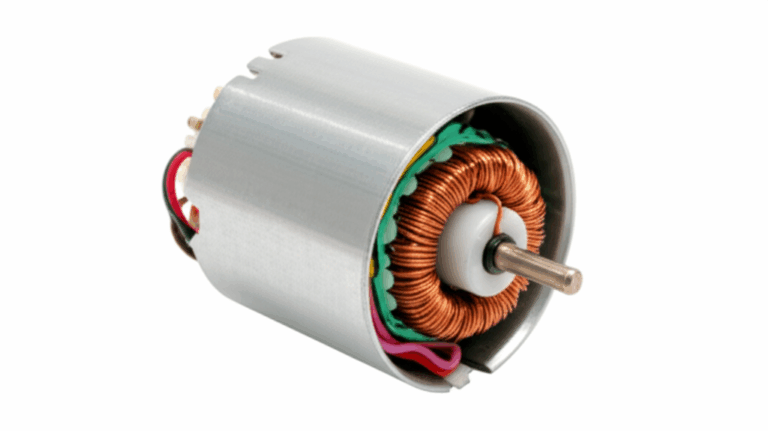
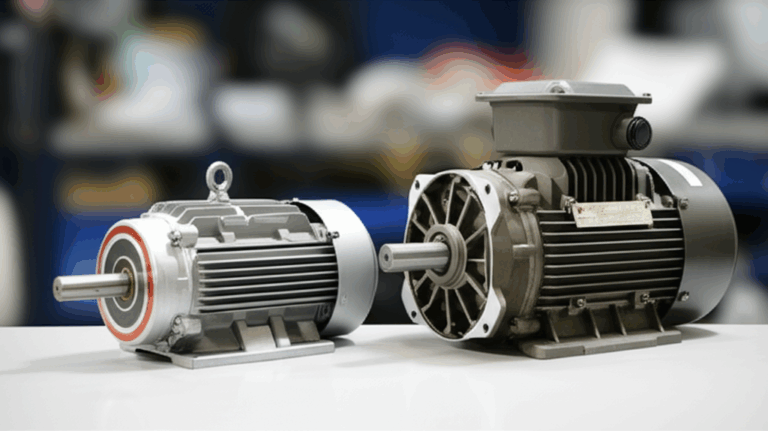
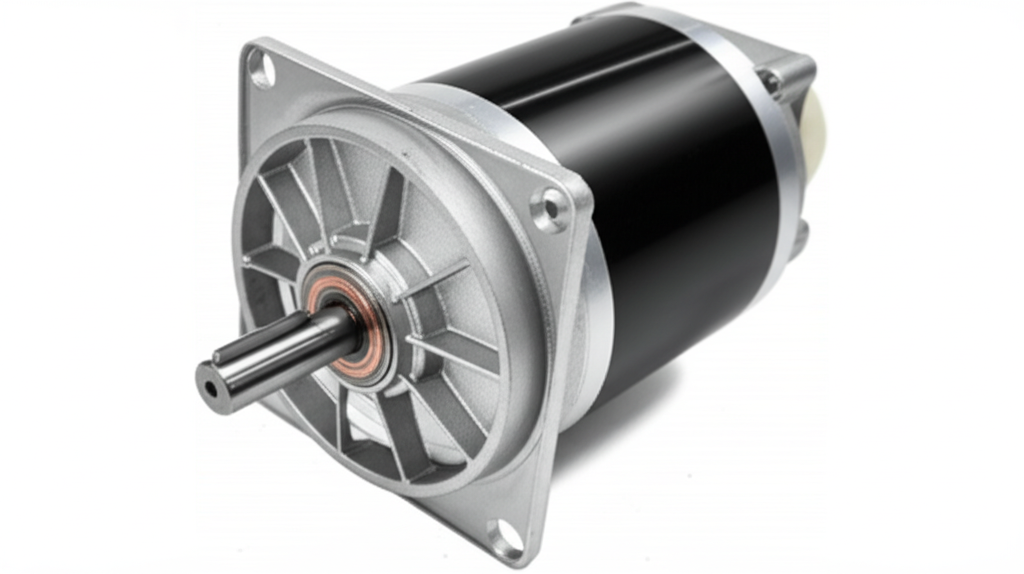
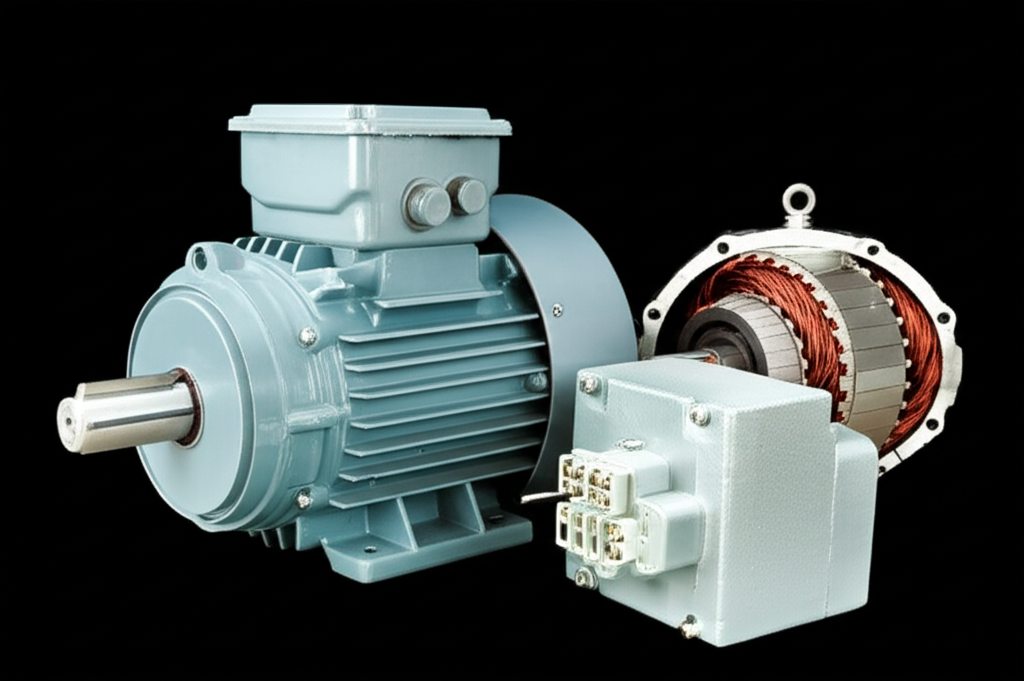
- Nameplate on the housing with model, horsepower, voltage, phase, RPM, frame size, and serial number. If you see references to stator, rotor, or laminations, you are looking at the heart of the machine. For a deeper look at these core parts, this overview of stator and rotor helps.
Tip: Clean the area gently. I use a rag with brake cleaner for grease, a brass brush for rust, and a flashlight at a low angle to make faint stamps pop.
Consult Your Owner’s Manual or Existing Documentation
I have found gold in glove boxes and file folders. Check:
- Owner’s manual
- Purchase receipts
- Service records
- Registration and insurance documents
- For boats, the original engine manual in the storage compartment
These often list the engine code or at least the model series, which narrows the search fast.
Step 2: Use the VIN for Cars, Trucks, and Motorcycles
If you have a car, truck, or street-legal motorcycle, the VIN is your best friend. It unlocks engine type, model year, and build details.
Locating the VIN
Typical locations:
- Dashboard base on the driver’s side, visible through the windshield
- Driver’s side door jamb sticker
- Vehicle registration and insurance card
- Motorcycle frame neck or near the steering head
How to Decode a VIN to Find Engine Information
A VIN has 17 characters. Each position means something. Two positions matter the most for engine identification.
- 8th digit: commonly used by many manufacturers to encode engine type or engine family. For many GM, Ford, and Chrysler vehicles, this digit maps to a specific engine. It is not universal worldwide. It is a strong clue in North America.
- 10th digit: model year code. Letters and numbers represent years. For example, A can be 1980 or 2010 depending on era, while Y often maps to 2000. Online charts help you decode this quickly.
Use a reliable VIN decoder:
- Manufacturer websites or owner portals
- Dealer parts sites
- vincheck.info or similar free tools
- carfax.com for history and some decoded data
- Specialty forums for your make and model
I always compare the VIN decode to the emissions sticker under the hood. They should tell a consistent story. If the VIN says V6 and the emissions label says 2.0L I4, I dig deeper. That mismatch could mean an engine swap.
Step 3: Digging Deeper with Engine Block Codes and Serial Numbers
If the VIN does not give you a clear answer or you are dealing with an engine outside a vehicle, go to the metal. Casting numbers and serial stamps tell the truth.
Locating Engine Block Casting Numbers
Casting numbers are usually raised or stamped into the block. I find them in these spots:
- Sides of the block near the middle
- Rear of the block near the bellhousing
- Front of the block near the timing cover
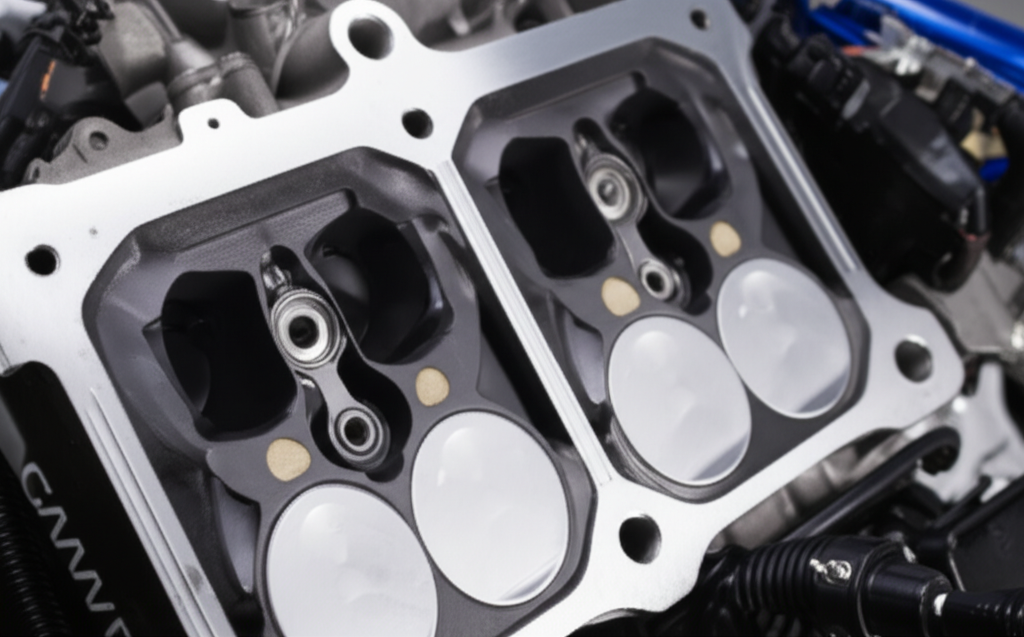
- Cylinder head surfaces near the valve cover
Clean the area to uncover the numbers. They are often greasy or painted. Casting numbers identify the block or head family. Once you read them, search “engine block code lookup” with your brand and the number. You will find charts that map to displacement, year ranges, or specific series. For older engines, this method is essential.
Finding Engine Serial Numbers
Serial numbers often appear on:
- A flat machined pad on the front or side of the block
- A small metal tag riveted to the block or valve cover
- Near the oil pan rail or timing cover edge
Different brands do it differently:
- GM and Ford commonly stamp code pads on the front or side
- Honda and Toyota often place engine series tags on or near the head or block
- Marine engines add serial tags that tie to parts catalogs
If the number is hard to read, I rub chalk across it and wipe lightly. The chalk settles in the deep parts of the stamp. It sounds low tech. It works.
Small Engine Model and Type Numbers (Briggs & Stratton, Kohler, Honda)
Small engines use a standard approach:
- Briggs & Stratton: model, type, and code numbers near the spark plug or on the blower housing. The model identifies the engine family, the type refines features, and the code often includes the date of manufacture.
- Kohler: model and spec numbers on a label or stamped plate near the valve cover or blower housing.
- Honda: model and serial often on the recoil starter housing or side cover.
Example: I once had a mower with no visible badge. I found “12H802-1234-01” on the blower housing. A quick search brought up the exact Briggs series, parts diagram, and correct air filter. Without that number, I would have guessed and probably bought the wrong filter.
Step 4: Leverage Manufacturer Resources and Databases
This is where the numbers you collected pay off. Plug them into the right places.
Official Manufacturer Websites and Parts Portals
Most vehicle and engine manufacturers host parts catalogs. Some require a VIN or engine serial number. Use these to:
- Pull up exploded parts diagrams
- Verify part numbers
- Confirm engine family names or codes
- Check superseded parts
If you own a Honda small engine or Kohler, their parts portals are a goldmine. Same for Mercury Marine and many outboard brands. The model and serial number will unlock exact parts.
Online Parts Catalogs and Aftermarket Retailers
Aftermarket catalogs cross-reference part numbers. You can:
- Enter your VIN, engine code, or serial number
- See compatible parts and specs
- Compare the same part across brands
I use these catalogs as a cross-check. If three sources agree on the same oil filter for the engine type I decoded, I feel confident.
Vehicle and Equipment Forums and Communities
Forums save the day when numbers do not make sense. I take clear photos of:
- The full engine bay or engine
- Close-ups of casting numbers, serial tags, and labels
- Unique features like intake shape, valve cover bolt pattern, or ignition setup
Then I post the photos with my findings and ask for help. Communities for specific brands often spot patterns instantly. I have identified obscure engine series this way more than once.
For electric motors, enthusiasts can help you identify frame size, horsepower, and phase from the nameplate. If your nameplate mentions laminated cores or silicon steel, that points to the motor’s construction. If you want a primer on how electric motors work, this explainer on motor principle gives helpful context. And if you are curious why nameplates sometimes mention stators or laminations, this resource on stator core lamination shows how those parts influence performance and losses.
Step 5: When to Seek Professional Help
Sometimes you hit a wall. That is normal. I bring in help when time matters or when the numbers do not match.
Certified Mechanics and Dealerships
Dealerships and experienced mechanics can:
- Decode the VIN in manufacturer systems
- Match casting numbers to engine families
- Verify if the engine is original or swapped
- Look up emissions family codes and service bulletins
I always bring clear photos and any numbers I have. A five minute lookup can solve what took me an hour at home.
Diagnostic Tools and OBD-II Scanners
Advanced OBD-II scanners can read Mode 9 data on many cars. Some scanners show calibration IDs and sometimes engine family or software information. It will not identify every engine model directly. It offers reliable proof of which calibration the ECU expects. If your scan data suggests a different engine family than the one you think you have, you might be facing a swap or mislabel.
Understanding Common Motor Specifications (What the Numbers Mean)
Once you know the model or engine family, you can decode the specs. The numbers turn into useful information. Here is how I explain the big ones.
Displacement
- Gas and diesel engines list displacement in liters or cubic inches. 3.5L, 5.3L, or 350 CID are common examples.
- Small engines and motorcycles use cubic centimeters (cc). A 196 cc engine on a generator is typical.
Displacement tells you the volume swept by all pistons. It hints at power and torque potential. It does not tell the whole story. Two 2.0L engines can behave very differently.
Cylinder Configuration
You will see terms like:
- Inline-4 (I4) or Straight-4
- V6 or V8
- Flat-4 (Boxer)
- Inline-3, Inline-5, or V10 in special cases
- Rotary engine for Mazda’s Wankel designs
Configuration affects packaging, weight distribution, and sometimes smoothness. It also affects parts selection. A V6 water pump will not fit an I4. For motor identification, I count cylinders and note the layout. That alone narrows options quickly.
Horsepower and Torque
- Horsepower (HP) measures how fast the engine can do work.
- Torque (lb-ft or Nm) measures how much twisting force it produces.
Manufacturers rate engines at specific RPMs. Watch out for gross vs net ratings on older engines. When you look up your engine series, verify the rating and the test standard. It helps when comparing replacement parts or upgrades.
Fuel System
- Carbureted vs fuel injected
- Throttle-body injection vs multi-port vs direct injection
- Diesel injection pump vs common-rail
This matters for maintenance and parts. Carbureted engines need jets and floats. Direct injection engines use high-pressure pumps and special injectors. If you identify your engine correctly, the parts catalog will match the right fuel system components.
Valvetrain
- OHV (overhead valve or pushrod)
- SOHC (single overhead cam)
- DOHC (dual overhead cam)
- Variable valve timing systems
Valvetrain changes service procedures and specifications. For example, OHV engines often have adjustable rocker arms. DOHC engines might require special timing tools. Your engine code usually maps straight to the correct service manual procedures.
Troubleshooting Difficult Identifications
Missing or Unreadable Tags
If labels are gone, do this:
- Photograph everything from multiple angles
- Clean suspected stamp areas and try a chalk or crayon rub
- Use a magnifying app on your phone
- Compare cast shapes and bolt patterns with known reference photos online
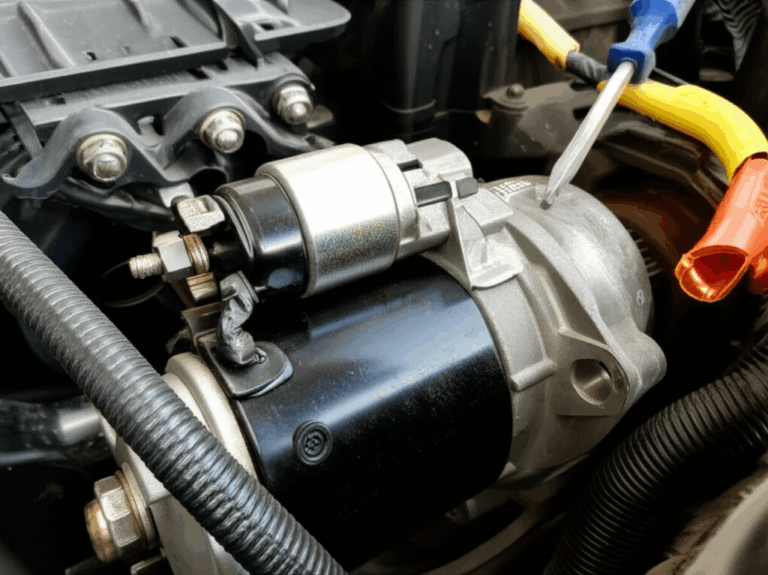
- Cross-reference parts that you can identify like the starter, alternator, or throttle body. Part numbers on these components often hint at engine family
For electric motors without nameplates, measure:
- Frame size and mounting bolt pattern
- Shaft diameter and keyway
- Voltage and phase from the wiring setup
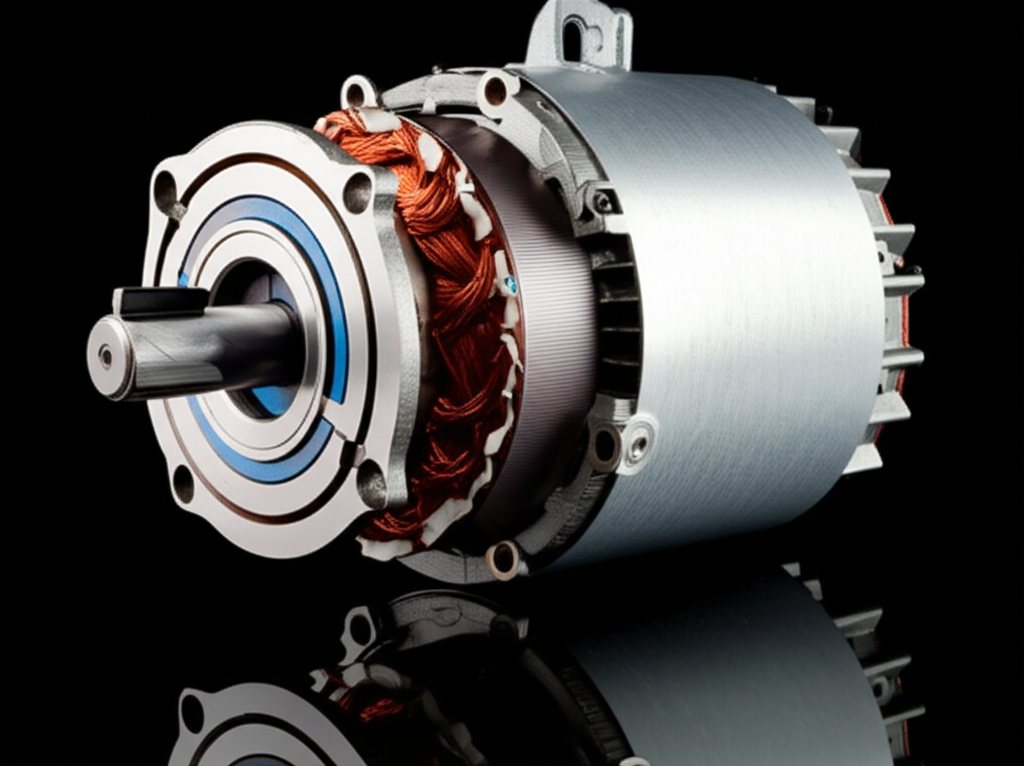
If the motor is disassembled, you might notice laminated steel sheets in the core. Those laminations reduce eddy current losses. If you want a broader view of how manufacturers build these cores, here is a primer on motor core laminations.
Engine Swaps or Non-Original Motors
Engine swaps happen in cars, trucks, motorcycles, and boats. I look for:
- Mismatched paint or newer gaskets on an older chassis
- Adapters on motor mounts or exhaust
- Wiring harness splices
- Emissions sticker that does not match the visible engine
When I suspect a swap, I rely on engine casting numbers, serial numbers, and the visual ID of major components. Then I confirm with parts catalogs. Do not assume the VIN still describes the engine. It may only describe the body.
For two-stroke and four-stroke outboards, the serial tag tells the truth. Mercury, Johnson, and Evinrude serial ranges map cleanly to model years and series. If you are buying a used outboard, read that tag on the bracket before you hand over cash.
If the motor runs but behaves oddly, you might be dealing with a mismatch in control systems or sensors after a swap. In those cases, diagnostic thinking helps. This short guide on common motor problem types can give you a way to separate electrical issues from mechanical ones.
Quick Reference: Where I Look First by Equipment Type
When someone asks me to identify a motor fast, I follow a quick checklist.
- Car or truck:
- VIN on the dash and door jamb
- Emissions label under the hood
- Stamped engine code pad on the block
- Owner’s manual and service records
- OBD-II Mode 9 data for calibration info
- Motorcycle:
- VIN on the frame neck
- Engine serial on the cases
- Emissions label under the seat or on the frame
- Manufacturer parts portal with VIN
- Lawn mower, generator, snowblower:
- Engine label or stamp near the spark plug or on the blower housing
- Model, type, and code for Briggs and Stratton
- Model and spec for Kohler
- Model and serial for Honda
- Parts diagrams from the engine brand’s website
- Outboard motor:
- Serial and model tag on the mounting bracket
- Cowling label for quick reference
- Manufacturer serial lookup for model year and parts
- Inboard marine:
- Engine serial tag on the block or valve cover
- Intake manifold or valve cover labeling
- Emissions or compliance plate if present
- Manufacturer parts portal with serial number
- Industrial and electric motors:
- Nameplate on the housing with voltage, phase, horsepower, RPM, frame, and serial
- Control panel documentation
- Construction clues like rotor type, stator design, and laminated core references. For a deeper dive into materials, this short guide on electrical steel laminations shows why manufacturers specify certain steels on nameplates and spec sheets
Practical Examples From My Bench
A few quick stories to make this concrete.
- The misfit water pump:
I had a V8 truck with a midyear changeover. VIN decode suggested one engine, the emissions label and block stamp said another. The 8th VIN digit alone almost fooled me. The block stamp won. I ordered the pump by engine code and it fit.
- The stubborn mower:
The deck decals were gone, and the seller had no manual. I found the Briggs model and type near the spark plug under a layer of grime. That tiny tag led me to the right carb kit. The mower ran smooth by lunchtime.
- The mystery motorcycle:
Older bikes can have engines swapped between frames. I checked the frame VIN and the engine case serial, and they did not match the manual’s specs. A forum expert spotted a detail on the cylinder head that tagged it as a different engine series. The parts list changed completely after that.
- The outboard that was not:
A friend bought a “2005” outboard. The bracket serial told us it was a 2003 model with different jetting and parts. The seller did not lie on purpose. He guessed. The serial number cleared it up and saved us from ordering the wrong impeller and thermostat.
- The nameplate saves the day:
An industrial fan motor had no paperwork. The nameplate gave horsepower, RPM, voltage, phase, and frame size. That was enough to source a drop-in replacement. We matched the frame and RPM and avoided a bracket remake.
Common Questions I Hear and How I Answer Them
- What engine is in my car if the VIN does not show it directly?
I check the emissions sticker for engine family and displacement, then I look for a stamped engine code on the block. I cross-reference both with parts catalogs and forums for that make.
- Can I identify an engine by a photo alone?
Sometimes. Clean, detailed photos help. Capture the intake, valve covers, front accessories, and any numbers. Post to a dedicated forum for your brand. Experts see what we miss.
- How do I tell if it is a diesel or gas engine by sight?
Look for spark plugs and coils for gas. Look for injectors and high-pressure lines for diesel. The emissions sticker usually says gasoline or diesel. The fuel cap or filler neck can help too.
- How do I identify a used engine on a stand?
Start with casting numbers on the block and heads. Look for a stamped serial. Photograph unique features. Search those numbers with the brand. If it came from a vehicle, the seller may still have the VIN from the donor.
- What do engine block numbers mean?
Casting numbers identify the mold and sometimes the design revision. Stamped numbers often include assembly plant codes, date codes, and partial VINs. Each manufacturer uses its own format, so charts are your friend.
Safety and Smart Practices While You Search
- Disconnect the battery before reaching near starters or exposed terminals
- Wear gloves and eye protection when cleaning engine surfaces
- Let hot engines cool before you reach for labels near manifolds or radiator supports
- Avoid wire wheels on aluminum surfaces. A soft brush and cleaner work better
- Photograph everything before you clean it in case you wipe off a faint stamp
Tools I Keep Handy for Identification
- LED flashlight and headlamp
- Brass brush, nylon brush, and rags
- Brake cleaner or a degreaser
- Chalk or a white crayon for making stamps visible
- Phone with a magnifying app and good camera
- OBD-II scanner for cars and trucks
- Internet access for VIN decoders, parts catalogs, and forums
A Note on Electric Motors and What Their Plates Tell You
Electric motor nameplates can feel dense. They use a different language than engines with cylinders.
- Voltage and phase: single-phase or three-phase, and the rated voltage
- HP or kW rating: continuous power rating
- RPM and frequency: typically 50 Hz or 60 Hz, which affects speed
- Frame size: defines mounting footprint and shaft height
- Insulation class and duty cycle: thermal limits and operating expectations
- Serial or model number: your key for parts and replacements
If you ever see construction details on the nameplate, it is there for a reason. Laminated cores reduce losses. Stator and rotor design affect efficiency and torque. When you understand those basics, everything on the plate tells a clear story.
Putting It All Together: My Identification Checklist
I use the same checklist every time because it works.
- VIN, emissions sticker, owner’s manual, prior service records
- Photos of the engine bay or machine from multiple angles
- Casting numbers on blocks and heads
- Stamped serials on pads or tags
- Small engine model, type, and code numbers
- Outboard model and serial tag on the bracket
- Electric motor nameplate details
- VIN decoder to read the 8th digit engine code and 10th digit year when applicable
- Manufacturer parts portal or dealer lookup
- Trusted aftermarket catalogs for cross-reference
- Compare bolt patterns, intake shapes, valve covers, and accessory layouts
- Post photos and numbers to brand-specific forums when in doubt
- Cross-check part numbers across two or three sources
- Make sure engine family and displacement match across the VIN, stickers, and stamps
- Save a note with engine codes, serials, and links to manuals
- Keep photos in a labeled folder for quick reference next time
Conclusion: Confidently Identify Your Motor and Move Forward
I still get a small thrill when a messy mystery engine turns into a known quantity. You can do this with a methodical approach. Start with easy wins like labels and VINs. Move to engine block casting numbers and serial tags when needed. Use manufacturer databases, parts catalogs, and dedicated forums to decode the tough cases. Bring in a professional when the trail goes cold. Once you identify the motor, order parts with confidence and crack open the right service manual.
If you take nothing else from this guide, take my two biggest lessons. Numbers tell the truth when stickers disagree, and photos help experts help you. Clean the area, capture the codes, and decode them with the right tools. Whether you are dealing with a car engine, a Briggs and Stratton mower motor, a Honda generator, a Mercury outboard, or an industrial electric motor, the process stays the same. Find the right identifiers and follow the trail to the exact model.
You do not need luck. You need a flashlight, a little patience, and a plan.