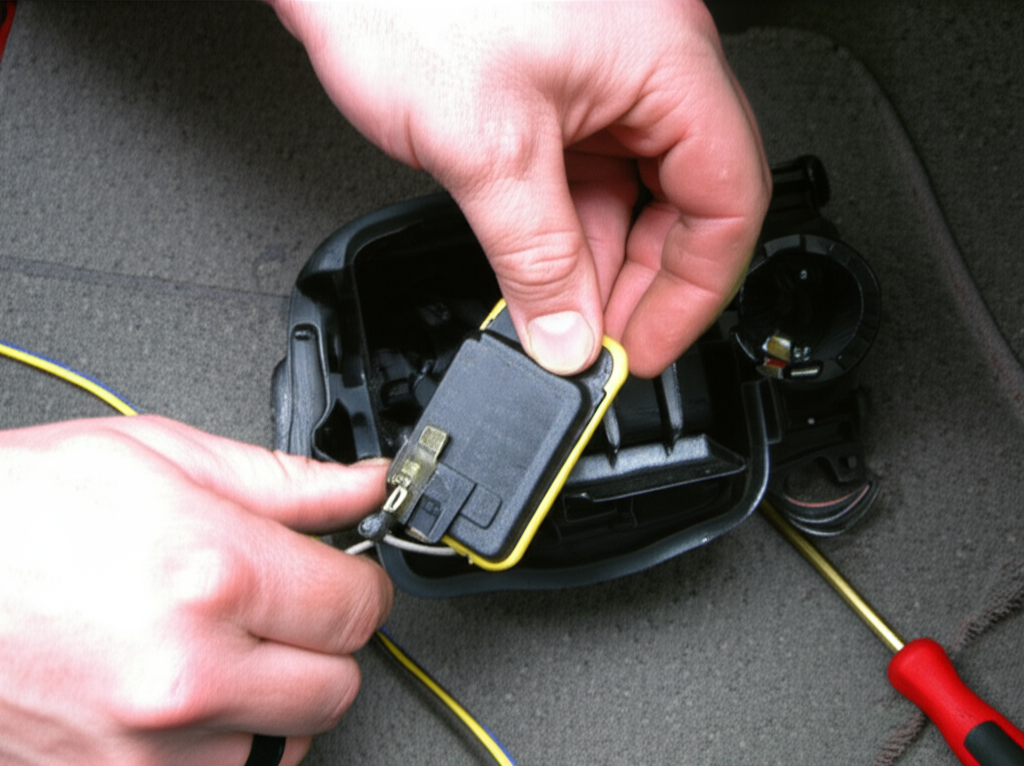
How to Install a Blower Motor Resistor: A Complete DIY Replacement Guide
Short on fan speeds. Big on simple fixes. In this friendly guide, I show you how to spot a bad blower motor resistor, how to test it, and how to replace it step by step. You save money, you stay safe, and you get your car’s AC and heat blowing right again. Read on if your AC fan only works on high, if you have no fan speed control, or if the HVAC fan is not working correctly. It is worth your time because this repair often takes less than an hour and costs less than a shop visit.
Table of Contents
- What Is a Blower Motor Resistor and Why Should You Care?
- Why Do Blower Motor Resistors Fail?
- Can You Drive with a Bad Blower Motor Resistor?
- What Are the Clear Symptoms of a Bad Resistor?
- How Do You Diagnose the Problem Fast and Right?
- Where Is the Blower Motor Resistor Located in Your Car?
- What Tools and Parts Do You Need?
- How Do You Replace the Blower Motor Resistor Step by Step?
- Post-Install Checks and Troubleshooting Tips
- Costs, Time, Brands, and Where to Buy
- Vehicle-Specific Pointers That Save Time
- Maintenance Tips to Make the Fix Last
- Helpful Background on Motors and Materials
- FAQ
- References
- Key Takeaways
What Is a Blower Motor Resistor and Why Should You Care?
Here is the simple truth. The blower motor resistor controls fan speed in your HVAC system. When you turn the fan knob or press the climate control panel, the resistor tells the blower motor how fast to spin. You get low, medium, and high. You enjoy the right airflow on a hot day or a cold morning.
Some cars use a resistor pack with wire-wound parts. Some use an electronic module with Pulse Width Modulation (PWM). A PWM unit acts like a tiny computer. It switches power fast to set speed. You may also see a thermal fuse in the pack, a heat sink on the blower motor resistor, and a variable resistor for fan speed in older systems. In many modern cars the fan speed controller replacement means swapping one solid module.
Problem. When the resistor fails, you lose one or more speeds. Sometimes the AC blower fan speed turns erratic. You may get a heater fan that is not blowing at all. That feels bad in the heat or in a freeze. I have been there, and I do not want that for you.
Solution. This guide gives you an easy air conditioning fan repair guide with a step-by-step resistor replacement. I also share automotive AC electrical repair tips that make you feel like a pro.
Why Do Blower Motor Resistors Fail?
Heat kills them. The blower motor draws power. The resistor drops voltage. That makes heat. Dust, age, and blocked airflow make it worse. A clogged cabin air filter can raise heat on the resistor. Moisture can corrode the electrical connector for the resistor or the wiring harness at the blower motor resistor.
Other causes hit too. You may see a cold solder joint in the resistor. You may get resistor overheating symptoms after long high-speed use. You can have resistor short circuit causes due to water leaks. The blower motor can also draw too much power. That hurts the resistor and can blow the thermal fuse.
If your climate control module glitches or the fan speed selector has problems, the resistor pack may not get the right signal. A bad ground wire on the blower motor can also cook parts. Think of it like a chain. One weak link breaks the whole thing.
Can You Drive with a Bad Blower Motor Resistor?
You can drive the car. You just do not get proper airflow. That means fog sticks to the glass in rain or snow. Heat may not clear the windshield in time. Your AC may not cool you on a hot day. So can you drive with a bad blower motor resistor. You can. Should you. No. Fix it soon.
If the fan only works on high, you risk more heat in the resistor pack. You also risk melted connectors. Do not wait. It is a fast fix. It is a low-cost fix. You can replace it today with a safe DIY blower motor resistor install.
What Are the Clear Symptoms of a Bad Resistor?
Let’s use the PAS method here.
- Problem: The fan only works on high. Or you get no fan speeds. Or you have intermittent AC fan operation. Or the fan speed control is erratic.
- Agitate: You sweat in traffic. You shiver on the school run. Fog builds on glass. You cannot clear it. That can be unsafe and scary.
- Solution: Do a bad blower motor resistor diagnosis. Then do a how to replace blower motor resistor repair.
Watch for these signs:
- AC fan only works on high
- No fan speed control in your car AC
- HVAC fan not working correctly on some speeds
- Erratic or fluctuating fan speeds
- Burning smell from AC vents in rare cases
- Symptoms of failing blower motor adding to the trouble
You can also ask yourself, why is my AC fan not working. Often the answer points straight to the resistor pack.
How Do You Diagnose the Problem Fast and Right?
You want to know if the problem is the resistor, the motor, the fuse, or a relay. Start simple. Many drivers fix it with two easy checks.
- Check fuses and the blower relay. Look at the fuse for the blower motor resistor and the blower motor fuse. Reset if blown. Replace if needed.
- Do a visual look. Check for melted plugs. Check for corroded wires. Look for burnt marks on the resistor pack or the connector.
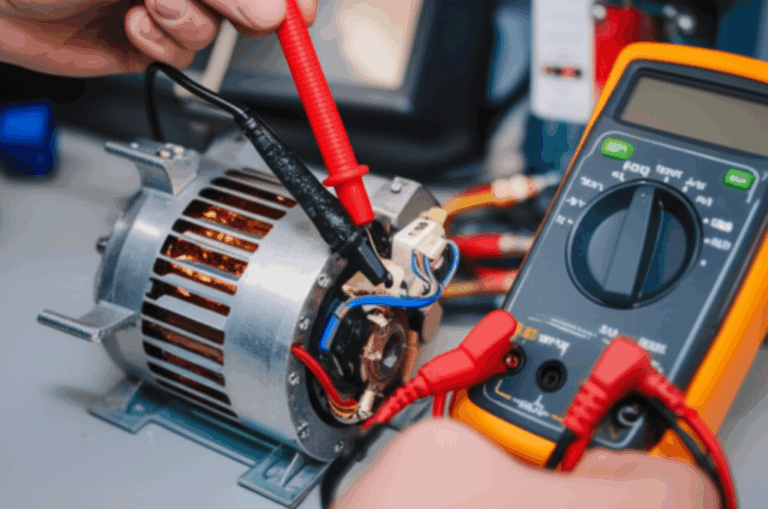
Next, use a multimeter. Here is what to do:
- Do a voltage test at the blower motor resistor connector. Turn the fan switch through each speed. Make sure power arrives. If no power arrives, you may have climate control panel issues or a wiring fault.
- Do a continuity test on the resistor if your unit allows it. Some resistor packs have fixed resistance values you can check. Some electronic units do not.
- If your pack has a thermal fuse, test for continuity across it. A blown thermal fuse means the pack is open.
- Check grounds. Checking grounds on the blower motor and the resistor bracket matters. A bad ground wire can cause strange fan speed settings.
- Check the wiring diagram for the blower motor resistor if you can. OEM service info or a clear guide helps.
If you have a multimeter, you can also check power to the blower motor directly. If the motor will not spin with power and ground applied, the motor is bad. That is HVAC blower motor troubleshooting 101.
If you like video help, a YouTube video for blower motor resistor install can show fast steps on your car. An owner’s manual for blower motor resistor location can help too. You can also read an auto repair forum thread or a mechanic’s guide for blower motor resistor to learn common tricks and electrical troubleshooting for car AC.
Where Is the Blower Motor Resistor Located in Your Car?
Most often you will find it on the passenger side. Look behind the glove compartment. Many cars place the resistor behind the glove compartment near the blower motor. You may need glove box removal for resistor access. On some cars you do dashboard disassembly for resistor service. Some place it under the dashboard on the passenger side. A few put the resistor in the blower motor housing itself.
People often ask where is blower motor resistor located. Here is a fast guide:
- Resistor location passenger side near the blower
- Resistor behind glove compartment on many compacts
- Integrated resistor module replacement on some newer models
For your car, search online by make and model. For example:
- Ford F150 blower motor resistor location often sits behind the glove box
- Chevy Silverado blower motor resistor replacement is under the dash
- Honda Civic blower motor resistor fix often means dropping the glove box
- Toyota Camry blower motor resistor install is by the cabin filter door
- Jeep Grand Cherokee blower motor resistor sits near the blower case
- Dodge Ram blower motor resistor problems often show melted connectors under the dash
- Nissan Altima blower motor resistor sits by the passenger footwell
- Volkswagen Jetta blower motor resistor sits in the HVAC case
- BMW blower motor resistor failure is often called a final stage unit
- Mercedes C-Class blower motor resistor and the Audi A4 blower motor resistor are tricky but still doable with basic tools
What Tools and Parts Do You Need?
Keep it simple. Here is what I use most of the time.
- Screwdriver set: Phillips, flathead, Torx
- Socket wrench set: small sizes for tight spots
- Pliers: needle-nose and regular
- Multimeter for voltage and continuity
- Wire cutters and strippers if you need to fix the connector
- Work light or headlamp
- Safety glasses and work gloves
- Shop towels, electrical tape, zip ties
For parts, grab:
- A new blower motor resistor: OEM parts work best but quality aftermarket parts from ACDelco, Dorman, Bosch, or Standard Motor Products also work
- A replacement connector if the original is melted or damaged
- Heat shrink tubing or quality electrical tape
You can find parts at Autozone, O’Reilly Auto Parts, Advance Auto Parts, or RockAuto. OEM parts from the dealer also work well. Your vehicle owner’s manual may show the specific resistor part number lookup.
How Do You Replace the Blower Motor Resistor Step by Step?
Problem. The fan does not work on low or medium. Or not at all. You feel stuck.
Agitate. A foggy windshield creeps up fast. Kids in the back complain. You feel stress.
Solution. Follow this resistor pack installation guide. It is a step-by-step resistor replacement you can do at home.
Safety first:
- Disconnect battery before resistor replacement. Remove the negative cable.
Access the resistor:
- Clear the work area. Slide the passenger seat back. Move floor mats.
- Remove the glove compartment if needed. Open it. Press the side stops. Let it drop. Some have screws. Some have a damper arm.
- Remove any kick panels or trim that block access.
Remove the old resistor:
- Find the resistor pack near the blower motor case.
- Unplug the electrical connector for the resistor. Press the tab. Gently wiggle it free.
- Remove the resistor mounting screws or clips. Keep them safe.
- Pull out the resistor pack. Watch for a heat sink. Do not force it.
Inspect wiring:
- Check for burnt, melted, or corroded wires or connectors. Look hard at the wiring harness at the blower motor resistor.
- Fix issues now. Soldering blower motor resistor wires is fine if the connector kit calls for it. Use heat shrink. Use proper crimp tools. Do not twist and tape only.
Install the new resistor:
- Slide the new resistor module into the opening. Seat it fully so the heat sink can touch the air path.
- Secure it with the mounting screws or clips.
- Reconnect the electrical connector. Make sure it locks with a snug fit.
Test:
- Reconnect the battery.
- Turn the key to ACC.
- Test all fan speeds. Low, medium, high. Check for smooth steps.
Reassemble:
- Refit the glove box and panels.
- Clear your tools and trash.
If all speeds work, you nailed it. If not, read the next section.
Post-Install Checks and Troubleshooting Tips
If the fan still fails on low and medium but works on high, you may have a still bad resistor, a wiring fault, or a blown thermal fuse inside the pack. Double check fan speed settings. Run a quick voltage test at the connector.
If you still have no fan speeds at all, check the blower fuse and the relay for the blower motor resistor again. Confirm power reaches the resistor. If power reaches the resistor and the output is dead on every speed, the resistor module may be faulty out of the box. It happens.
If the blower will not spin even with full power, the blower motor may be bad. That is troubleshooting fan speed settings the right way. Also check the climate control panel for fan issues. Sometimes the control head fails and it looks like a resistor issue.
When in doubt, call a mechanic or an automotive technician. A pro can run AC system diagnostics DIY steps with pro tools. If you hit a wall, it is okay to ask for help.
Costs, Time, Brands, and Where to Buy
Here is a short table you can use.
| Item | Typical Range | Notes |
|---|---|---|
| Blower motor resistor replacement cost (part) | $20–$150 | OEM vs aftermarket matters |
| Professional blower motor resistor installation cost (labor) | $80–$250 | Depends on access time |
| Resistor replacement time estimate | 20–60 minutes | Most cars take less than 1 hour |
| Where to buy blower motor resistor | Dealer, Autozone, O’Reilly, Advance, RockAuto | Keep your VIN for part match |
| Best brand blower motor resistor | OEM, ACDelco, Dorman, Bosch, Standard Motor Products | Use quality for long life |
Want to save more money. You can do the work yourself and buy from a trusted source. OEM vs aftermarket blower motor resistor is your call. I pick OEM if cost is close. I pick a known brand if aftermarket wins on price.
If you are stuck for a day or two, you can use a resistor bypass temporary fix, but I do not suggest it. It can cause more heat and more damage. Fix it right.
Vehicle-Specific Pointers That Save Time
Every car has small twists. Here are quick pointers that help with vehicle specific blower motor resistor installs.
- Ford: Common Ford resistor problems include melted connectors. The F-150 often hides the resistor behind the glove box. A Torx bit helps.
- GM: Common GM resistor problems look like fan stuck on high. Chevy Silverado blower motor resistor replacement puts you under the dash next to the blower. Watch for a fused lead on some kits.
- Japanese cars: Common Japanese car resistor problems include corrosion near the cabin air filter door. On a Honda Civic, drop the glove box. On a Toyota Camry, open the filter door and spot the resistor next to it. Nissan Altima likes to hide it near the passenger footwell.
- German: BMW blower motor resistor failure is often called the final stage unit or FSU. It lives deep under the dash. Volkswagen Jetta and Audi A4 units sit in the HVAC case. Mercedes C-Class varies by year.
Tip: Use the vehicle owner’s manual and search for an automotive electrical schematic. That helps you spot the exact resistor pack installation screws and the connector lock tab style.
Maintenance Tips to Make the Fix Last
You can help the new resistor live a long life. Follow these preventative maintenance for blower motor tips.
- Replace the cabin air filter on time. The cabin air filter impact on the resistor is real. A clogged filter raises heat in the air box.
- Fix blower motor issues fast. If the motor draws too much power, it can cook the new resistor. Symptoms of failing blower motor include squeals, slow start, and low airflow on high.
- Do not run the fan on high all the time if you can help it. Mix your speeds when the weather allows.
- Keep the cowl drain clear. Water leaks drip on the HVAC case in some cars and that can corrode the resistor and the connector.
Helpful Background on Motors and Materials
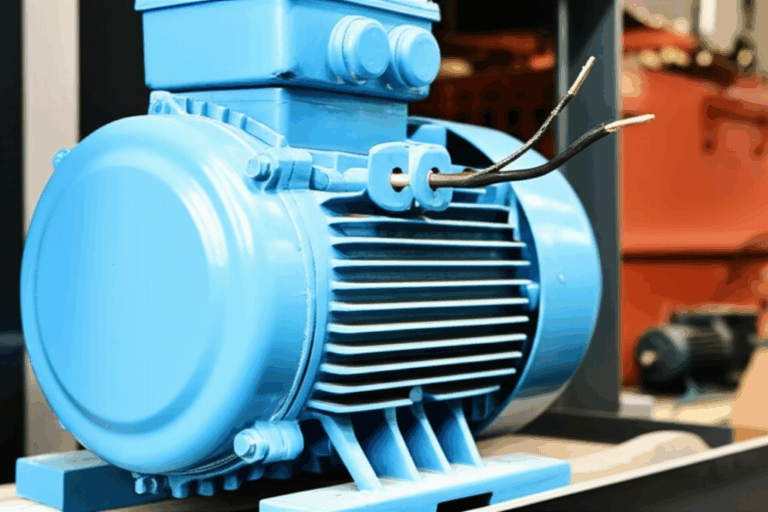
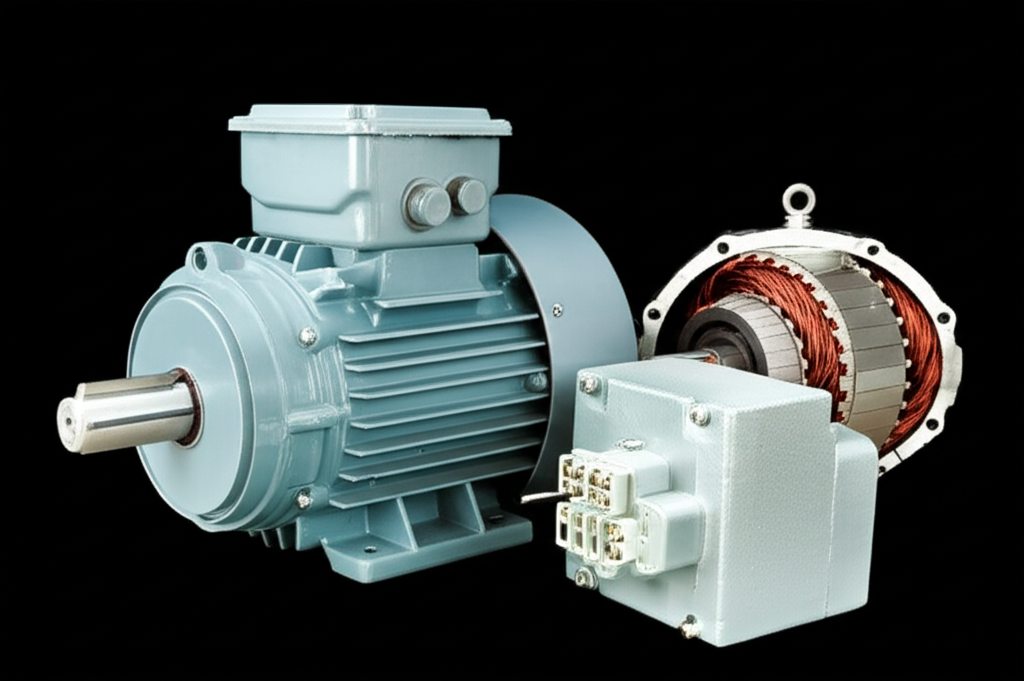
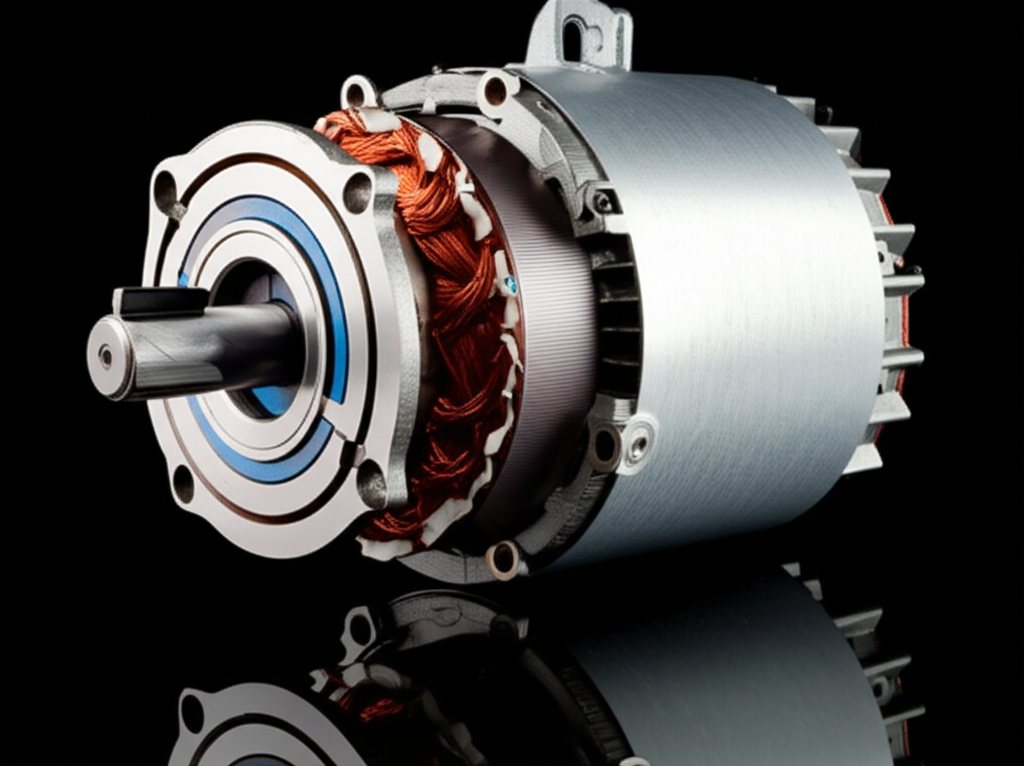
Your blower motor sits in a housing with a fan wheel. The motor has a stator and a rotor. That basic idea shows up in every motor from tiny DC fans to big machines. If you want a simple primer, read this clear guide on stator and rotor basics.
Inside many motors and transformers, thin steel sheets stack up to make cores. These stacks are called laminations. They help the motor run cool and smooth since laminations cut eddy losses. If you enjoy tech, see how stator core lamination and motor core laminations shape performance. You can also learn about electrical steel laminations that go into many electric machines. This is fun background if you love how things work.
Now back to the car. Older cars often use wire-wound resistor packs. Newer cars use an electronic blower motor resistor or a resistor module replacement with PWM control. The table below shows both types.
| Resistor Type | How It Works | Pros | Cons |
|---|---|---|---|
| Wire-wound resistor pack | Drops voltage with coils | Simple, cheap | Runs hot, can burn out, can crack |
| Electronic PWM resistor/module | Switches power fast to control speed | Efficient, smooth control | Can fail from surges, cost a bit more |
Average lifespan for a blower motor resistor can run 3–7 years. Some last the life of the car. Others fail early due to heat or moisture. When to replace the blower motor resistor. Replace it when you lose speeds or when testing proves the unit is bad.
FAQ
Q: Why is my car heater fan not blowing on low and medium
A: The resistor most likely failed. Test the resistor and its thermal fuse. Check the connector for heat damage.
Q: How do I fix a car fan that only works on high
A: Replace the resistor module. Check the blower motor fuse and relay. Verify the wiring and grounds.
Q: Do I need a special resistor removal tool
A: Most cars use simple screws. A small socket or Torx bit does the job.
Q: Is there a way to test the blower motor resistor before I buy a new one
A: Yes. Use a multimeter. Do a continuity test on wire-wound packs. Do a voltage test at the connector while moving the fan speed selector.
Q: Can the climate control panel be the cause
A: Yes. Climate control panel fan issues can mimic a bad resistor. Make sure power reaches the resistor when you move the switch.
Q: What if I smell something burning from the AC vents
A: Shut it down. A burning smell from AC vents can mean a melting connector or overheating resistor. Inspect at once.
References
- OEM Service Manuals and Vehicle Owner’s Manuals for wiring diagrams and torque specs
- Auto Parts Retailers: Autozone, O’Reilly Auto Parts, Advance Auto Parts, RockAuto fitment databases
- Known Brands: ACDelco, Dorman, Standard Motor Products, Bosch technical sheets
- Society of Automotive Engineers (SAE) papers on HVAC electrical systems
- Community Sources: Established auto repair forum threads with resistor troubleshooting best practices
Key Takeaways
- Use the PAS method to guide your repair:
- Problem: Loss of fan speeds, no fan, or erratic fan speed control
- Agitate: Heat or cold makes driving hard and fog can hurt visibility
- Solution: Simple how to replace blower motor resistor steps get your HVAC system back
- Quick diagnosis matters:
- Check the blower motor fuse and relay
- Do a voltage test and a continuity test on the resistor and thermal fuse
- Inspect for corroded wires and melted connectors
- Confirm good grounds on the blower motor and resistor body
- Access is easy on most cars:
- Resistor behind glove compartment or under the dashboard on the passenger side
- Remove a few screws or clips
- Replace the module and test all speeds
- Plan your tools and parts:
- Screwdrivers, socket set, multimeter, pliers, work light
- New resistor module and a replacement connector if needed
- Safety glasses and work gloves
- Keep it safe and clean:
- Disconnect the battery before any electrical work
- Repair damaged wiring with proper crimp or solder and heat shrink
- Seat the module fully so the heat sink can shed heat
- Watch for special cases:
- Fan only on high suggests the resistor pack failed
- No fan at all can be fuse, relay, resistor, or the blower motor itself
- Climate control panel faults can mimic resistor failure
- Protect your fix:
- Replace the cabin air filter on time to reduce heat load on the resistor
- Fix blower motor issues fast to avoid cooking the resistor
- Mix fan speeds to lower heat in the resistor pack
- Costs and time:
- Parts usually cost $20 to $150
- Labor can run $80 to $250 if you go to a shop
- DIY often takes 20 to 60 minutes
- If you want to learn more about motors:
- See how laminations in the stator and rotor shape motor performance
- Explore topics like stator core lamination, motor core laminations, and electrical steel laminations for a fun tech dive
- Bottom line:
- You can make your car AC work again with a fast automotive AC electrical repair
- A solid air conditioning fan repair guide like this one makes the job easy
- Do the work once and enjoy smooth airflow on every drive