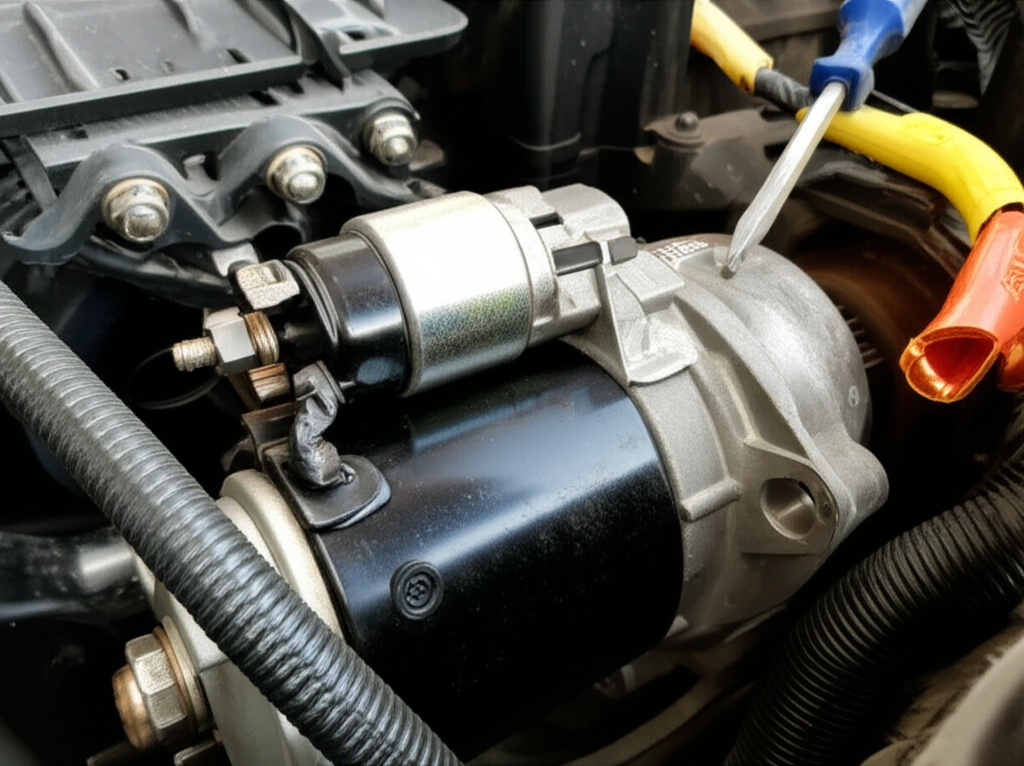
How to Temporarily Bypass a Starter Motor (Emergency Start Guide)
When your car will not crank you feel stuck. I have been there. In this guide I show you safe emergency steps to get moving. You also learn what to check first, how to lower risk, and how to fix it right later. Read this now if your car will not start, because the right move saves time and money.
Table of Contents
- Overview and why this matters
- What is a starter and why it fails
- Is bypassing safe and legal
- What should you check first
- What tools do you need
- How do you bypass the starter solenoid
- How do you bypass the starter relay
- Can you push start a manual car
- What to do after the car starts
- When you should not bypass
- Long term fixes and better parts
- Troubleshooting checklist and terms you will hear
- Data, risk, and costs in one simple table
- FAQs
- Key takeaways
Overview and why this matters
Problem: your car will not start. You turn the key and you hear nothing or only a click. You worry. You need help now. You need to move the car home or to a shop fast.
I get it. I once sat in a parking lot at night with a dead starter motor. I felt the stress. So I wrote this guide in simple steps. I call out what to try, what to skip, and what risks to avoid. I show you how to use a screwdriver to bridge a starter solenoid, how to use a jumper wire at a starter relay, and how to push start a manual transmission.
You also learn when to stop and call roadside assistance or a tow truck. Bypassing is a short fix. It is not a long repair. Safety comes first. Then you can drive to a mechanic for real automotive repair.
What is a starter and why it fails
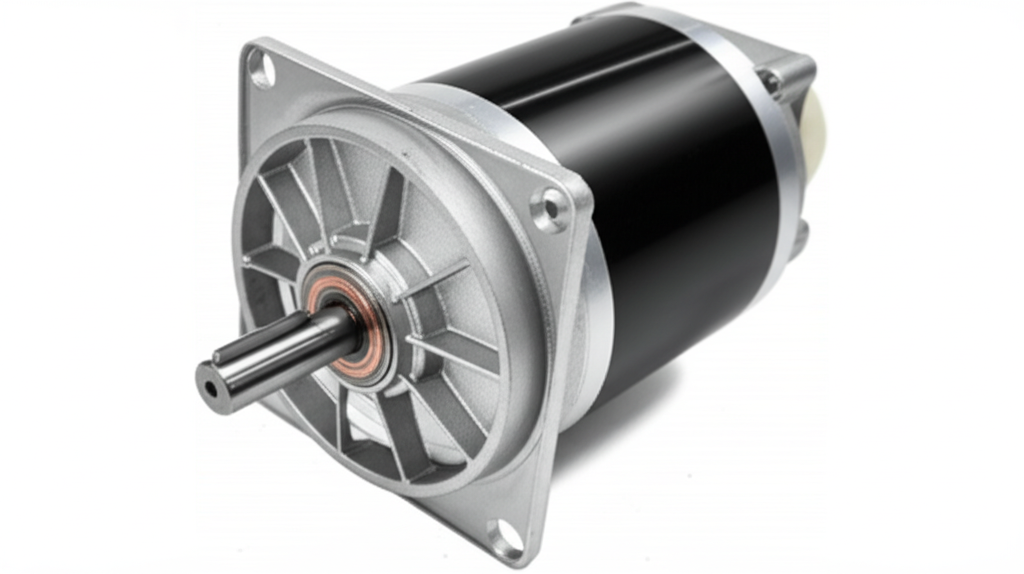
A starter motor is a small but strong electric motor. It spins the engine. It grabs the flywheel and ring gear with a small gear called a starter drive or Bendix. The starter solenoid sits on top. It acts like a big switch. The ignition switch sends a small signal to the solenoid. The solenoid then sends full battery power through the battery cables to the starter windings. The armature turns in the field coils, brushes touch the commutator, and the engine cranks.
Wear happens. Brushes wear down. The commutator gets dirty. A loose starter connection builds heat. The solenoid can stick. Worn starter brushes or a faulty starter drive can stop the spin. You may hear grinding noise. You may hear a starter clicking noise. Or you hear rapid clicking but no start because the car battery is weak.
Starters often last 100,000 to 150,000 miles. Heat, oil leaks, and old age make them fail. Cold weather can slow a weak 12-volt system. A corroded ground wire at the engine block builds resistance. Small faults in the wiring harness or a bad starter relay can also cause a no crank no start.
Is bypassing safe and legal
Bypassing a starter is a risky task. You work near high current. The 12-volt system can arc and burn skin. Sparks can cause a fire. Moving parts can hurt you. So you must use personal protective equipment or PPE like gloves and eye protection. Set the parking brake. Put the car in Park if it is an automatic transmission or Neutral if it is a manual transmission. Keep hands and tools away from the cylinder head, belts, and fans.
Is it legal to bypass your own starter? In general yes if it is your vehicle and you do it safely. It is not a theft method. It is a temporary emergency car start. Still, do not do it if you feel unsure. Call a mechanic or use roadside assistance. Your safety matters more than a quick fix.
What should you check first
Before you jump to a bypass, run quick diagnostic checks. Many “won’t start” events come from a weak car battery. Others come from poor battery cables or bad grounds. Here is a fast list.
- Check the battery. Turn on headlights. Are they bright or dim. Clean corroded battery terminals. Use a voltmeter or multimeter. A healthy battery at rest shows about 12.6 volts. A battery under 12.2 needs a charge from a battery charger.
- Listen for the click. A single loud click points to a solenoid issue. Rapid clicking points to low battery or poor connections. No sound at all may mean the ignition switch is bad or there is an open in the electrical system.
- Check fuses and relays. Look in the fuse box under the hood. Find the starter fuse and the starter relay. Swap the relay with another same type if you can. Use a test light to confirm power in and out.
- Check the neutral safety switch or the clutch safety switch. Try to start in Neutral instead of Park. Press the clutch fully in a manual car.
- Make sure you are not out of fuel. The fuel pump and spark plugs matter for engine fire but they do not stop cranking. Bypassing helps with cranking issues only.
If the engine cranking speed is slow, fix the battery side first. If the engine does not turn over at all, a starter bypass test can help pinpoint the starter problem.
What tools do you need
You do not need a full shop to try a bypass. Keep this small kit.
- Heavy duty insulated screwdriver or wrench for a screwdriver starter bypass
- Jumper cables
- Work light or flashlight
- Gloves and safety glasses
- Vehicle owner’s manual for component locations
- Test light and multimeter or voltmeter for quick checks
- Electrical tape and wire strippers for safe temporary wire ends
Keep a fire extinguisher nearby. Protect your eyes and hands. Keep kids and pets away. Do not wear loose clothing.
How do you bypass the starter solenoid
This is the most common method. It can be fast if you can reach the starter.
1) Locate the starter motor. It sits low on the engine near the flywheel. On many cars you reach it from below. Use a car jack and jack stands on solid ground. Never crawl under a car that sits only on a jack.
2) Identify the terminals. You will see:
- A large battery cable on a large stud with constant 12 volts from the positive terminal
- A small trigger wire on a small spade that gets power from the ignition system when you turn the key
- A large stud that feeds the starter motor itself
3) Set safety. Put the gear in Park or Neutral. Set the parking brake. Keep your face back. Clear the engine bay. If you have a helper ask them to sit in the driver seat.
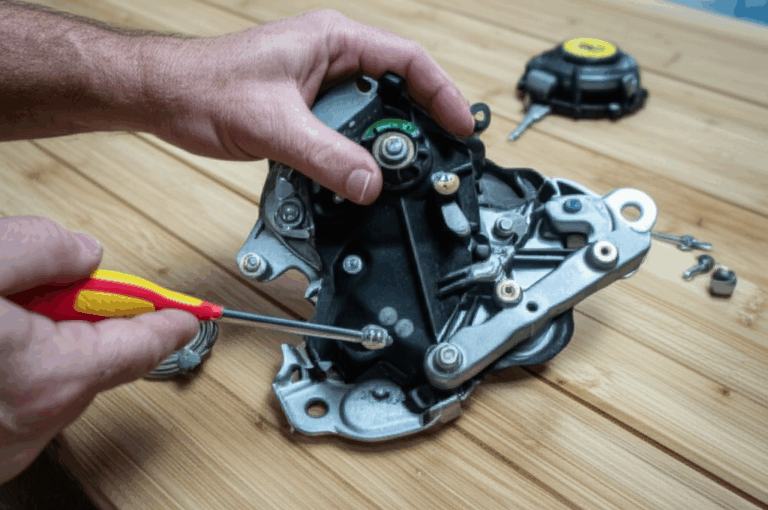
4) Bridge the solenoid. With an insulated screwdriver, briefly touch the large battery stud to the small solenoid trigger spade. Expect sparks. Hold it firm for a second. The solenoid should click and the starter should engage. The engine should crank. If the starter spins freely with a whir and no crank, the starter drive may be bad.
5) If that does not work, bridge the large battery stud to the large motor stud. This feeds the motor windings direct. Be ready for a big spark. Do not hold it long. If the starter now cranks the engine, the solenoid likely failed. If nothing happens at all the starter motor may be dead.
This direct starter motor activation is only a test or emergency move. Use it to jump start a bad starter one time. Then drive to a shop.
How do you bypass the starter relay
Many cars use a starter relay in the under-hood fuse box. If the relay is bad you can bypass it for a test.
1) Find the starter relay. The cover of the fuse box shows a map. The owner’s manual helps too.
2) Pull the relay. On the bottom of the relay you will see four or five blades. In the socket you will find two constant power pins and two control pins.
3) Use a jumper wire. Bridge the constant 12 volt power terminal to the power out to the starter terminal. Use a short heavy jumper. This sends power to the starter solenoid. The starter should engage. This relay bypass is quick and clean. Do not leave the jumper in place.
You can also test the ignition switch path. With a multimeter you can see if the control coil of the relay gets a trigger signal when you turn the key.
Can you push start a manual car
Yes if you have a manual transmission you can often push start. This method does not use the starter motor.
1) Find a safe flat area or a slight hill. Use a helper if you can.
2) Turn the ignition to ON. Put the car in 2nd gear. Press the clutch pedal.
3) Start moving. Have the helper push or let the car roll downhill. When you have a little speed release the clutch smoothly. The engine should “pop” and start. Press the clutch again and give a little gas.
If you have an automatic transmission you cannot push start. Call for help. Or try the solenoid or relay methods.
What to do after the car starts
This is key. Do not shut the engine off until you are at a safe place. Drive straight to a mechanic or to your home garage. Tell the mechanic what you did. This helps with the starter troubleshooting steps. The mechanic can test the starter motor current draw, do a voltage drop test at the ground and positive sides, and bench test the starter motor. They can inspect the wiring harness and the grounding issues at the block.
Do not rely on bypassing day after day. It is a temporary fix. Use it to move the car. Then repair the root cause. You may need a starter motor replacement. Or a starter rebuild kit. Or a new starter relay. Or repairs to the neutral safety switch.
When you should not bypass
- The battery is dead. If the battery is under 11.8 volts, bypassing will not help. Charge it first.
- You hear grinding noises. The ring gear or starter drive may be damaged. Do not force it.
- You smell fuel or see leaks. Do not make sparks near fuel.
- You feel unsure. If you do not feel safe, stop. Use roadside assistance. Call a tow truck.
Sometimes a car will crank but will not fire due to fuel or spark. Some people try a starter fluid method to see if the engine fires. That can help with fuel issues but it does not help a dead starter. Use it with care. Follow the can label. Keep a fire extinguisher nearby.
Long term fixes and better parts
You want peace of mind. You want your car to start every time. Once you diagnose the fault, replace worn parts with quality parts.
- If the starter solenoid failed, replace the solenoid or the whole starter motor. Many starters include the solenoid.
- If the brushes are worn or the commutator is scored, a rebuilt unit may help. Ask your mechanic about the cost of a new starter motor versus rebuild. Parts often run $100 to $400. Labor runs $100 to $300 or more depending on the vehicle manufacturer like Ford, Toyota, or Honda.
- If wiring is the issue, fix battery cables, clean the negative terminal and positive terminal, and repair the ground wire path to the engine.
- Check the alternator and charging system issues if the battery keeps going low. A bad alternator will not charge while you drive.
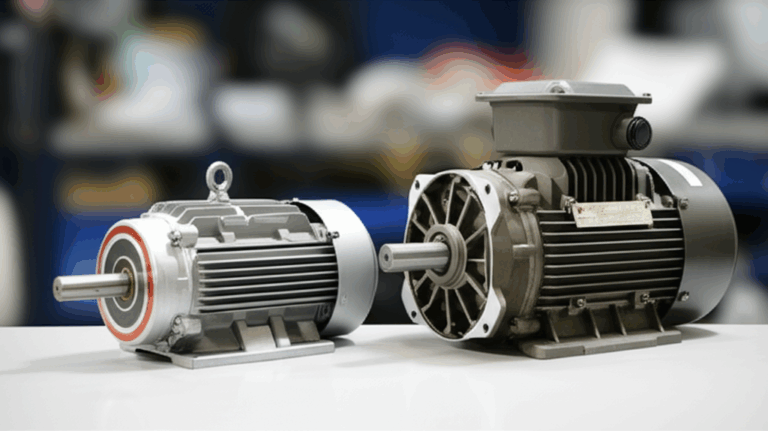
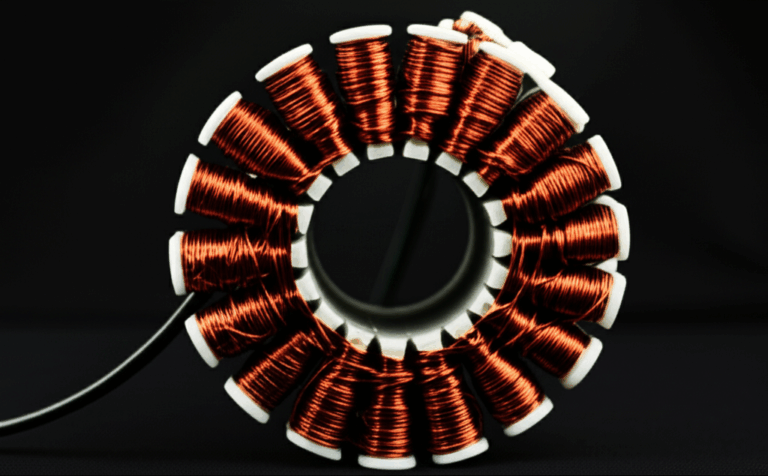
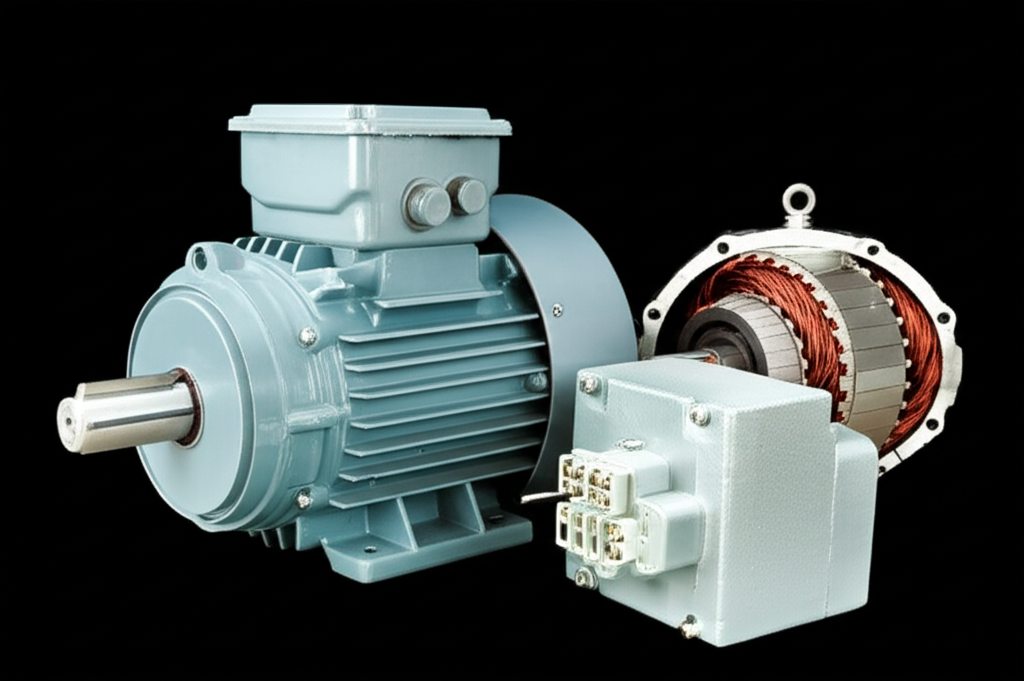
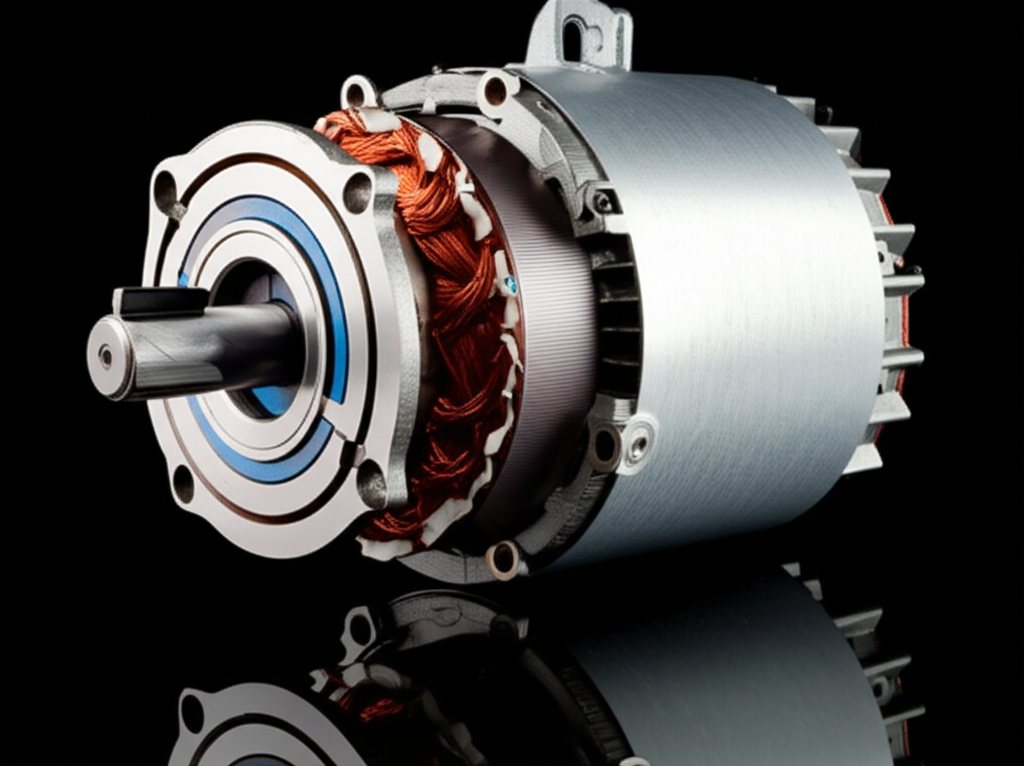
I also like to look deeper at motor quality. Inside any motor are a stator and a rotor. The steel stacks in those cores guide the magnetic field. Better steel and tighter build cut loss and heat. If you want to learn the basics, see this clear explainer on how a stator and rotor work. When you buy or rebuild, ask about lamination quality. It matters for performance and life.
For example, the quality of the stator core lamination and the rotor core lamination affects torque and heat. Good electrical steel laminations cut losses. That adds up to smoother cranking and longer life.
Troubleshooting checklist and terms you will hear
Here is a simple list of problems, tools, and phrases you may see when you talk to a mechanic or read a manual. I include many ways people describe the same thing. This helps you search and speak with confidence.
- Car won’t start
- Clicking but no start
- Starter clicking noise
- Dead starter motor
- How to jump start a starter
- Starter solenoid bypass
- Bypass ignition switch
- Hotwire a car starter
- Screwdriver starter bypass
- Jump start a bad starter
- Direct starter motor activation
- Test starter motor
- Car cranking issues
- No crank no start
- Starter relay bypass
- Emergency car start
- Stranded car starter fix
- Manual starter engagement
- Starter troubleshooting
- Automotive electrical troubleshooting
- Starter motor wiring diagram
- Starter terminal identification
- 12V starter bypass
- Remote starter bypass
- Safety bypass car starter
- Risks of bypassing starter
- Tools for starter bypass
- Starter motor location
- Neutral safety switch bypass
- Clutch safety switch bypass
- Battery check before bypass
- Fuses related to starter
- Alternator issues causing no start
- Starter fluid method
- Push start manual transmission
- How to start car with bad starter
- Temporary starter fix
- Getting power to starter
- Starter power wire
- Solenoid power wire
- What is a starter solenoid
- How starter motor works
- Symptoms of a bad starter
- Grinding noise starter
- Starter engaging intermittently
- Loose starter connection
- Corroded battery terminals
- Starter motor replacement cost
- Towing a car with a bad starter
- DIY car repair starter
- Quick fix starter
- Engine doesn’t turn over
- Starting system problems
- Electrical fault car
- Grounding issues starter
- Starter motor test procedure
- Bench test starter motor
- Starter motor current draw
- Voltage drop test starter
- Worn starter brushes
- Faulty starter drive
- Pinpoint starter problem
- Mechanic starter bypass
- Is bypassing starter dangerous
- Preventative maintenance starter
- Ignition system components
- Wiring harness inspection
- Electrical tape use car
- Protective gear for car repair
- Starter motor compatibility
- Vehicle specific starter bypass like Honda Civic starter bypass
- How to bypass starter relay
- Location of starter relay
- Fuses related to starter relay
- Power from battery to starter
- Starter motor ground wire
- Bypassing solenoid vs. motor
- What if starter spins freely
- How to diagnose a bad starter
- When to replace starter vs. bypass
- Cost of a new starter motor
- Starter rebuild kit
- Starter maintenance tips
- Why my car won’t start suddenly
- Troubleshooting car electrical problems
- Automotive safety tips
- Electrical arc danger
- Fire extinguisher for car
- Disconnecting car battery
- Using a multimeter car
- Starter motor circuit
- Ignition system diagnostic
- Cranking speed slow
- How to bypass starter with a switch
- Starter motor repair near me
- Emergency roadside assistance
- Car won’t start after sitting
- Weather effects on car starting
- Battery voltage check
- Charging system issues
You will also see these key parts and tools in your repair notes.
- Starter Motor
- Starter Solenoid
- Car Battery
- Ignition Switch
- Starter Relay
- Neutral Safety Switch
- Clutch Safety Switch
- Jumper Cables
- Screwdriver
- Wrench
- Multimeter
- Voltmeter
- Wiring Harness
- Fuses
- Alternator
- Engine
- Transmission
- Automotive Repair
- Mechanic
- Vehicle Owner
- 12-Volt System
- Electrical System
- Ground Wire
- Positive Terminal
- Negative Terminal
- Ignition System
- Fuel Pump
- Spark Plugs
- Cylinder Head
- Flywheel
- Ring Gear
- Starter Drive (Bendix)
- Brushes
- Commutator
- Field Coils
- Armature
- Battery Cables
- Tow Truck
- Roadside Assistance
- Personal Protective Equipment (PPE)
- Test Light
- Battery Charger
- Car Jack
- Jack Stands
- Electrical Tape
- Wire Strippers
- Push Start
- Manual Transmission
- Automatic Transmission
- Vehicle Manufacturer like Ford, Toyota, Honda
A note on design: inside many motors you find core lamination stacks that shape the magnetic path. High grade laminations lower heat and waste. That helps every start.
Data, risk, and costs in one simple table
Here is a short table to give you context. These values come from common industry observations, auto shop experience, and public info from AAA and parts catalogs. They are not exact for every car. They help you plan.
| Category | Data Point or Observation | Why it matters |
|---|---|---|
| Starter life | Many starters last 100,000 to 150,000 miles or about 10 to 15 years | You will likely face a starter repair at least once |
| Top no start causes | Battery 50% to 70%, Starter 15% to 25%, Alternator 5% to 10%, Ignition or wiring 5% to 10% | Check the battery first, then the starter path |
| Roadside calls | Millions of breakdowns each year list “won’t start” as a cause | You are not alone and help exists |
| Bypass risks | Arc burns, short circuits, fire, injury from moving parts | Use PPE and work with care |
| Tow cost | $50 to $200 or more based on distance and time | A successful bypass can save the tow fee |
| Starter repair cost | Parts $100 to $400, Labor $100 to $300 or more | Plan the budget for a proper fix |
| Bypass success | High if solenoid fails and battery is good, near zero if motor is seized or battery is dead | Diagnose first then try the right method |
FAQs
Q: Is bypassing a starter illegal
A: No if it is your car and you do it for repair or emergency. It can still be unsafe if done wrong.
Q: Can I damage my car by bypassing the starter
A: Yes if you short the wrong terminals or hold a jump too long. You can burn wires or fry electronics.
Q: How long can I drive after bypassing
A: Only long enough to reach a shop or a safe place. Do not shut the engine off until you stop.
Q: What if bypassing does not crank the engine
A: Check the battery again. Check the engine is free by turning the crank with a wrench on the pulley bolt. If the starter is seized you need a replacement.
Q: Can I install a switch to bypass the starter
A: Some people wire a momentary switch to the solenoid trigger. It is not a best practice for safety. Fix the root cause.
Key takeaways
- Use the PAS rule in your head. Problem: your car will not crank. Agitate: you feel stuck and time is tight. Solution: do safe checks then try a short bypass to move the car.
- Put safety first. Wear PPE. Set the brake. Keep the car in Park or Neutral.
- Check the battery, fuses, and relays before you bypass.
- Use the solenoid bridge method or the relay jumper for a short test. Expect sparks. Be quick and firm.
- Push start only works on a manual transmission.
- Drive to a mechanic right after you get it started. Do not rely on a temporary starter fix.
- Invest in quality parts. Better laminations in motors help with heat and life. Learn about stator core lamination, rotor core lamination, and clean electrical steel laminations.
- Learn the basics of motor action with this simple guide to how a stator and rotor work.
- If in doubt, use roadside assistance and call a tow truck. Your safety matters most.
References:
- AAA Roadside Assistance statistics and publications
- Industry repair guides like Chilton and Mitchell for labor times
- Parts pricing from major retailers such as RockAuto and AutoZone
- Electrical safety principles from OSHA and NFPA 70E