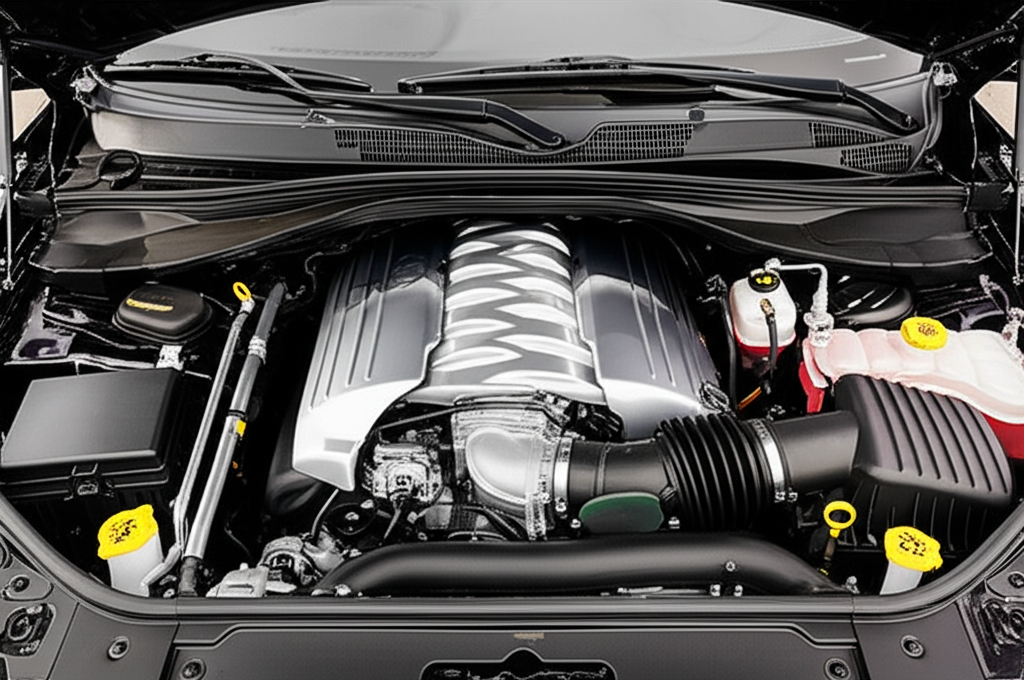
Is the 5.7 Hemi a Good Motor? An Honest Look at Reliability, Performance, and Common Issues
Short answer: Yes, the 5.7 Hemi can be a good motor if you know what to expect and you keep up on care. In this guide, I show you the power it brings, the problems people talk about, and the best ways to avoid big bills. You will see the facts on lifter tick, MDS, exhaust leaks, and more. You will also get clear tips to make your 5.7L last a long time.
Table of Contents
- What Is the 5.7 Hemi?
- How Did the 5.7 Hemi Evolve?
- How Much Horsepower and Torque Does It Make?
- Does It Tow Well and How Does It Drive?
- Is the 5.7 Hemi Reliable?
- What Are the Most Common 5.7 Hemi Problems?
- How Long Does a 5.7 Hemi Last?
- What Maintenance Keeps It Healthy?
- What Are the Pros and Cons?
- Buying a Used 5.7 Hemi: What Should You Look For?
- How Does It Compare to Other Engines?
- Quick Facts, Codes, and Parts That Matter
- Costs, Severity, and What to Expect
- Final Verdict: So, Is the 5.7 Hemi a Good Motor
- FAQ
- References
- Key Takeaways
What Is the 5.7 Hemi?
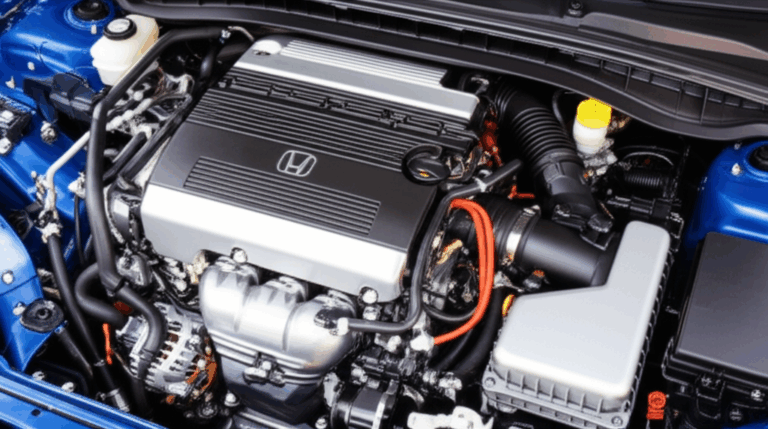
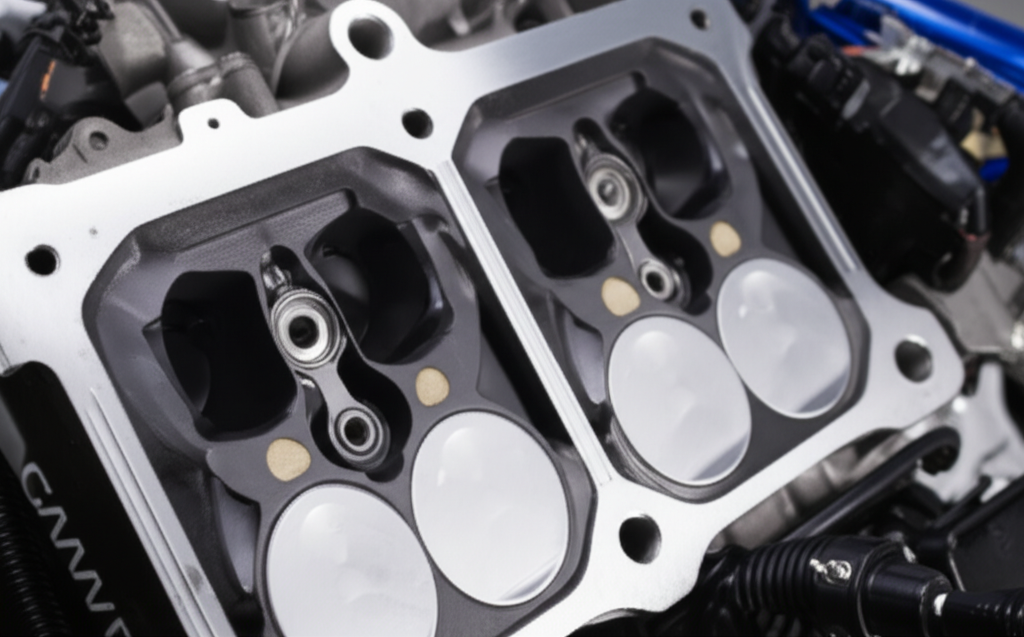
I will keep this simple. The 5.7 Hemi is a V8 engine from Chrysler. You see it in Dodge, Ram (Brand), Jeep, and the Chrysler 300C. It has 5.7L (displacement) or 345 cubic inches. It is a pushrod engine. It is naturally aspirated. People love the sound. People love the shove.
You find it in the Ram 1500, Dodge Charger, Dodge Challenger, Jeep Grand Cherokee, Dodge Durango, and Dodge Aspen. It also shows up in some Mopar builds and SRT trims in the past. This motor pairs well with the TorqueFlite 8 and the ZF 8HP. Those are smooth and quick transmissions that fit the Hemi’s torque curve.
From the start, the 5.7 Hemi mixed old-school muscle with new tech. It uses VVT (Variable Valve Timing). Many trucks use MDS (Multi-Displacement System), also known as cylinder deactivation. That shuts off four cylinders at cruise to save gas.
How Did the 5.7 Hemi Evolve?
The 5.7 Hemi came with the third-generation Hemi (engine family). Early years ran from 2003 to 2008. In 2009, the motor got updates many folks call the Eagle (engine generation). Eagle added VVT, better flow in the cylinder head, and tuned intake manifold changes. Owners saw more horsepower and torque.
You may hear the word Apache (engine generation). That name fits the 6.4L Hemi more than the 5.7L. I mention it because buyers compare the 5.7 Hemi vs 6.4 Hemi a lot. The 6.4 Apache makes more power. The 5.7 Eagle runs leaner and costs less to own for many drivers.
Is the 5.7 Hemi still made? In many cars and trucks, it is being phased out for new turbo six engines. Some models kept it through recent years. The Hemi engine history runs deep. The brand built its name on that half-dome combustion chamber. The legacy still draws buyers today.
How Much Horsepower and Torque Does It Make?
Here’s the fun part. Early 5.7 Hemis made around 340–345 horsepower and 375–390 lb-ft of torque. With the Eagle update, numbers moved to about 355–395 horsepower and 410–420 lb-ft of torque. Your exact number depends on the vehicle and year.
I have driven a Challenger 5.7 Hemi and a Charger 5.7 Hemi. Both pull strong. In a Ram 1500 5.7 Hemi, the grunt helps with trailers and loads. The Hemi engine horsepower increase from Eagle is real. It feels like a thicker mid-range. It gives you that easy pass on a two-lane road.
Want more? Some owners add a 5.7 Hemi supercharger kit or performance upgrades 5.7 Hemi like cams and headers. You can add Hemi engine performance chips and a 5.7 Hemi tune. A proper 5.7 Hemi tune-up also helps restore lost power.
Does It Tow Well and How Does It Drive?
The 5.7 Hemi makes trucks feel lively. You get quick jumps from lights and clean pulls on grades. A good torque converter 5.7 Hemi and the ZF 8HP keep it in the sweet spot. You can tow and haul with confidence. If you ask “Is 5.7 Hemi good for towing?” the answer is yes for half-ton class needs.
In cars, it feels smooth at cruise and bold when you press the pedal. It has that 5.7 Hemi exhaust sound that fans crave. With VVT, it keeps the motor responsive in town. On the highway, MDS can hold four-cylinder mode for better fuel economy.
Want better manners? A clean throttle body and fresh spark plugs help. A healthy PCM (Powertrain Control Module) and ECM (Engine Control Module) tune matters too.
Is the 5.7 Hemi Reliable?
Now the big question. Yes, the 5.7 Hemi can be reliable. I have seen trucks cross 150,000 to 250,000+ miles with normal care. I have also seen a lifter tick 5.7 Hemi turn into a cam and lifter failure 5.7 Hemi. That hurts wallets. The truth sits in the middle.
Let’s use PAS to make it clear.
- Problem: Known weak spots like lifter & camshaft failure, exhaust manifold leak 5.7 Hemi, MDS Hemi issues, or oil consumption 5.7 Hemi.
- Agitate: These can snowball. A small tick grows louder. A broken exhaust manifold bolt adds a leak. Rough MDS shifts beat on lifters. You waste fuel and time.
- Solution: Stay ahead of it. Use the best oil for 5.7 Hemi. Keep smart 5.7 Hemi maintenance. Listen for changes. Fix small things fast. Many owners avoid big failures by acting early.
Sites like CarComplaints.com, Consumer Reports, JD Power, and Motor Trend note the same themes. The 5.7 Hemi brings power and charm. It also needs love and clean oil.
What Are the Most Common 5.7 Hemi Problems?
You asked for the truth. Here it is in plain words.
- Lifter & Camshaft Failure
- The “Hemi tick” can start soft. It may be a stuck or worn lifter. Over time, it can chew a camshaft lobe. Causes include poor oil habits, MDS stress, and weak oil flow to a few lifters. You may see a misfire like P0300 5.7 Hemi misfire. If you wait too long, it can ruin the top end.
- Exhaust Manifold Leaks
- Heat cycles can warp exhaust manifolds or snap bolts. You hear a tick at cold start. It gets quieter when warm. You may smell exhaust. In some cases, you get a light on.
- MDS Malfunctions
- Multi-Displacement System uses oil-fed solenoids. Hemi VVT solenoid problems or MDS solenoid clogs can cause rough idle and poor fuel economy 5.7 Hemi Ram. MDS can add wear to lifters in some cases. Some owners choose a How to delete MDS on 5.7 Hemi approach with a tune. Know your local laws first.
- Oil Consumption
- Some motors use more oil. Causes include piston ring issues, valve guides, or the PCV system. If you do not check the oil, you risk damage. Watch for 5.7 Hemi oil pressure problems too.
- Other Issues
- Hemi coolant leak from a water pump or hose. 5.7 Hemi overheating issues if coolant runs low. Rare timing chain wear. 5.7 Hemi cold start noise on some engines. Worn valve springs or a weak oil pump in high-mile units. A tired torque converter can add shudder.
You also need to track sensors. A bad 5.7 Hemi crankshaft position sensor or 5.7 Hemi camshaft sensor can cause stalling. A weak 5.7 Hemi coolant temperature sensor can confuse fans and fuel trims.
How Long Does a 5.7 Hemi Last?
I have seen these engines run strong past 200,000 miles. Many owners report Hemi engine life expectancy of 150,000–250,000+ miles. Two things matter most. Maintenance and how you drive.
If you tow heavy and skip 5.7 Hemi service intervals, you invite trouble. If you keep oil clean and fix small leaks, the motor rewards you. If you ignore a tick, you risk a 5.7 Hemi rebuild cost or a full cost of 5.7 Hemi engine replacement. That can break a budget.
One more note. The 5.7 Hemi uses a chain not a belt. So “Does 5.7 Hemi have a timing belt or chain?” It has a chain. The motor is an interference engine. That means parts can hit if timing fails. The chain is robust. Still, good oil helps it live.
What Maintenance Keeps It Healthy?
You can stack the deck in your favor. Here is what I do and what I tell friends.
- Oil Changes
- Use a good synthetic. Brands like Pennzoil and Valvoline show up often in owner success stories. Follow the right weight from the manual. Shorten the interval if you have MDS or you tow. Clean oil helps lifters survive. Use the right Hemi oil filter type.
- Cooling System
- Check coolant. Fix drips. Keep an eye on the radiator, water pump, and hoses. A flush on time saves headaches. A Hemi engine block heater helps in deep cold starts.
- Ignition and Fuel
- Replace spark plugs on time. Use the best spark plugs for 5.7 Hemi that fit your year. Inspect coil packs and fuel injectors. Clean the 5.7 Hemi throttle body. Change the 5.7 Hemi transmission fluid as the maker says.
- Listen and Inspect
- Learn your engine’s normal sounds. A fresh 5.7 Hemi engine startup noise is not normal if it appears out of nowhere. Watch for Hemi engine knocking at idle. Look for Hemi engine oil leaks at the valve cover gasket or oil pan. Check the 5.7 Hemi intake manifold gasket if idle goes rough.
- Fix Small Things Fast
- A small MDS issue can snowball. A light tick can turn into a cam job. Keep up with 5.7 Hemi engine diagnostics. Read 5.7 Hemi engine codes. Look up Hemi engine service manual notes. Check for recalls and TSBs.
What Are the Pros and Cons?
Here is the straight talk.
- Pros
- Raw power & torque for size and class
- Excellent towing capability
- Distinctive V8 sound
- Proven platform when you keep it clean and serviced
- Widespread availability of parts & service through Mopar and aftermarket
- Cons
- Known lifter & camshaft concerns
- Exhaust manifold bolts and leaks
- Potentially high repair costs
- Fuel economy sits in “okay” for a V8 not “great”
- Sensitivity to maintenance neglect
Buying a Used 5.7 Hemi: What Should You Look For?
I never buy a used Hemi without a full P.P.I. Here is my playbook.
- Check service records. Clean oil changes win.
- Listen at cold start and warm idle. A light tick can be an exhaust manifold leak. A deep tick from the valley can be a lifter.
- Scan for codes. Watch for P0300 and misfires that move around.
- Look for oil consumption signs. Ask the seller how often they add oil.
- Inspect for leaks. Look at valve cover gaskets, oil pump weeps, water pump trails, and coolant crust.
- Test drive with a scan tool. Watch MDS engage. Feel the TorqueFlite 8 or ZF 8HP shift quality. Check for torque converter shudder.
Some owners install MDS delete kits or upgraded lifters. If done right, that can help. If done wrong, it can cause new issues. Ask who did the work. Ask for parts lists and torque specs used.
How Does It Compare to Other Engines?
People compare the 5.7 Hemi to the Ford Coyote and GM EcoTec3 V8s. Those engines shine too. The Hemi brings a big low-end hit and a classic feel. The Coyote likes to rev. The EcoTec3 leans on direct injection and AFM/DFM tricks.
Inside the Hemi family, buyers ask 5.7 Hemi vs 6.4 Hemi. The 6.4 Apache makes more power and torque. It also drinks more fuel. The 5.7 hits a sweet spot for cost and use. If you want an all-around motor for daily life and some fun, the 5.7 still fits.
Is the 5.7 Hemi still made? It has been phased out in some lines. The new Hurricane turbo six steps in. Yet a used Hemi engine for sale is easy to find. You can also buy a Hemi engine remanufactured unit or Hemi engine rebuild kits if you want to freshen yours.
Quick Facts, Codes, and Parts That Matter
Use this as your glove box cheat sheet.
- Performance and Economy
- 5.7 Hemi horsepower and 5.7 Hemi torque sit strong for class.
- 5.7 Hemi gas mileage in a Ram 1500 often falls in the mid-teens. A Charger/Challenger can do a bit better on the highway.
- Some trims are 5.7 Hemi E85 compatibility ready. Look for a flex fuel label or check your VIN.
- Common Issues to Watch
- 5.7 Hemi piston slap cold noise in some early units
- Hemi VVT solenoid problems
- 5.7 Hemi camshaft wear
- Hemi coolant leak
- Hemi water pump failure
- 5.7 Hemi overheating issues
- 5.7 Hemi cold start noise
- Hemi engine knocking sound
- Hemi engine oil leaks
- Service and Parts
- Spark plug change 5.7 Hemi at the manual interval
- 5.7 Hemi intake manifold gasket if idle goes odd
- Hemi oil pressure problems need fast checks
- 5.7 Hemi throttle body cleaning smooths idle
- 5.7 Hemi injector replacement if trims get wild
- Hemi engine sensor locations help with DIY
- 5.7 Hemi camshaft sensor and 5.7 Hemi crankshaft position sensor matter for start and timing
- 5.7 Hemi coolant temperature sensor ties to fan and trims
- 5.7 Hemi valve spring replacement for high miles and high RPM builds
- Ownership and Value
- Check Hemi engine warranty on new buys. Many had 5-year/60,000-mile powertrain.
- Ask about 5.7 Hemi engine weight only if you plan swaps. It is heavy. Plan lift gear.
- Know your Hemi engine fuel requirements. Use the octane the manual calls for.
- Compare aftermarket parts for 5.7 Hemi vs OE (Original Equipment) Mopar parts for fit and life.
- Read Hemi engine long-term review pieces from trusted sources before you commit.
- Ask “Best year for 5.7 Hemi?” Many owners like later Eagle years for refinements. A clean record matters more than the badge year.
Costs, Severity, and What to Expect
Here is a clear table you can save. Prices vary by shop and region.
| Feature/Issue | Description & Context | Typical Occurrence / Severity | Estimated Repair Cost Range (USD) | Impact on Good Motor View |
|---|---|---|---|---|
| Engine Displacement | 5.654 L (345 cu in) | N/A | N/A | Strong base for power |
| Horsepower Output | 2003–2008: 340–345 hp; 2009+ (Eagle/VVT): 355–395 hp | Consistent by model | N/A | Great for trucks and cars |
| Torque Output | 2003–2008: 375–390 lb-ft; 2009+ (Eagle): 410–420 lb-ft | Consistent by model | N/A | Big low-end pull |
| Fuel Economy | Ram 1500: often 15–18 MPG; Charger/Challenger: often 16–19 MPG | Average for V8 | N/A | Not a leader in MPG |
| Longevity | With good care, 150k–250k+ miles | Depends on maintenance | N/A | Good if cared for |
| Lifter & Cam Failure | Lifter wear leads to cam damage | 80k–150k miles common; high severity | $2,500–$6,000+ | Big negative if ignored |
| Exhaust Manifold Leaks | Warped manifolds or broken bolts | 60k–120k miles; medium severity | $600–$1,500 per side | Annoying but fixable |
| MDS Malfunctions | Solenoid or oil pressure issues | 50k+ miles; medium severity | $300–$800 | Hurts manners and can add wear |
| Oil Consumption | Varies by engine and use | Low to medium severity | Top-offs add up; rebuild is costly | Watch level often |
| Coolant System Leaks | Radiator, pump, hose | After 100k miles; medium | $300–$1,000 | Fix fast to avoid heat issues |
| Piston Slap/Noise | Early cold start skirt noise | Early miles if present; low-medium | $3,000–$7,000+ if rebuild | Not always fatal but watch |
Final Verdict: So, Is the 5.7 Hemi a Good Motor?
Let me answer like a friend. If you want a V8 with punch and soul, the 5.7 Hemi delivers. If you need a truck that tows well and feels strong off the line, it shines. If you demand zero issues ever, it may test you. It has known weak spots. It also has a huge support world with Mopar and aftermarket help.
Use PAS for your choice.
- Problem: You fear 5.7 Hemi problems like lifter tick and manifold leaks.
- Agitate: You see big repair bills online. You worry about 5.7 Hemi common faults and Hemi engine design flaws.
- Solution: Get a clean used one with records. Keep oil fresh. Fix small issues fast. If you want new, check typical warranty coverage and read the fine print. If you build or rebuild, choose good parts. A well-kept 5.7 Hemi can be a “good motor” for many years.
In the end, “good” depends on you. If you prize reliability, follow the 5.7 Hemi maintenance schedule. If you prize performance, add a smart 5.7 Hemi tune and enjoy the drive.
FAQ
- Is the 5.7 Hemi an interference engine?
Yes. It uses a chain and it is an interference design. Keep oil clean.
- Can I run E85?
Some 5.7s are flex fuel. Check your VIN or the fuel door.
- What oil should I use?
Follow the manual. Many owners trust full synthetic like Pennzoil or Valvoline. Do not stretch intervals if you have MDS.
- What transmissions pair well?
The TorqueFlite 8 and the ZF 8HP both work well with the 5.7.
- How many miles can it last?
With care, 150,000–250,000+ miles is common.
References
- CarComplaints.com – owner-reported issues and trends on 5.7 Hemi models
- Consumer Reports – reliability insights and survey data
- JD Power – dependability studies and owner feedback
- Motor Trend – road tests and tech features on Hemi engines
- Mopar service literature – factory procedures and specs
A Side Note for Shop Owners and Builders
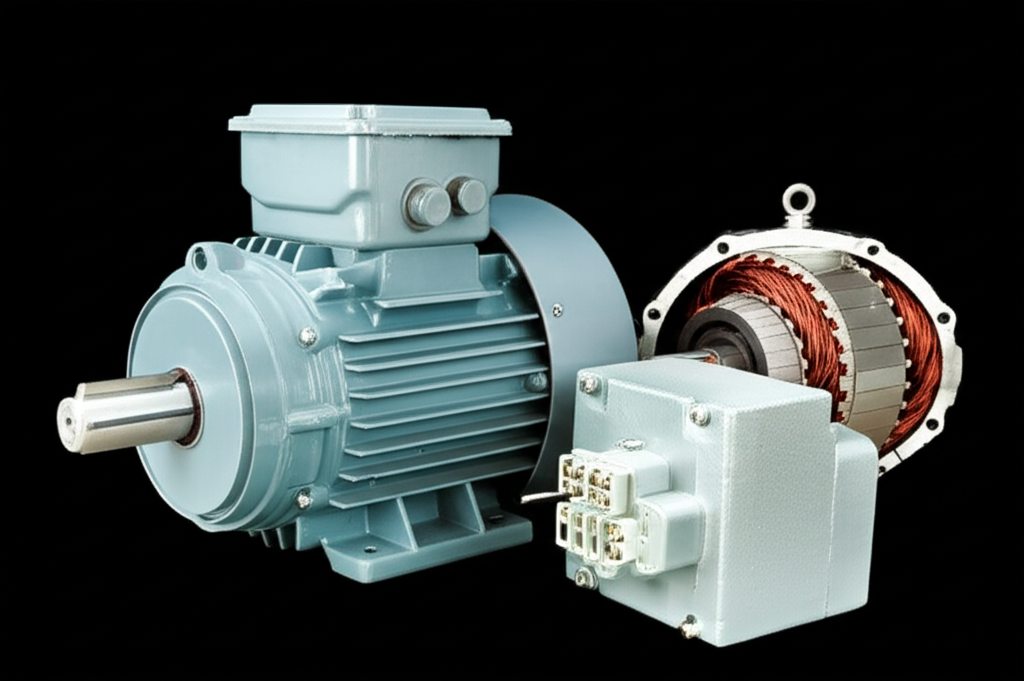
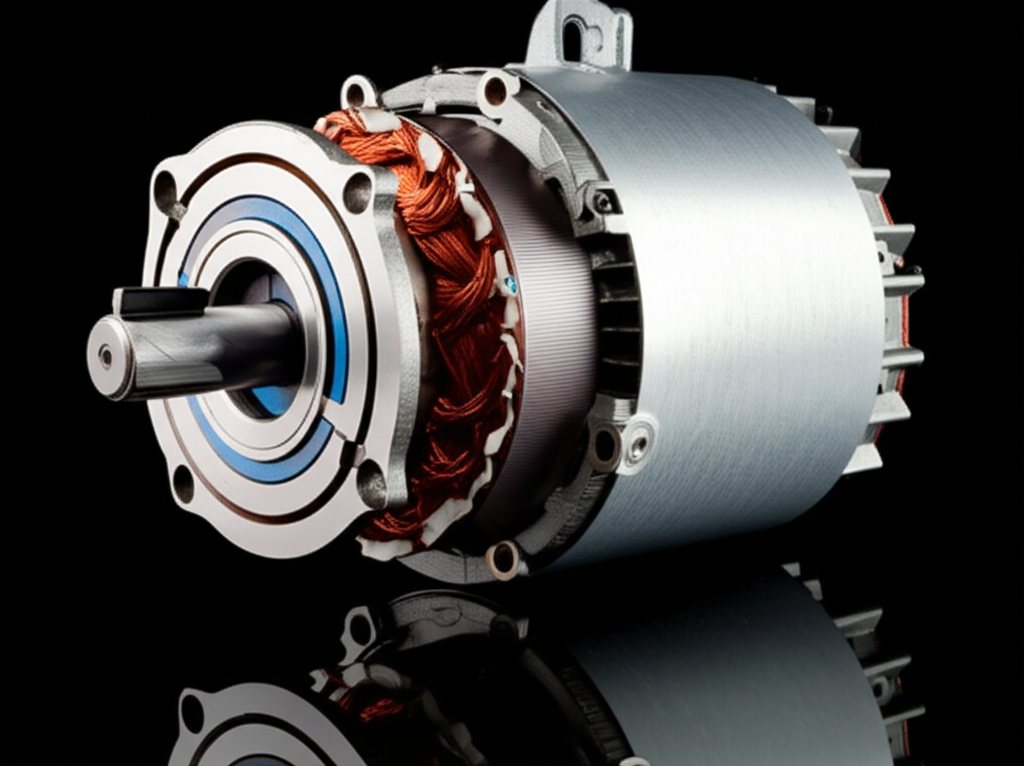
If you build or service electric motors that live near these vehicles, material quality matters. The alternator, starter, and fans all depend on smart core design. You can learn how a motor works here: clear basics of motor principle. For a fast primer on how a stator and rotor make motion, see this helpful guide: how stator and rotor work together. If you source parts, high-grade electrical steel laminations improve motor efficiency and heat control. Learn more here: engineered electrical steel laminations for motors. For deep-dive specs on core stacks, this resource shows key details: precision stator core lamination options.
Key Takeaways
- The 5.7 Hemi is a strong and proven V8 with classic feel and sound.
- Power is solid. 355–395 horsepower and 410–420 lb-ft in Eagle years are common.
- The big risks are lifter & camshaft failure, exhaust manifold leaks, and MDS troubles.
- Use good oil like Pennzoil or Valvoline. Shorten intervals if you tow or have MDS.
- Fix small issues fast. A soft tick can grow into a big bill.
- Expect mid-teen MPG in trucks and slightly higher in cars with light feet.
- Look for clean service records. Do a pre-purchase inspection and scan for codes like P0300.
- The engine uses a timing chain and is an interference engine. Keep oil clean to protect it.
- Parts are easy to find from Mopar and the aftermarket. You can buy remanufactured units too.
- If you want muscle and utility with the right care plan, the 5.7 Hemi can be a good motor for you.