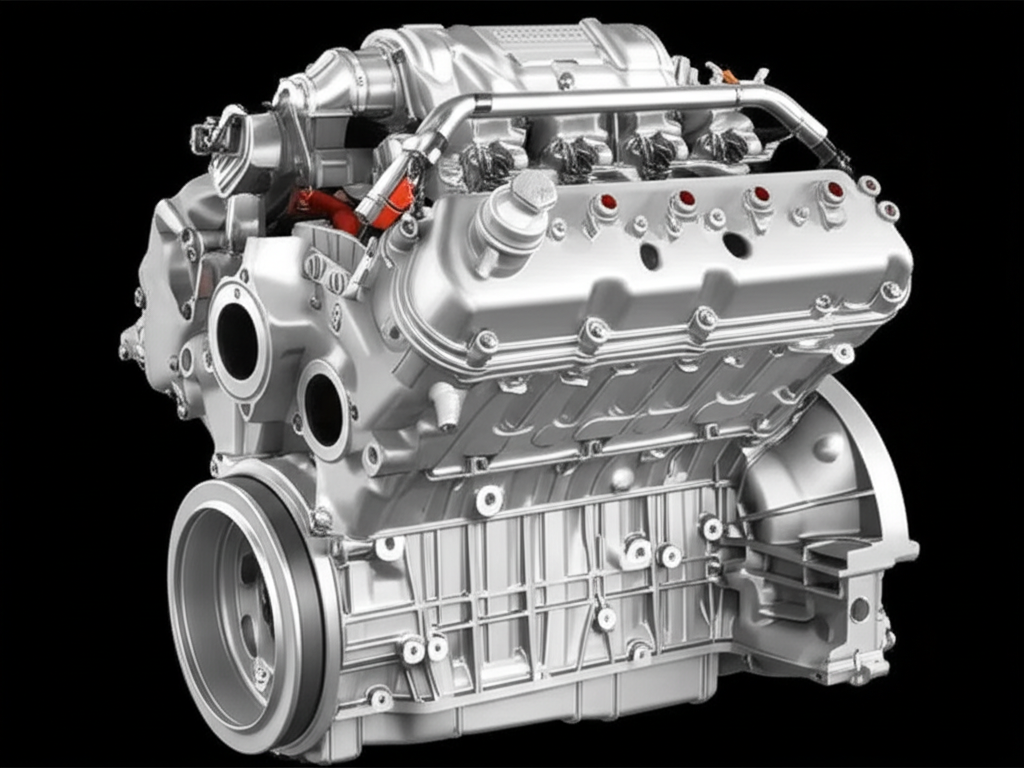
Is the 6.4 Powerstroke a Good Motor? An Honest Review of Reliability, Problems, & Value
You want the truth about the 6.4 Powerstroke. I will give it to you in plain words. This guide shows the good, the bad, and what it costs. Read this before you buy, so you do not buy a truck that drains your wallet.
Table of Contents
- Introduction: The Contested Legacy of the 6.4 Powerstroke
- What Is the 6.4 Powerstroke? Key Specs and History
- What Goes Wrong Most Often? The Bad Stuff You Must Know
- Why Do These Problems Happen? Design and Rules at War
- What Is Good About the 6.4? Power and Towing
- Can You Make a 6.4 Reliable? Bulletproofing and Maintenance
- How Much Will It Cost to Own and Fix?
- How Does It Compare to 6.0 and 6.7?
- Should You Buy a 6.4 Powerstroke This Year
- What Should You Check Before You Buy
- Data and Estimates: Quick Facts and Costs
- FAQs
- Final Takeaways
- References
Introduction: The Contested Legacy of the 6.4 Powerstroke
Problem: you need a strong truck for work or towing. You find a Ford Super Duty with a 6.4 Powerstroke at a nice price. You ask yourself one big question. Is the 6.4 Powerstroke a good motor?
I have owned diesels. I have worked with diesel mechanics and diesel technicians. I have watched owners cheer and curse this engine. The answer is not simple. The 6.4 is powerful yet it has common failures. It can tow like a champ yet it can wear out fast if you ignore the signs.
I will show you both sides. You will see the pros and cons. You will learn the 2008 to 2010 story. You will see what to look for. Then you can decide with clear eyes.
What Is the 6.4 Powerstroke? Key Specs and History
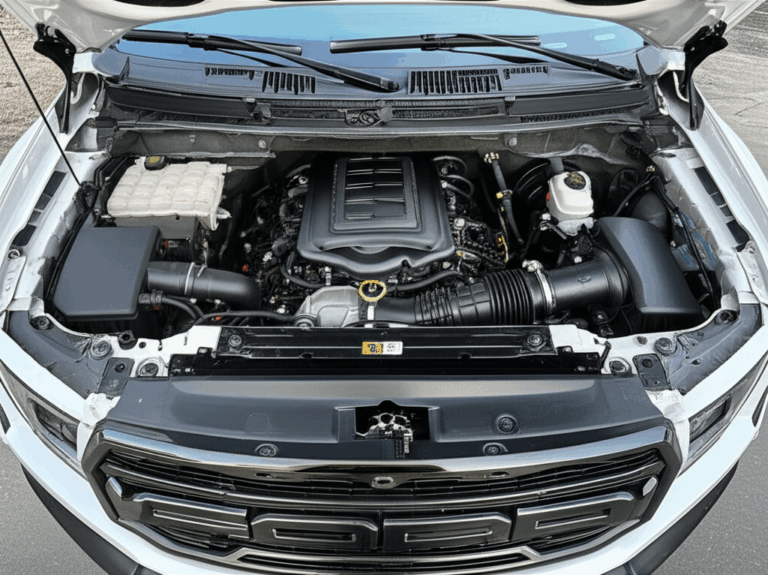
The 6.4 Powerstroke came in 2008, 2009, and 2010 Ford Super Duty trucks. You saw it in the Ford F-250, F-350, and F-450. Ford Motor Company used this engine as a bridge between the 6.0L and the 6.7L. International built it. You may also hear the name International MaxxForce 7.
On paper it looks great. It is a 6.4L V8 diesel engine with a common rail fuel system. It has compound turbos. That means it uses two turbochargers as a team. Ford rated it at about 350 horsepower at 3,000 rpm and 650 lb-ft of torque at 2,000 rpm. It came with the TorqShift transmission. It also used heavy emissions equipment like the DPF and the EGR system.
You get strong performance and smooth power delivery when it works well. You also get a lot of heat and stress. The engine control unit (ECU) pushes long regeneration cycles. The block is robust. The heads and pistons can take a lot if you keep oil clean and temps in check.
What Goes Wrong Most Often? The Bad Stuff You Must Know
Here is the hard part. The 6.4 Powerstroke reliability story gets rough. Many owners ask is the 6.4 Powerstroke problematic. You need to know the common issues list. If you keep reading you can avoid big bills.
- Emissions equipment issues:
- The Diesel Particulate Filter (DPF) can clog. The regeneration process can fail. You can get a clogged DPF or regeneration problems if you idle a lot or take short trips. This can cause oil dilution as extra fuel washes past the rings. Oil dilution hurts bearings and pistons. It can cause cylinder wash and faster wear.
- The Exhaust Gas Recirculation (EGR) system can leak or clog. The EGR cooler or valve can fail. EGR cooler failure can put coolant in the intake. That can lead to white smoke and big repairs.
- The oxidation catalyst (DOC) sits before the DPF. If the DOC does not heat right the DPF does not burn soot right.
- Fuel system vulnerabilities:
- The high-pressure fuel pump (HPFP) can fail. Debris can go through the common rail fuel system. You may see the 6.4 Powerstroke P0087 code for low fuel rail pressure. When the HPFP sheds metal you often must replace injectors and clean the whole system.
- Injectors can fail due to bad fuel or HPFP shavings. Injector issues show up as hard starts, rough idle, or smoke.
- Cooling system and head gaskets:
- The oil cooler can clog. That raises oil temps. Hot oil breaks down. That hurts the turbo and bearings.
- Coolant can degrade. It can cause scale and block passages. Some fear cylinder head cavitation over time if coolant care is poor.
- Head gasket failures are not as common as on the 6.0 yet they happen. When they go you see puking coolant or pressure in the degas bottle.
- Internal engine wear:
- Oil dilution speeds up wear on bearings and rings. You may face a cost of 6.4 Powerstroke engine rebuild if ignored.
- Rocker arm failures can happen. That shows as top-end clatter.
- In bad cases you get cylinder failure.
- Turbocharger issues:
- The variable geometry turbo (VGT) actuator can stick. That cuts boost.
- The compound turbo setup runs hot. Bearing failure can follow if oil quality drops.
You can see why owners talk about 6.4 Powerstroke common problems. You can also see why the 6.4 Powerstroke repair costs can bite.
Why Do These Problems Happen? Design and Rules at War
Let’s talk root cause. In that era emissions rules got tough fast. The 6.4 added a DPF and heavy EGR to meet targets. The engine ran extra fuel to burn soot. The long regens put fuel in the oil. Oil dilution followed. Extra heat came with it.
Ford and International faced integration challenges. The Blue Oval wanted power and quick rollout. International had its own designs. Some parts did not hold up in long heavy duty cycles. Some calibration choices met the lab yet hurt in real life stop and go use.
So the problems persist. The DPF gets clogged. The EGR runs hot. The cooling system gets dirty if you skip service. Then other parts fail in a chain. You feel like you fight the same war over and over.
What Is Good About the 6.4? Power and Towing
Now the good. The 6.4 Powerstroke performance feels strong. You get a wide torque curve. You get confident towing capacity when the system runs clean. For its time it beat many rivals in stock horsepower and torque.
I like the smooth power delivery. The compound turbo setup spools fast. The block is stout. The bottom end can take power if you keep fuel and oil clean. When you add smart 6.4 Powerstroke upgrades you can unlock more. Good tuning and better filtration help. A larger intercooler can drop temps. A turbo upgrade can add headroom. Many owners love the truck once sorted out.
If you focus on 6.4 Powerstroke fuel economy you can keep your foot light. It will not match newer 6.7 mpg figures. Yet a healthy truck can do fair for its weight.
Can You Make a 6.4 Reliable? Bulletproofing and Maintenance
Problem: stock trucks often break parts early. Agitate: you pay for a used truck then you pay again for parts. Solution: you plan a path to reliability.
- Preventative maintenance 6.4 Powerstroke:
- Use the best oil for 6.4 Powerstroke and change it often. Shorten intervals due to oil dilution risk. Watch oil level for fuel rise.
- Replace fuel filters on time. Use quality diesel. Add extra filtration if you can.
- Flush coolant on schedule. Use the right coolant. Keep the radiator and water pump fresh. Watch the cooling fan clutch.
- Aftermarket solutions:
- Add a lift pump and better filtration to protect the HPFP and injectors. This reduces aeration and adds lubrication.
- Upgrade the oil cooler and EGR cooler with better designs. Some go with improved cores to cut clogs.
- Watch engine parameters. A good monitor helps. Track EGT, boost, oil temp, and regen status using a tuner or monitor.
- Legal note:
- Some talk about 6.4 Powerstroke DPF delete and 6.4 Powerstroke EGR delete. Deleting emissions is only for off-road or race use where allowed by law. Street use can be illegal. Know your local rules. If you keep emissions stock you must service them more often. You can still make a 6.4 more reliable with better parts and better care.
When done right some call this 6.4 Powerstroke bulletproofing. With smart choices you can improve 6.4 Powerstroke lifespan. Many see 200k+ miles after upgrades and strict care. Success depends on quality parts and attention.
How Much Will It Cost to Own and Fix?
You must go in with eyes open. The cost to fix 6.4 Powerstroke parts can be high. The DPF replacement cost can run into the thousands. A failed HPFP can mean a full fuel system overhaul. That can run $3,000 to $8,000 or more. A turbo replacement can cost a few thousand. An engine rebuild costs even more.
The cost of ownership also includes fuel filters, oil, and coolant service. Insurance and parts availability vary by area. The used truck market often prices 6.4 trucks lower than 6.0 or 6.7 trucks. They look like bargains. Hidden costs can take away that smile. If you plan for 6.4 Powerstroke common fixes early you save later.
How Does It Compare to 6.0 and 6.7?
Vs. the 6.0L Powerstroke: The 6.4 has more power. It fixed some 6.0 pain points like certain head bolt issues. Yet it brought its own set of failures. The 6.4 may have fewer head gasket issues than the 6.0. It has more DPF related problems.
Vs. the 6.7L Powerstroke: The 6.7 brought a new design by Ford. It added Selective Catalytic Reduction (SCR) and urea injection (AdBlue) in later years to handle NOx. The 6.7 generally has better reliability and refinement. It also has better fuel economy and stronger towing. The 6.4 can make big power with tuning. The 6.7 does it stock with fewer headaches.
Where does the 6.4 rank in diesel engine reliability rankings? It sits below the 6.7. It often sits near the 6.0 due to high repair costs. That is why many ask why avoid 6.4 Powerstroke. Still some owners love it once sorted out.
Should You Buy a 6.4 Powerstroke This Year
It depends. If you want cheap power and you can wrench you may like it. If you can do DIY work and you understand the risks it can be a smart buy. If you want a truck for daily short trips you may not be happy. The DPF hates short trips. If you cannot budget for bulletproofing you may regret it.
For many buyers I advise caution. A used 6.4 can work for a niche buyer. It is not a set and forget engine. It demands care. It asks for attention and money upfront. I want you to buy with a plan or walk away.
What Should You Check Before You Buy
Use this as a buying guide 6.4 Powerstroke. I use it myself when I help a friend shop a used Ford diesel truck.
- Pre-purchase inspection:
- Hire a diesel specialist. A quick look is not enough. Ask for a compression test and a leak down test if needed. Scan the ECU for codes. Look for P0087 and other fuel system codes.
- Inspect the DPF and DOC. Check regen history. Look for signs of clogged DPF. Check for oil dilution on the dipstick.
- Test coolant for oil. Check the degas bottle for pressure. Ask about the oil cooler and EGR cooler history.
- Inspect for leaks at the radiator, water pump, and hoses. Check the cooling fan clutch.
- Listen for top-end noise that hints at rocker arm failure.
- What to look for when buying 6.4 Powerstroke:
- Ask for service records. Ask about fuel filters and oil changes. Ask about 6.4 Powerstroke maintenance schedule.
- Ask about aftermarket parts. Look for a lift pump. Look for improved cooling parts. Ask about injectors and HPFP.
- Check for engine tuning and 6.4 Powerstroke performance chips. Tuning can boost power. Bad tuning can break parts.
- Paperwork:
- Check recall history. Look up warranty repairs if any. Read about any class action lawsuit that may have covered parts in the past. This is background only yet it adds context.
If the truck passes this test and the price fits you can move ahead. If it fails walk away. There are many trucks for sale.
Data and Estimates: Quick Facts and Costs
Here is a table you can skim fast. These are general observations from the owner community and shops. Exact costs vary by area and parts choice.
| Feature/Metric | Description | Estimated Data / Observation |
|---|---|---|
| Production Years | When Ford used this engine | 2008 to 2010 |
| Engine Displacement | Size | 6.4 liters (391 cubic inches) |
| Stock Horsepower | Factory rating | 350 hp @ 3,000 rpm |
| Stock Torque | Factory rating | 650 lb-ft @ 2,000 rpm |
| Engine Design | Who and what | International MaxxForce 7, V8, common rail, compound turbos |
| DPF | Clogging and regen | High failure rate with short trips. Replacement $2,000 to $6,000+ |
| EGR | Cooler and valve | High failure rate. $1,000 to $3,000+ |
| HPFP | Fuel pump | Moderate to high failure. Often full system repair. $3,000 to $8,000+ |
| Oil Dilution | Fuel in oil | Pervasive. Cuts lifespan if ignored. |
| Turbochargers | Bearings and VGT | Moderate failures. $2,500 to $5,000+ |
| Average Lifespan (Stock) | Miles before major work | Highly variable. Many fail under 100k. Some reach 150k to 200k with care |
| Average Lifespan (Modified) | With upgrades | 200k+ possible with quality parts and strict service |
| Owner Sentiment | What owners say | Mixed to negative overall due to cost. Power praised |
| Used Truck Price Range | Market view | Often lower than 6.0 or 6.7 due to reputation |
Note: Your use and service habits change outcomes. Towing heavy every day is not the same as highway miles with long trips.
FAQs
- Is the 6.4 Powerstroke worth buying?
- It can be worth it if you plan for repairs and upgrades. It is not ideal for short-trip daily use.
- What years was the 6.4 Powerstroke made?
- 2008 to 2010.
- How many miles can a 6.4 Powerstroke last?
- Stock trucks often face big repairs near or before 100k to 150k. With upgrades and strict maintenance some go 200k+.
- Is the 6.4 Powerstroke good for towing?
- Yes when healthy. It has strong torque and smooth pull.
- Why did Ford stop making the 6.4 Powerstroke?
- New rules and the move to the 6.7L design made more sense. Integration issues and cost also pushed the change.
- Are 6.4 Powerstrokes expensive to maintain?
- Yes compared to many gas trucks and to some diesels. Plan a budget for repairs.
How Engineering Quality Matters: A Quick Analogy
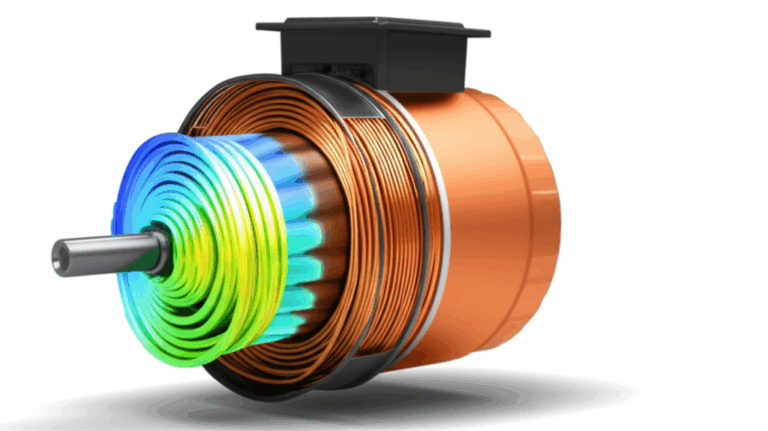
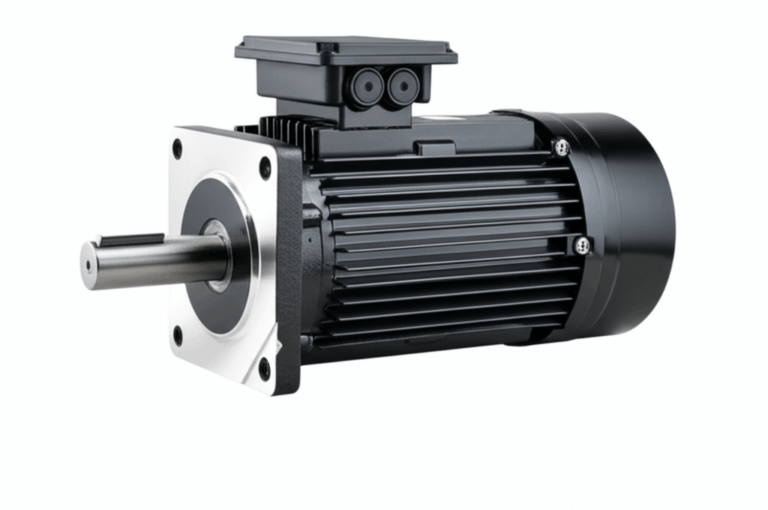
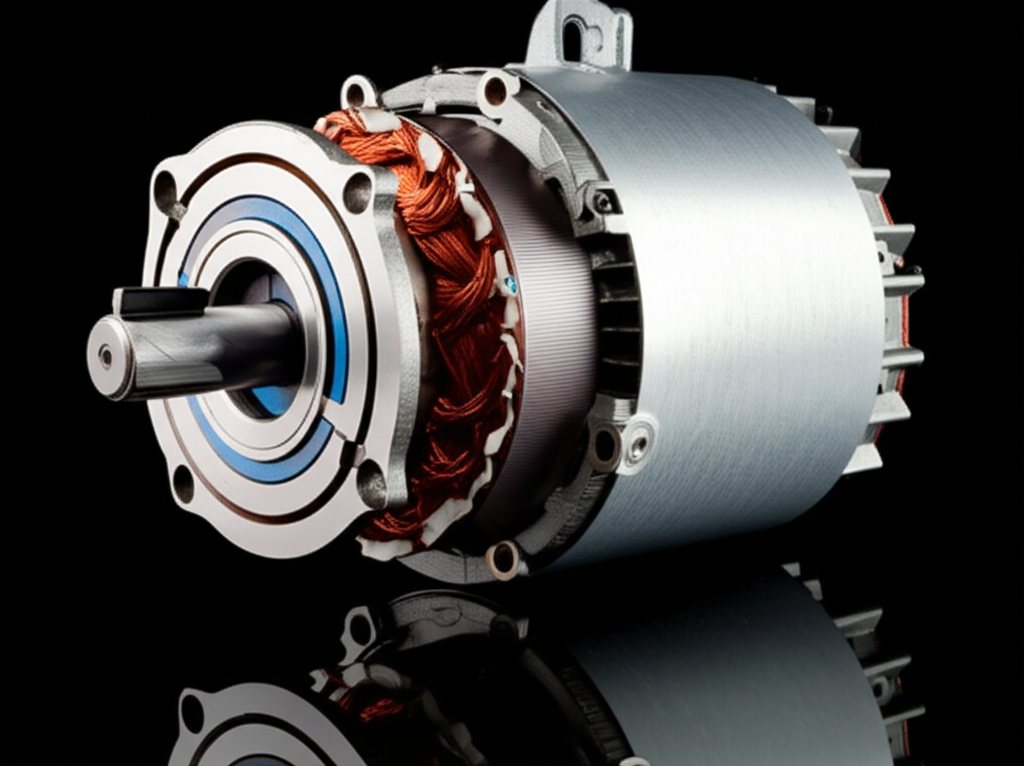
Engines and motors live or die by parts quality. Tight tolerances and smart material choices cut heat and loss. In electric motors you see this in precise electrical steel laminations. The same idea applies to engines. Good oil flow and clean passages act like smooth magnetic paths. They waste less energy and reduce heat.
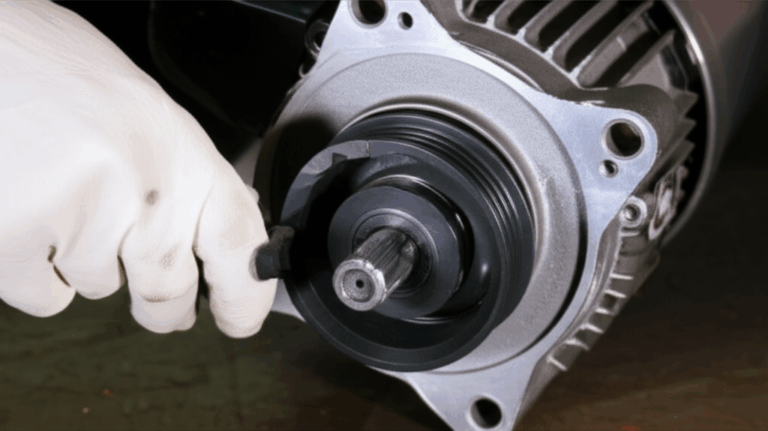
Think about how a motor uses stacked steel sheets. Good motor core laminations keep eddy losses low. In a diesel engine you want clean oil passages and coolers that do not clog. Both systems need clean flow and smart design. If you want to learn how a motor’s parts team up read about the stator and rotor. If a setup runs hot or gets dirty it fails fast. That is true for a motor and for a 6.4 Powerstroke. Owners who study root cause fix the real motor problem not just the symptom.
PAS In Action: The Simple Plan That Saves You Money
- Problem:
- The 6.4 Powerstroke has common failures. DPF clogging, EGR cooler leaks, oil dilution, HPFP failure, and turbo issues. You face high repair costs.
- Agitate:
- You buy a used truck that looks clean. A month later you see a check engine light. The shop finds metal in the fuel system and a clogged DPF. You tow your boat once and limp home. Bills stack up. You need the truck for work and you feel stuck.
- Solution:
- Before you buy get a deep inspection by a diesel specialist. Budget for a lift pump and added filtration. Upgrade the oil cooler and EGR cooler. Service coolant and oil early and often. Monitor key temps and boost. Plan for legal compliance if you keep emissions. If off-road only follow local laws for any deletes. This plan turns a risky truck into a working partner.
The Truth About the 6.4 Powerstroke: Owner Notes and Sentiment
Owner experiences range wide. Some used Ford diesel trucks run well for years with strict maintenance. Others see 6.4 Powerstroke engine issues early. Forums share both wins and losses. Diesel truck owner sentiment 6.4L leans negative due to cost. Yet a set of owners praise its strong pull and easy power.
I have seen 6.4 Powerstroke long term review posts that show a clear pattern. Trucks that run long trips and get hot often do better. Trucks that idle and short trip often clog the DPF and dilute oil. Owners who add fuel filtration and monitor regens see fewer failures.
If you want the 6.4 Powerstroke pros and cons in one line here it is. It is powerful and smooth. It is also demanding. It can be a decent motor if you meet its needs and stay ahead of problems.
Emissions, Laws, and Ethics: Read This Before You Modify
You will read about tuning, 6.4 Powerstroke tuning, and 6.4 Powerstroke performance chips. You will hear about 6.4 Powerstroke DPF delete and 6.4 Powerstroke EGR delete. These can reduce soot and oil dilution in off-road race builds. They can also break laws on public roads. Know your rules. Many areas test or inspect trucks. Illegal mods can cause fines. It can also cause issues with insurance or resale.
You can still improve reliability with legal parts. Better coolers, better filtration, and better care make a big difference. Good monitoring helps you catch trouble before it grows.
Owner Checklist: What to Track Weekly and Monthly
- Watch oil level and smell. If it rises or smells like fuel you may have oil dilution.
- Check for white smoke on cold start. That can point to EGR cooler leaks.
- Listen for turbo whistle changes. Watch for loss of power that hints at VGT actuator sticking.
- Scan for codes each month. Catch things like P0087 early.
- Keep an eye on coolant color and level. Look for debris in the degas bottle.
- Replace fuel filters on time. Use good diesel and additives if needed.
Quick Compare: 6.4 vs 6.0 vs 6.7 at a Glance
- 6.0L Powerstroke:
- Known for head gasket issues and EGR problems. With upgrades it can be solid. Power is lower than 6.4.
- 6.4L Powerstroke:
- More power stock. DPF and oil dilution issues are common. Can be made reliable with care and parts.
- 6.7L Powerstroke:
- Newer design. Better reliability and refinement. Uses SCR with AdBlue on many years. Often best for most buyers.
Real-World Costs You Should Budget Upfront
- HPFP and injector failure event: $5,000 to $10,000 depending on parts and labor.
- Turbocharger pair replacement: $2,500 to $5,000+.
- DPF replacement: $2,000 to $6,000+.
- EGR cooler and valve replacement: $1,000 to $3,000+.
- Oil cooler upgrade and coolant service: $800 to $1,500+.
- Lift pump and added filtration: $500 to $1,500+.
- Monitoring and tuner (monitor-only mode): $300 to $1,000.
These are ballpark figures. Ask local shops for quotes. Parts brands and labor rates change totals fast.
Conclusion: Is the 6.4 Powerstroke a Good Motor
It is not simply good or bad. It is complex. It is powerful and smooth. It has design choices that clash with heavy emissions rules of its time. If you understand the 6.4 Powerstroke design flaws you can plan your path. If you want a low-maintenance truck look at the 6.7. If you want strong power at a lower buy-in and you can maintain it the 6.4 can work.
Final Takeaways
- The 6.4 Powerstroke is powerful yet it can be costly if you ignore maintenance.
- Emissions gear like the DPF and EGR cause many 6.4 Powerstroke common failures.
- Oil dilution is the silent killer. Short oil intervals help.
- Fuel system protection with a lift pump and filters can save you from HPFP failure.
- A diesel specialist pre-purchase inspection is not optional.
- Plan a repair budget on day one.
- For most average buyers I advise caution. For DIY owners with a plan it can be worth it.
References
- Ford Super Duty Owner’s Manuals and Factory Brochures (2008–2010)
- NHTSA recall database for Ford F-250, F-350, F-450 (2008–2010)
- SAE Technical Papers on diesel aftertreatment and DPF regeneration
- Independent diesel shop estimates and community data from owner forums
- Emissions compliance guidance from EPA and state agencies
Quick Glossary in Context
- 6.4 Powerstroke model years: 2008 to 2010 Ford Super Duty 6.4L diesel.
- Common rail fuel system: High-pressure fuel rails feed injectors. This system needs clean fuel.
- Regeneration process: The DPF burns soot. It uses extra fuel to raise temps.
- Engine control unit (ECU): The computer that runs the engine.
- Emissions equipment: DPF, DOC, and EGR help meet rules.
- Aftermarket parts: Upgrades for fuel, cooling, and tuning.
- Bulletproofing: A common term for upgrades that boost reliability.
- Engine code list: Example P0087 for low fuel rail pressure.
By the way if you like to learn how machines turn energy into work you may enjoy those deep dives into electrical steel laminations and motor core laminations. They show how small design choices shape big outcomes. For basics on rotating parts see stator and rotor. If you chase root causes start with the system and its weakest link and you will fix the real motor problem.