What Causes Eddy Currents? A Simple Guide to a Powerful Force
Have you ever wondered how an induction cooktop heats a pan without a flame? Or how some roller coasters brake so smoothly without even touching the track? The secret is a fascinating and invisible force called eddy currents. These little whirlpools of electricity are all around us. They can be incredibly useful but also a real headache for engineers. This guide will explain what causes eddy currents in simple terms. You’ll see why they matter and how we can control them.
Table of Contents
What Are Eddy Currents Anyway?
Imagine stirring a cup of water. You see little swirls and whirlpools, right? Now, picture the same thing happening with electricity inside a piece of metal, like a copper pipe or an aluminum pan. That’s basically what eddy currents are! They are loops of induced currents that flow in a conductor. A conductor is just any material that lets electricity pass through it easily, like most metals.
These swirling currents aren’t just a neat trick. They are a core part of electromagnetic principles. This eddy current phenomenon happens because of a deep connection between electricity and magnetism. They can create heat, produce forces, and are used in everything from cooking your food to stopping a train. Understanding the fundamental cause of these currents is the first step to unlocking their power.
What’s the Main Ingredient for Making Eddy Currents?
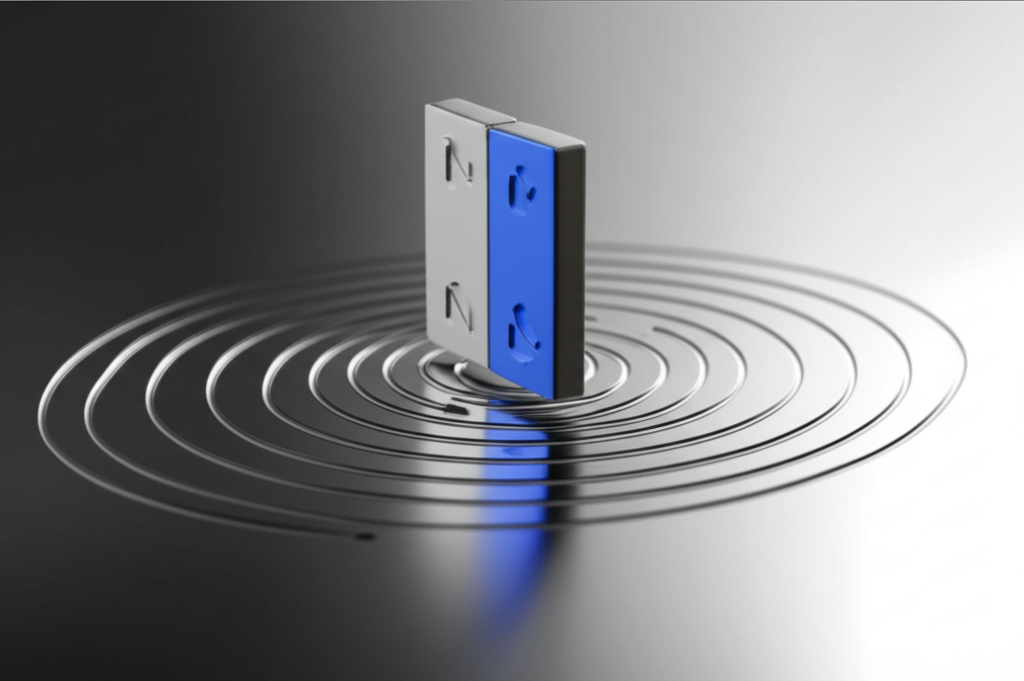
To get eddy currents, you need one very important thing: a changing magnetic field. A magnetic field is the invisible area around a magnet where its pushing and pulling forces work. You can feel this force when you try to push two magnets together or stick one to your fridge.
But here’s the key. A magnet just sitting next to a piece of metal won’t do anything. A static, or still, magnetic field doesn’t create eddy currents. You need flux changes. Magnetic flux is a way of measuring how much of that magnetic field is passing through a surface. So, to get eddy currents started, you need that magnetic flux to change. This is the simple, physical explanation behind their eddy current generation.
How Do Two Big Rules of Science Create Eddy Currents?
Two famous laws of physics explain exactly how this works. Think of them as the recipe for creating eddy currents. They are called Faraday’s Law and Lenz’s Law.
The first rule is Faraday’s Law of Induction. Michael Faraday discovered that if you change the magnetic field around a conductor, you create a voltage, also called an induced electromotive force (EMF). This EMF is what pushes the electricity and gets the current flowing. The faster the flux linkage changes, the stronger the push and the bigger the current. This process of electromagnetic induction is the engine that drives eddy currents. It’s a fundamental part of a bigger set of rules called Maxwell’s Equations.
The second rule is Lenz’s Law. This law tells us which way the eddy currents will flow. And it’s a bit of a rebel. Lenz’s Law says that the induced currents will always flow in a direction that creates their own magnetic field to oppose the change that made them in the first place. So if you move a magnet closer to a copper plate, the eddy currents will create a magnetic field that pushes the magnet away. This opposition is what gives them their “swirling” nature and creates braking forces, a topic we’ll explore more.
How Do We Get a Changing Magnetic Field?
So, we know we need a changing magnetic field. How do we make that happen? There are two main ways.
The first way is through relative motion. This just means something has to be moving. You can either move a conductor through a stationary magnetic field, or move a magnetic field past a stationary conductor. A classic science experiment shows this perfectly. If you drop a strong permanent magnet through a copper pipe (a non-ferrous metal), it falls incredibly slowly. Why? As the magnet moves, the changing magnetic field it creates in the pipe walls generates eddy currents. These currents create their own magnetic field that pushes back on the magnet, slowing it down. This is a form of electromagnetic dampening.
The second way is by using an alternating current (AC). Unlike direct current (DC) which flows in one direction, AC flips back and forth very quickly. When you run AC through a coil of wire, it creates an electromagnet with a magnetic field that is constantly changing—an oscillating magnetic field. This is how things like induction cooktops and metal detectors work. The frequency of magnetic field change, or how fast it flips, has a huge impact on the strength of the eddy currents.
What Makes Eddy Currents Stronger or Weaker?
Not all eddy currents are created equal. Several factors can change their strength and effects. Think of it like cooking: the ingredients and conditions you use will change the final dish.
First, the material itself matters. A material with high electrical conductivity, like copper or aluminum, will have much stronger eddy currents than a material with high resistivity, like steel. More conductivity means it’s easier for the current path to form. The material’s magnetic permeability also plays a role in how the magnetic field interaction happens.
Second are the field characteristics. A stronger magnetic field strength will create stronger eddy currents. We measure this strength in a unit called the Tesla. Also, a higher frequency of change from an AC source will also create stronger currents. This is why induction furnaces use high frequency fields for molten metal processing. The magnetic field gradient, or how quickly the field changes over a distance, is also important.
Finally, the shape and size of the conductor matter. A thicker piece of metal provides more room for current loops to form. However, at high frequencies, a strange thing called the skin effect happens, where the currents tend to flow only on the surface. The larger the area of the conductor exposed to the magnetic field, the stronger the eddy currents will be. This affects the eddy current distribution and its overall eddy current magnitude.
Why Do Eddy Currents Create Heat?
Have you ever noticed how a power adapter or a motor can get warm when it’s running? Often, eddy currents are the culprit. This heating effect is sometimes called Joule Heating or unwanted heating.
It happens because of a property called resistance. No conductor is perfect; they all resist the flow of electricity a little bit. As the swirling eddy currents flow through the metal, they bump into the atoms of the material. This friction creates heat. It’s an example of energy conversion, where electrical energy is turned into thermal energy.
Sometimes, this heat generation is exactly what we want. In an induction heating system, like a cooktop or an industrial induction furnace, we create powerful eddy currents on purpose to generate intense, localized heating very quickly. But in many other cases, this heat represents wasted energy and an efficiency loss, which is a big problem.
How Do Eddy Currents Act Like Brakes?
Remember Lenz’s Law, the one that says eddy currents always oppose the change that created them? This opposition creates a powerful braking force, known as electromagnetic braking or magnetic damping.
When a conductive metal fin on a roller coaster car moves through a strong magnetic field, it’s a perfect example of conductor movement causing eddy currents. These currents create their own magnetic field that pushes against the magnets, slowing the car down smoothly and silently. There’s no friction, no wear and tear like on regular brakes. The car’s kinetic energy (energy of motion) is converted directly into heat in the fin.
This braking force, called the Lorentz force, is also used in high-tech applications. An eddy current dynamometer uses it to test engine power, and it’s used to dampen vibrations in sensitive scientific instruments like analytical balances. The same principle is even explored for magnetic levitation trains. This amazing eddy current damping effect shows how a force of opposition can be turned into a useful tool for speed control.
Where Do We See Eddy Currents in Real Life?
Eddy currents are everywhere, working both for us and against us. Let’s look at some examples you might recognize.
| Application / Phenomenon | Primary Cause of Eddy Currents | Observable Effect / Consequence |
|---|---|---|
| Induction Cooktop | High-frequency AC magnetic field from a coil. | Rapid heating of the pan for cooking. |
| Electromagnetic Braking | A metal fin moves through a strong magnetic field. | Smooth, silent deceleration of roller coasters and trains. |
| Metal Detectors | An oscillating magnetic field induces currents in metal objects. | The object’s own magnetic field is detected by a receiver coil. |
| Non-Destructive Testing (NDT) | A probe induces eddy currents in a material. | Cracks or flaws disrupt the current, changing the probe’s signal. |
| MRI Scanners | Rapidly changing magnetic field gradients. | Can cause image distortion if not corrected. |
These are just a few of the specific applications. Eddy currents are also used in proximity sensors to detect metal objects without touching them, and in eddy current separator machines that sort non-ferrous metals like aluminum cans from other trash. From material testing and crack detection to advanced magnetic stirring in industries, these currents are a versatile tool.
Are Eddy Currents a Problem in Motors and Transformers?
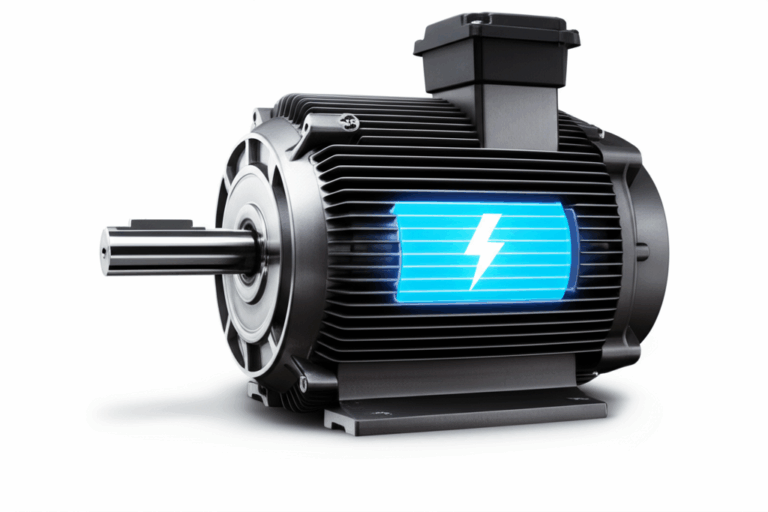
Here’s where we run into a big problem. In devices like an electric motor or a transformer, we use changing magnetic fields to do work. But these devices have metal parts, like the iron core, that are sitting right in the middle of those changing fields. This is a perfect recipe for creating eddy currents where we don’t want them.
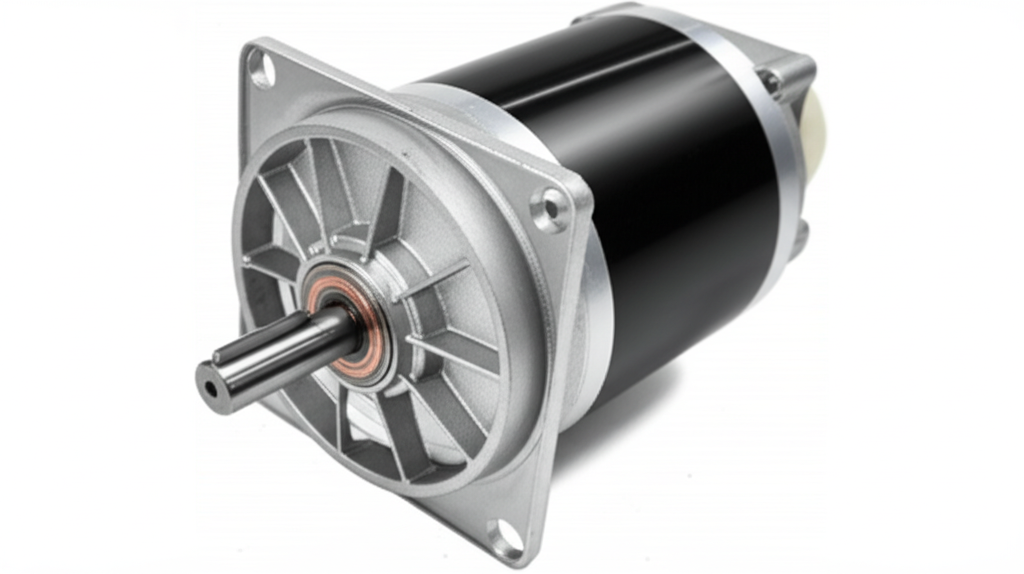
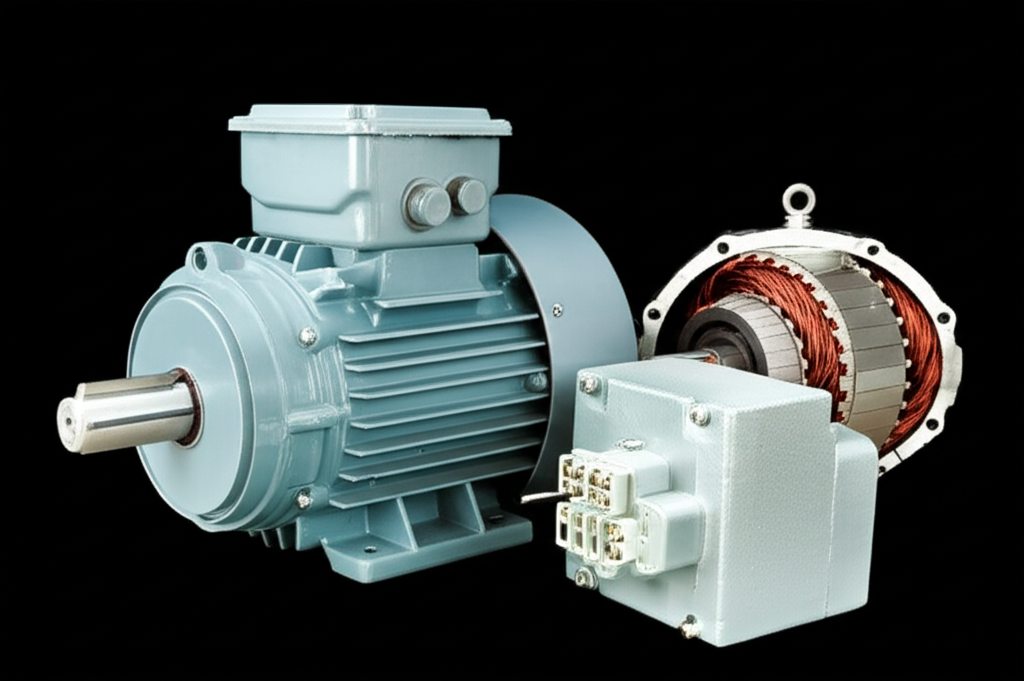
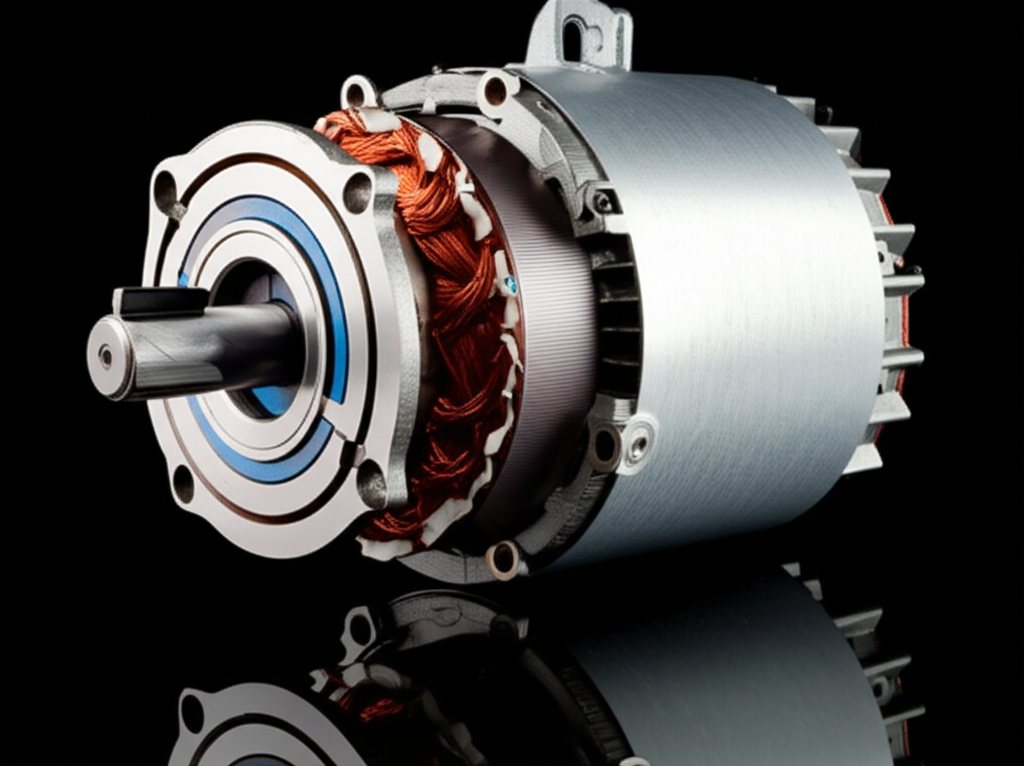
In a transformer, the alternating current in the primary coil creates a changing magnetic flux in the iron core. This flux then induces a current in the secondary coil, which is how a transformer works. But it also induces swirling eddy currents inside the solid iron core itself. The same thing happens in the core of an electric motor as the magnetic fields change during rotational motion. Knowing the difference between the main parts like the stator and rotor is key to understanding how these devices work.
This is a huge issue. These unwanted eddy currents, also called core losses, do nothing but generate heat. This heat is wasted energy, which lowers the efficiency of the device. This power dissipation can make a motor or transformer overheat, reducing its lifespan and performance. For companies that rely on thousands of motors, this energy waste adds up to a massive expense. It’s a persistent headache for engineers who need to design efficient machines.
How Do We Fix the Eddy Current Problem?
So, how do we stop these pesky currents from wasting energy and causing overheating? We can’t get rid of the changing magnetic field—that’s what makes the device work! The solution is much cleverer: we use eddy current suppression.
The main trick is to break up the path for the eddy currents. Instead of using a solid block of metal for the core, engineers build it from many thin sheets of metal, called laminations. Each sheet is coated with a thin insulating layer. This design is called a laminated core. The eddy currents can still form, but only within each tiny, thin sheet. This makes the current loops much smaller and weaker, dramatically reducing the overall eddy current losses.
To make it even better, special materials are used. For instance, high-quality electrical steel laminations are designed to have higher electrical resistance, which further discourages eddy currents. In high-frequency applications, a special material called a ferrite core is used, which is a ceramic that can guide magnetic fields but doesn’t conduct electricity well at all. Companies that specialize in creating precise motor core laminations are essential for building high-efficiency electric motors. A well-designed transformer lamination core is critical for preventing energy loss in our power grid. By using these smart engineering solutions, we can enjoy the benefits of electromagnetism without paying the price of wasted energy.
In Summary
Eddy currents are a fundamental and powerful aspect of electromagnetism. Let’s recap the most important things to remember:
- The Main Cause: Eddy currents are created by a changing magnetic field passing through a conductive material.
- The Science: They are governed by Faraday’s Law (which says a changing field induces a current) and Lenz’s Law (which says the current opposes the change).
- The Good: We use them for amazing things like induction heating, silent magnetic brakes, and metal detectors.
- The Bad: They cause unwanted heating and energy loss in motors and transformers, which is a major engineering challenge.
- The Solution: We can control and reduce harmful eddy currents by using laminated cores made of thin, insulated metal sheets.