
What City is the Motor City? The Undeniable Answer
Have you ever heard someone mention the “Motor City” and wondered exactly what they were talking about? It’s a famous nickname, but not everyone knows the city behind it or the incredible story of how it earned that title. Knowing the answer is like unlocking a huge piece of American history.
This article will give you the clear, simple answer. More than that, we’ll explore the amazing history, the brilliant people, and the powerful machines that made this city the automotive capital of the world. Get ready to discover why this nickname is so much more than just a name.
Table of Contents
- So, What City is the Motor City?
- How Did Detroit Become the Center of the Car World?
- Who Were the “Big Three” Automakers?
- Was Detroit Famous for Anything Besides Cars?
- Is Detroit Still the Motor City Today?
- What Were Some Key Moments in Motor City History?
- How Important is the Car Industry to Michigan?
- What Parts Make a Car’s Engine Go?
- Can You Visit Automotive History in Detroit?
- Frequently Asked Questions About the Motor City
So, What City is the Motor City?
Let’s get straight to it. The city known around the globe as the Motor City is Detroit, Michigan.
For over a century, Detroit has been the heartbeat of the American automotive industry. It’s not just a nickname; it’s an identity forged in steel, powered by innovation, and cemented in history. If you think about the history of cars in the United States, all roads lead back to Detroit.
This is where the car went from a rich person’s toy to something every family could own. It’s the city that put the world on wheels, and its story is one of incredible success, tough challenges, and a powerful comeback.
How Did Detroit Become the Center of the Car World?
It wasn’t an accident. A perfect mix of location, resources, and brilliant minds made Detroit the ideal place for the car industry to boom. The city was already a manufacturing hub in the Great Lakes region, with easy access to iron ore and coal. This meant car makers had the raw materials they needed to build.
But the real magic happened with people. Early car pioneers like Ransom E. Olds started their companies here. Then came a man who would change everything: Henry Ford. He didn’t invent the car, but he figured out how to build them so fast and so cheaply that almost anyone could afford one. His invention of the moving assembly line in 1913 was a game-changer.
At his Ford Piquette Avenue Plant, workers stood still while the car chassis moved to them. Each person did one small job over and over. This process drastically cut the time it took to build a car. The Model T, Ford’s most famous car, became a symbol of this new age. This new method was based on a simple motor principle that could be mass-produced, making cars available to everyone.
Who Were the “Big Three” Automakers?
When you talk about the Detroit automotive industry, you have to talk about the “Big Three.” These were the giant companies that dominated car manufacturing for decades. All of them started in or around Detroit.
- Ford Motor Company: Founded by Henry Ford in 1903 in Dearborn, Michigan, a city right next to Detroit. Ford was the company that started it all with the assembly line and the affordable Model T. Its headquarters, including the massive Ford River Rouge Complex, are still there today.
- General Motors (GM): This company was the brainchild of William C. Durant. He brought many different car companies together under one name in 1908. GM owned famous brands like Chevrolet, Cadillac, Buick, and Oldsmobile. Its headquarters are in the iconic Renaissance Center in downtown Detroit.
- Chrysler (now part of Stellantis): Walter P. Chrysler founded his company in 1925. Chrysler was known for its engineering and design, creating powerful cars and popular brands like Plymouth and Dodge. Today, it has merged with other companies to become Stellantis, but its American roots are firmly planted in the Detroit area.
These three companies were the pillars of the Motor City. They created millions of jobs, drove the Michigan economy, and turned the Detroit Metropolitan Area into a powerhouse of American manufacturing history.
Was Detroit Famous for Anything Besides Cars?
Absolutely! The energy and spirit that built all those cars spilled over into other areas, especially music. Have you ever heard of the “Motown Sound”? That comes from Detroit, too. “Motown” is just a combination of “Motor” and “Town.”
In 1959, a man named Berry Gordy Jr. founded Motown Records in Detroit. He used the same assembly-line idea that Henry Ford used for cars to produce hit songs. He found talented young artists and turned them into superstars. This created a new, soulful style of music that the whole world loved.
Artists like The Supremes, The Temptations, Stevie Wonder, and Marvin Gaye all came from Motown. Their music became the soundtrack for a generation. This shows how the city’s industrial identity and its cultural identity were woven together, creating a unique and vibrant Detroit culture and arts scene.
Is Detroit Still the Motor City Today?
You bet it is. The city has faced tough times, including a major Detroit bankruptcy in 2013. Some people wondered if its best days were behind it. But you can’t count Detroit out. The city is in the middle of a major comeback, and the auto industry is leading the charge once again.
Today, the focus has shifted. The future of mobility is in electric vehicles (EVs) and autonomous vehicles (self-driving cars). And guess where much of that new technology is being developed? That’s right—Detroit. The Big Three are investing billions of dollars into building new battery plants and research centers in Michigan.
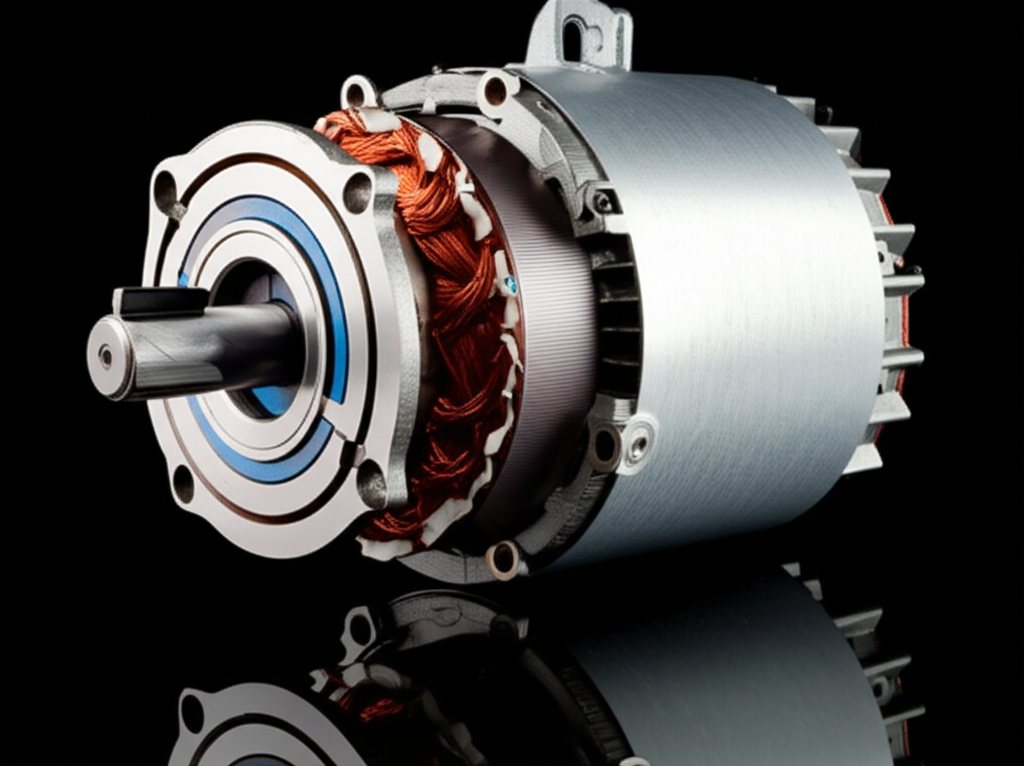
This commitment ensures that the future of the Detroit auto industry is bright. The city is no longer just building the cars of today; it’s inventing the cars of tomorrow. This Detroit revitalization is a powerful comeback story, proving that the Motor City is still the leader in automotive innovation. Modern EVs depend on advanced motors, and understanding the role of a bldc stator core is key to seeing how Detroit continues to lead.
What Were Some Key Moments in Motor City History?
Detroit’s history is filled with amazing milestones. Here are just a few that helped shape its identity:
- 1899: Ransom E. Olds opens the Olds Motor Works, Detroit’s first auto factory.
- 1903: Henry Ford founds the Ford Motor Company.
- 1908: William C. Durant forms General Motors. The first Ford Model T is produced.
- 1913: Henry Ford introduces the first moving assembly line for cars.
- 1940s: Detroit’s auto factories switch to making planes, tanks, and jeeps for World War II, earning the city the nickname “Arsenal of Democracy.”
- 1959: Berry Gordy Jr. founds Motown Records.
- 1989: The North American International Auto Show (NAIAS) becomes a major international event, showcasing new cars to the world.
- 2009: The auto industry faces a major crisis, but the Big Three survive with government help.
- 2020s: Detroit becomes a central hub for EV production and autonomous driving research.
How Important is the Car Industry to Michigan?
The car industry is not just important to Detroit; it’s the engine of the entire state of Michigan. The numbers are truly mind-boggling and show why the state remains the automotive capital.
| Metric/Fact | Value/Description | Context/Significance |
|---|---|---|
| “Big Three” HQ Location | Ford, GM, and Stellantis HQs are all in the Detroit area. | This keeps decision-making and top jobs in Michigan. |
| Michigan Auto Employment | Michigan has about 20% of all US auto manufacturing jobs. | It is the top state for people working in the car industry. |
| Share of US Auto R&D | Over 75% of all automotive research happens in Michigan. | Michigan is where future cars and technology are invented. |
| Economic Impact | The industry adds around $100 billion to Michigan’s economy. | It is the largest and most important part of the state’s economy. |
This data shows that even with changes in the global auto industry, Michigan and Detroit remain at the very center. The state leads in automotive jobs, research, and overall production. The process of making cars relies on incredibly precise parts, and the manufacturing of electrical steel laminations is a foundational step in building the motors that power this industry.
What Parts Make a Car’s Engine Go?
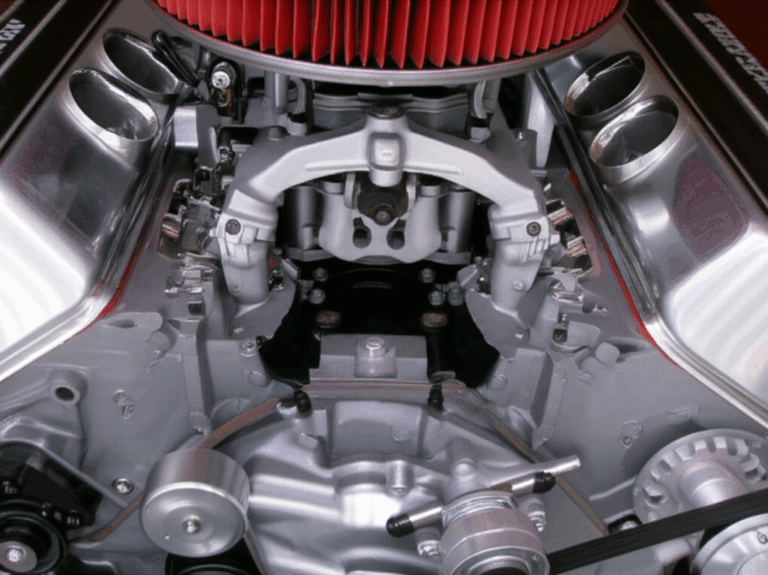
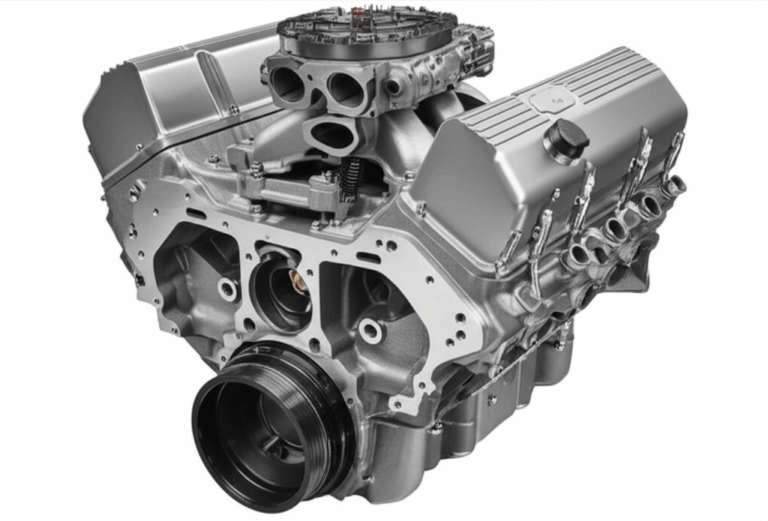
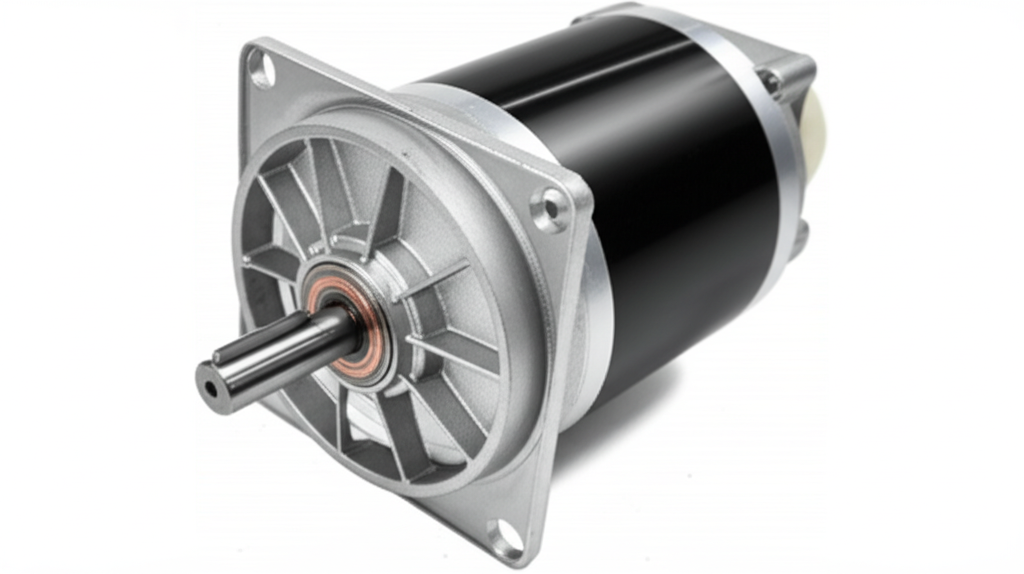
At the heart of every car, whether it runs on gas or electricity, is a motor. The basic idea involves turning energy into motion. In a traditional engine, this happens with explosions of gasoline. In an electric motor, it happens with magnets.
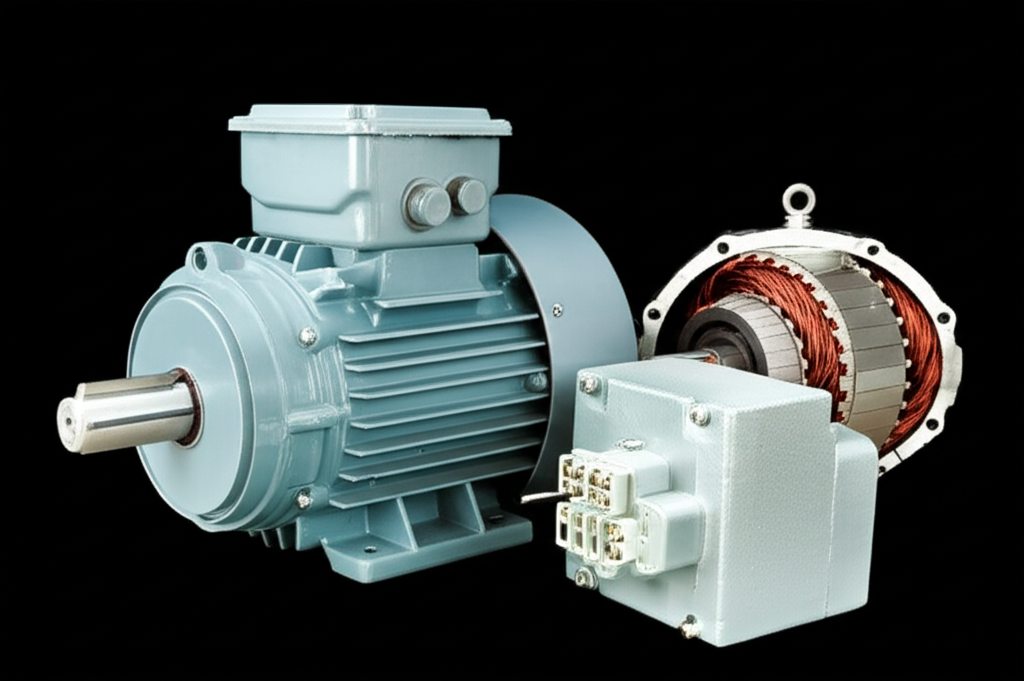
Two of the most important parts of any motor are the stator and the rotor. Think of them as the two key players on a team. The stator is the stationary part of the motor, and the rotor is the part that rotates, or spins.
In an electric motor, electricity flows through wires in the stator, creating a magnetic field. This field pushes and pulls on magnets attached to the rotor, causing it to spin with incredible force. That spinning motion is what turns the car’s wheels. Understanding the relationship between the stator and rotor is the first step to understanding how modern vehicles work.
Can You Visit Automotive History in Detroit?
Yes, you can! Detroit is like a living museum for car lovers. If you visit, you can see the history of the Motor City up close. It’s a fantastic destination for Michigan tourism.
One of the best places to go is The Henry Ford Museum of American Innovation in Dearborn. It’s not just about cars; it has airplanes, trains, and amazing inventions from American history. Right next to it is Greenfield Village, where you can ride in a real Model T and see historic buildings from all over the country.
You can also visit the Ford Piquette Avenue Plant, which is the birthplace of the Model T. It’s where the revolution started! And every year, the city hosts the North American International Auto Show (NAIAS), where you can see the latest and greatest cars from around the world.
Frequently Asked Questions About the Motor City
Is Detroit still considered the Motor City?
Yes, absolutely. While other places in the world build cars, Detroit remains the historic and spiritual heart of the American auto industry. It leads the U.S. in automotive research, engineering, and jobs.
What is the significance of the “Big Three”?
The “Big Three” (Ford, GM, and Chrysler/Stellantis) were the companies that made the United States the world’s leader in car manufacturing for most of the 20th century. Their headquarters and history are all based in Detroit.
What other nicknames does Detroit have?
Besides the Motor City, Detroit is also known as “Motown,” “The D,” and the “Arsenal of Democracy” for its role in producing military equipment during World War II.
Can I visit automotive historical sites in Detroit?
Yes! The Henry Ford Museum, Greenfield Village, and the Ford Piquette Avenue Plant are all amazing places to visit and learn about car history.
Detroit’s Legacy: More Than Just a Name
As we’ve seen, Detroit’s identity as the Motor City is deep and powerful. It’s a story of visionaries like Henry Ford and Walter P. Chrysler, of game-changing inventions like the assembly line, and of a cultural impact that gave us the Motown Sound.
Today, that legacy continues. Detroit is not stuck in the past. It is driving forward, leading the way into the future of electric and self-driving cars. The city’s spirit of innovation and resilience is stronger than ever.
So, the next time you hear someone say “Motor City,” you’ll know they’re talking about Detroit, Michigan. And you’ll know it’s not just a nickname—it’s a title that was earned through more than a century of building the world we live in today.
Key Things to Remember:
- The Motor City is Detroit, Michigan.
- It earned the name by becoming the center of the world’s automotive industry in the early 20th century.
- Pioneers like Henry Ford and his assembly line made cars affordable for everyone.
- The “Big Three” automakers—Ford, General Motors, and Chrysler—were all founded there.
- Detroit’s influence extended to music, creating the famous “Motown Sound.”
- Today, Detroit is leading the way in developing electric and autonomous vehicles, securing its identity for the future.