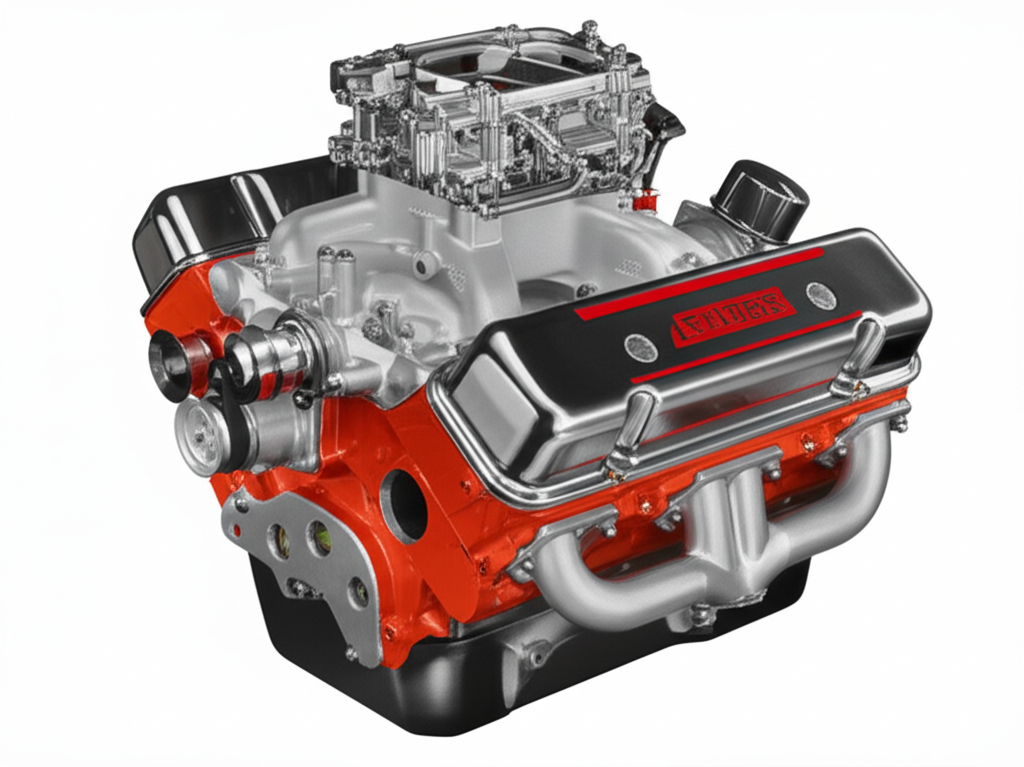
What is a Big Block Motor?
- Table of Contents
- What is a Big Block Motor?
- Why does “big block” matter?
- How do we define a big block engine?
- Big block vs small block: what is the real difference?
- What do bore and stroke mean on a big block?
- Where do you find big block motors?
- What are the pros and cons?
- Who built the most famous big blocks?
- How much power and torque do big blocks make?
- What about fuel economy and weight?
- How do big blocks compare to modern engines like LS or Coyote?
- Can you tune or upgrade a big block?
- How do you identify a big block in the wild?
- Are big blocks still useful today?
- If you build electric motors too, what should you know?
- Common terms and related topics you will hear
- Key data table
- FAQs
- Summary to remember
- References
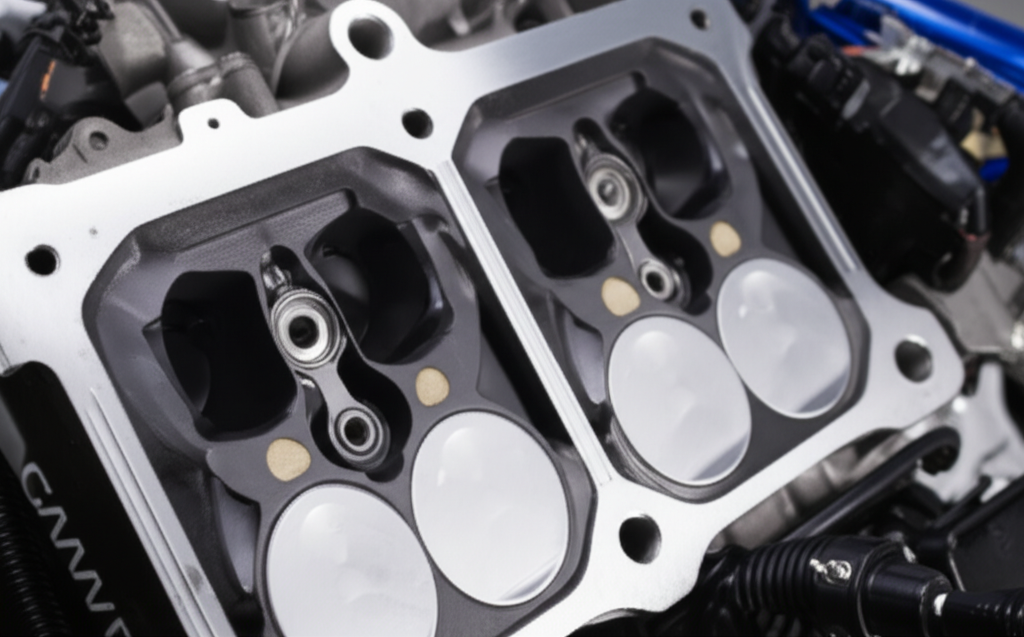
A big block motor is a large V8 internal combustion engine with a big, strong block. It has wide bore spacing, thick castings, and room for large bores and long strokes. Builders made big blocks to do one thing well. Make big torque and big horsepower.
You will hear this term a lot in muscle car talk. It shows up in truck talk too. This guide shows you what a big block engine is, why it matters, and how it compares to a small block. I keep the words simple. I share clear facts. I give real examples. When you finish, you will know what a big block motor means and why people still love it.
Why does “big block” matter?
Problem: Many folks hear “big block” and nod. Then they guess. Some think it is just “more cubes.” Others think it is only a Chevy thing. Both miss the point.
Agitate: If you buy the wrong engine for your build, you pay more. Your car may feel nose heavy. It may run hot. It may not fit your goals. That hurts.
Solution: In this guide, I explain what makes a big block engine a big block. I show how it differs from a small block. I cover power, torque, weight, fuel use, and cost. I list famous examples from Chevrolet, Ford, and Chrysler Mopar. I share simple tips on ID, upgrades, and use. I also point to smart parts and best practices.
How do we define a big block engine?
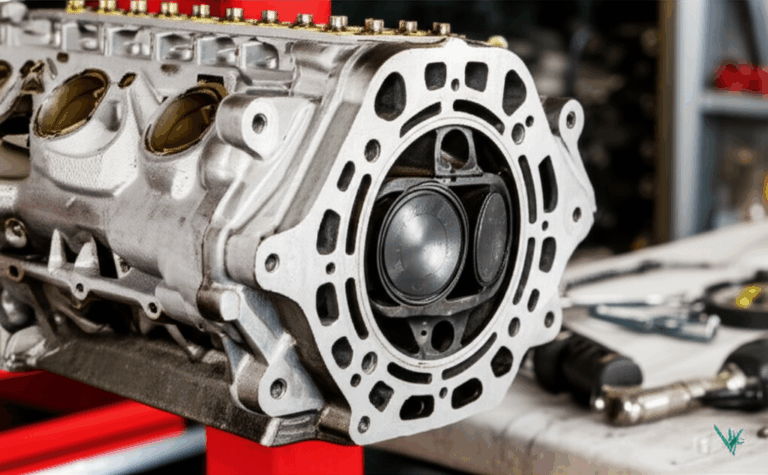
A big block engine is not just big displacement. It has a bigger and heavier block casting with more space between cylinder centers. This is called bore spacing. Makers use wider bore spacing to allow larger cylinder bores, a bigger crankshaft, longer connecting rods, and thicker walls for strength.
The block itself uses more material. Most classic big blocks use cast iron. Some race or crate versions use aluminum. The larger block makes room for big displacement in cubic inches or liters. It also handles high stress from heavy loads or high horsepower.
Most big blocks run as V8 engines. They can be naturally aspirated, supercharged, or turbocharged. They shine at low and mid rpm torque. That grunt shoves you back in the seat. It also pulls trailers and wins in drag racing.
Big block vs small block: what is the real difference?
Both are V8 engines. Both can make power. The real change sits in the block’s size and layout. Big blocks use wider bore spacing than small blocks. That space lets builders use bigger bores and longer strokes. It also adds weight. Small blocks stay compact and light. They rev fast and fit well in tight bays.
Typical small block displacements range from about 262 to 400 cubic inches. Typical big block displacements begin around 396 cubic inches and go up. Classic examples include 396, 402, 427, 454, 460, and 440.
Design aim differs too. A small block aims for a good power-to-weight ratio and revs. A big block aims for torque and durability. Both have a place. You pick based on needs.
What do bore and stroke mean on a big block?
Bore is the width of the cylinder. Stroke is how far the piston travels. Big blocks often use a large bore and a long stroke. That raises displacement. It also boosts torque. Bore and stroke set how the engine breathes. With bigger bore area, you can run bigger valves in the cylinder heads. With longer stroke, you gain leverage on the crankshaft. That feels like raw pull at low rpm.
Big block builders tune camshafts, compression ratio, intake manifolds, and exhaust headers to match bore and stroke. They choose pistons, connecting rods, and a crankshaft that fit the job. The result can be a smooth towing engine or a fire-breathing drag motor.
Where do you find big block motors?
You find big blocks in muscle cars from the 1960s and 1970s. Think Chevrolet Chevelle with a 396 or 454, Ford Mustang or Galaxie with a 427 or 428 Cobra Jet, and Dodge Charger with a 440 Magnum. These engines also powered trucks, RVs, and boats. Builders used them in marine and industrial work because of their torque and durability.
In racing, big blocks rule in drag racing classes. They appear in hot rods and street rods. They still show up in crate engines for swaps. Fans love the sound. You hear a deep, hard idle. It shakes the ground.
What are the pros and cons?
Advantages:
- Big torque down low. Great for acceleration and towing.
- High horsepower potential with upgrades.
- Strong, durable blocks and bottom ends.
- Deep parts support for classic families. Aftermarket performance parts from brands like Edelbrock are easy to find.
- Huge collector and culture appeal.
Disadvantages:
- Heavy weight. That hurts handling and balance.
- Poor fuel economy. Expect 5 to 14 MPG in many builds.
- Large size can create fit issues.
- Higher cost to buy, build, and maintain in many cases.
Who built the most famous big blocks?
Chevrolet: The Chevrolet Big Block family is famous. The Mark IV (often called Gen IV) includes the 396, 402, 427, 454, and later 502 and 572 ci crate engines. These powered Corvettes, Chevelles, and C/K trucks. The 454 LS6 in 1970 is a legend.
Ford: Ford Big Block lines include the FE series (390, 427, 428 Cobra Jet) and the 385/Lima series (429, 460). FE engines made waves at Le Mans and in NASCAR. The 460 became a workhorse in trucks and luxury cars.
Chrysler Mopar: Chrysler Big Block engines came in B and RB families. The B series includes 383 and 400. The RB series includes 413 and 440 Magnum. Mopar also built the 426 Hemi. The 426 Hemi is its own Hemi family with hemispherical heads. It sits with Mopar legends and often gets mentioned in big block talk.
How much power and torque do big blocks make?
Stock horsepower ranges vary by year and tune. Many classic big blocks made 250 to 500 horsepower in factory trim. Torque ran from 350 to 600 lb-ft. With headers, a camshaft, and a good intake, the numbers jump. Add a supercharger or turbocharger and you can chase four-digit power in racing builds.
Big blocks shine in torque. They push heavy cars with ease. They yank trailers. They launch hard in drag racing. That is why fans love them.
What about fuel economy and weight?
Big blocks weigh more. A cast iron big block often weighs from 600 to 800 pounds or more. The Chevy 454 sits around 685 pounds. A Ford 460 lands near 720 pounds. A Mopar 440 hits near 670 pounds. That weight adds stress to front springs and brakes. It changes handling. You need a strong cooling system and a solid oiling system too.
Fuel economy is not the strong point. Classic big block cars often get 6 to 14 MPG. Small blocks in the same car can do better. Modern engines with direct injection and better control do better yet.
How do big blocks compare to modern engines like LS or Coyote?
A modern LS engine or Ford Coyote can make big power with less weight. They have strong heads and great airflow. They use engine control units and clean fuel systems. They can deliver good power and better fuel economy. They also rev high.
A big block fights back with displacement. It makes torque with less boost. It looks right in a period muscle car. It sounds right too. For many, that matters more than numbers on a sheet.
If you want a simple swap with modern manners, an LS engine or Coyote swap works well. If you want to live the classic muscle dream, a big block engine delivers that feel.
Can you tune or upgrade a big block?
Yes. You can go mild or wild. Start with good basics. Make sure the cooling system works. Use a strong radiator and fan. Check the oiling system. Choose the right oil viscosity. Then you can raise compression ratio if the fuel allows. Pick a camshaft that fits your use. Upgrade cylinder heads for airflow. Use an intake manifold that matches the rpm band. Add long-tube exhaust headers.
You can go naturally aspirated or use a supercharger or turbocharger. Many choose a stroker kit to grow displacement. A 454 can grow to 496. A 440 can grow past 500. The right tuning makes the package sing.
How do you identify a big block in the wild?
Look at the size. Big blocks look wider and taller than small blocks. The valve covers and intake manifold area look larger. Check casting numbers on the block. Each maker stamps or casts ID marks. Cross-check in an engine identification guide. On Chevys, the Mark IV block has clear casting numbers on the rear ledge. Fords have FE and 385 family clues. Mopars have pad stamps and block numbers. Use a flashlight, a mirror, and patience.
Listen too. A big block engine sound is deep and bold. It idles with presence. It barks on throttle.
Are big blocks still useful today?
Yes, if you want brute torque, classic feel, and straight-line fun. They work for heavy-duty trucks and marine builds. They star in drag racing, hot rods, and classic cars. They also serve as crate engines for engine swaps. You can buy a crate engine, bolt it in, and go.
If your goal is daily driving with high MPG, a small block or a modern engine may fit better. If you plan an electric swap, you will look at motors and batteries instead. The right tool for the job.
If you build electric motors too, what should you know?
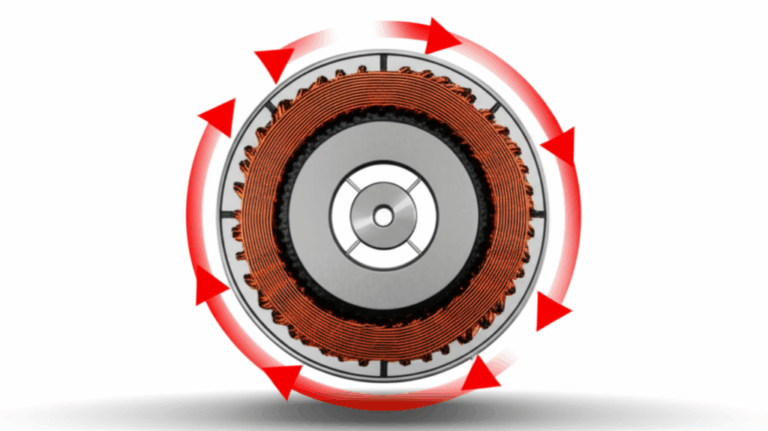
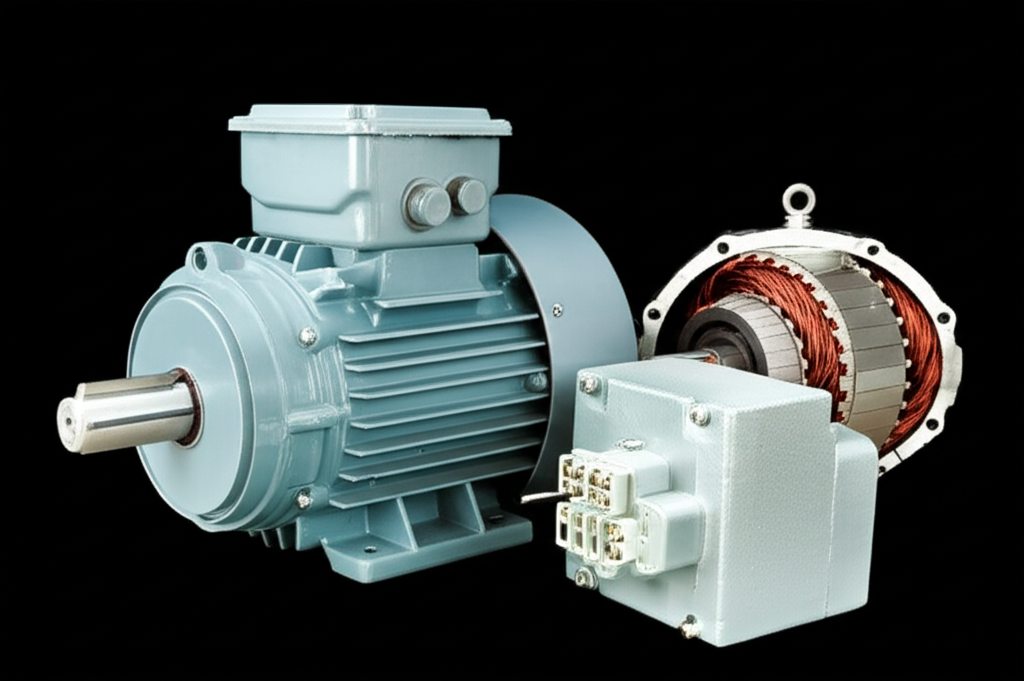
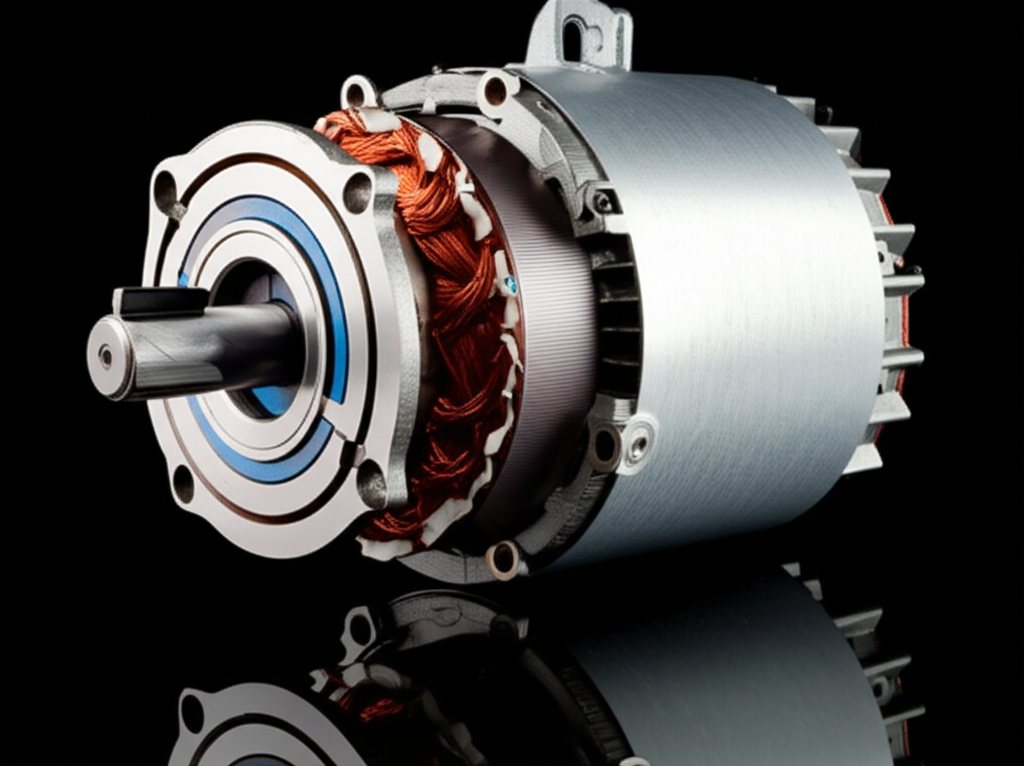
Some readers wrench on gas engines and electric motors. If that is you, remember this. Electric motors rely on tight steel stack quality in the stator and the rotor. The laminations control loss and heat. Good laminations raise efficiency and power density.
If you plan an EV swap or you build motors for industrial use, study the basics of EM design and materials. You can explore the core concepts of the motor principle. The quality of the stator core lamination and the rotor core lamination affects performance, heat, and noise. High grade electrical steel laminations lower core loss. That means more range and better response. It is a different world than a big block V8, yet the build mindset is the same. Do the basics well. Choose strong parts. Match the system to the job.
Common terms and related topics you will hear
To help you speak the language, here are key terms and ideas you will meet in big block talk. You will see many of these in specs, ads, and build guides:
- Big block engine definition, big block motor meaning, characteristics of big block motors, big block engine architecture
- What makes an engine big block, big block vs small block differences, big block vs small block bore and stroke
- Big block displacement, big block engine capacity, big block engine cubic inches, big block engine liters
- Engine bore and stroke big block, cylinder bore spacing, bore, stroke, compression ratio
- Big block horsepower and torque, how much horsepower does a big block have, big block engine horsepower ratings, big block engine torque specs, big block power output
- Big block fuel economy, big block engine fuel systems, fuel injection, carburetor
- Big block engine weight, big block engine weight comparison, big block engine dimensions, big block engine mount
- Big block applications, muscle car big blocks, truck big block engines, drag racing big blocks, NASCAR, NHRA, hot rod, street rod, classic car big block
- Common big block engines, iconic big block engines, big block engine history, big block engine advancements, future of big block engines
- Chevrolet Big Block, Mark IV Big Block, Gen IV big block Chevy, 396 Big Block, 402 Big Block, 427 Big Block, 454 Big Block, 502, 572
- Ford Big Block, Ford Motor Company, FE Engine, 385/Lima Engine, 428 Cobra Jet, 429 Cobra Jet, 460 Ford
- Chrysler Big Block, Stellantis, Mopar big block identification, Chrysler B/RB big block, B-Series 383 400, RB-Series 413 440 Magnum, 426 Hemi
- Engine components: cylinder block, cylinder head, crankshaft, piston, connecting rod, camshaft, intake manifold, exhaust headers, valvetrain
- Oiling systems, cooling systems, oil capacity
- Big block engine reliability, big block engine durability, cost of big block engine, big block engine build
- Big block engine parts, aftermarket performance parts, Edelbrock, big block crate engines, engine swap, big block engine for sale, big block engine rebuild kits
- Big block engine modifications, big block tuning tips, high performance big block
- Supercharged big block, turbocharged big block, naturally aspirated big block
- Big block engine block material, cast iron big block, aluminum big block
- Big block engine block numbers, big block engine identification guide, how to identify a big block engine
- Internal combustion engine, internal combustion engine types, automotive engine terminology, V8 engine
- Big block vs modern engines, big block vs LS engine, big block vs Coyote, big block engine sound, big block engine sound comparison
- Big block engine displacement limits
Key data table
Below is a quick view of core numbers you will see when you compare engines.
| Metric / Engine Type | General Big Block Characteristics | Chevrolet Big Block (e.g., 454 Gen IV) | Ford Big Block (e.g., 460 Lima) | Chrysler Big Block (e.g., 440 RB) | Small Block Comparison (e.g., Chevy 350) |
|---|---|---|---|---|---|
| Typical Displacement | 396+ cubic inches (6.5L+) | 396, 402, 427, 454, 502, 572 ci | 390, 427, 428, 429, 460 ci | 383, 400, 413, 426 Hemi, 440 ci | 262–400 cubic inches (4.3–6.6L) |
| Cylinder Bore Spacing | ~4.84 inches (typical) | 4.84 inches | 4.90 inches (FE), 4.90 inches (385) | 4.80 inches | ~4.40 inches |
| Stock Horsepower (Range) | 250–500 HP | 250 HP (truck) to 450 HP (L72 427) | 200 HP (truck) to 400 HP (Cobra Jet) | 275 HP (base) to 425 HP (426 Hemi) | 150 HP (base) to 370 HP |
| Stock Torque (Range) | 350–600 lb-ft | 350–500 lb-ft (e.g., 454 LS6) | 300–500 lb-ft (e.g., 460) | 350–480 lb-ft (e.g., 440 Six Pack) | 250–400 lb-ft |
| Average Engine Weight | 600–800+ lbs (cast iron) | ~685 lbs (454 Gen IV) | ~720 lbs (460) | ~670 lbs (440) | ~450–575 lbs (cast iron) |
| Fuel Economy (General) | 5–14 MPG typical | 6–12 MPG | 7–13 MPG | 7–14 MPG | Better (low teens to 20s MPG) |
| Primary Applications | Muscle cars, heavy-duty trucks, racing, marine | Corvettes, Chevelles, C/K Trucks | Mustangs, F-Series, Lincoln | Barracudas, Chargers, trucks | Daily drivers, light trucks, racing |
| Aftermarket Support | Extensive and robust | Very high | High | High | Extremely high |
| Key Design Focus | Displacement, torque, durability | Balanced perf and reliability | Strong and reliable | High performance and strength | Versatile and efficient |
| Historical Significance | Defined an era of American muscle | Iconic and sought after | Key to Ford racing and heavy duty | Core to Mopar legend | Ubiquitous and adaptable |
FAQs
Q: What is the main technical difference between a big block and a small block?
A: Bore spacing and block size. A big block uses wider bore spacing. It holds larger bores and longer strokes. It also weighs more.
Q: Does big block mean more power every time?
A: Not always. A modern small block LS or Coyote can beat an old tired big block. Build quality and design matter.
Q: Is the 426 Hemi a big block?
A: The 426 Hemi is a Mopar legend with hemispherical heads. It is often grouped with Mopar big blocks. It has its own Hemi family and unique parts.
Q: Are big blocks good for daily driving?
A: They can be, but the weight and fuel use may not fit your needs. For daily use, a small block or a modern engine can work better.
Q: Are there aluminum big block engines?
A: Yes. You can buy aluminum block big block crate engines. They cut weight and keep displacement.
Summary to remember
- A big block motor is a large V8 with wider bore spacing and a heavy block. It allows big displacement and high torque.
- Big blocks differ from small blocks in size, weight, and design aim. Big blocks focus on torque and strength. Small blocks focus on light weight and revs.
- Famous big blocks include Chevrolet Mark IV 396/427/454, Ford FE 427/428 Cobra Jet, Ford 460 Lima, and Mopar B/RB 383/440 with the 426 Hemi as a Mopar icon.
- Expect 250–500 HP stock in many classic big blocks. Expect 350–600 lb-ft of torque. Fuel economy is low. Weight is high.
- Big blocks shine in muscle cars, drag racing, trucks, marine, and hot rods. They offer huge aftermarket support, including crate engines and stroker kits.
- For EV or motor builders, stator and rotor laminations and electrical steel grade matter for efficiency, heat, and noise. Learn the basics and use quality materials.
References
- Chevrolet big-block engine overview: https://en.wikipedia.org/wiki/Chevroletbig-blockengine
- GM Heritage Center Vehicle Information Kits: https://www.gmheritagecenter.com/gm-heritage-archive/vehicle-information-kits.html
- Ford FE engine: https://en.wikipedia.org/wiki/FordFEengine
- Ford 385/Lima engine: https://en.wikipedia.org/wiki/Ford385engine
- Chrysler B and RB engines: https://en.wikipedia.org/wiki/ChryslerBengine
- Chrysler 426 Hemi: https://en.wikipedia.org/wiki/ChryslerHEMIengine
- Edelbrock performance parts: https://www.edelbrock.com/