What Is a Brushless Motor Lawn Mower? Your Complete Guide to Cordless Power and Efficiency
Table of contents
- What I Mean by “Brushless” in a Lawn Mower
- How a Brushless Motor Works in Plain English
- The Big Upsides: Why I Prefer Brushless for Most Yards
- Brushless vs Brushed vs Gas: A No-Nonsense Comparison
- What to Look For When You Buy
- Who Gets the Most Value From a Brushless Mower
- Maintenance and Care That Actually Matters
- Is a Brushless Motor Lawn Mower Worth It
- Frequently Asked Questions
What I Mean by “Brushless” in a Lawn Mower
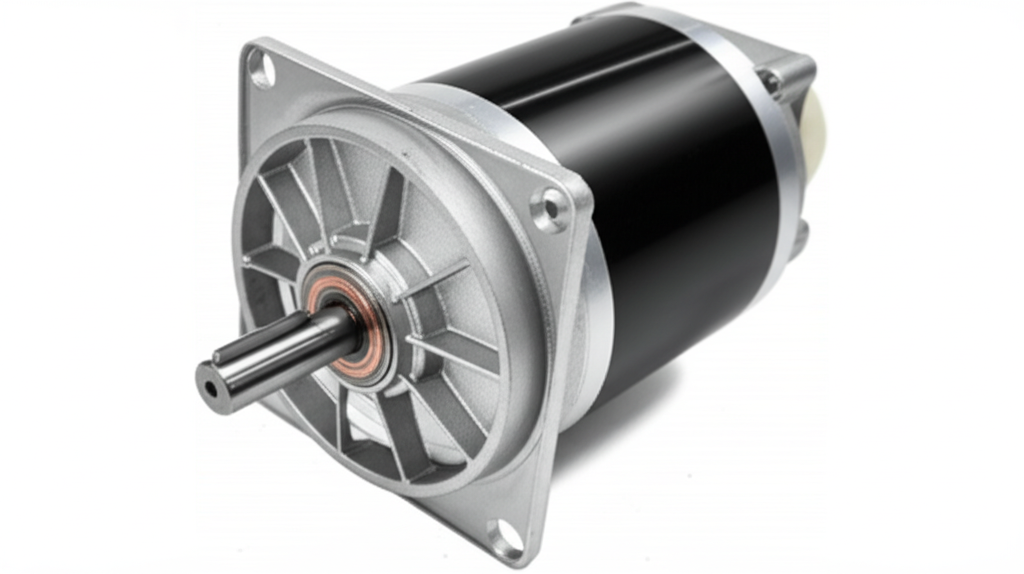
When someone asks me what a brushless motor lawn mower is, I start simple. It’s an electric mower that uses a Brushless DC motor. We shorten that to BLDC. Instead of the old-school “brushed” design that relies on physical brushes rubbing on a commutator, a brushless motor uses electronics to time the power pulses that spin the motor. No brushes. No rubbing parts. Less friction. More efficiency.
I noticed the difference the first time I switched from a brushed electric mower to a brushless model. The new mower ran longer on the same battery size, and it powered through tough grass without the same bogging down. It sounded smoother. It also felt like it had more torque at lower RPM. That’s not magic. It’s electronic commutation doing its job.
If you grew up with corded electric tools or gas lawn mowers, you might wonder where the power comes from now. In a brushless setup you’ve got a few key parts:
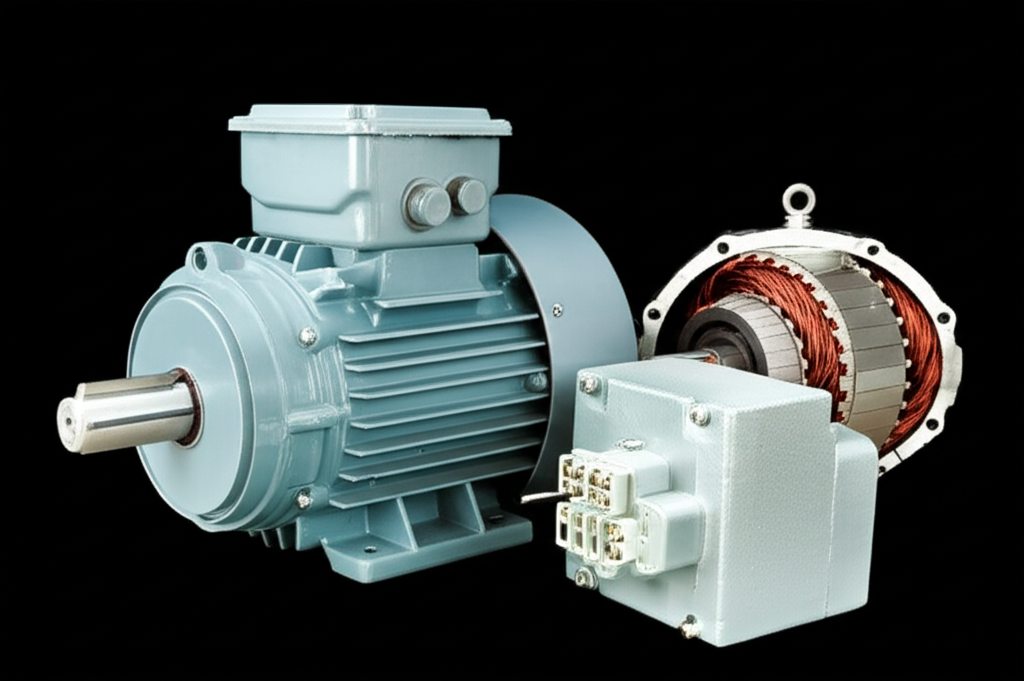
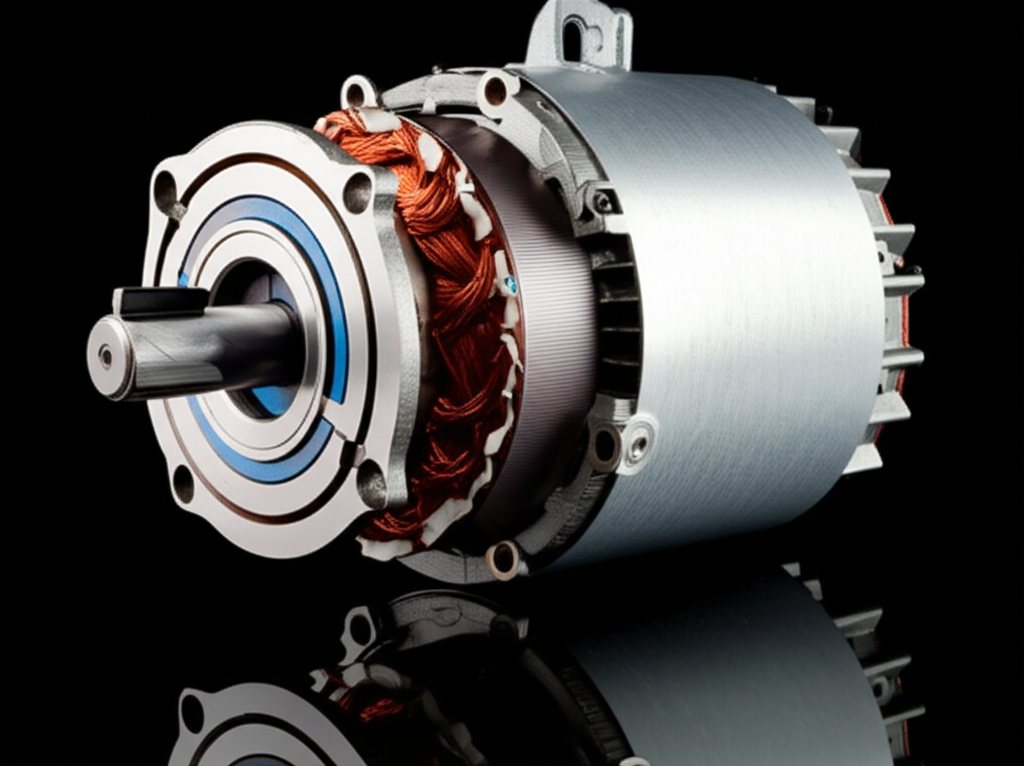
- Stator: The stationary part with coils of wire.
- Rotor: The spinning part with permanent magnets.
- Electronic Speed Controller (ESC): The circuit board that acts like the brain. It switches the current to the coils at the right moment to keep the rotor turning.
If you want a deeper dive on how these pieces interact, this overview of stator and rotor explains the roles nicely in simple terms.
Most modern cordless lawn mowers use lithium‑ion batteries. You’ll see ratings like 40V, 56V, or 80V. Voltage relates to potential power and speed. Amp‑hours (Ah) tells you the capacity or how long the battery can deliver current. Wattage (W) is simply Voltage times Amps. Runtime depends on both power draw and capacity. That is why a 56V 7.5Ah pack often outlasts a 40V 4.0Ah pack under the same workload.
How a Brushless Motor Works in Plain English
I like simple pictures. Imagine the rotor as a wheel with magnets. The stator sits around it with coils. The ESC energizes those coils in a sequence that pulls the rotor around in a circle. No brushes touch anything. The ESC senses rotor position and changes the current timing on the fly. That timing is the “commutation.”
Two flavors show up in tools:
- Sensored brushless: Hall sensors tell the ESC where the rotor is at all times. Start‑up is smooth and low‑speed control is precise.
- Sensorless brushless: The ESC infers position from the back EMF (voltage produced as the rotor spins). It costs less and works great at speed. Many mowers use sensorless designs because they are robust and affordable.
When the grass gets thicker, the ESC bumps current to maintain RPM and torque. You feel that as the mower powering up right when you ask for it. I’ve cut wet St. Augustine and thick fescue with a good brushless mower that kept its blade speed steady. That stability translates to better cut quality and fewer ragged blades of grass.
A lot of people ask about the hardware inside the motor. Quality matters. The steel laminations in the stator and rotor reduce energy loss from eddy currents. Better laminations mean higher efficiency and less heat. If you’re curious about why that matters, the material and build quality of stator core lamination is a big reason some motors run cooler and last longer. The same goes for the rotating side. The build of the rotor core lamination can affect torque density and smoothness. Most modern BLDC motors use high‑grade electrical steel laminations because those materials keep losses low and performance high. You can read more on the types and benefits of electrical steel laminations.
The Big Upsides: Why I Prefer Brushless for Most Yards
Here is what sold me on brushless motor lawn mowers after many weekends behind the handle.
- Increased efficiency and longer runtime: Typical brushed electric motors convert a lower share of battery energy into blade power. Brushless designs often hit 80–90% efficiency. In my experience that gives a noticeable bump in runtime per battery. On the same pack a brushless mower usually cuts longer before you need a swap or a recharge.
- Greater power and torque on demand: Tough grass needs torque. Brushless motors deliver it without the drop in blade speed that you can feel in brushed units. Blade speed and torque work together. When the controller senses load, it reacts fast. That helps the deck clear clippings and keeps the cut even.
- Extended motor lifespan with less maintenance: No brushes to wear out and less heat buildup. That is a recipe for longevity. You do not change oil. You do not replace spark plugs. You do not clean carburetors. You mostly keep the deck clean and sharpen the blade.
- Quieter operation and lower vibration: I can talk at a normal volume while mowing. Brushless mowers routinely measure 70–85 dB. Gas mowers often push 90 dB or more. The drop in vibration helps too. My hands feel less buzzed after a long session.
- Cleaner and more eco‑friendly: Zero tailpipe emissions. No gas fumes. Less mess in the garage. If you care about sustainability and noise pollution, brushless checks those boxes.
- Reliability and durability: Fewer friction parts. Sealed electronics. Better weather resistance in many models with clear IP ratings. I still avoid leaving any mower out in heavy rain. Light splashes or morning dew usually don’t faze well‑designed units.
Brushless vs Brushed vs Gas: A No-Nonsense Comparison
Let me break down the key differences I see in real use.
- Efficiency
- Brushed electric: Lower efficiency due to brush friction and heat loss.
- Brushless electric: Higher efficiency. More of your battery goes into cutting.
- Gas: Internal combustion wastes a lot of energy as heat and noise.
- Power and torque
- Brushed electric: Fine for small to mid lawns with lighter grass.
- Brushless electric: Strong torque with active RPM control. Works in thicker turf.
- Gas: Broad power range. Mid to large engines still rule for raw grunt.
- Noise and vibration
- Brushed electric: Quieter than gas. A bit harsher than brushless.
- Brushless electric: Quietest option with lower vibration.
- Gas: Loudest. More vibration and more fatigue.
- Maintenance
- Brushed electric: Brushes wear. Motors run hotter. More parts to replace.
- Brushless electric: Minimal maintenance. Focus on the blade and battery care.
- Gas: Oil changes, air filters, spark plugs, fuel storage, carb cleaning.
- Cost
- Brushed electric: Lowest upfront price.
- Brushless electric: Higher initial cost. Long‑term savings from lower upkeep and zero fuel.
- Gas: Moderate to high purchase price plus ongoing fuel and maintenance.
- Emissions
- Electric brushed and brushless: Zero emissions during use.
- Gas: Significant emissions and fumes.
- Runtime
- Brushed electric: Shorter on the same battery size.
- Brushless electric: Longer on the same battery size due to higher efficiency.
- Gas: As long as the fuel holds out. You refill and keep going.
- Weight and handling
- Brushed electric: Generally light to moderate.
- Brushless electric: Moderate weight. Batteries add heft. Still lighter than many gas mowers.
- Gas: Heavier. Self‑propelled helps on slopes.
When I lay it out this way the tradeoff becomes clear. If you want a clean, quiet, low‑maintenance mower that still cuts with authority, brushless electric checks the boxes. If you have rough acreage or frequently mow knee‑high fields, a large gas mower still has a place. Many homeowners fall in the middle. That is where brushless shines.
What to Look For When You Buy
Mower shopping used to be about engine size and brand decals. Today it is about battery systems, torque management, and real cutting performance. Here is my field checklist.
- Battery system: Voltage and amp‑hours matter. A 40V 4.0Ah pack gives you about 160 watt‑hours. A 56V 7.5Ah pack gives you about 420 watt‑hours. More watt‑hours usually means longer runtime. Interchangeability counts too. Many brands let you use the same battery across tools like string trimmers, chainsaws, and leaf blowers. Ego Power+, Ryobi, Greenworks, Makita, Milwaukee, Dewalt, Toro, Husqvarna, Craftsman, and Snapper all offer ecosystems that share packs. Pick a voltage platform that fits your yard size and your future tools.
- Deck size: Match deck width to your lawn. Small yards work well with 13–17 inches. Medium yards love 18–21 inches. Large yards usually want 21–22 inches or more. Bigger decks cut faster per pass. Tight spaces favor smaller decks and better maneuverability.
- Cutting options: I always check for mulching, bagging, and side discharge. Mulching returns clippings and nutrients to your lawn. Bagging keeps things tidy in the spring or when the grass runs high. Side discharge helps in thick conditions since it reduces clogging.
- Self‑propelled vs push: If your yard has slopes or you mow for more than 30 minutes, self‑propelled makes life easier. Brushless mowers coordinate blade power and drive power well. Look for variable speed so you can match your walking pace.
- Adjustable cutting height: Easy lever adjustments save time. I like mowers with a single‑point or two‑point height system. Tall fescue wants a higher cut. Warm‑season grasses can go lower in peak season. Changing height should not be a chore.
- Ergonomics and storage: Weight matters. So does balance. Try the handle angles and foam grips if you can. Foldable handles and vertical storage are game changers in small garages. Some models store upright against a wall which saves a lot of space.
- Durability and weather resistance: Check the design for sealed electronics and the manufacturer’s stated IP rating. Many mowers resist splashes or light rain. Always store batteries in a dry place. Heat kills lithium‑ion packs faster than mild cold.
- Safety and protection: Blade brake stops the blade fast when you let go of the bar. Overload protection shuts down the motor if the blade jams. Thermal protection keeps the ESC and battery within safe limits. I look for clear overload indicators rather than mystery shutoffs.
- Charging time: Fast chargers can turn a big battery around in under an hour. Standard chargers may take 2–3 hours. If you want continuous runtime, consider a second pack and a fast charger.
- Warranty and support: Brushless motors often outlast brushed ones. The warranty still matters because it covers the battery, ESC, and safety switches. I read the fine print for tool, battery, and charger coverage lengths and what’s excluded.
- Smart features: A few models offer app control, runtime estimates, or smart home integration. Handy if you like data. Not essential for mowing. Robotic lawn mowers often use brushless motors too. Those live in a different category with mapping and sensors.
One more technical angle that makes a difference in cut quality. Materials inside the motor. High‑quality laminations reduce core losses. That efficiency keeps power focused on the blade. If you are nerdy like me, the construction of the stator core lamination and rotor core lamination plus the grade of electrical steel laminations will matter to you. Those details hint at how a motor holds up under load.
Who Gets the Most Value From a Brushless Mower
You will love a brushless mower if:
- You want quiet operation with zero emissions at the point of use.
- You hate dealing with gas, oil, filters, and pull cords.
- Your lawn is small to large and you want consistent performance. A single 56V pack can handle many mid‑size yards. Large yards do fine with two packs or a higher‑capacity pack.
- You prefer long‑term value and reliability over the absolute lowest price on day one.
- You need self‑propelled help on slopes. Brushless models deliver smooth drive control.
A brushed electric mower still makes sense if you have a small yard and a tight budget. You get the convenience of electric. You trade away some efficiency and longevity. If your yard is huge or you mow fields, a larger gasoline mower remains practical. That is not most suburban homeowners today.
Maintenance and Care That Actually Matters
Brushless mowers do not ask for much. The basics go a long way.
- Battery care
- Charge at room temperature. Extreme heat shortens battery life fast.
- Do not store batteries fully dead or fully charged for months. About 40–60% charge is a safe resting level for long storage.
- Keep the contacts clean and dry. Wipe off grass juice or dirt.
- Check charging time. Fast chargers get you back to work. Slower chargers are fine if you recharge overnight.
- Blade maintenance
- Inspect the blade every few mows. Nicks and dull edges tear grass which browns the tips.
- Sharpen or replace as needed. A sharp blade reduces load on the motor. That means longer runtime and a cleaner cut.
- Deck cleaning
- Clean the underside of the deck after mowing wet grass or thick spring growth. Built‑up clippings sap power and airflow.
- Use a plastic scraper or brush. Avoid blasting water into bearings or up into electronics.
- General upkeep
- Check wheel height levers, handle locks, and safety switches. Loose parts rattle and wear.
- Keep an eye on firmware updates if your brand supports them. Some ESCs allow updates through the charger or app which can improve performance and protection.
- Troubleshooting the common stuff
- Overheating or shutdowns often happen after heavy load in hot weather. Let the battery and motor cool. Clear the deck and check the blade.
- If the mower will not start, confirm the battery is seated and charged. Check the safety key and bail handle switch. Many mowers require a specific start order.
- Intermittent power can signal a failing battery pack or a loose connection. Try a second battery to isolate the issue.
- Strange noises or vibration often trace back to a bent blade or debris wrapped around the shaft.
Most “brushless motor controller failure” complaints come from heat stress or moisture ingress. Respect the duty cycle. Avoid pressure washing the mower. Dry storage goes a long way.
Is a Brushless Motor Lawn Mower Worth It
In my experience yes for most homeowners. Upfront cost runs higher than brushed electric mowers. The gap shrinks when you add gas costs, oil, filters, and plugs over a few seasons. Then you factor in time. No gas runs. No carb issues after winter. Click the battery in and cut.
Here is how I weigh the value:
- Runtime per battery: A brushless mower stretches each watt‑hour farther. That saves you battery swaps and charging time.
- Performance under load: When grass thickens, the blade keeps speed better. That cuts cleaner. It also means fewer repeat passes.
- Lifespan: No brush wear. Less heat. Fewer failure points. The motor itself is a long‑game play.
- Noise and neighbors: Electric keeps the peace. That matters more than you think.
Where is the downside? Battery packs cost money to replace. Expect to replace a pack after several years depending on use, storage, and heat exposure. For many users the benefits still win by a mile. If you mow a small lawn, you might need only one 4.0Ah or 5.0Ah pack. If you maintain medium to large lawns, invest in a second pack or a larger capacity. That flexibility beats hauling gas cans.
Frequently Asked Questions
Q: Do brushless lawn mowers last longer than brushed?
A: Yes in most cases. No brushes means less wear. Brushless motors also run cooler which helps the windings and magnets over time. The electronics and battery still need care. The motor itself is the durable part.
Q: Are brushless motors more powerful than brushed motors?
A: Power depends on design. Brushless motors deliver higher efficiency and better torque control at a given size. That often translates to stronger cutting performance in real grass. So they feel more powerful even when the rated watts are similar.
Q: What is the primary disadvantage of a brushless motor lawn mower?
A: Upfront price. Brushless systems cost more at the beginning. Batteries also cost more to replace than spark plugs. The flip side is lower maintenance and lower running costs.
Q: How can I tell if my lawn mower has a brushless motor?
A: The box or spec sheet will say “brushless motor” or “BLDC.” Brands promote it. You can also spot it in the smooth sound and the quick torque response when you hit thick patches.
Q: How long does a brushless lawn mower battery last?
A: Runtime depends on deck size, grass height, and battery capacity. A mid‑size mower with a 56V 5.0Ah pack often gets 30–45 minutes in real grass. Thick spring growth shortens that. Fall trim‑ups stretch it. Charge cycles for a pack typically land in the hundreds.
Q: Is a cordless brushless mower as good as gas?
A: For many residential lawns yes. A good brushless mower rivals small to mid‑size gas mowers in cut quality with far less noise and hassle. For extreme overgrowth or very large acreage, a heavy gas machine still wins on endurance.
Q: What about corded electric vs brushless battery mowers?
A: Corded electric mowers can be reliable for small yards if you do not mind the cord. Brushless battery mowers cut the cord and give you more freedom. They also deliver smarter torque control and better ergonomics.
Q: Do robotic lawn mowers use brushless motors?
A: Most do. Brushless motors fit robotic use because they are efficient, compact, and low maintenance. That said, robotics are a separate purchase decision with mapping, boundary wires, and safety considerations.
Q: What does “sensorless brushless” mean in a mower?
A: It means the motor controller determines rotor position without physical sensors. It reads the back EMF to time commutation. Sensorless designs are robust and cost effective. They also start smoothly in mower applications because the blade gives a steady load.
Q: Does deck material matter with brushless mowers?
A: Steel decks are tough. Composite decks resist corrosion and can be lighter. Airflow inside the deck matters more than the material for cut quality. Clean decks perform better.
Q: What is the best deck size for my lawn?
A: Under 1/8 acre, a 13–17 inch deck works. Up to 1/4 acre, an 18–21 inch deck fits. Over 1/4 acre, a 21–22 inch deck saves time. Tight lawns with lots of beds still benefit from a smaller deck regardless of size.
Q: How loud are brushless mowers compared to gas?
A: Many brushless units fall around 70–85 dB at the operator’s ear. Gas mowers often run 90 dB or more. That is a notable difference in comfort.
Q: Can I use my mower battery in other tools?
A: Usually yes within the same brand and voltage platform. That is part of the value. One battery for your mower, string trimmer, leaf blower, chainsaw, and more.
Q: What happens if my mower gets wet?
A: Most mowers handle light moisture thanks to sealed electronics and stated IP ratings. Avoid mowing in heavy rain or washing the mower with direct jets. Dry the unit and remove the battery if it gets soaked.
Final Thoughts
If you want a straightforward answer here it is. A brushless motor lawn mower gives you efficient power, smooth torque, and long life with less hassle. It runs quieter than gas. It cuts stronger than most brushed electric mowers. It asks for simple maintenance that anybody can handle.
I switched for the convenience and never missed the gas can. If your yard fits the profile, a brushless mower is one of those upgrades you feel every time you pull the handle.
Internal links used in this article: