What is a Ford Coyote Motor? Your Comprehensive Guide to Ford’s Legendary 5.0L V8
- Table of Contents
- What is a Ford Coyote Motor? Your Comprehensive Guide to Ford’s Legendary 5.0L V8
- Outline
- What is the Ford Coyote engine?
- How did the Coyote start and why did Ford build it?
- What key tech makes the Coyote V8 special?
- Where will you find the Coyote today?
- How did the Coyote grow from Gen 1 to Gen 4?
- What are the Coyote engine specs by generation?
- How does the Coyote compare to LS, Mod motor, Voodoo, and Predator?
- Can you tune a Coyote and add power safely?
- Is the Coyote good for daily driving and long life?
- What about sound, fuel, emissions, and the driving feel?
- Which transmissions pair well with the Coyote?
- Common questions about the Ford Coyote engine
- Bonus learning for motor geeks
- References
- Key takeaways
The Ford Coyote engine is a 5.0-liter, DOHC V8 that powers the Mustang GT and the F-150. I wrote this guide to answer one big question you may have right now. What is a Coyote and why do so many people love it. If you want clear facts, plain talk, and real-world tips, this is worth your time.
I follow a simple plan. Problem. You see bits and pieces on the Coyote V8 and it feels messy. Agitate. Specs, years, and upgrades hide in many places and that wastes your time. Solution. I put it all in one place with easy steps, strong sources, and straight answers.
Outline
- What is the Ford Coyote engine?
- How did the Coyote start and why did Ford build it?
- What key tech makes the Coyote V8 special?
- Where will you find the Coyote today?
- How did the Coyote grow from Gen 1 to Gen 4?
- What are the Coyote engine specs by generation?
- How does the Coyote compare to LS, Mod motor, Voodoo, and Predator?
- Can you tune a Coyote and add power safely?
- Is the Coyote good for daily driving and long life?
- What about sound, fuel, emissions, and the driving feel?
- Which transmissions pair well with the Coyote?
- Common questions about the Ford Coyote engine
- Bonus learning for motor geeks
What is the Ford Coyote engine?
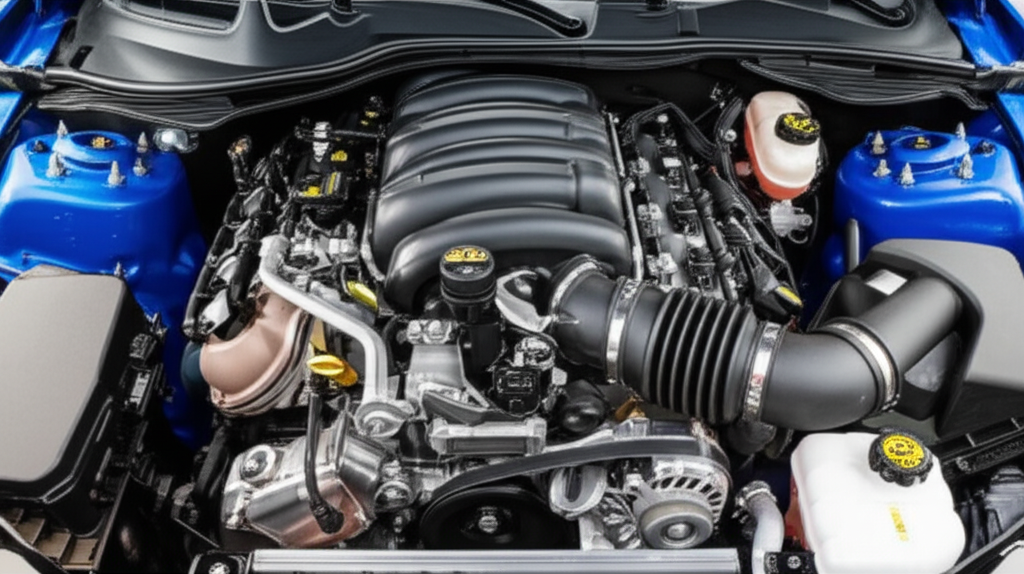
When people ask “What is a Coyote,” I keep it simple. The Ford Coyote engine is a 5.0 Coyote V8 that Ford Motor Company launched for the 2011 Mustang GT and F-150. It is a Coyote V8 with DOHC (Dual Overhead Camshaft) and Ti-VCT (Twin Independent Variable Camshaft Timing). It runs a light aluminum block with cylinder heads that breathe well at high rpm. This is a modern V8 with clean power.
The Coyote sits in a sweet spot. It blends strong horsepower (HP) and torque (lb-ft) with smooth fuel economy for the size. Many fans call it the Best Ford V8 for street use and for racing. Many builders also trust it for an engine swap in older cars because it fits well and it makes great power out of the box.
How did the Coyote start and why did Ford build it?
Ford needed a new plan. The old Modular V8 engine had run its race in many cars and trucks. The team pushed a fresh design to boost power, cut emissions, and meet new rules. That is the Coyote history. It served as a Modular engine replacement inside the Modular engine family space yet it stood on its own.
The engine arrived in the 2011 model year. Many people call it the 2011 Coyote. It hit the Mustang GT first then the F-150. Drivers loved the jump in power and the high redline feel. The Ford engine development team set a high bar. Later we saw the 2015 Coyote, the 2018 Coyote, and now the 2024 Coyote. Each step brought more power and smarter tech.
What key tech makes the Coyote V8 special?
The Coyote uses a 5.0-liter engine with a tight Coyote engine design. It has 32 valves, four per cylinder, and a 5.0L (302 cu in) displacement. People often ask about bore and stroke Coyote. Ford chose a near-square setup to help it rev and breathe. The DOHC Coyote layout helps airflow and Coyote redline sits high for a road car. The High RPM Coyote feel is a big part of the fun.
Ti-VCT or Twin independent variable camshaft timing lets the cams move on their own. That helps Coyote fuel economy and low-end Coyote torque. It also helps top-end Coyote horsepower. Early engines used Port injection Coyote. Later engines added Direct injection Coyote to make dual fuel. That means both Port Injection (PI) and Direct Injection (DI) feed the cylinders. Dual fuel helps power, Coyote emissions, and cold starts.
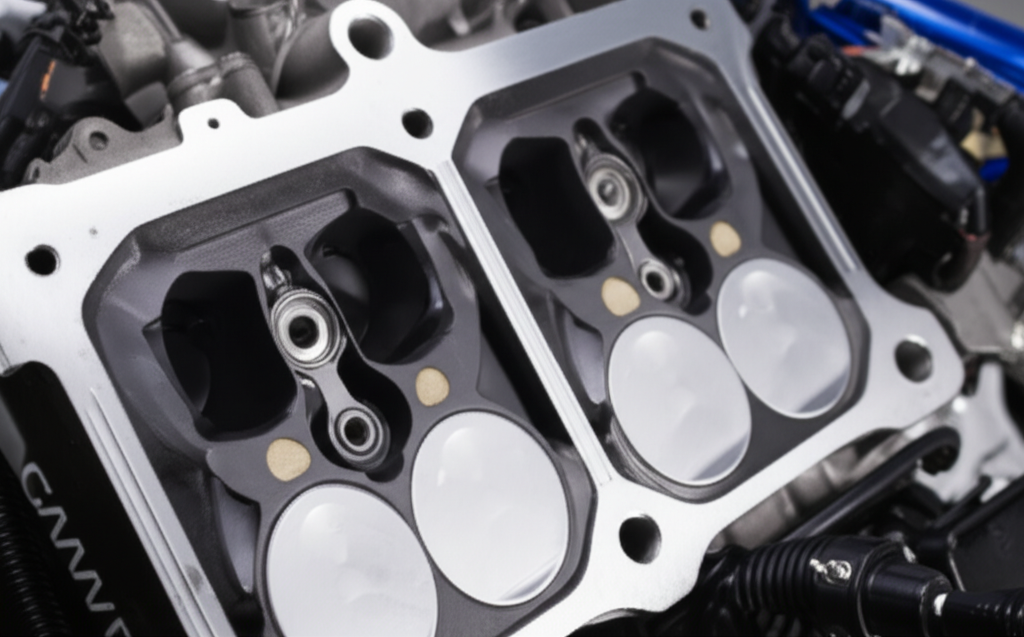
The aluminum block Coyote helps weight and cooling. Inside you get a tough crankshaft, strong connecting rods, and forged or hypereutectic pistons by generation. Ford also refined Coyote head ports, Coyote intake manifold, and Coyote exhaust manifold over time. Later engines added larger valves and stronger parts. The result is a durable base with lots of headroom.
Where will you find the Coyote today?
You will see the Coyote in two big places. The Mustang GT Coyote and the F-150 5.0 Coyote. In the car it revs higher and makes more peak power. In the truck it pulls hard down low. Some special cars use it too. The Mach 1 Coyote in the Mach 1 Mustang runs a tuned setup. The track-ready Boss 302 Coyote in the Boss 302 Mustang had a unique intake and head tweaks.
You can also buy a Coyote crate engine from Ford Performance. The Ford Performance Coyote crate line makes swaps simple. Many shops do a Coyote engine swap into classics or into kit cars. You can also buy a Coyote long block or a Coyote short block for a Coyote engine rebuild or for bigger power plans.
How did the Coyote grow from Gen 1 to Gen 4?
Fans talk about Gen 1 Coyote, Gen 2 Coyote, Gen 3 Coyote, and Gen 4 Coyote. Each step raised the game. The Gen 1 Coyote (2011-2014) set the base. It came with PI fuel and 11.0:1 compression ratio. The Gen 2 Coyote (2015-2017) came with better cylinder heads, a new intake manifold, and stronger rods and bearings. It still used port injection and 11.0:1 compression.
The Gen 3 Coyote (2018-2023) was the leap. It added Dual Fuel Injection (DI + PI). It raised Compression Ratio to about 12.0:1 and upgraded the block, crankshaft, and connecting rods. It also had larger valves and changes for strength. The Gen 4 Coyote (2024+) improved air and cooling again. It brought a new intake and exhaust path on the S650 Mustang plus revised throttle bodies.
What are the Coyote engine specs by generation?
Here is a quick table with the core facts. It shows Coyote engine specs, Coyote horsepower, and Coyote torque by year and model.
| Feature / Generation | Gen 1 (2011-2014) | Gen 2 (2015-2017) | Gen 3 (2018-2023) | Gen 4 (2024+) |
|---|---|---|---|---|
| Primary Vehicles | Mustang GT, F-150 | Mustang GT, F-150 | Mustang GT, F-150 | Mustang GT, F-150 |
| Displacement | 5.0L (302 cu in) | 5.0L (302 cu in) | 5.0L (302 cu in) | 5.0L (302 cu in) |
| Valvetrain | DOHC, 4 valves/cyl, Ti-VCT | DOHC, 4 valves/cyl, Ti-VCT | DOHC, 4 valves/cyl, Ti-VCT | DOHC, 4 valves/cyl, Ti-VCT |
| Fuel System | Port Injection | Port Injection | Port + Direct Injection | Port + Direct Injection |
| Compression Ratio | 11.0:1 | 11.0:1 | 12.0:1 | 12.0:1 (S650 GT) |
| Horsepower (Mustang GT) | 412/420 hp | 435 hp | 460 hp | 480/486 hp |
| Torque (Mustang GT) | 390 lb-ft | 400 lb-ft | 420 lb-ft | 415/418 lb-ft |
| Horsepower (F-150, typical) | 360 hp / 380 lb-ft | 385 hp / 387 lb-ft | 400 hp / 410 lb-ft | 400 hp / 410 lb-ft |
| Block Material | Aluminum | Aluminum | Aluminum | Aluminum |
| Key Changes | Baseline modern V8 | Better heads, intake, rods | DI+PI, higher comp, stronger parts | More flow, better cooling |
Note the S550 Mustang used Gen 2 and Gen 3. The new S650 Mustang uses Gen 4. The F-150 saw unique tunes. Some trucks added cylinder deactivation in later years for fuel economy.
How does the Coyote compare to LS, Mod motor, Voodoo, and Predator?
Fans love matchups. Coyote vs LS engine gets spicy. LS engines are light and cheap to swap. The Coyote breathes better up top and loves rpm. Many call the Coyote smoother with stock cams. Coyote vs Mod motor is a step change. The Coyote out-powers the older Mod in stock form with modern heads and Ti-VCT.
Coyote vs Voodoo engine is a cousin chat. The GT350 (Voodoo engine) is a 5.2L flat-plane crank V8. It revs higher and sounds wild. It is also rare and more complex. Coyote vs Predator engine is apples and a big apple. The Shelby GT500 (Predator engine) is a 5.2L supercharged beast. It makes huge power thanks to a factory supercharger. The Coyote wins on value, ease, and broad use.
Can you tune a Coyote and add power safely?
Yes. Coyote tuning is a joy. Many owners start with a tune and a Coyote intake manifold swap. Others add a Coyote supercharger or a Coyote turbo kit. Both are forced induction Coyote paths. They wake the car right up. Just plan well. Upgrade Oil pump gears (OPG) Coyote and the Crank sprocket Coyote for high rpm and big boost. That little move can save your day.
You can go deeper with Coyote engine modifications. Add Coyote camshafts, Coyote valve springs, and larger Coyote injectors. Upgrade the Coyote ECU and manage Coyote fuel pressure. Choose the right Coyote spark plugs. Watch Coyote sensor locations when you wrench. Build a strong base with a Coyote long block or a Coyote short block and a good Coyote head gasket. Choose smart Aftermarket Coyote parts and Coyote performance parts that work as a set.
Is the Coyote good for daily driving and long life?
I have seen Coyotes with long miles. The Coyote reliability story is strong when you follow Coyote maintenance rules. Use the right Coyote oil type and check Coyote oil capacity for your model. Let the car warm up. Follow a good Coyote engine break-in for new builds. Many stock engines run past 150k miles with basic care.
Watch for Common Coyote problems in high power builds. Hard launches in Drag Racing or long pulls in Road Racing can stress parts. That is why many builders upgrade OPGs. Some F-150s add cylinder deactivation for Daily Driving fuel savings. Keep the tune clean and intake air cool. The Coyote cooling system matters under heat.
What about sound, fuel, emissions, and the driving feel?
The Coyote sound is part of the draw. A wide intake bark and a clear V8 note on top. The note changes with pipes, x-pipes, or active exhaust. The Iconic V8 Sound gets many of us smiling. For fuel you can run pump gas and in many setups you can run Ethanol (E85) with the right injectors and tune. The Coyote fuel type and fuel maps change power a lot.
Ford tuned Coyote emissions to meet rules. The Coyote cold start can sound strong as the car brings cats up to temp. The engine still gives strong fuel economy for a V8. You feel smooth pull to a high redline. It does not fall off hard up top like some pushrod V8s. A Naturally aspirated Coyote feels crisp. A boosted one pulls like a freight train.
Which transmissions pair well with the Coyote?
Trans choice shapes the drive. Many cars use the MT82 manual transmission. Fans call that setup the MT82 Coyote. Newer cars have the 10R80 automatic transmission which people call the 10R80 Coyote. The 10-speed keeps the Coyote on boil and it shifts fast. Some special models use a Tremec (transmission) and many swaps go that route for feel and strength.
Ford tuned each trans to match the car. The 10R80 gives quick sprints and steady cruise rpm. The MT82 gives control and a classic feel. The Coyote transmission pairing you choose depends on your goals. Street, track, or tow all ask for different gear maps.
Common questions about the Ford Coyote engine
- How long do Coyotes last?
- Many stock Coyote engine reviews show 150k to 200k miles with service. Coyote durability is strong with clean oil and smart driving.
- What about Common Coyote problems?
- In high power builds, OPGs can fail. That is why many upgrade Oil Pump Gears (OPG) and the Crank sprocket before they push Coyote power potential past stock. Keep an eye on Coyote oil consumption too in hard track use.
- Can a stock Coyote handle boost?
- Many Gen 3 Coyote builds see big numbers on a stock block with a safe tune and better fuel. Always upgrade the weak links. Do not forget cooling for Coyote for racing.
- Which is faster. F-150 Coyote engine or Mustang Coyote engine?
- The car tune makes more peak power. The truck tune favors torque. Gearing and weight change the feel.
- What about Cylinder #8 stories?
- Some early talk online focused on failures for cylinder eight. I trace most stories to bad tunes, low octane, or detonation under load. Good fuel and a safe tune protect all cylinders.
- How much does a Coyote cost?
- Coyote engine cost changes by year and source. A Used Coyote engine price varies with miles and Gen. Crate engines from Ford Performance make pricing simple.
- What else should I watch when I wrench?
- Check Coyote engine mounts, watch clearance in the Coyote engine bay, and use the right Coyote head gasket torque steps. Confirm Coyote sensor locations before you swap parts.
Bonus learning for motor geeks
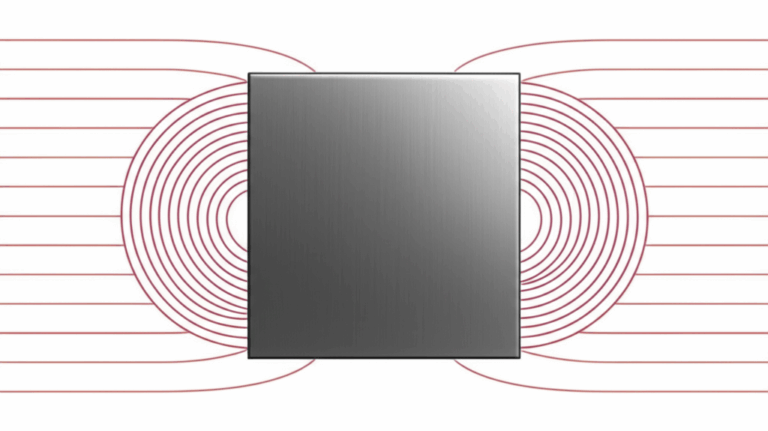
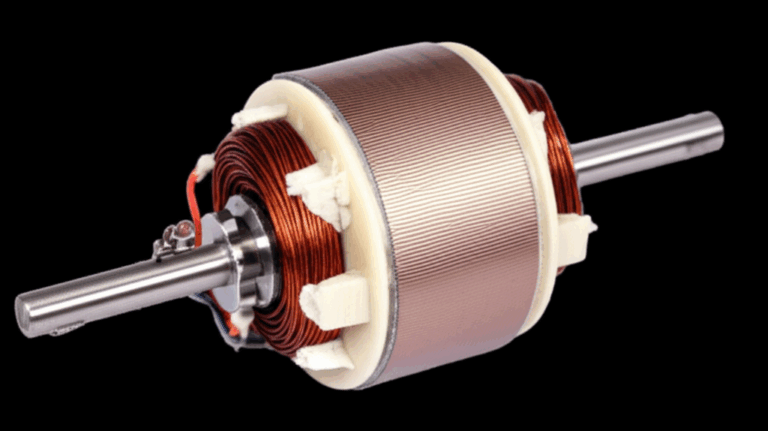
You read about engines here. If you also like electric motors you might enjoy quick primers. See how fields spin and learn how stator and rotor work. If you want to go deeper, study the role of electrical steel laminations in motor cores. You can also see how builders stack and stamp motor core laminations for better efficiency.
References
- Ford Motor Company. Mustang GT and F-150 5.0L specifications. Owner’s Manuals and Technical Press Kits. https://www.ford.com
- Ford Performance. Crate Engines Catalog: 5.0L Coyote Gen 3 and Gen 4. https://performance.ford.com
- SAE and industry press. Coverage of Ti-VCT, DI+PI, and Coyote development features.
- Builder case studies from major forced induction brands for Coyote systems: Roush, Whipple, Paxton, ProCharger.
Key takeaways
- The Coyote V8 engine is a 5.0L DOHC V8 with Ti-VCT and light aluminum block parts. It powers the Mustang GT and F-150.
- Four key generations: Gen 1 (2011-2014), Gen 2 (2015-2017), Gen 3 (2018-2023), Gen 4 (2024+) with dual fuel and rising power.
- Strong stock power and a high redline with crisp throttle. Great Daily Driving manners and track chops for Drag Racing and Road Racing.
- Big mod path: Coyote tuning, Coyote supercharger, Coyote turbo kit, cams, injectors, and ECU. Upgrade Oil Pump Gears (OPG) and Crank sprocket for high boost.
- If you swap or rebuild, plan a Coyote long block or Coyote short block with the right Coyote head gasket, Coyote spark plugs, and a safe tune.
- For trucks and cars, choose your Coyote transmission pairing. MT82 manual or 10R80 automatic or Tremec for special builds.
- Watch basics: Coyote oil type, Coyote oil capacity, Coyote maintenance, cooling, and clean fuel like Ethanol (E85) when mapped.
- The Coyote set a standard for modern V8s. It replaced older Modular V8 engine setups and still feels fresh today on the S550 Mustang and S650 Mustang.