What Is a GDI Motor? Understanding Gasoline Direct Injection Through My Experience
Table of contents
- Introduction: Why GDI matters and how I learned to work with it
- What GDI stands for and what a GDI motor actually is
- How a GDI motor works
- Fuel delivery system
- Precise injection timing and ECU control
- The combustion process and stratified charge
- The key components you should know
- GDI vs Port Fuel Injection: what really changes
- Advantages of GDI engines
- Disadvantages and common issues with GDI motors
- Essential maintenance tips for GDI engines
- Real-world data and what it means for you
- Brands and systems you will see on the road
- Practical ownership questions I get all the time
- Quick clarification: “motor” vs “engine” and why that causes confusion
- Is a GDI motor right for you
- The future of GDI technology
- Final thoughts
Introduction: Why GDI matters and how I learned to work with it
I remember the first time I dug into a modern compact car with a turbocharged GDI engine. The owner loved the punchy torque and the fuel economy on long trips. He also complained about a rough idle and a check engine light that came and went. After a careful inspection I found heavy intake valve deposits. That moment cemented something for me. GDI brings real benefits yet it asks for smart maintenance.
You see GDI or Gasoline Direct Injection shows up in most new gasoline cars now. Automakers chased stricter emission standards and better fuel economy. GDI helped them get there without killing performance. Over the years I have learned where GDI shines and where it needs a little extra love. In this guide I will walk you through how it works, how it compares to port fuel injection, the tradeoffs, and what you can do to keep a GDI motor happy for the long haul.
What GDI stands for and what a GDI motor actually is
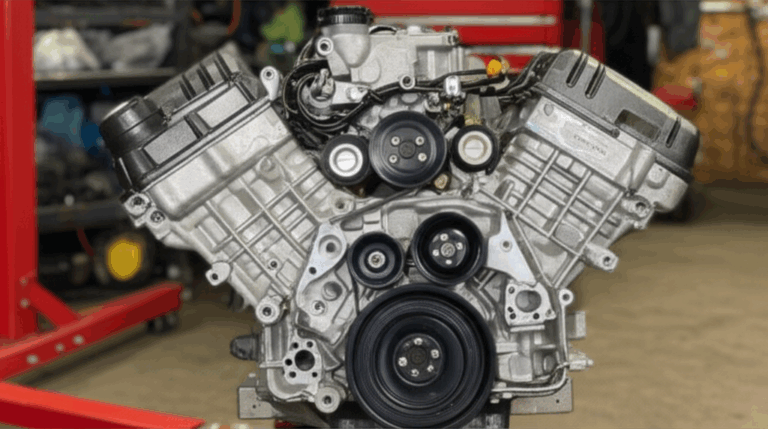
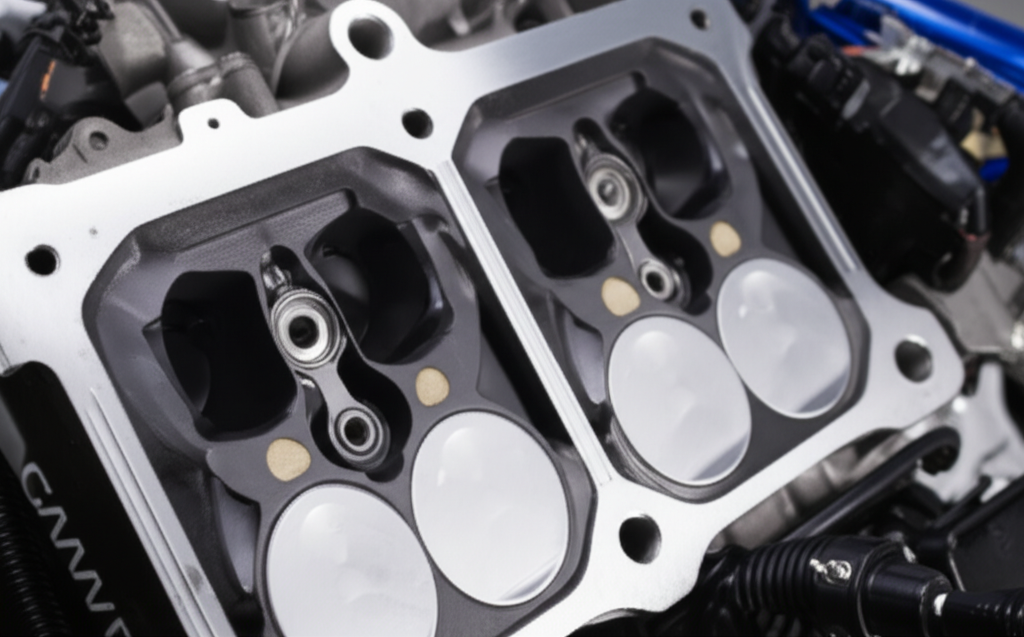
GDI stands for Gasoline Direct Injection. A GDI motor is a gasoline engine that sprays fuel directly into the combustion chamber under very high pressure. Traditional engines with Port Fuel Injection or PFI spray fuel into the intake manifold upstream of the valves. That difference changes a lot. It changes the fuel pressure, the timing, the mixing, and the way the engine deals with heat and emissions.
When people search “what does GDI stand for” or “what is a GDI motor” they want a clear picture. In plain terms GDI lets the engine place the right amount of fuel in the right spot at the right moment. That precision can boost power output and reduce fuel consumption. It can also reduce certain emissions when tuned properly.
How a GDI motor works
Fuel delivery system
A GDI fuel system has two pumps. An in-tank low-pressure pump delivers fuel to a high-pressure fuel pump or HPFP. The HPFP then ramps pressure way up. We are talking hundreds to over a thousand psi. That pressure feeds a fuel rail which supplies direct injectors. Those injectors spray straight into the combustion chamber.
Because pressure runs so high the HPFP and injectors must be precise and robust. That precision costs more and it demands clean fuel. The fuel rail has sensors that let the ECU keep a close eye on pressure. If you see codes tied to rail pressure or HPFP performance you can often trace them back to clogged filters, a failing pump, or fuel contamination.
Precise injection timing and ECU control
The Engine Control Unit or ECU runs the show. It looks at data from the MAF and MAP sensors, crankshaft and camshaft sensors, the oxygen sensors, and sometimes an in-cylinder pressure sensor on advanced systems. With all that information the ECU commands injection timing and pulse width. It decides whether to inject early during intake or late near the compression stroke. It can split injections across the cycle. It can run a lean stratified charge at light loads. It can enrich the mixture to cool pistons during heavy load.
I have watched logs that showed two or three short injections per cycle at idle on some engines. Then a single larger shot under heavy acceleration. That kind of control helps drivability and emissions.
The combustion process and stratified charge
Direct gasoline injection changes the dance inside the combustion chamber. Because fuel can arrive late and right where it needs to burn you get superior atomization and mixing. You also get the option to run “stratified charge.” That means a richer pocket of fuel near the spark plug and a leaner mixture elsewhere. The engine can run with less total fuel at light load. You save gas without stumbling.
Not every GDI engine runs stratified mode all the time. Some map it in for specific operating ranges. Others stick to homogeneous mixes most of the time because emissions hardware or market standards steer the strategy.
The key components you should know
- High-Pressure Fuel Pump or HPFP
- Direct fuel injectors
- Fuel rail and pressure sensor
- Engine Control Unit or ECU
- Spark plugs and ignition system
- Intake and exhaust valves
- Piston crown shape and combustion chamber design
- Knock sensor for detonation control
- EGR on some designs for NOx reduction
- Oxygen sensors and catalytic converter
- Gasoline Particulate Filter or GPF on newer models to control particulate matter
GDI vs Port Fuel Injection: what really changes
Traditional PFI sprays fuel into the intake manifold. The air and fuel mix before they pass the intake valves. That fuel literally washes the back of the valves. You get cleaner valve stems and seats which reduces deposits. Pressure stays low in PFI so injectors and pumps cost less and run quieter.
GDI injects fuel straight into the cylinder and it does so at much higher pressure. You gain power density and fuel efficiency. You can run higher compression ratios and more aggressive spark timing. You can cool the combustion charge by injecting late. That control pays off on turbocharged GDI engines. Downsizing a 6-cylinder to a 4-cylinder becomes practical without killing torque.
There is a catch. GDI loses that fuel “wash” on the intake valves. Oil vapor from the PCV system can bake onto the valves. Over time you get intake valve deposits or carbon buildup. PFI engines rarely suffer from that problem. Many automakers solved this with dual injection or combined GDI + PFI. Toyota’s D4-S system and some Ford EcoBoost variants do this. At low rpm and light load the ECU uses port injection to keep the valves clean. At high load it switches to GDI for power and efficiency.
Advantages of GDI engines
- Improved fuel economy. In my experience I have seen 10 to 20 percent better economy versus a similar PFI engine when driving a comparable route at steady speeds. Real life varies with driving style and terrain.
- Increased power and torque. Direct injection supports higher compression and better knock resistance. Gains of 5 to 15 percent in power density are common in like-for-like comparisons.
- Lower CO2 emissions for a given power output because the engine burns less fuel for the same work.
- Better cold-start control with tailored injection strategies.
- Works great with turbocharging which lets automakers downsize engines without losing performance.
Disadvantages and common issues with GDI motors
- Intake valve carbon buildup. This is the big one. Without fuel washing the intake valves, oil mist can form stubborn deposits. Symptoms include rough idle, misfires on cold starts, hesitation, and reduced fuel economy. Walnut blasting or top-end chemical cleaning can remove the deposits. Intervals vary. I have seen engines need cleaning around 50,000 to 100,000 miles. Some go longer based on driving style, oil control, and PCV design.
- Higher manufacturing and repair costs. The HPFP, injectors, and hardened components cost more. Repairs can add up if a high-pressure injector fails or if the HPFP wears out.
- Engine noise. Many owners hear a “ticking” or “clatter” at idle. That is often the HPFP and the injectors doing their job. I always tell people to compare with a known good example or listen from outside the car. GDI will never be as whisper-quiet as an old port-injected idle.
- Low-Speed Pre-Ignition or LSPI. This pops up mostly in small turbocharged GDI engines under high load at low rpm. It can feel like a violent knock. The fix is multi-pronged. Use the right oil that meets API SN PLUS or SP. Avoid lugging the engine in a high gear at low rpm. Automakers also tweak software to reduce LSPI risk. Those oil standards exist for a reason.
- Oil dilution. Some GDI designs show fuel blow-by that thins the oil. Short trip driving makes it worse because the engine never warms up. I mitigate this with shorter oil change intervals and oil that meets the right spec for the engine and climate.
- Cold start issues and misfires. Direct injectors can clog or spray poorly which leads to rough starts or cylinder specific misfire codes. Bad plugs show up quickly in GDI engines too. Use the correct spark plugs with the right heat range and replacement interval.
- Potential injector or HPFP failures. High pressures stress parts. Good fuel and clean filters extend life yet nothing lasts forever.
- Emissions complexity. GDI can push particulate matter and NOx higher if you do not control it with tuning and hardware. Gasoline Particulate Filters help yet they add cost and complexity.
Essential maintenance tips for GDI engines
Regular oil changes with the right oil
GDI engines need clean high-quality oil. I run synthetic oil that meets API SP or SN PLUS and the manufacturer’s spec. Those oils help reduce LSPI and keep the rings and turbo (if present) happy. I prefer 5,000 to 7,500 mile change intervals on GDI, especially on turbo engines or short trip duty. If a lab report shows fuel dilution I shorten the interval.
Top Tier fuel and octane choice
I use Top Tier gasoline in my GDI cars. The detergents help keep injectors clean and maintain a stable spray pattern. Octane should match what the manufacturer calls for. Many turbocharged GDI engines run better on higher octane because the ECU can advance timing without knock. You feel it as smoother torque and sometimes see a small bump in fuel economy.
Fuel additives and injector cleaners
I treat fuel additives as a tool for injectors and the combustion chamber. They do not clean intake valves on a pure GDI setup since fuel never touches the valves. I run a quality injector cleaner once or twice a year in cars that see lots of short trips. It helps if the engine feels a little rough at idle or if the long-term fuel trims creep up.
Addressing carbon buildup on intake valves
When deposits build up I book a walnut blasting service with a trusted shop. Walnut shell blasting cleans valve backs without damaging metal surfaces. Chemical cleaning can help on light buildup though it struggles with thick layers. Costs vary by engine and access. Budget a few hundred dollars for walnut blasting. I check valves with a borescope during spark plug service intervals or when misfire diagnosis points me to airflow issues. P0300 random misfire or P0301-P0304 on specific cylinders can hint at heavy deposits.
PCV service and catch cans
A healthy PCV system reduces oil vapor reaching the intake. I inspect hoses and valves and replace them if they stick or crack. Some owners install an oil catch can. I have seen mixed results. A well designed catch can can trap some mist. It needs regular draining and it must be installed correctly. It does not replace walnut blasting if deposits already formed.
Spark plugs and ignition
GDI burns clean when ignition is strong. Stick to the plug spec and interval. I use quality coils and check for carbon tracking on boots. A weak spark magnifies GDI roughness during cold starts.
Software updates
Dealers push ECU calibrations that tweak injection timing, cold-start behavior, and LSPI mitigation. I check for updates during routine service. One flash can smooth out odd drivability quirks.
Driving habits that help
- Avoid lugging the engine at low rpm with heavy throttle on small turbo GDI engines.
- Give the engine a good warm drive now and then. Light highway miles help, city-only short hops do not.
- Let the engine idle a few seconds after hard runs if turbocharged. Oil flow cools the turbo.
Real-world data and what it means for you
Here is the pattern I have seen across fleets and long-term tests. GDI often delivers a 10 to 20 percent fuel economy improvement over a comparable port-injected engine at similar power levels. Power and torque gains run in the 5 to 15 percent range, and that enables downsizing. Emissions get tricky. CO2 drops with fuel savings yet particulate matter can climb if you do not have a GPF or careful calibration. Modern systems address this, and you meet strict standards when maintained.
Manufacturing costs go up. A GDI fuel system can add 15 to 25 percent to the engine’s cost. That flows into sticker price and sometimes service bills. Long-term maintenance can cost more because carbon cleaning is a new line item. Valve service every 50,000 to 100,000 miles sits outside traditional maintenance charts for older port-injected cars.
Engine noise sounds different. A light tick from the HPFP and injectors at idle is normal. Many first-time GDI owners worry about it. I encourage you to compare with another similar engine and to listen from the wheel well area. The sound is more obvious there.
LSPI risk exists on specific small turbo GDI engines. API SN PLUS and SP oils target that exact problem. Follow the oil spec and avoid wide-open throttle at very low rpm in high gears. You cut the risk dramatically.
Brands and systems you will see on the road
You will find GDI technology across most brands now.
- Ford EcoBoost engines use direct injection widely. Some generations mix port injection on certain models to reduce deposits.
- Volkswagen TSI and TFSI engines pioneered GDI plus turbocharging in mass-market cars. The early ones built a reputation for valve deposits that walnut blasting addressed.
- Hyundai and Kia GDI engines show up in many models. They share common maintenance themes with other GDI designs.
- Toyota D4-S uses dual injection. It runs PFI at low load to keep valves clean then switches to direct injection under load.
- BMW, Mercedes-Benz (CGI), Honda Earth Dreams, Mazda SkyActiv, General Motors, and Stellantis all run GDI across gasoline lineups.
If you hear “GDI engine for sale” or “remanufactured GDI engine” in listings you can assume the builder upgraded the HPFP or injectors and cleaned or replaced intake components. Ask for proof of valve cleaning, updated timing components, and fresh sensors like MAF and O2 sensors. GDI engines reward clean air and precise metering more than older designs did.
Practical ownership questions I get all the time
What is the lifespan of a GDI engine
With basic care a GDI engine can run as long as a PFI engine. The big variable is carbon buildup and oil control. Keep up with oil changes, use Top Tier fuel, and plan for intake valve cleaning at least once in the car’s life. The bottom end and block do not suffer because of GDI by default. Abuse and neglect shorten any engine’s life.
Are GDI engines reliable
I think of them as reliable with a few quirks. Reliability improves each generation. Dual-injection systems reduce deposits. Better injectors and HPFP designs last longer. The right oil solves most LSPI scares. Remember that a GDI system is precise. It needs clean fuel and clean air to stay happy.
What about injector cleaners and fuel additives
They help injectors and the combustion chamber. They do not clean intake valves on a pure GDI engine. Use them as preventive care not as a carbon cure.
How often do I need walnut blasting
There is no one-size answer. I check valves with a borescope during spark plug service around 60,000 to 80,000 miles on engines known for buildup. Heavy city drivers usually need it sooner. Highway drivers can go longer.
Why does my GDI engine tick at idle
That tick is often normal. The HPFP and injectors make distinct sounds. If the noise changes or grows loud under load, investigate. A steady light tick at idle on a warm engine is part of the package.
What about low-speed pre-ignition
Use oil that meets API SP or SN PLUS. Avoid lugging in high gears at low rpm with heavy throttle. Many ECUs now include LSPI-safe strategies. Stay current on software.
What warning lights or diagnostic codes should I watch for
- Misfire codes like P0300 to P0306 can hint at valve deposits, plugs, coils, or injectors.
- Fuel rail pressure codes can point to a weak HPFP, clogged filter, or failing sensor.
- Knock sensor or knock-related timing pull under load can point to poor fuel, carbon hotspots, or oil grades that do not match spec.
How does GDI affect cold starts
Calibrations handle cold starts with split injections and rich mixtures to stabilize combustion. If cold starts get rough check for intake deposits, weak plugs, or injectors with poor spray.
GDI vs non GDI engines in hybrids or heavy duty use
You will see GDI in hybrids and in some heavy duty gasoline applications. Hybrids can mask some GDI roughness at idle because the engine shuts off often. They still need the same valve cleaning plans if they lack port injection. Heavy duty usage at constant load benefits from precise fueling and knock control. Maintenance discipline matters even more there.
Quick clarification: “motor” vs “engine” and why that causes confusion
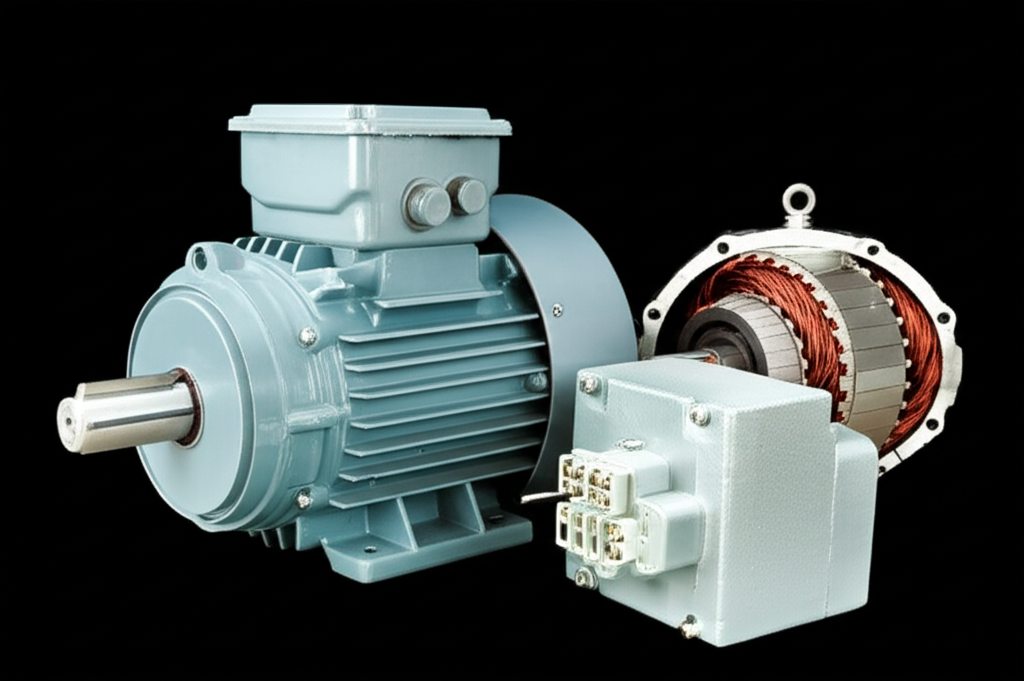
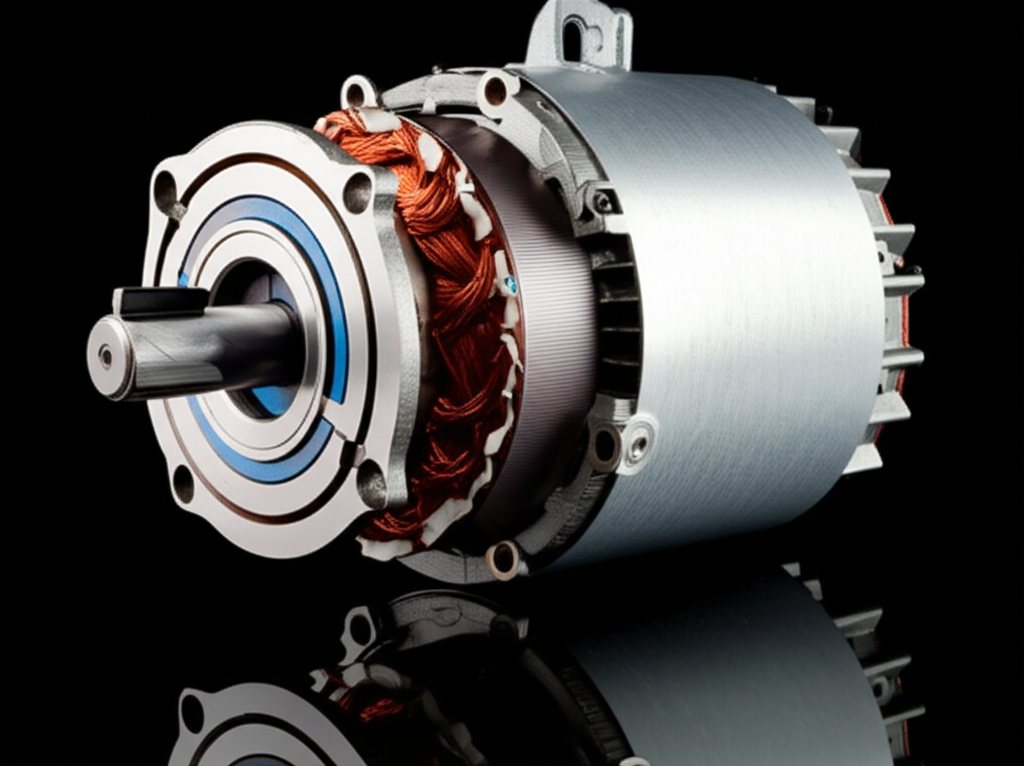
People use “motor” and “engine” interchangeably. GDI refers to a gasoline combustion engine. If you actually meant an electric motor then you are looking at a different universe with stators, rotors, and laminated steel cores. If you want that route here are a few primers that explain the electric side clearly:
- A quick overview of stator and rotor
- How torque is made in an electric machine and the motor principle
- Why manufacturers stack thin sheets for efficiency with motor core laminations
Is a GDI motor right for you
I ask people to weigh three things. You want strong torque and good fuel economy. You do not mind some extra maintenance like occasional valve cleaning. You plan to use quality oil and fuel. If you nod to those then GDI fits you well. If you want the simplest possible ownership with no appetite for additional service then a PFI-only car from the used market could make more sense. Those are getting rare though. Many modern engines that look “PFI” on paper still run dual systems.
The future of GDI technology
GDI will not vanish soon. Automakers continue to refine direct injection with better injectors, improved spray targeting, higher fuel pressures, and smarter ECUs. Gasoline Particulate Filters will spread as standards tighten. Dual injection will remain popular because it fixes intake valve deposits at the source. I also expect more robust PCV systems and improved oil control rings that reduce oil mist.
We will see further integration with turbocharging and hybrid assistance. A small turbo GDI engine paired with an electric motor can cover most driving with ease. The engine only wakes when needed and it runs in sweet spots that minimize deposits.
Final thoughts
GDI technology earned its place because it delivers. You get better fuel efficiency, a stronger punch of torque, and cleaner CO2 numbers for the same performance. You also get a few chores. Keep oil fresh with the right spec. Run Top Tier fuel. Use injector cleaner as preventive care. Plan for intake valve cleaning in the 50,000 to 100,000 mile window if your engine lacks port injection. Listen for normal ticking but chase any new noises or warning lights quickly.
That first GDI car I serviced taught me a simple lesson. These engines reward owners who pay attention. Treat a GDI motor well and it will treat you well back. If you like the idea of compact power and fewer trips to the pump you will like GDI. If you want a set-and-forget machine with zero quirks you might prefer older port-injected designs. Either way you now know how GDI works, why it exists, the pros and cons, and the maintenance that keeps it running like a top.
Key takeaways at a glance
- GDI sprays fuel directly into the cylinder under high pressure. The ECU controls timing and quantity with precision.
- Expect 10 to 20 percent better fuel economy and 5 to 15 percent more power density versus similar PFI engines in many cases.
- Intake valve carbon buildup is the main GDI downside. Walnut blasting or dual injection solves it.
- Use API SP or SN PLUS oil to reduce LSPI risk. Avoid lugging a small turbo GDI at low rpm under heavy load.
- Top Tier fuel and timely spark plug service keep the engine smooth.
- A little extra maintenance goes a long way.