What Is a Long Block Motor? A Simple Guide to Engine Replacement Options
- Table of Contents
- What Is a Long Block Motor? A Simple Guide to Engine Replacement Options
- Why does “long block motor” confuse people?
- What is a long block motor in plain English?
- What parts come in a long block?
- What parts do not come in a long block and why?
- How does a long block compare to short block, crate engine, rebuilt, remanufactured, and used engines?
- When should you choose a long block?
- What are the pros and cons of a long block?
- How much does a long block cost with labor and extras?
- What should you check before you buy a long block?
- What happens during long block installation?
- How do you break in and care for a long block?
- Engines vs motors: a quick side note for curious readers
- Real world examples you can picture
- Helpful tables: costs, warranties, and trends
- References
- FAQ
- Key takeaways
You heard the term “long block” at the shop. You nodded. You still felt lost. I wrote this guide to make it easy. You will see what a long block is. You will learn what it includes and what it leaves out. You will see how it stacks up to a short block and a crate engine and a rebuilt engine and a used engine. By the end you can talk to any Automotive Technician and feel sure.
Why does “long block motor” confuse people?
Problem: engine words feel like a new language. You hear long block, short block, crate engine, remanufactured, rebuilt, OEM, and aftermarket. Your car sits in the bay and your life waits. You do not want to guess. You want the right fix.
Agitate: your engine failed with a knocking sound. Maybe a spun bearing took out the crank. Maybe a cracked engine block came from overheating. Maybe oil consumption got worse and worse. The check engine light came on and those trouble codes did not look good. You need your car for work. Vehicle downtime hurts. You worry about the engine replacement cost. You worry about warranty. You worry about reliability and vehicle longevity.
Solution: learn what a long block motor is in clear steps. See if it fits your budget and your needs. See how to compare options, ask smart questions, and avoid risk.
What is a long block motor in plain English?
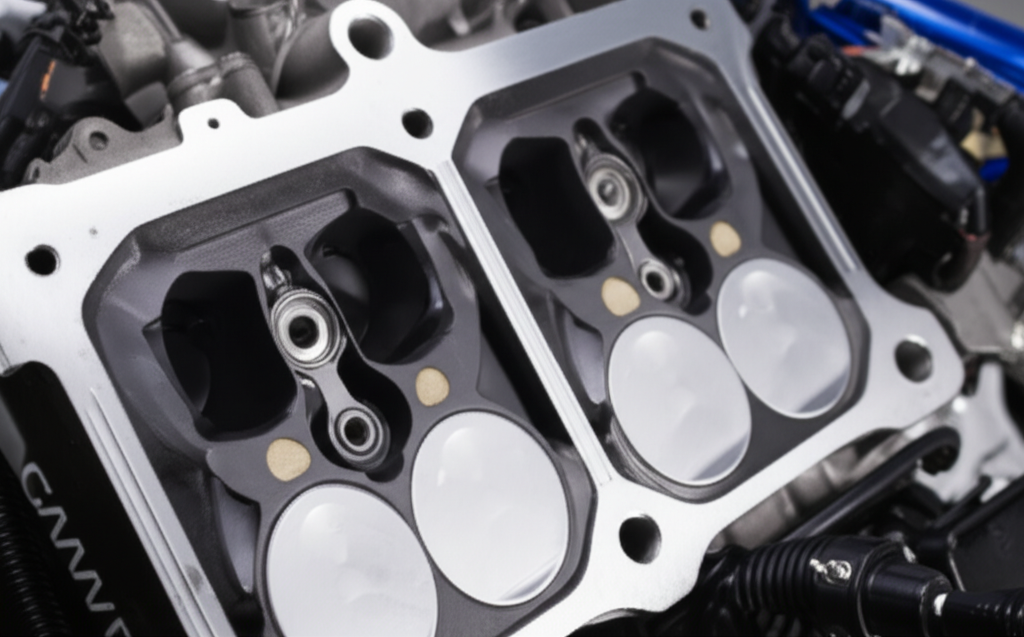
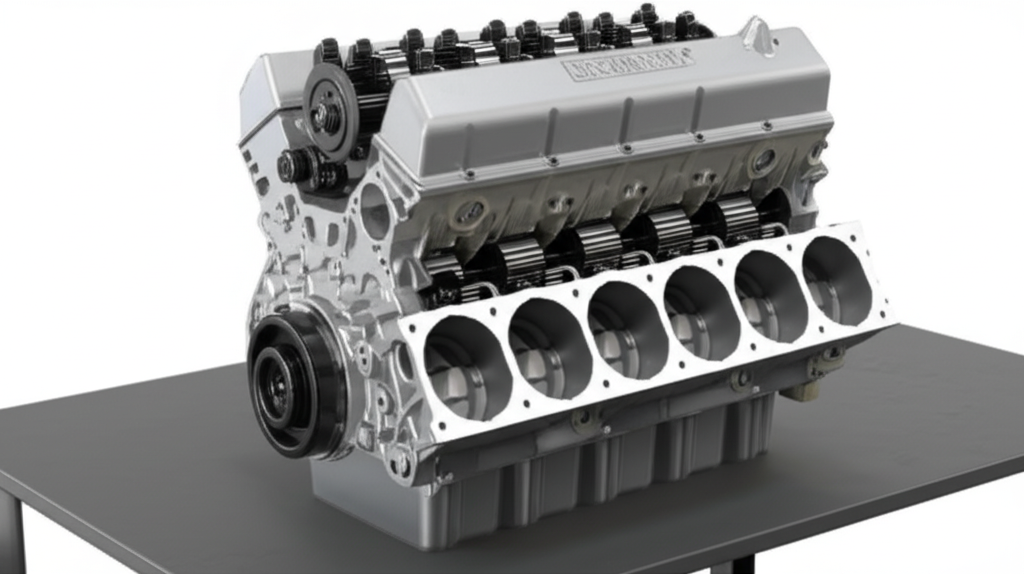
A long block is a partially assembled engine. It gives you the core of the engine ready to go. You get the engine block with the crankshaft, camshaft, pistons, and connecting rods installed. You also get cylinder heads on top. The heads come built with valves, valve springs, and related parts. The timing parts like timing chain or timing belt, the gears, and guides often come installed. Many long blocks also include the oil pump and sometimes the water pump.
Think of the long block as the engine’s heart and lungs. It does not come with the hands and feet. You add those from your old engine or you buy them new.
Many long blocks are remanufactured. That means an Engine Machine Shop took a core engine and machined it back to OEM specifications. They did a cylinder bore repair and a valve job if needed. They replaced piston rings, main bearings, and rod bearings. They used a full gasket kit. They tested it for leaks and pressure. Some long blocks are new. Some are rebuilt by a local Auto Repair Shop. Quality can vary so you want a good supplier.
What parts come in a long block?
Most long blocks include:
- Engine block with crankshaft, camshaft, pistons, connecting rods
- Cylinder heads fully assembled with valves and springs
- Timing components like timing chain or timing belt, guides, gears
- Oil pump and often the oil pan
- Sometimes a water pump and front cover
You may also see:
- Head gasket installed
- New piston rings
- New main bearings and rod bearings
- New seals and a full gasket kit for heads and covers
What you get can vary by brand. Jasper Engines, ATK Engines, Fraser Engines, and Roadmaster Engine World list what they include on each engine build. You want to read the parts list line by line.
What parts do not come in a long block and why?
A long block usually does not include:
- Intake manifold and exhaust manifold
- Fuel system parts like fuel injectors
- Ignition parts like coils and plugs
- Alternator, starter, and serpentine belt
- Turbocharger or supercharger if your car has one
- Sensors, wiring, and related harnesses
- Flywheel or flexplate and harmonic balancer
- ECU programming
Why not include these? Many of these external accessories work fine on your car. You can transfer accessories from your old engine to save money. You can also buy new ones if yours are worn. This keeps the long block motor price lower than a full complete engine.
How does a long block compare to short block, crate engine, rebuilt, remanufactured, and used engines?
- Long block vs short block: a short block has the block, crank, pistons, and rods. It does not have cylinder heads. A short block makes sense if your heads are in great shape. If your heads are cracked or your valve train took damage you pick a long block.
- Long block vs crate engine: a crate engine is often a complete engine. It may be ready to run with manifolds and accessories installed. It can be new with a strong 3 years / 100,000 miles type warranty. This is great for reliability. It can be overkill if your accessories still work and your budget is tight.
- Long block vs remanufactured engine: many long blocks are remanufactured engines. Reman means a full system process. The shop restores the engine to OEM spec with strict quality control and testing. They machine parts and measure every specification. You want to ask about the process.
- Long block vs rebuilt engine: a rebuilt engine from a local shop can save money. The process may not be as strict as a reman program. The quality can vary. Ask about the parts used, the machining, and the warranty.
- Long block vs used engine: a used engine costs less up front. It may have an unknown history. It may come with a 30 to 90 day warranty only. This can work if you plan to sell the car soon or if the budget is the main driver. It brings more risk.
When should you choose a long block?
Pick a long block when you have severe internal engine damage. Think cracked block, spun bearings, bent valves, or a broken chain that hit the pistons. If the heads and block both need work a long block can save time.
Pick a long block when you want a cost-effective engine repair with solid reliability. A long block costs less than a fully dressed crate engine. It costs more than a short block or used engine. It hits the middle. It also fits when your external components are still good.
Pick a long block when you need a faster replacement than a full custom rebuild. A remanufactured long block in stock can cut vehicle downtime. Some shops even help with loaner car options while they swap it.
What are the pros and cons of a long block?
Pros:
- Cost-effectiveness vs a new or complete crate engine
- Uses your existing accessories to save money
- Many come with a strong warranty
- Faster than a ground-up rebuild at a small shop
Cons:
- You must transfer components which adds labor
- Old accessories can fail later which can add cost
- Quality variability across suppliers means you must vet the seller
- You will pay a core charge up front then return your old engine as a core return
PAS at work:
- Problem: engine is down and costs look scary
- Agitate: each day lost hurts work and family time
- Solution: a long block balances price and peace of mind
How much does a long block cost with labor and extras?
Here are typical ranges. Your make and model matter. A Chevy 350 long block might sit near the low end. A BMW or Mercedes-Benz engine can sit higher. Ford, Chevrolet, Dodge, Honda, Toyota, General Motors (GM), and Chrysler all have wide price bands. Diesel long block prices also run higher than gas long block prices.
- Long block motor part only: about $2,000 to $5,000
- Short block motor part only: about $1,000 to $3,000
- Complete crate engine part only: about $3,000 to $10,000+
- Used engine part only: about $500 to $2,500
- Professional installation labor: about $1,000 to $3,000+
- Core charge up front: about $250 to $1,000+ then refunded after your core return
- Extra parts: gasket kit, fluids, filters, serpentine belt, maybe a water pump or oil pump if not included
- ECU needs: sometimes ECU programming or relearn steps after install
Add up the part plus labor plus extras. That gives a clear engine overhaul cost vs other paths.
What should you check before you buy a long block?
Use this check list:
- Supplier reputation and reviews. Look for established remanufacturers like Jasper Engines, ATK Engines, Fraser Engines, and LKQ
- Warranty coverage. Read the miles, years, and what is covered. Ask about labor coverage if a defect happens
- Quality standards. Ask about the remanufacturing process. Do they do machining in house. Do they check displacement, horsepower ratings, and torque ratings with a test stand
- Parts used. Are bearings, piston rings, and gaskets new. Are OEM or aftermarket parts used. What brand
- Vehicle specificity. Match your VIN and engine specifications. Check engine block material like cast iron or aluminum
- Compatibility with your intake manifold, exhaust manifold, sensors, and emissions
- Core charge and core return steps. Know the time limit and condition rules
- Installation plan. Confirm the Auto Repair Shop has the tools and training. Ask for a timeline and a parts list
- Insurance claims if needed. Some policies help if your failure came from a covered event
What happens during long block installation?
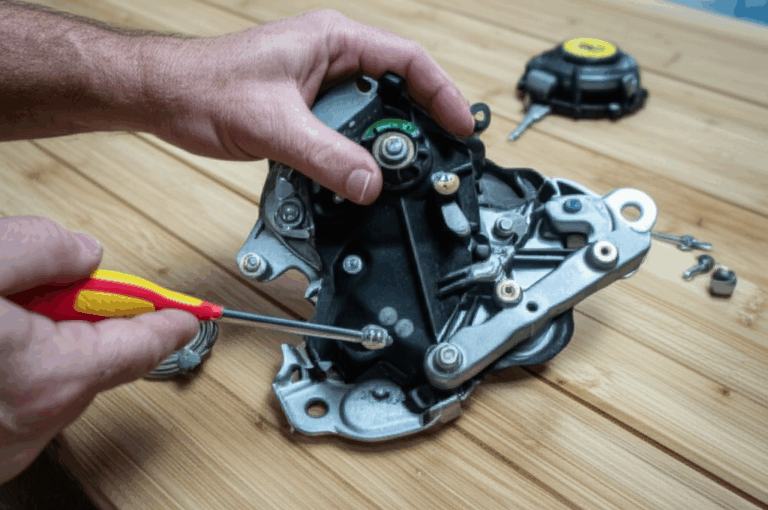
Your tech pulls the old engine. They drain fluids. They remove the alternator, starter, manifolds, fuel injectors, and all sensors. They check each part. They clean the mounting surfaces. They install new gaskets like the head gasket, intake manifold gasket, and exhaust manifold gasket. They swap the flywheel or flexplate and the harmonic balancer. They set the timing if needed. They torque fasteners to spec.
Next they mount the long block. They connect coolant hoses and new fluids. They change oil and filter. They add coolant. They might do engine flushing if the system needs it. They check ECU programming and reset or relearn. They start the engine. They listen for noise. They check for leaks. They road test the car. Some shops do emissions testing after engine replacement. Some long blocks come with engine certification for emissions.
How do you break in and care for a long block?
Follow the engine break-in procedure from the maker. It often includes:
- Use break-in oil if required
- Keep RPMs varied for the first miles
- Avoid hard loads at first
- Change oil early after break-in
For long life do this:
- Regular oil changes and fluid checks
- Follow the manufacturer’s maintenance schedule
- Listen for unusual noises and fix issues fast
- Watch for leaks and check engine light
- Keep filters fresh
- Use correct octane and quality fuel
This helps your long block hit a strong average engine lifespan.
Engines vs motors: a quick side note for curious readers
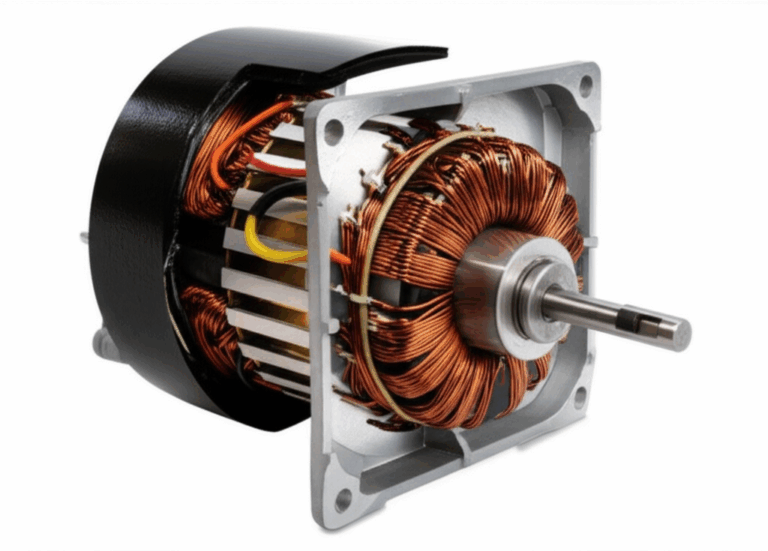
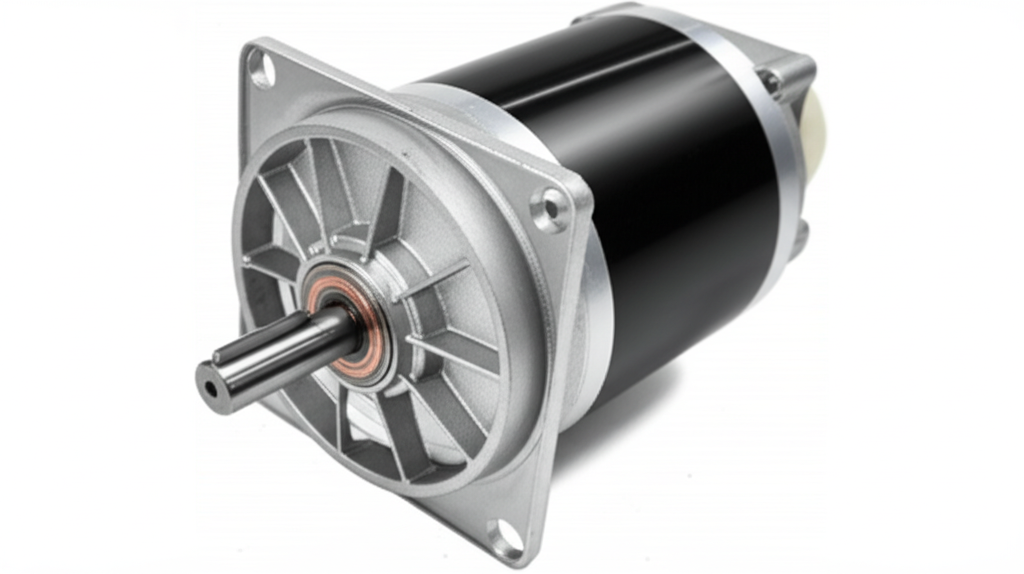
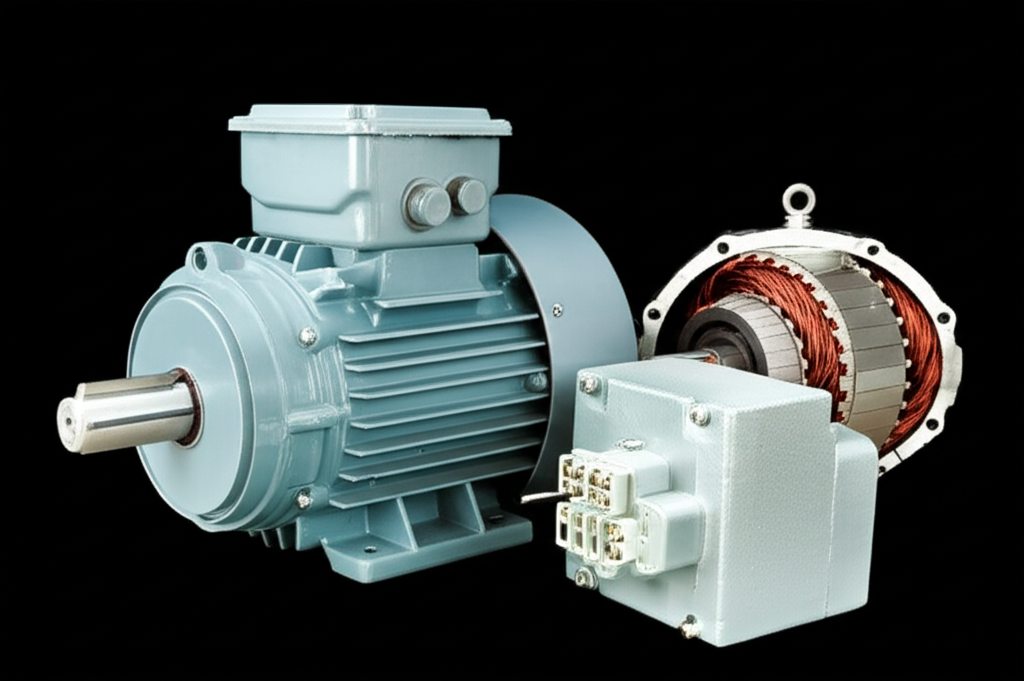
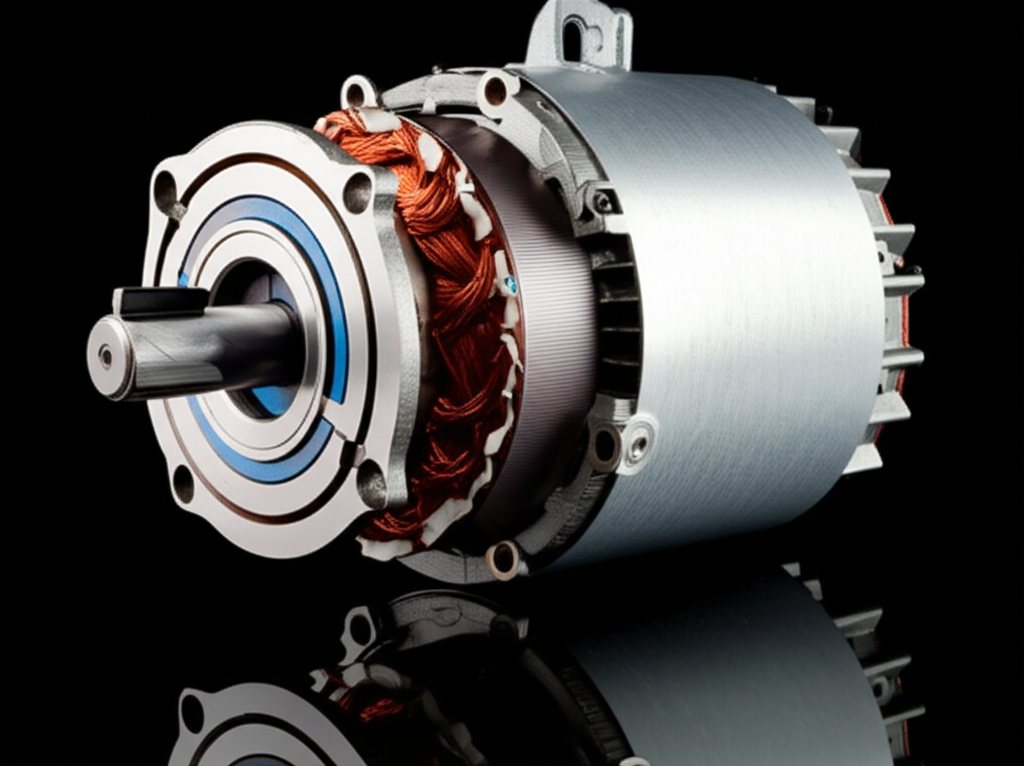
A car engine burns fuel. A motor uses electricity and magnets. Both have cores that need strong parts. If you like to see how electric motors stay efficient you can look at the stator and rotor cores. The fit and steel matter a lot.
- See how a precise stator core lamination reduces heat in a motor
- Look at how a balanced rotor core lamination keeps spin smooth
- Explore how full motor core laminations shape power and loss
- Materials count too so check modern electrical steel laminations
If you drive a hybrid or an EV the motor core matters. If you drive a gas or diesel car the long block matters. Different machines same care for quality.
Real world examples you can picture
A small shop sees a Honda with a loud knock. The tech finds a spun bearing and a worn oil pump. The owner wants reliability without a new car payment. A remanufactured long block with a 2 year warranty makes sense. The shop transfers the intake, exhaust, alternator, and starter. The car is back on the road in days.
A Chevrolet truck with a 5.3L shows heavy oil consumption and low compression in two cylinders. The heads need work and the cylinder bore is worn. The owner tows a trailer often. He picks a long block with a fresh valve job and new piston rings. He adds a new water pump and serpentine belt. He follows break-in and hopes for another 150,000 miles.
A BMW owner faces a big bill. A used engine would be cheap but the warranty is short. The owner keeps cars for years. They choose a reman long block from a known brand. They pay more now to avoid doing the job twice. They also ask about loaner car options to manage vehicle downtime.
Helpful tables: costs, warranties, and trends
Below are simple tables to guide you. These are averages that vary by engine type, region, and supplier.
| Category | Metric / Description | Average Range | Insights |
|---|---|---|---|
| Cost Comparison | Long Block Motor (Part Only) | $2,000 – $5,000 | Cheaper than new or fully dressed crate. Higher than used or short block. |
| Short Block Motor (Part Only) | $1,000 – $3,000 | Good when heads are healthy. Heads not included. | |
| Complete Crate Engine (Part Only) | $3,000 – $10,000+ | Most complete and often new. Best warranty. | |
| Used Engine (Part Only) | $500 – $2,500 | Lowest cost. Highest risk. Limited warranty. | |
| Professional Installation Labor | $1,000 – $3,000+ | Accessory transfer adds hours for long blocks. |
| Warranty & Reliability | Type | Typical Coverage | Notes |
|---|---|---|---|
| Warranty | New/Crate Engine | 3 years / 100,000 miles | Strong confidence for long life. |
| Warranty | Reman Long Block | 1 – 3 years / Unlimited miles | Good balance for cost and peace of mind. |
| Warranty | Used Engine | 30 – 90 days | Use only if risk fits your plan. |
| Quality | Reman Process | Restored to OEM specs | Machining, inspection, and testing matter. |
| Market Trends | Metric | Note |
|---|---|---|
| Reman Demand | Global CAGR ~3% – 5% | Cars last longer. New parts cost more. Eco goals rise. |
| Common Replacement Reasons | Spun bearings, cracked block, thrown rod (30% – 40%) | Long blocks address deep bottom end damage. |
| Other Reasons | Oil consumption, valve train damage (20% – 30%) | Long blocks replace both block and heads. |
| Core Charge | Range | Impact |
|---|---|---|
| Core Charge | $250 – $1,000+ | Upfront deposit. Refund after core return. |
| Installation Time | Long Block vs Complete Engine | Note |
|---|---|---|
| Time | Similar or a bit longer | Accessory transfer adds labor vs a fully dressed engine. |
References
- Jasper Engines and Transmissions. Product and warranty literature.
- ATK Engines. Product and warranty literature.
- Fraser Engines. Product and warranty literature.
- LKQ Corporation. Engine supply and warranty policies.
- OEM service manuals for Ford, Chevrolet, Dodge, Honda, Toyota, BMW, Mercedes-Benz, GM, and Chrysler.
- SAE International. Engine rebuilding and remanufacturing best practices.
- AAA Auto Repair cost insights. General labor rate ranges.
FAQ
Q: What is the difference between a bare engine and a complete engine?
A: A bare engine is a block without heads or parts. A complete engine is fully dressed with accessories. A long block sits in the middle.
Q: Do I need ECU programming after a long block swap?
A: Many cars need a relearn or update. Some need ECU programming. Your shop will advise.
Q: Will a long block improve horsepower or torque?
A: It restores factory horsepower and torque. You can add engine performance upgrades, but that is extra.
Q: Should I buy OEM or aftermarket parts with my long block?
A: OEM parts match factory spec. Aftermarket parts can save money or add power. Use known brands for reliability.
Q: How long will a long block last?
A: If installed and maintained well it can run like a new engine. Many go well past 100,000 miles. Your driving, maintenance, and build quality matter.
Q: Is a diesel long block different from a gas long block?
A: Yes. A diesel long block has heavier parts and different heads and injectors. It often costs more than a gas long block.
Q: Will insurance help pay for an engine?
A: Sometimes after events like floods or certain failures. Talk to your agent about insurance claims rules.
Q: Can I do the swap at home?
A: This job needs special tools and space. Most people pick a trusted engine shop for professional installation.
Key takeaways
- A long block is a partially assembled engine with the block and heads ready to go
- It includes the crankshaft, camshaft, pistons, connecting rods, and often timing components and an oil pump
- It does not include external accessories like intake/exhaust manifolds, fuel injectors, alternator, starter, or sensors
- Pick a long block for severe internal engine damage when you need a cost-effective and reliable fix
- Compare it to a short block, a crate engine, a remanufactured engine, a rebuilt engine, and a used engine before you buy
- Check supplier reputation, warranty, quality standards, compatibility, and the core charge rules
- Expect to pay for labor, gaskets, fluids, and maybe ECU programming
- Follow the break-in procedure and do regular maintenance to protect your engine lifespan
- Ask your mechanic for clear steps and timing so you limit vehicle downtime and stress