What Is a Motor Flush? A Mechanic’s Honest Guide to Engine Cleaning, Benefits, and Risks
Table of contents
- Introduction: What I Mean by “Motor” Flush
- How a Motor Flush Works
- The chemical action
- Step-by-step procedure
- Key Benefits of Performing a Motor Flush
- When a Motor Flush Makes Sense—and When It Doesn’t
- Potential Risks and Disadvantages
- Types of Motor Flush Products and Services
- Making the Call: Is a Motor Flush Right for Your Car
- FAQs About Motor Flushes
- Conclusion: My Take After Years of Wrenching
Introduction: What I Mean by “Motor” Flush
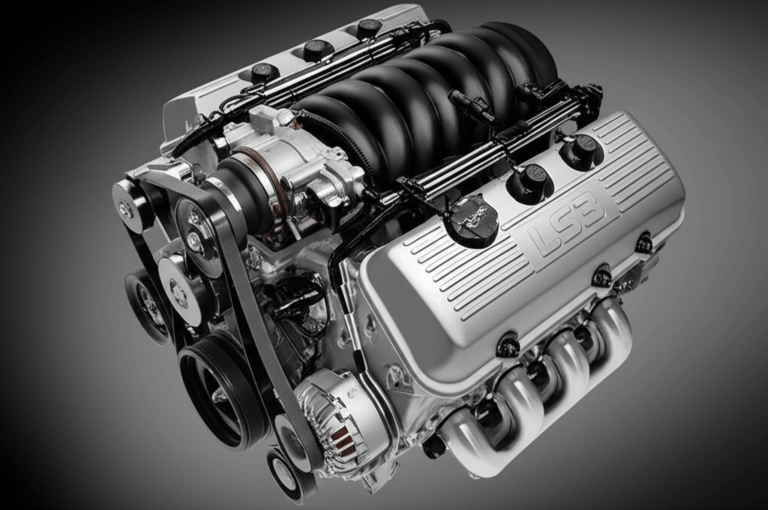
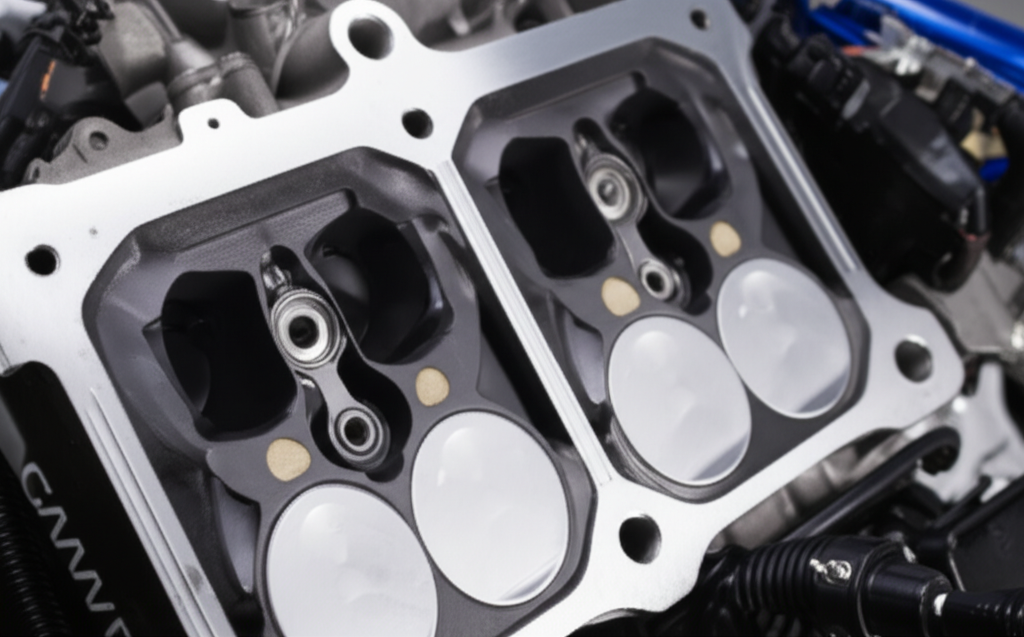
When someone asks me what a motor flush is I picture an engine with a few too many secrets. Sludge hiding in the oil pan. Carbon varnish on lifters and around piston rings. Oil passages that look like clogged arteries. A motor flush is simply a chemical cleaner you add to old motor oil right before an oil change. You let the engine idle for a short period and you drain the oil while it carries loosened sludge and deposits out with it. That is the whole idea. Internal engine cleaning without taking anything apart.
Engine cleanliness matters more than most people think. Up to 80% of engine wear happens at startup. If sludge restricts oil flow the oil pump takes longer to feed bearings and lifters. Those parts run dry for a moment and wear accelerates. I have torn down engines with heavy deposits where the oil pickup screen looked like a coffee filter packed with mud. That engine never had a chance.
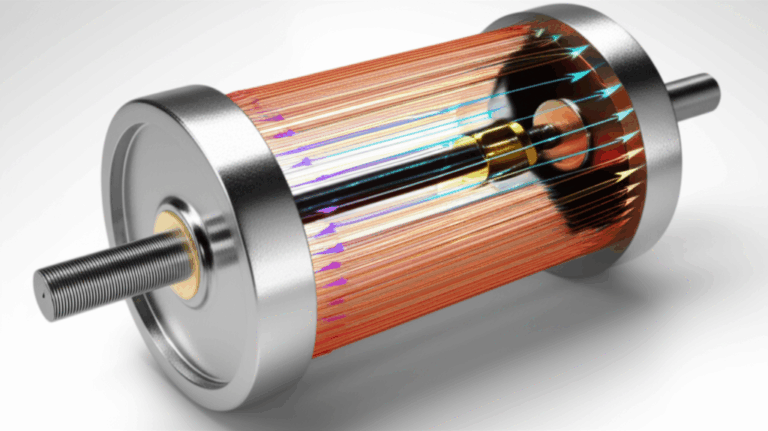
Quick note on the word “motor.” In the automotive world people say motor and engine almost interchangeably. We are talking about internal combustion engines here. If you came looking for electric motor internals like stators and rotors you can get a quick refresher on the stator and rotor and the basics of the motor principle. Those electric machines use laminations and magnetic fields. Your car’s gasoline or diesel engine uses combustion and lubrication. Different beasts.
How a Motor Flush Works
The chemical action
Most engine flush additives blend light solvents and detergents. Think of them as a safe soap for the crankcase. They soften sludge and break surface tension so deposits dissolve into the oil. Good products balance solvency with lubrication so they can lift grime without stripping protective films from bearings. Many also include dispersants that keep loosened particles in suspension so the oil filter and drain process can remove them.
People often ask about oxygen sensors and catalytic converters. A pour-in motor flush stays in the crankcase. It does not go down your exhaust like a fuel system cleaner does. Reputable products are designed to be catalytic converter safe and oxygen sensor safe when used as directed. That said you should never drive high load with flush in the oil because the oil thins during the process.
Step-by-step procedure
Here is the engine flush procedure I follow in my shop for gasoline and diesel engines.
1) Warm the engine to operating temperature. Warm oil flows better. Warm sludge softens faster.
2) Verify oil level and condition. If the oil filter looks ancient I have one ready because a flush can load it up.
3) Add the engine flush additive to the crankcase. Follow the label for quantity. Do not overdo it.
4) Idle only. 10 to 15 minutes is common. Some products specify 5 to 10. I never rev or drive hard here.
5) Drain the oil while it is hot. Let it drain completely. This is key because you want the suspended debris out.
6) Replace the oil filter. I always do a fresh filter after any engine flush. No exceptions.
7) Refill with quality oil. I match viscosity to SAE spec and API rating recommended by the car manufacturer.
8) Start and check oil pressure. Listen for any abnormal noise. Then I take a short easy test drive and recheck the level.
How long to leave engine flush in the engine depends on the product. I stick to the instructions. If a bottle says 10 minutes at idle I set a timer. Leaving a flush in longer does not make it “extra clean.” It just risks thinning the oil too much.
I do not perform a motor flush after an oil change. I always do the flush right before the oil change. Then I drain everything and replace the filter. Clean oil goes in last so it gets a fresh start.
Key Benefits of Performing a Motor Flush
I do not pitch an engine flush as a magic potion. It is a tool. Use it in the right situation and it helps a lot.
- Restoring oil flow in clogged oil passages: I have measured oil pressure that came up a few PSI after a flush on sludged engines. Not always dramatic but enough to matter. Better oil circulation means better lubrication and cooling.
- Reducing valve and lifter noise: Sticky lifters can quiet down after varnish loosens. I have cured tick-tick noises that owners swore required new lifters. Not every time but often enough to try it before tearing things apart.
- Improving responsiveness and fuel economy: When piston rings free up a bit they seal better. Compression recovers slightly. Throttle response feels cleaner. Fuel economy bumps by 1 to 3% in some cases. Small gains add up.
- Preparing for synthetic oil: If you are switching from conventional oil to synthetic oil a flush can clean old deposits. That lets the new oil and its detergents work in a clean environment.
- Optimizing new oil performance: Fresh oil performs best when it does not have to fight old sludge. You reduce the chance of new oil washing loose chunks slowly over time.
- Specific issues: I have used flushes to address sticky piston rings that caused mild oil consumption. I have also used them to help valve noise on cold start and to clean oil control rings in high mileage engines that ran short trips.
A cleaner engine typically runs quieter. It starts easier in cold weather. It holds oil pressure more consistently at idle. These small wins can prolong engine life and reduce wear and tear.
When a Motor Flush Makes Sense—and When It Doesn’t
I do not recommend a flush for every oil change. Most engines do not need it if you follow reasonable oil intervals. Here is when I do recommend it.
- Unknown vehicle history: You just bought a used car and do not know if the previous owner changed oil on time. A flush can act like a reset along with a fresh oil filter.
- High mileage with short-trip driving: Short trips cause condensation and fuel dilution. That creates sludge faster. If the oil cap shows brown mayonnaise and the dipstick looks dirty a flush may help.
- Signs your engine needs a flush: Slow return to idle oil pressure. Tick noise from lifters on cold start. Dark tar under the valve cover. A clogged PCV valve and breathing issues. Sticking VVT solenoids. These point to sludge and varnish.
- Turbocharged and direct injection engines: Turbochargers run hot. DI engines can shear oil and load it with soot. I will use a conservative flush before switching to a high quality synthetic that meets the API and OEM spec.
- Diesel engines: Diesels handle soot differently. I use diesel-safe flush additives and follow shorter idle durations. Then I refill with diesel-rated oil.
Manufacturer guidelines rarely include motor flush as routine maintenance. They do not forbid it when used correctly either. Dealerships and independent shops often suggest a flush for neglected engines or when diagnostics hint at oil flow restrictions. The key is to evaluate the engine’s condition first.
Now when not to use a motor flush.
- Severely neglected engines with heavy hardened sludge: You risk dislodging large chunks. Those can clog the oil pickup screen. In these cases I often do a gentle approach with short interval oil changes and maybe remove the oil pan to mechanically clean the pickup.
- Engines already showing oil pressure warning or engine knock: Fix the underlying issue first. A flush will not save a spun bearing.
- Engines with known oil leaks and brittle seals: Modern flushes are seal compatible. Still if the engine has rock-hard gaskets and crusty sealant a flush can reveal leaks that sludge masked. I would repair the leak or at least warn the owner beforehand.
- Freshly rebuilt engines or brand-new cars: No need. Just follow the recommended oil change schedule.
Potential Risks and Disadvantages
Let me be straight. A motor flush is not risk free.
- Clogging concern: If you have extremely heavy sludge there is a real risk that loosened debris clumps and blocks an oil passage or the oil pickup. The risk is not huge in moderate cases. It exists in severe cases. I have seen it.
- Thinned oil during flush: That is why I idle only and for the exact time suggested. No hard driving. No revving.
- Seal compatibility worries: Old myths said flushes swell seals or cause leaks. Reputable modern products are designed to be safe for common seal materials like nitrile rubber and Viton. They do not “eat” seals in my experience. They can reveal pre-existing leaks because you removed the grime that was acting like a cork.
- Unnecessary expense for well-maintained engines: If you change your oil on time with quality oil you probably do not need a flush. Save the $15 to $50 and put it toward your next oil service.
- Engine knock after flush: Rare but I have had owners report new noises after a flush. Often the engine already had issues and the flush exposed them. If a bearing was marginal a thinner oil mix can make the knock audible. That is not the flush “causing” damage. It pulled the curtain back on a problem that was already there.
Turbocharged engines deserve a mention. They can benefit from clean oil passages to and from the turbocharger. I use products that are safe for turbocharged vehicles and I stick to shorter idle times. Direct injection engines also benefit because soot and fuel dilution can form varnish quickly.
Warranty questions come up a lot. Using a motor flush does not automatically void a vehicle warranty when you follow instructions and use products that meet general automotive standards. Most OEMs simply do not require flushes. If your car is under warranty and you worry about it ask your dealer’s service advisor before doing anything.
Types of Motor Flush Products and Services
You have two main paths.
DIY pour-in additives
You buy a bottle of engine flush and add it to the old oil. Brands you will encounter include Liqui Moly, BG Products, Sea Foam, STP, Gunk, and Marvel Mystery Oil. Each blends solvents and detergents differently. I look for:
- Clear instructions with a specific idle time
- Compatibility with catalytic converters and oxygen sensors
- Stated safety for turbocharged engines if you have one
- A reputation for not leaving residue and for dispersing deposits
- The right volume for your engine’s oil capacity
Cost runs roughly $15 to $50. Most DIY flushes take 5 to 15 minutes at idle. Simple. Effective for light to moderate sludge.
Professional machine-based services
Some shops use equipment that circulates a cleaning fluid through the lubrication system under controlled pressure. These systems can be more aggressive and they often include a pre-flush cleaner and a post-flush treatment. In my experience professional systems can be 2 to 3 times more effective on severe buildup than a pour-in bottle. Cost typically runs $75 to $200 depending on engine size and the shop. If I see a severely sludged engine and the owner wants to avoid mechanical teardown I consider a professional flush plus a series of short oil change intervals.
A side note for clarity. People sometimes confuse an engine flush with a transmission flush or a power steering flush or a coolant flush. They are different services for different systems. Do not let a service menu steer you into a package you do not need.
Making the Call: Is a Motor Flush Right for Your Car
Here is how I think through the decision.
- Vehicle age and maintenance history: A high mileage engine with unknown history and short-trip use is a strong candidate. A well-documented low mileage engine with regular oil changes is not.
- Oil condition: If the oil turns to tar quickly or the filter comes out heavy and hot after only a few thousand miles you have a contamination problem. A flush can help.
- Symptoms: Sticky lifters. Noisy valve train. Sluggish variable valve timing. Sludge under the oil cap. Low idle oil pressure that improves with RPM. These point to deposits.
- Engine type: Turbocharged or direct injection engines see high thermal stress. I lean toward a careful flush to clear oil passages then I move to a high quality synthetic that meets the right API and SAE grades. Diesel engines need diesel-safe products.
- Risk tolerance: If the engine looks severely neglected I warn the owner about the risk of clogging. We sometimes choose a gentle path. Short-interval oil changes with high-detergent oils. Maybe remove the oil pan and clean the pickup screen. Sometimes we do a partial flush at a shorter time than the label suggests then repeat after a few hundred miles.
Alternatives for engine cleanliness work well too.
- Use quality oil and change it on time: Stick to the viscosity recommended by your car manufacturer and the API rating it calls for. Synthetic oils resist high-temperature breakdown better in turbocharged and direct injection engines.
- Shorten the oil change interval for a while: If I inherit a dirty engine I run two or three shorter intervals. That alone removes a surprising amount of sludge gradually and safely.
- Replace the PCV valve: A stuck PCV raises crankcase pressure and promotes sludge. Cheap fix that helps a lot.
- Use oil system cleaners designed for slow cleaning: Some additives clean slowly over a full oil change. I use them only when I am confident the engine’s oil passages are not at risk of clogging.
- Keep fuel and air systems clean: A fuel system cleaner and clean air filter help the engine burn cleaner. Cleaner combustion means less blow-by and less sludge.
A common question I hear is whether a motor flush can restore compression or fix worn piston rings. Sometimes freeing sticky oil control rings helps oil consumption. It will not fix mechanically worn compression rings. Set expectations accordingly.
FAQs About Motor Flushes
- Is a motor flush bad for your engine?
Not when you use it correctly on the right engine. Follow the label. Idle only. Drain hot and change the oil filter. Avoid it on engines with extreme hardened sludge unless you plan a mechanical cleaning.
- How often should I flush my engine?
I do not put engine flush on a schedule. I use it as needed. If your maintenance is on point you may never need one. If you are cleaning up a neglected engine you might do one flush now and another after a few thousand miles. Then stop once the oil stays clean.
- Can I just use new oil to clean my engine?
Fresh oil with a strong detergent pack can clean slowly over time. If deposits are light this works. If deposits are moderate a dedicated engine flush removes more in one shot and sets you up for a clean start with new oil.
- What are the best engine flush products?
I avoid naming a single winner because engines differ. Look for reputable brands like Liqui Moly, BG Products, Sea Foam, STP, Gunk, and Marvel Mystery Oil. Buy the bottle that lists compatibility with your engine type. Follow the instructions exactly. If you face heavy deposits talk to a shop that offers a professional flush system.
- What happens if you do not flush your engine?
Nothing if your engine is clean and you change oil on time. If you already have sludge it keeps restricting oil flow. Startup wear increases. Lifters stick. Oil control rings gum up and oil consumption rises. In the worst cases the oil pickup clogs and starves the engine.
- Should I flush a diesel engine?
Yes if you use a diesel-safe product and follow a conservative idle time. Many diesel owners benefit more from short-interval oil changes with high detergent diesel oil. That approach cleans gradually.
- Will a motor flush help sticky lifters and valve noise?
Often yes. I have quieted noisy lifters after a flush and fresh oil. If the lifter is mechanically worn or collapsed a flush will not fix it.
- Is a motor flush safe for turbocharged engines?
Use a product that states turbo compatibility and stick to idle only. Turbo oil feed lines benefit from clean oil but never rev or load the engine while a flush is in the crankcase.
- Is it safe for catalytic converters and oxygen sensors?
Quality flushes are designed to be catalytic converter safe and oxygen sensor safe when used as directed because they stay in the crankcase. Do not overfill. Do not run it longer than specified.
- Will a motor flush void my warranty?
Usually not. Manufacturers do not require it and most do not forbid it when used correctly. If you are under warranty and you are unsure ask your service advisor.
Conclusion: My Take After Years of Wrenching
A motor flush is not a miracle cure. It is a targeted cleaning step for engines that show signs of sludge or varnish. I reach for it when I work on a high mileage engine with unknown history. I use it when lifters tick or oil passages look restricted. I skip it for engines that see regular oil changes and clean living.
If your gut says the engine is severely neglected you need a slower and safer plan. Short oil change intervals with quality oil. Replace the oil filter each time. Inspect the PCV system. Consider dropping the oil pan to clean the pickup screen. Then re-evaluate. A flush can be part of the plan but it should not be your first move in a sludge swamp.
Pick a reputable product. Follow the instructions to the letter. Idle only. Drain hot. New filter. Correct API and SAE rated oil afterward. That simple checklist keeps the risks low and the benefits real. You will likely see smoother idle. Quieter lifters. More stable oil pressure. Maybe a hair better fuel economy. Nothing flashy. Just a cleaner engine that has a better chance to live a long life.
One last note for readers who were curious about motors in the electrical sense. Electric motors use laminated steel stacks in their stators and rotors to reduce eddy currents and heat. If that piques your interest you might enjoy reading about electrical steel laminations. It is a different world from oil and sludge yet it shares the same theme. Clean design. Clean operation. Long life.
If you are still on the fence talk to a trusted mechanic. Bring your maintenance records and describe your driving habits. A quick oil cap peek and a dipstick check tell us a lot. We can help you pick between a motor flush now or a gentler cleanup plan that protects your engine for the long haul.
—
A final checklist before you decide:
- Do you have symptoms of engine sludge or sticky lifters
- Do you know the maintenance history
- Can you commit to replacing the oil and filter immediately after the flush
- Are you using oil that meets the right API rating and SAE viscosity for your engine
- Do you understand the risk in severe cases and have a plan if the engine shows deeper issues
Answer yes to most of those and a motor flush might be the smart move. If not you can still win with steady maintenance and patience. Either way your engine will thank you.