What is a Motor Mount? Your Guide to Engine Mounts and Why They Matter
A motor mount holds your engine in place. It also keeps noise and shaking out of the cabin. In this guide I show you what a motor mount does, how it works, the types you may have, and the signs of failure. If your car shakes or clunks you need this. I keep it simple so you can act fast and save money.
Table of Contents
- Overview: Why motor mounts matter
- What is a motor mount?
- How do motor mounts work?
- What parts make up a motor mount?
- What types of motor mounts are there?
- What are the signs of a bad motor mount?
- Why do motor mounts fail?
- Why replace worn motor mounts now?
- How long do motor mounts last and when should I inspect them?
- Can I drive with a bad motor mount?
- How many motor mounts are on a car and where are they?
- DIY vs pro: Which is right for me?
- Costs and time: What should I expect?
- Quick diagnostic steps you can try
- EVs, hybrids, and modern mounts
- Related terms you may hear at the shop
- References
- Summary: Key points to remember
Overview: Why motor mounts matter
Problem: Your car vibrates at idle. You hear a clunk when you shift. The steering wheel shakes on the highway. It feels rough. You worry something big broke.
Agitate: If you ignore it the engine can move too much. That can stress the exhaust system, hoses, wiring, and the drivetrain. It can cause transmission mount damage and even transmission fluid leaks if the strain gets high. NVH goes up. Your ride gets loud and harsh. You feel every bump. The cabin starts to buzz.
Solution: Good motor mounts fix that. They support the powertrain. They control engine torque reaction. They cut noise, vibration, and harshness. They protect other parts. Replace worn mounts and you restore comfort and safety. I will show you how to spot issues and what to do next.
What is a motor mount?
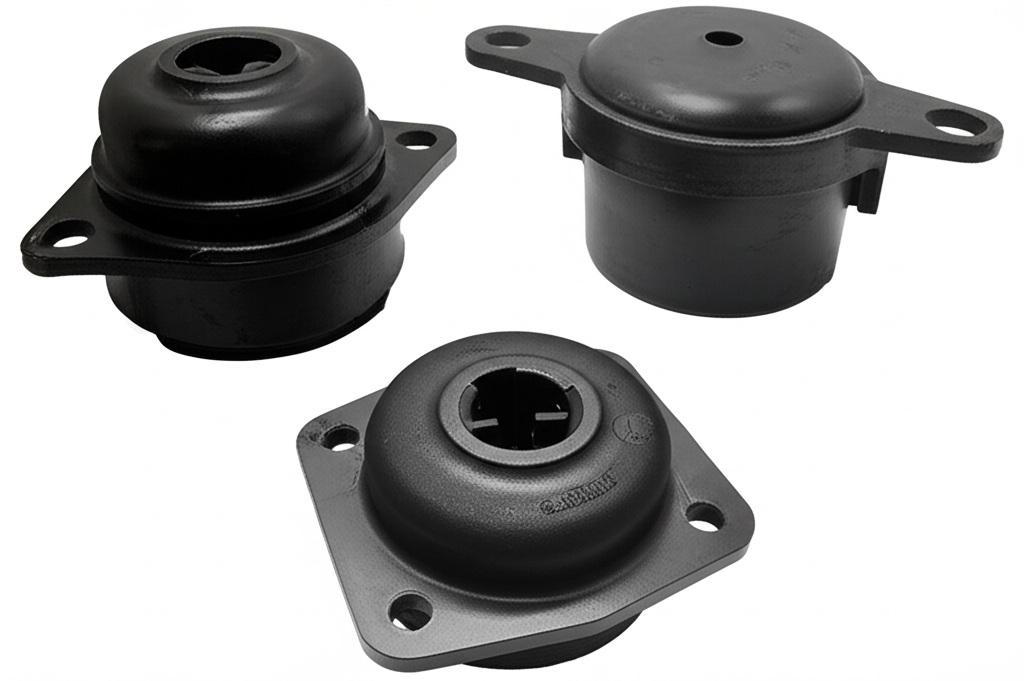
A motor mount is a part that bolts the engine and often the transmission to the chassis. Think of it as a strong cushion. It holds heavy parts in place yet lets them move a little. That little bit of give keeps your ride smooth.
You will also hear the name engine mount. Both mean the same thing. Some cars call the rear or side piece a transmission mount. Together these mounts support the powertrain. They cut engine vibration before it reaches the cabin. They make your car feel solid and safe.
How do motor mounts work?
Mounts sit between the engine and the frame or subframe. The engine creates torque. It rocks and tries to roll when you accelerate or brake. The mount limits that engine rock and engine roll. It also soaks up engine vibration and road shock.
Inside the mount you find rubber or fluid. Rubber flexes and acts like a spring. A hydraulic mount uses fluid-filled chambers to absorb more shake. Some cars use vacuum-controlled or active motor mounts that change stiffness. That helps reduce NVH across idle, acceleration, and cruising.
What parts make up a motor mount?
Most mounts share the same basic parts:
- Metal brackets: These bolt to the engine block or transmission and to the chassis, frame rail, crossmember, engine cradle, or subframe. The bracket holds the load.
- Rubber isolator: This rubber motor mount insulator sits between the metal parts. It is the main vibration-dampening element. It cuts engine movement before it reaches the body shell and cabin.
- Fluid-filled chambers: In a hydraulic motor mount, fluid moves through small paths. That adds damping for noise reduction and impact absorption.
- Vacuum lines or sensors: Some active motor mounts use vacuum or electronic control. They can change stiffness. They can add active noise control at idle or when the engine hits a rough spot.
What types of motor mounts are there?
You will see a few common types. Each has pros and cons.
- Standard rubber mounts: These are common and cost effective. They use rubber to isolate vibration. They work well for daily cars and trucks. They keep NVH low.
- Hydraulic mounts: These fluid-filled mounts improve vibration damping. Many luxury cars and larger SUVs use them. They feel smooth and quiet.
- Vacuum-controlled or active motor mounts: These mounts use vacuum or electronic control to change stiffness as you drive. They reduce rough idle and harshness. They can respond to engine speed and load.
- Solid or polyurethane mounts: Performance motor mounts use stiffer polyurethane or even solid metal. They reduce engine flex and improve throttle response. They are great for racing and high-performance use yet they increase NVH. Polyurethane motor mounts can be 20 to 50 percent stiffer than OEM rubber.
Here is a quick look at types and trade offs.
| Type | Comfort | Control | Typical Use |
|---|---|---|---|
| Standard rubber | High | Medium | Daily driving |
| Hydraulic | Very high | Medium | Luxury or larger vehicles |
| Active/vacuum-controlled | Very high | High | Modern cars needing low NVH |
| Polyurethane | Low | High | Performance street |
| Solid | Very low | Very high | Track or racing |
What are the signs of a bad motor mount?
If a mount fails you can feel it. Watch for these signs.
- Excessive engine vibration: You feel it in the steering wheel, floor, seat, and dashboard. The cabin vibration gets worse at idle. The car may have a rough idle and engine jiggle.
- Clunking or banging noises: You hear a clunk when shifting gears. You hear a bang during acceleration or braking. You may hear it over bumps too.
- Engine shaking or rocking: Open the hood. Have a helper shift from Park to Drive to Reverse. If the engine rocks a lot the mount may be broken or worn.
- Car jerking or lurching: The car jerks when you take off or when you go into gear. You may feel harshness on throttle.
- Visible damage: You can see cracks or tears in the rubber. A hydraulic mount may show fluid leaks. You may see uneven engine alignment in the engine bay.
- Other symptoms: You might feel acceleration issues or braking issues related to engine movement. You may hear the exhaust system hit the subframe. You might feel steering wheel vibration at speed.
These are common motor mount problems. They point you to an engine mount inspection right away.
Why do motor mounts fail?
Age and wear take a toll. Rubber degrades over time. Heat makes rubber hard and brittle. Oil or fluid contamination from leaks can attack the rubber and cause motor mount degradation.
Hard driving habits can speed up failure. Aggressive acceleration and harsh shifting puts stress on mounts. Road conditions matter too. Big bumps hit the mount with shocks. Accidents or impacts can break metal parts. A hydraulic motor mount can also fail due to fluid leaks. Extreme temperatures hot or cold can speed up breakdown. Mileage and age of vehicle both matter.
Why replace worn motor mounts now?
Problem: Bad mounts do not fix themselves. They get worse. The engine moves more. The noise grows. The ride gets rough.
Agitate: Extra engine movement can pull on hoses and wires. It can crack the exhaust system. It can stress the driveshaft on some layouts. It can strain the transmission and cause transmission mount failure. It can add wear to the subframe and crossmember. NVH can rise by 30 to 70 percent. Your vehicle handling can feel loose under throttle or braking.
Solution: Replace worn mounts. You restore ride comfort. You protect other components. You keep engine alignment correct. You improve safety. You also maintain vehicle value. A smooth ride tells buyers you took care of the car.
How long do motor mounts last and when should I inspect them?
Motor mount lifespan varies. Many last 5 to 7 years or 50,000 to 100,000 miles. Some last the life of the car. Others fail sooner due to heat and leaks. OEM parts often last longer than cheap aftermarket parts. Durability depends on material, design, and driving style.
Inspect mounts during routine maintenance. Ask your mechanic to check them when you service the oil or brakes. Look for cracks, tears, and leaks. Check engine movement during a road test. Add this to your maintenance schedule so you catch issues before they grow.
Can I drive with a bad motor mount?
You can drive for a short time if the mount is only slightly worn. I do not suggest waiting. If a mount breaks the engine can shift. That can cause damage. It can affect vehicle stability. It can lead to unsafe handling in a panic stop. It can damage the engine block bracket or the body shell. Fix the problem soon to reduce risk.
How many motor mounts are on a car and where are they?
Most cars have three or four motor mounts. Some have more. There is often a top mount and a lower mount. You also have a transmission mount in most setups. Mounts sit on the engine cradle or subframe. Some bolt to frame rails. Others attach to a crossmember. Trucks and SUVs may have different layouts due to the chassis and drivetrain.
Ask your mechanic for the exact motor mount location on your vehicle. Honda, Toyota, Ford, and Chevrolet models can differ a lot. Your car manual may show engine mounting points too.
DIY vs pro: Which is right for me?
DIY motor mount replacement is possible on some cars. A simple top mount can take 1 to 2 hours with basic tools. You must support the engine with a jack and a block of wood. You must follow all safety steps. A lower side or rear mount can be complex. You may need to lift the engine or remove the subframe. That is not a beginner job.
A professional automotive technician has the right tools and diagnostic steps. They can spot related issues fast. They know torque specs for the bolts and nuts. They can also handle alignment of the powertrain. For most people I suggest a pro for the hard ones.
Costs and time: What should I expect?
Here is a simple table with average parts and labor. Your numbers can vary by vehicle, region, and shop rate.
| Aspect | What to Expect |
|---|---|
| Average lifespan | 5 to 7 years or 50,000 to 100,000 miles |
| Parts cost per mount | Rubber: $50 to $150. Hydraulic: $100 to $300+. OEM: $150 to $600+ |
| Labor time | Simple: 1 to 2 hours per mount. Complex: 3 to 6+ hours per mount |
| Labor rates | $80 to $150+ per hour depending on region |
| Total for a set | $200 to $900+ labor plus parts for 3 to 4 mounts |
Notes:
- Labor difficulty drives cost. A lower mount behind a subframe can take hours.
- Many vehicles have 3 to 4 mounts.
- Aftermarket parts save money yet may not match OEM quality. OEM often fits best.
Quick diagnostic steps you can try
Try these simple checks at home.
- Look and listen: Open the hood. With the parking brake set have a helper shift from Park to Drive to Reverse. Listen for clunks. Watch for excessive engine movement.
- Road test: Note when the noise happens. Acceleration or braking. Shifting gears. Over bumps. The pattern can point to a mount.
- Visual inspection: With the engine off use a light. Look for cracks and tears in the rubber. Look for fluid leaks on hydraulic mounts. Look for metal parts out of line. A pry bar test is common in shops. A pro uses a pry bar to check for excessive movement.
If you are not sure ask a mechanic. Misfires and transmission issues can feel like mount issues. An experienced mechanic can tell the difference.
EVs, hybrids, and modern mounts
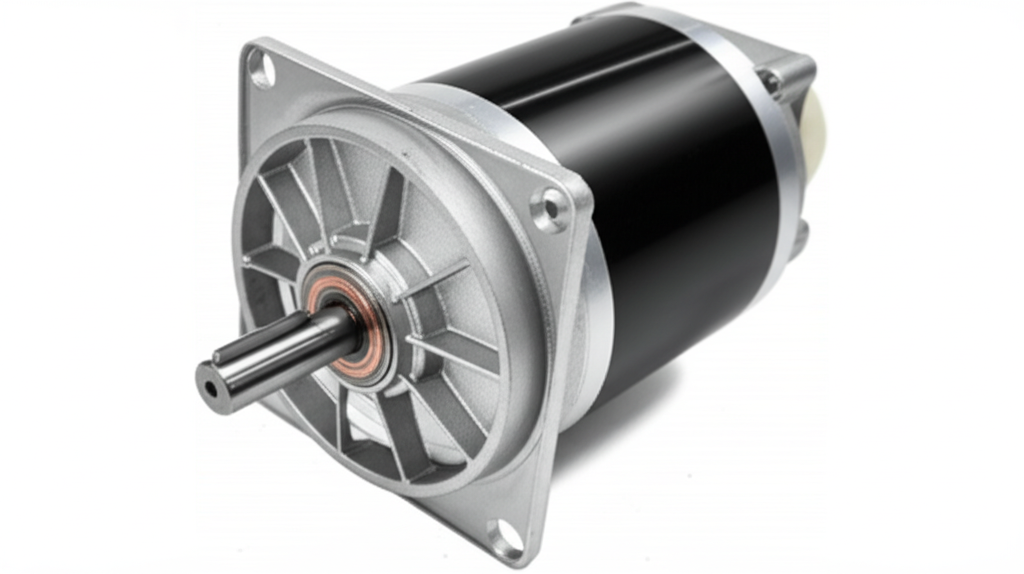
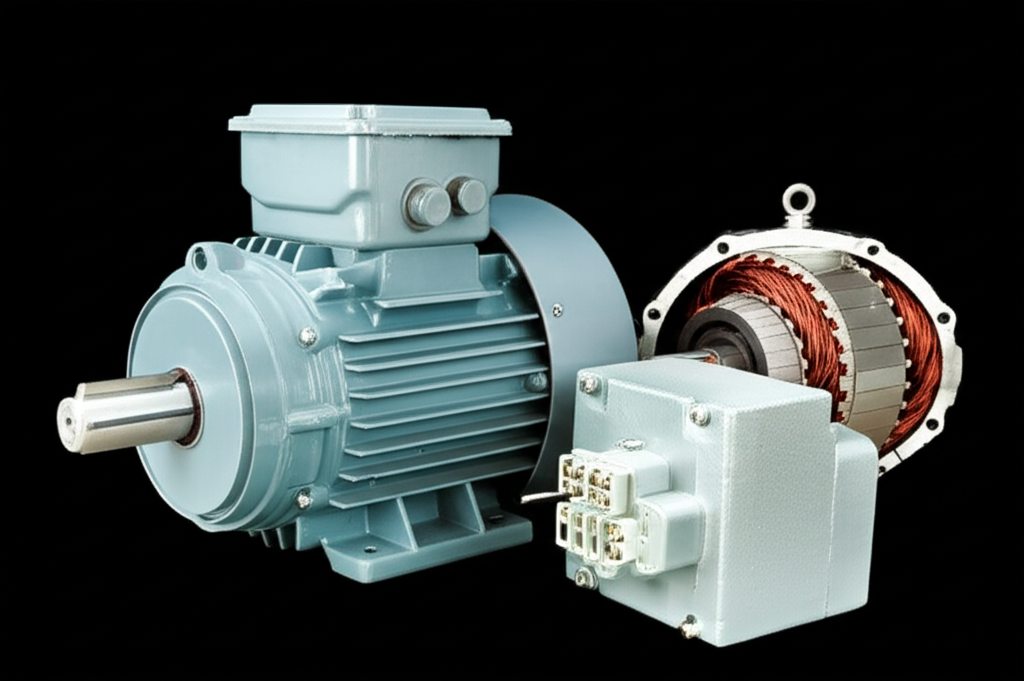
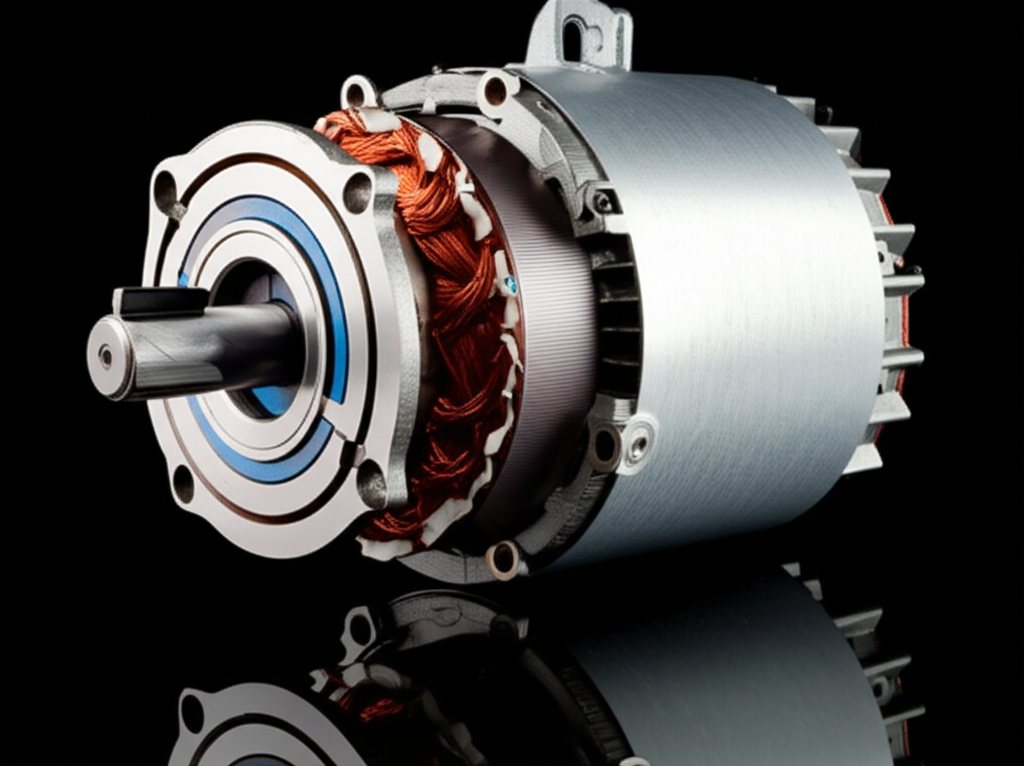
Electric vehicles do not have engine mounts in the old sense. They still use mounts for the electric motor and gearbox. These mounts support the powertrain and manage NVH. EV motors spin fast so NVH control still matters. If you want to learn how electric motors make power see the motor principle. It gives a clear view of how torque and speed relate.
Modern EVs also use parts inside the motor that affect noise and smoothness. The shape of the rotor and stator matters. If you are curious about how these parts fit together check out stator and rotor basics. The steel sheets inside the motor are called laminations. They cut losses and can reduce whine. For a deeper look at those parts see motor core laminations and how quality electrical steel laminations improve performance.
Hybrids mix both worlds. They still use motor mounts to hold the engine and the electric drive. Many hybrids use hydraulic or active mounts to keep the cabin calm.
Related terms you may hear at the shop
Mechanics use many words for the same idea. Here is a simple list. This also helps you search for answers.
- engine mount definition
- purpose of motor mount
- how do motor mounts work
- types of motor mounts
- symptoms of bad motor mount
- failed motor mount signs
- causes of motor mount failure
- importance of motor mounts
- engine vibration cause
- transmission mount vs motor mount
- hydraulic motor mount
- solid motor mount
- rubber motor mount
- active motor mount
- stiff motor mount
- engine mounts function
- what does an engine mount do
- broken motor mount
- worn motor mount
- motor mount replacement cost
- DIY motor mount replacement
- motor mount inspection
- lifespan of motor mounts
- motor mount location
- common motor mount problems
- benefits of new motor mounts
- noise from bad motor mount
- shaking car engine
- car jerking when accelerating
- excessive engine movement
- impact of bad mounts on transmission
- engine torque
- vehicle stability
- automotive components
- chassis system
- powertrain
- vibration damping
- noise reduction
- powertrain support
- suspension system (indirectly related)
- engine cradle
- subframe
- vehicle handling
- ride comfort
- engine bay
- rubber isolator
- fluid-filled mount
- vacuum-controlled mount
- active noise control
- engine movement control
- engine alignment
- preventing damage
- common wear items
- factory motor mounts
- aftermarket motor mounts
- performance motor mounts
- polyurethane motor mounts
- motor mount insulator
- mounting bracket
- crossmember
- vibration isolator
- engine rock
- rough idle
- clunking noise when shifting
- acceleration issues
- braking issues (related to engine movement)
- steering wheel vibration
- cabin vibration
- engine roll
- impact absorption
- engine flex
- motor mount material
- how often replace motor mounts
- preventive maintenance
- auto repair advice
- vehicle maintenance tips
- diagnostic steps
- technician recommendations
- engine support system
- torque reaction
- NVH (Noise, Vibration, Harshness)
- engine mounting points
- vehicle drivetrain
- engine block
- frame rail
- body shell
- engine weight support
- road shock absorption
- engine rotation
- throttle response impact
- transmission fluid leaks (if mount fails and causes stress)
- exhaust system stress
- drive shaft issues (indirectly)
- engine compartment
- stress on hoses and wires
- engine movement on bumps
- motor mount degradation
- engine jiggle
- what are engine mounts made of
- hydraulic vs rubber engine mounts
You may also hear these related entities and parts:
- Engine
- Transmission
- Chassis
- Powertrain
- Vibration
- Noise
- Harshness
- Rubber
- Polyurethane
- Fluid
- Vehicle
- Car
- Truck
- SUV
- Mechanic
- Automotive technician
- OEM
- Aftermarket
- Mounts
- Bracket
- Bolt
- Nut
- Subframe
- Crossmember
- Frame
- Vehicle frame
- Torque
- Idle
- Acceleration
- Braking
- Shifting gears
- Honda
- Toyota
- Ford
- Chevrolet
- Suspension
- Drivetrain
- Exhaust system
- Steering wheel
- Cabin
- Dashboard
- Engine compartment
- Diagnostic tools
- Warranty
- Road conditions
- Age of vehicle
- Mileage
- Stress
- Durability
- Maintenance schedule
References
- RepairPal. Average repair costs and labor ranges. Accessed 2025.
- Kelley Blue Book Fair Repair Range. Typical labor rates by region. Accessed 2025.
- AutoZone, RockAuto, NAPA. Parts pricing for OEM and aftermarket mounts. Accessed 2025.
- SAE International. NVH fundamentals in automotive design. General guidance.
- OEM service manuals for Honda, Toyota, Ford, Chevrolet. Mount layouts and torque specs. Accessed 2025.
Summary: Key points to remember
- A motor mount holds the engine and sometimes the transmission to the chassis. It limits engine movement and cuts NVH.
- Common types include rubber, hydraulic, active, polyurethane, and solid. Pick based on comfort and control.
- Signs of failure include vibration, clunks, engine rocking, jerks on takeoff, and visible damage or fluid leaks.
- Age, heat, oil leaks, hard driving, and impacts cause motor mount failure.
- Replace worn mounts to protect the exhaust system, hoses, wiring, drivetrain, and to improve safety and ride comfort.
- Most mounts last 5 to 7 years or 50,000 to 100,000 miles. Inspect them during routine maintenance.
- DIY is possible for simple mounts. Complex mounts need a pro and the right diagnostic tools.
- Costs vary by vehicle and labor time. Parts run from $50 to $600+ per mount. Labor can add up fast.
- EVs and hybrids still need good mounts to control NVH and support the powertrain.
Take action if your car shakes, clunks, or jerks. Fix the problem so you can enjoy a smooth and safe ride.