What is a Motor Pool? Understanding Its Role in Modern Fleet Management
Table of contents
- Introduction: How I First Learned What a Motor Pool Really Does
- The Simple Definition: What a Motor Pool Is
- A Short History: From Military Racks to Digital Fleets
- How a Motor Pool Operates Day to Day
- Centralized Vehicle Management
- Shared Access and Authorization
- Core Processes: Booking, Dispatch, Keys, Check-in/Check-out
- Typical Users and Use Cases
- Types of Motor Pools
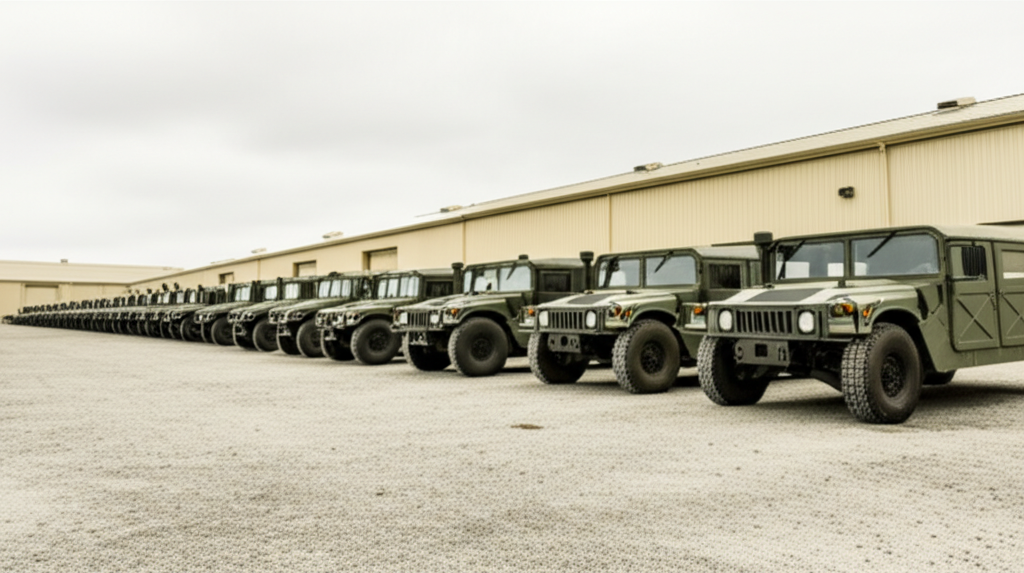
- Military and Government
- Corporate and Business
- University and Institutional
- Municipal and Public Works
- Agency-Specific and Specialized Fleets
- The Benefits: Why Organizations Choose Motor Pools
- Cost Reduction and Efficiency
- Availability and Accessibility
- Oversight, Compliance, and Reporting
- Sustainability and Carbon Footprint
- The Building Blocks of an Effective Motor Pool
- The Fleet Mix
- People and Roles
- Infrastructure and Facilities
- Technology Stack: FMS, Telematics, and Apps
- Common Challenges and How I Deal With Them
- Underutilization and Overutilization
- Manual Processes and Bottlenecks
- Maintenance and Downtime
- Driver Behavior and Safety
- Security and Asset Protection
- The Future: Smart, Electric, and Seamless
- AI, IoT, and Predictive Maintenance
- EVs and Fleet Electrification
- Mobile, Keyless, and Contactless Access
- Integrating with Broader Mobility
- Practical Steps and Best Practices to Start or Improve a Motor Pool
- Final Thoughts: Why Motor Pools Matter More Than Ever
Introduction: How I First Learned What a Motor Pool Really Does
I used to think a motor pool was just a parking lot with agency vehicles lined up like chess pieces. Then I had to run one. That experience changed how I see fleet management. I discovered a motor pool is less about parking and more about orchestration. Vehicles move in and out. Teams need wheels on time. Budgets get tight. Safety standards demand discipline. It all depends on smart processes and even smarter use of data.
When I took my first swing at consolidating vehicles into a common pool, I learned what the veterans already knew. You do not need a car for every person who occasionally drives. You need a system that gets the right vehicle to the right driver at the right time. That is the heart of a motor pool.
The Simple Definition: What a Motor Pool Is
A motor pool is a centralized vehicle fleet that authorized users share. Think of it as an on-demand library for vehicles. Instead of each department owning separate cars that sit idle, the organization maintains a common vehicle inventory. Employees reserve what they need. They pick up a vehicle for a trip or task. Then they check it back in for the next person.
That model shows up everywhere. You will find motor pools in government agencies, universities, utilities, logistics companies, and large corporations. You will also see them in military bases and public works. The goal is the same. Improve vehicle utilization, reduce total cost of ownership, and ensure safe, compliant, reliable transportation.
A Short History: From Military Racks to Digital Fleets
The concept goes way back. Military motor pools started as organized depots for vehicles, tools, and maintenance. The U.S. Military and government agencies leaned on them to support missions where availability and readiness were non-negotiable. Over time the idea flowed into municipalities, public universities, and enterprise fleets. The motives expanded. Cost control, efficiency, sustainability, and compliance joined readiness on the priority list.
Today the basic idea remains. The execution looks very different. Fleet Management Software (FMS) automates reservations. Telematics solutions track location and condition. Keyless access and mobile apps enable contactless pickup for users. Data analytics drives policy decisions. The modern motor pool is both a logistical program and a digital product.
How a Motor Pool Operates Day to Day
Centralized Vehicle Management
You collect vehicles into a common pool and manage them centrally. That pool might serve a campus, a city, or multiple facilities. Fleet managers monitor vehicle inventory, mileage, status, and readiness. They organize preventative maintenance, inspections, and compliance tasks. They also balance supply and demand so drivers can always find what they need.
Shared Access and Authorization
Users get access through a policy-backed system. Staff members, officials, faculty, or field technicians can book vehicles for approved purposes. The booking rules drive who can request what and when. The same system records history for audit and reporting.
Core Processes: Booking, Dispatch, Keys, Check-in/Check-out
Here is the rhythm I rely on.
- Vehicle booking and scheduling
- Drivers request a vehicle through a booking system or mobile app.
- The system verifies eligibility, license status, and required training.
- It assigns the best-fit vehicle based on availability, location, range, and purpose.
- Dispatch and assignment
- Simple pools use manual dispatch. Mature pools use automated dispatch and notifications.
- Dispatch considers time windows, trip length, and any special requirements like cargo capacity or upfitting.
- Key management and access
- Traditional pools issue physical keys from a secure cabinet with audit logs.
- Advanced pools use key management systems or keyless entry for contactless pickup.
- Keyless keeps it simple. App opens the vehicle. Key remains inside a locked key box or you go full keyless.
- Vehicle check-in/check-out
- Check-out captures start time, mileage, fuel or charge, and inspection items.
- Check-in records end mileage, fuel or charge level, and any defects or incidents.
- The system flags vehicles for cleaning, sanitization, or maintenance.
Typical Users and Use Cases
I see a wide range of users. Field staff doing inspections. Facilities teams hauling equipment. University staff visiting campuses. Public works crews responding to a water main break. Executives heading to client meetings. Vehicle needs vary. The motor pool covers sedans, SUVs, vans, pick-ups, and specialized units depending on mission and policy.
Types of Motor Pools
Military and Government
Military motor pools focus on readiness and mission-critical operations. They often require tight security, serialized inventory control, and specialized maintenance. Government motor pools run at federal, state, and local levels. The General Services Administration (GSA) often plays a role in procurement and policy. Oversight bodies like the Government Accountability Office (GAO) care about utilization and cost control.
Corporate and Business
Corporate motor pools support sales, field service, engineering, and operations. They cut travel reimbursements. They reduce the need for assigned vehicles. They improve control over brand, safety, and compliance.
University and Institutional
Universities and colleges use motor pools for faculty travel, research projects, facilities maintenance, and student services. They also teach sustainability through practical choices like shared vehicles, hybrid models, and EVs.
Municipal and Public Works
Municipal motor pools back public works, parks, water, and sanitation. They support city staff across departments. The pool model reduces duplication between agencies and boosts availability during emergencies.
Agency-Specific and Specialized Fleets
Some pools serve police, fire, and utilities. Those fleets include specialized vehicles and upfits. The pool model still helps with scheduling, maintenance, and availability. It just needs tighter controls and trained drivers.
The Benefits: Why Organizations Choose Motor Pools
Cost Reduction and Efficiency
- Lower vehicle acquisition costs
- Pooling reduces your total fleet size. Fewer vehicles cover the same demand because they do more trips per day.
- Improved utilization
- I have seen utilization jump from the 30–40% range into the 70–80% range after moving from assigned cars to a shared pool. That shift frees budget and parking space.
- Less maintenance overhead
- Centralized maintenance and preventative maintenance schedules beat ad hoc efforts. You catch issues earlier and you reduce downtime.
- Fuel savings
- Telematics and better routing cut idle time and harsh driving. Smart vehicle selection reduces fuel use as well. Choose the right vehicle for each trip and you save fuel without trying.
Industry benchmarks and fleet case studies back this up. Some agencies report 20–30% reductions in total fleet costs after optimizing pool utilization. I do not promise a number for every organization. I do believe the direction is clear.
Availability and Accessibility
A well-run pool increases vehicle availability. People trust the system. They can see real-time vehicle status and location. They book in minutes. Contactless pickup keeps queues short. That reliability builds buy-in across departments.
Oversight, Compliance, and Reporting
With a single system you get centralized tracking and reporting. You can satisfy audits with vehicle logbooks, driver records, and trip histories. You can maintain licensing and registration status. You can monitor safety compliance under OSHA or DOT. You can produce utilization and cost reports for leadership. Better data drives better policy.
Sustainability and Carbon Footprint
Motor pools help sustainability efforts in three ways.
- Consolidation reduces vehicles on the road
- Efficient routing and coaching reduce fuel use
- EVs and alternative fuel vehicles become easier to adopt at scale
I have seen organizations trim emissions by combining these steps. Some transitioned a portion of the pool to electric vehicles and cut fuel costs along the way. You do not need to electrify everything on day one. Start where the duty cycle fits.
The Building Blocks of an Effective Motor Pool
The Fleet Mix
Design your fleet around work. Sedans and compact SUVs cover routine travel. Vans and pickups handle equipment and crews. Specialized vehicles may be pooled within specific departments with approval. You can also pilot electric vehicles or hybrids for regular routes. Keep an eye on fuel efficiency and right-sizing across the board.
People and Roles
- Fleet manager
- Owns the motor pool program, policy, and budget
- Dispatchers or coordinators
- Manage scheduling and daily operations
- Maintenance staff or vendors
- Handle preventative maintenance and repairs
- Drivers or operators
- Follow rules, complete inspections, and report issues
- Leadership sponsors
- Approve policy and support change management
Infrastructure and Facilities
You need parking with clear lanes and signage. You need fueling or charging stations aligned with your mix. You need maintenance bays or vendor relationships. You need secure access control systems for keys or keyless. You also need a cleaning and sanitization routine, especially if vehicles turn over multiple times a day.
Technology Stack: FMS, Telematics, and Apps
This is where modern pools shine.
- Fleet Management Software (FMS)
- Core system for vehicle inventory, reservations, check-in/check-out, maintenance workflows, and reporting
- Telematics and GPS
- Real-time location and status
- Driver behavior monitoring and incident alerts
- Mileage tracking for automated utilization reporting
- Mobile apps
- Self-service booking, authentication, and access
- Keyless entry for contactless pickup
- Data analytics
- Vehicle utilization reports and cost analysis
- Fuel management and EV charging analytics
- Forecasting for vehicle allocation and disposal
When you connect these pieces you get a “digital motor pool” that runs with minimal friction. People trust it because it works.
Common Challenges and How I Deal With Them
Underutilization and Overutilization
Both hurt. Underutilization wastes money. Overutilization triggers bottlenecks and frustration. I start by measuring baseline utilization across vehicle types and departments. Then I rebalance. That may mean consolidating underused vehicles or adding capacity for hotspots. It can also mean adjusting booking windows or adding more on-demand vehicles at peak times.
Manual Processes and Bottlenecks
Manual spreadsheets and key cabinets slow everything down. I have phased those out with FMS, automated dispatch, and keyless access. If you must start manual then keep it simple. Document every step. Plan your path to automation.
Maintenance and Downtime
Preventative maintenance is your friend. Schedule it and stick to it. Track downtime and root causes. Coordinate with maintenance teams and vendors. Use telematics alerts for early detection. Keep inspections quick and consistent. A strong maintenance routine raises safety and availability without drama.
Driver Behavior and Safety
Driver coaching and clear policy both matter. I use telematics for harsh braking, rapid acceleration, speeding, and idle time. I share reports with drivers and supervisors. You can offer training modules and positive reinforcement. Accident reporting should be fast and simple. Insurance management gets easier with clean data.
Security and Asset Protection
Keyless access with user authentication reduces lost keys and unauthorized use. Access control systems protect parking and charging assets. Cameras deter theft and vandalism. Policies for after-hours use and key control matter more than people think.
The Future: Smart, Electric, and Seamless
AI, IoT, and Predictive Maintenance
Smart motor pools use IoT sensors and AI-driven analytics. The system predicts maintenance based on condition rather than time alone. It automates rebalancing so vehicles sit where demand will be. It can even optimize booking workflow based on patterns you might miss.
EVs and Fleet Electrification
Electrification is not a question of if. It is a question of when and where in your pool. I look at duty cycles, routes, and charging access. Short, predictable trips with overnight parking are prime EV candidates. Then I build a phased fleet electrification strategy so budgets and infrastructure can keep pace.
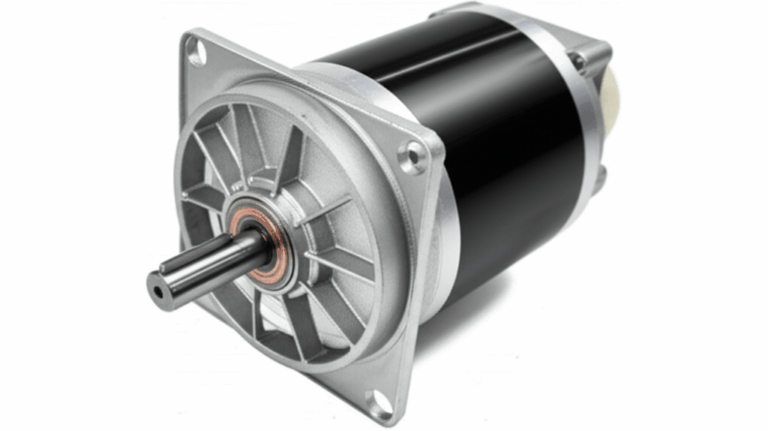
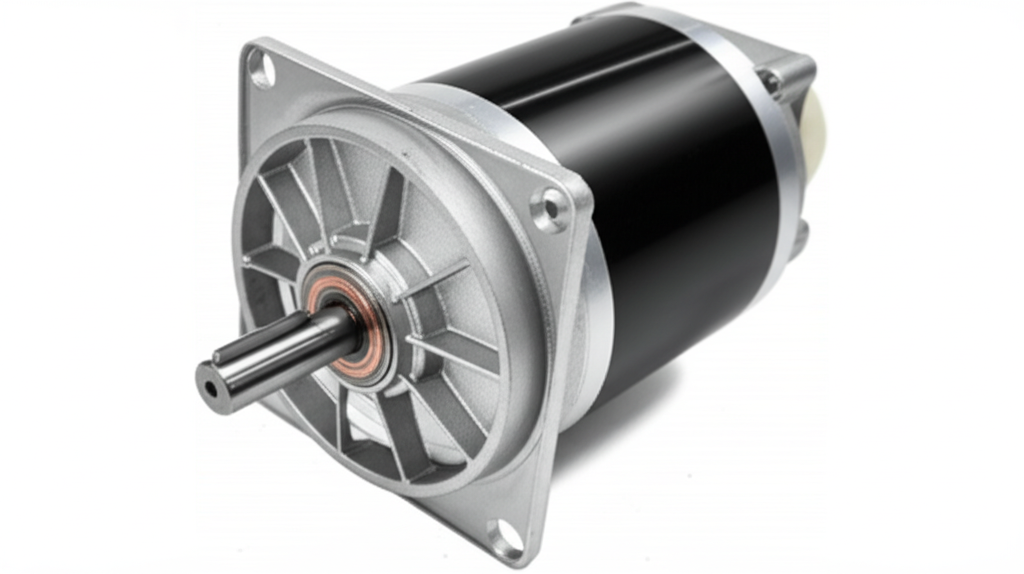
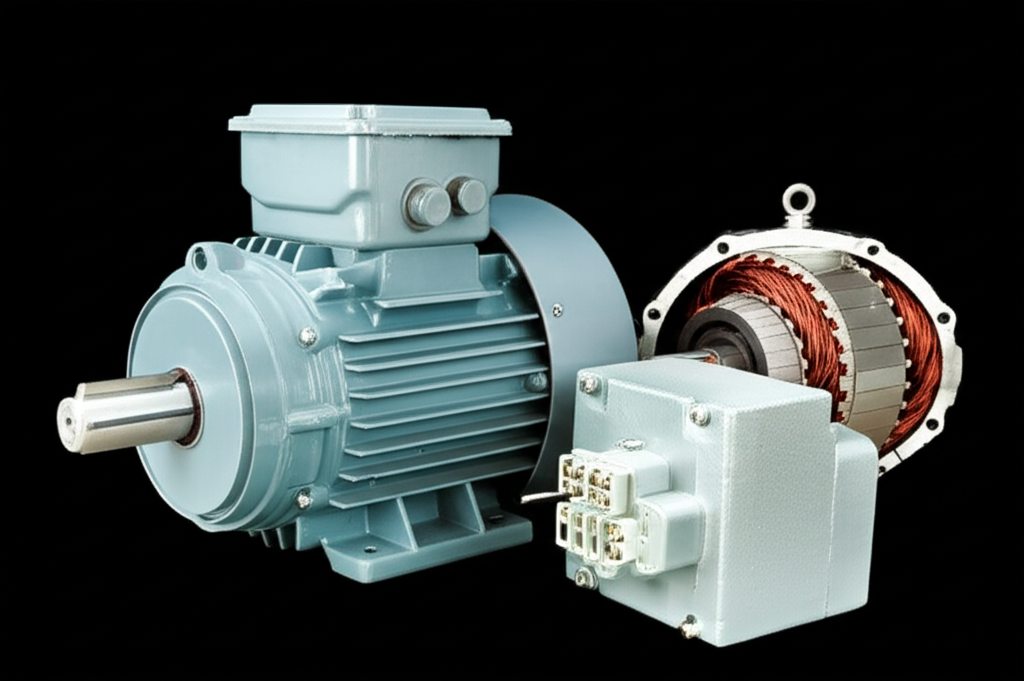
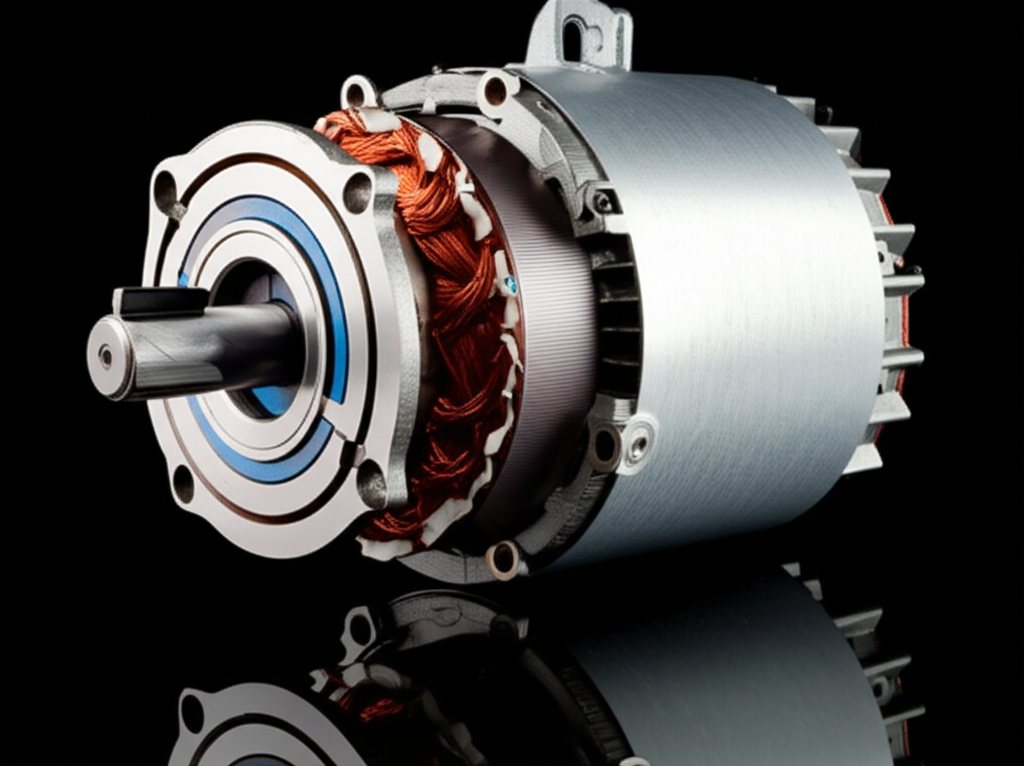
When you bring EVs into your pool, teach your team the basics of electric drivetrains. That includes the roles of the stator and rotor in traction motors. You do not need every driver to be an engineer. You do want your maintenance staff and fleet managers to understand fundamentals. It helps with vendor conversations and diagnostics.
Some teams like a simple primer on how motors generate torque. If that is you, this overview of the motor principle can help. The more your people understand the platform, the better your long-term ROI.
Procurement teams sometimes ask why certain EV motors run cooler and last longer. Materials make a difference. For example, high-quality electrical steel laminations inside the motor reduce eddy current losses. That boosts efficiency and can influence reliability. You will not spec laminations directly for most fleet purchases. You will use this knowledge to ask sharper questions when evaluating vehicles and warranties.
You may also hear service teams talk about replacements and winding issues. If your pool relies on repair vendors for electric drive units, it can help to understand components like the stator core lamination. Again, fleet managers do not rebuild motors. Knowing the terms improves communication and sets expectations on lead times and cost.
Mobile, Keyless, and Contactless Access
The user experience keeps getting smoother. Drivers book by phone. They unlock the vehicle with an app. The system logs mileage and fuel or charge status automatically. The checkout flow asks for quick photos and a few taps to report issues. That convenience keeps adoption high and makes your program stick.
Integrating with Broader Mobility
Motor pools no longer live on an island. They connect to public transit options, on-demand shuttles, and even rental partners for overflow. Some organizations blend a corporate motor pool with rental agreements for peak periods. Others pool vehicles across agencies to share costs and capacity.
Practical Steps and Best Practices to Start or Improve a Motor Pool
Here is how I approach a new or struggling motor pool.
1) Define policy and purpose
- Clarify who can use the pool, for what trips, and under which conditions
- Set rules for bookings, cancellations, late returns, fuel or charging, and cleanliness
- Establish safety standards that meet OSHA and DOT requirements
2) Baseline the current fleet
- Inventory vehicles, mileage, age, utilization, and maintenance status
- Identify underutilized assets and overtaxed segments
- Gather costs for fuel, maintenance, insurance, and depreciation to get TCO
3) Map demand
- Analyze trip patterns by time of day, day of week, and season
- Note special vehicle requirements like towing or cargo
- Identify locations with high demand to guide parking and charging placement
4) Design the right fleet mix
- Choose vehicle types to match demand while minimizing overlap
- Right-size engine and range
- Add EVs where duty cycles support charging windows
5) Plan infrastructure
- Ensure adequate parking, fueling, and charging capacity
- Place access control and security systems
- Set up maintenance flow for inspections and repairs
6) Select your tech stack
- Choose Fleet Management Software that supports booking, dispatch, maintenance, and reporting
- Add telematics for GPS tracking, diagnostics, and driver behavior monitoring
- Use a booking app with keyless access for a frictionless experience
7) Pilot, then scale
- Start with a pilot group or location
- Measure utilization, costs, and user satisfaction
- Refine policy and process based on data and feedback
8) Build a change management plan
- Train drivers and supervisors
- Communicate benefits and expectations
- Create simple guides for booking and access
- Celebrate early wins to build momentum
9) Monitor, report, and adjust
- Track KPIs like utilization, cost per mile, and accident rate
- Review driver behavior reports and safety incidents
- Inspect compliance items like licensing and registrations
- Update fleet policy as patterns change
10) Keep an eye on ROI
- Compare spend before and after consolidation
- Factor in maintenance, fuel, insurance, and vehicle depreciation
- Publish results and lessons learned to maintain leadership support
Final Thoughts: Why Motor Pools Matter More Than Ever
When someone asks me what a motor pool is, I keep it simple. It is a shared fleet with a system that makes the most of every vehicle. That system gives people what they need on time. It reduces waste. It improves safety and compliance. It creates a foundation for sustainability and EV adoption. Most of all, it turns cars and trucks into a transparent service rather than a scattered set of assets.
The idea is not new. The tools and expectations are. If you run a motor pool today, you are running a technology-enabled logistics program with real budget impact. That is exciting. It is also manageable. Start with clear policy and clean data. Add the right software and processes. Train your people. Measure what matters. The rest falls into place.
I have seen teams struggle with underutilization and manual chaos. I have also seen them transform fleets into lean, reliable, sustainable programs that staff actually like to use. You can do the same. One reservation at a time. One vehicle at a time. Then one smart decision after another.
Count on that rhythm. It works.
Internal links used: 4
- https://nfdyzyo.top/stator-and-rotor/
- https://nfdyzyo.top/motor-principle/
- https://sinolami.com/electrical-steel-laminations/
- https://sinolami.com/stator-laminations/