What Is an LS3 Motor? A Comprehensive Guide to GM’s Iconic 6.2L V8
Table of contents
- Introduction: Why the LS3 keeps showing up in my garage
- Quick note: Engine vs motor (so we’re on the same page)
- LS3 engine specifications: The heart of the beast
- Family and architecture
- Displacement, bore, and stroke
- Block, heads, ports, and valve size
- Compression ratio and redline
- Valvetrain and camshaft
- Fuel system and ECU/ECM
- Output: horsepower, torque, and power band
- Internals: crankshaft, connecting rods, and pistons
- Weight and dimensions
- Factory applications: Where you’ll find the LS3 from the showroom
- Crate engines and swaps: Why builders love the LS3
- Performance and characteristics: What it feels like behind the wheel
- LS3 comparisons: Where it fits in the LS family
- LS3 vs LS1 and LS2
- LS3 vs L99
- LS3 vs LS7, LS9, and LSA
- LS3 vs L76 and L77
- Modifying an LS3: From bolt-ons to boost
- Common bolt-ons that work
- Camshaft upgrades and supporting valvetrain parts
- Cylinder head work and aftermarket options
- Intake manifolds and throttle bodies
- Forced induction: superchargers and turbos
- Fuel system requirements and injector sizing
- Engine management, dyno tuning, and drivability
- Drivetrain, cooling, and oiling notes
- Maintenance, longevity, and common considerations
- Routine care and best practices
- Known quirks and how I address them
- Daily driver vs track duty
- FAQs I hear all the time about LS3 motors
- Conclusion: Why the LS3 remains a benchmark
Introduction: Why the LS3 keeps showing up in my garage
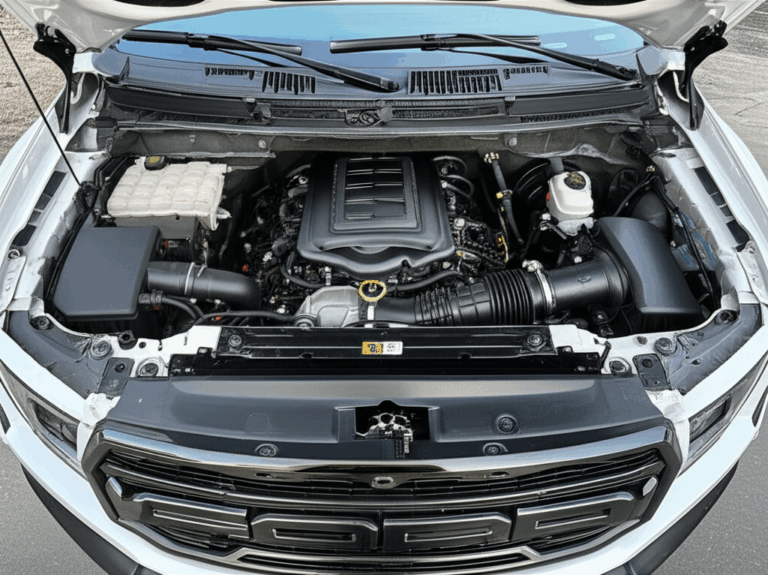
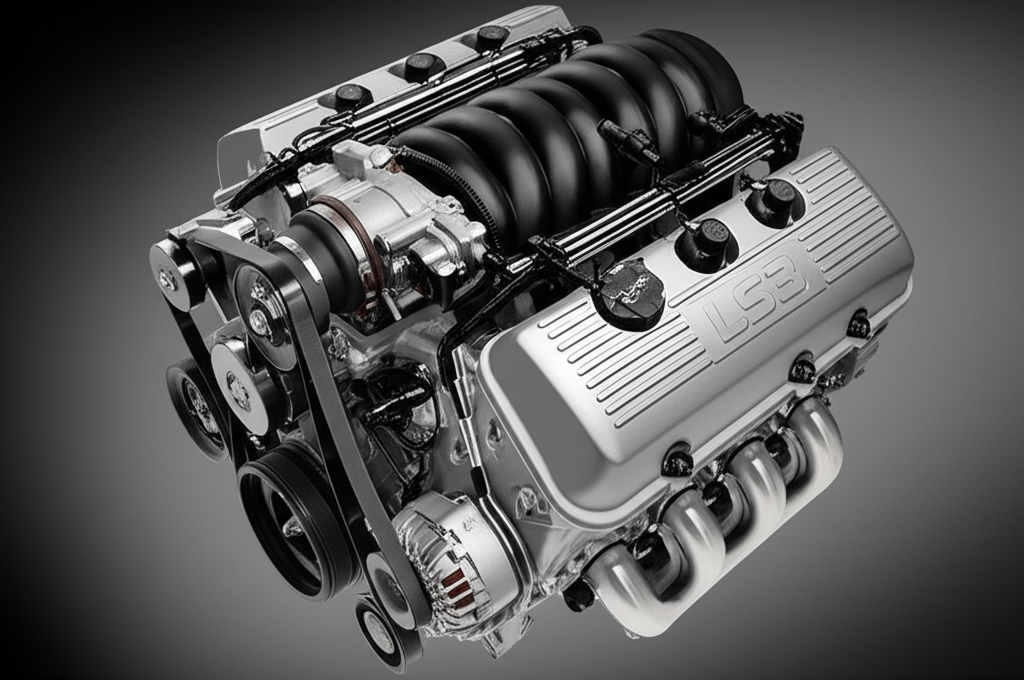
When someone asks me “What is an LS3 motor?” I smile because I’ve watched that 6.2L V8 light up faces in Corvettes, Camaros, and classic swaps. The LS3 is a GM Gen IV Small Block V8 that mixes old-school pushrod simplicity with modern cylinder head science. It makes strong horsepower in stock form, loves modifications, and lasts when you treat it right. If you wrench on cars or you’re planning a swap, understanding the LS3 saves time, money, and headaches.
I’ve tuned LS3-powered cars on the dyno, I’ve helped friends pick crate engines, and I’ve spent too many late nights swapping oil pans and motor mounts to make these engines fit older chassis. Through all of that, the LS3 kept earning its reputation for power, reliability, and aftermarket support. It’s a sweet spot in the LS engine family.
Quick note: Engine vs motor (so we’re on the same page)
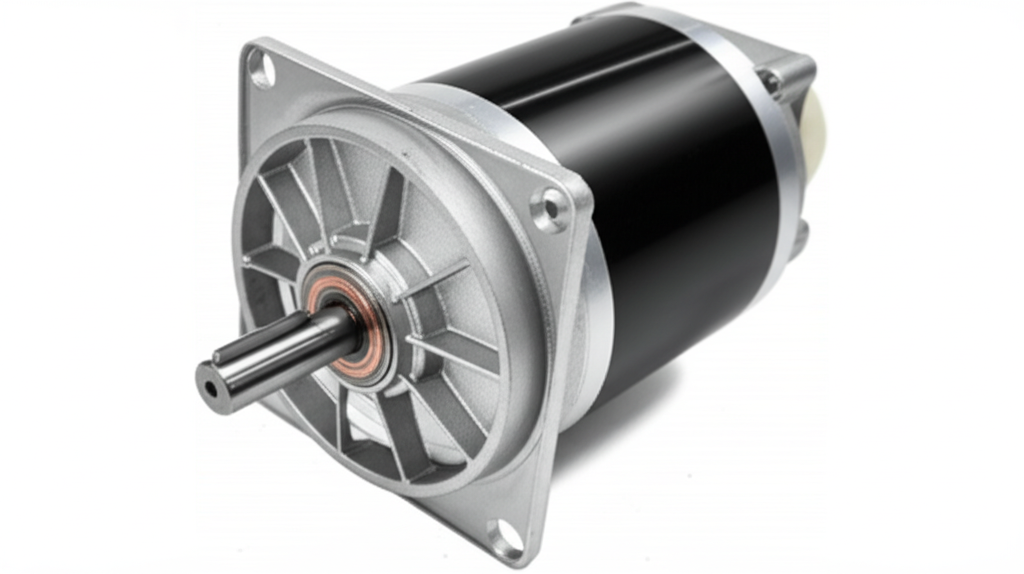
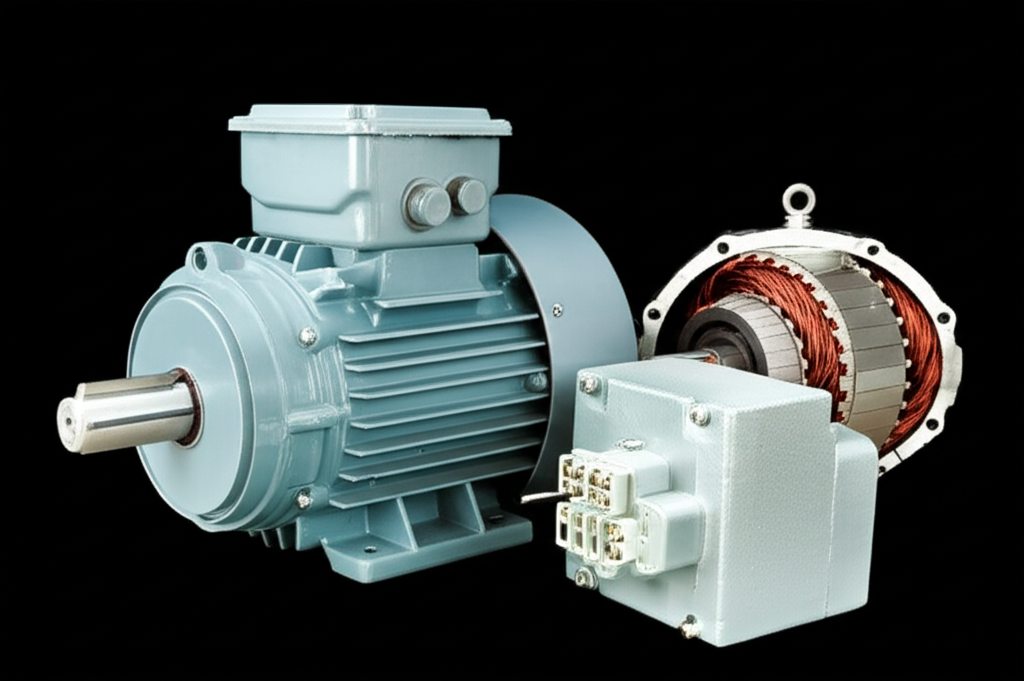
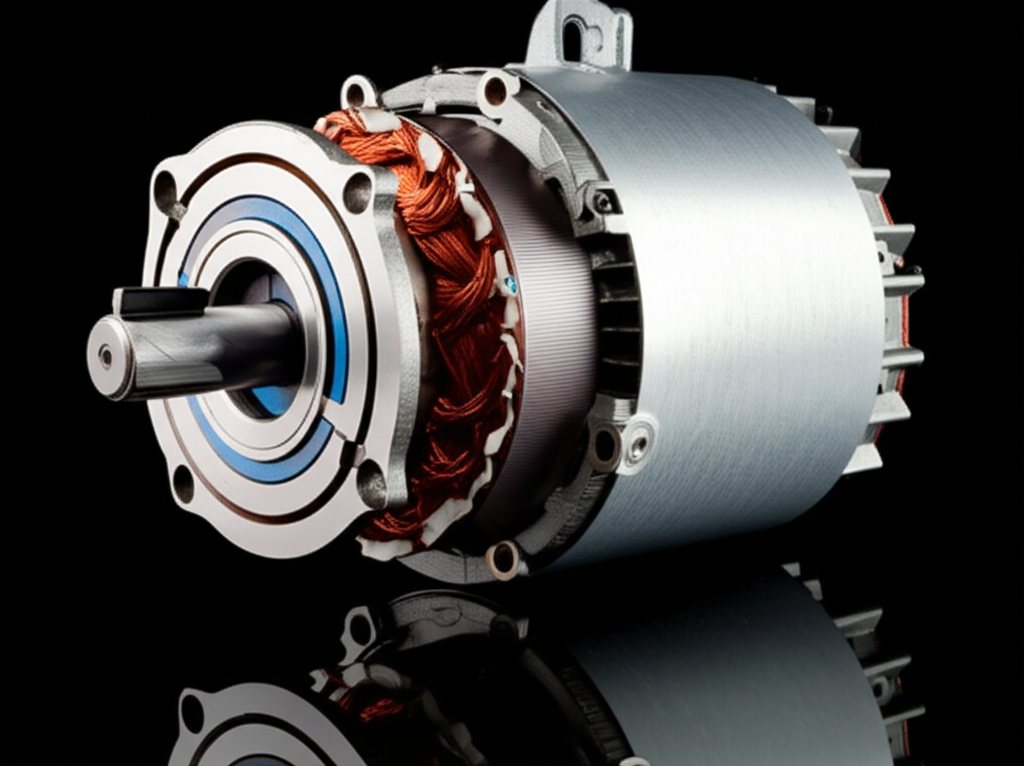
People often say “LS3 motor” though the LS3 is an internal combustion engine. Electric motors live by a different rulebook. If you’re curious how electric motors create torque, this quick primer on the motor principle helps. You’ll also see terms like stator and rotor in electric machines which don’t apply to a pushrod V8. Electric machines use laminated cores for efficiency as well, and if that interests you there’s a nice overview of electrical steel laminations. For the rest of this guide I’ll use “engine” and “motor” the way most car folks do in conversation. We’re talking about GM’s LS3 6.2L V8.
LS3 engine specifications: The heart of the beast
You came for the meat and potatoes. Here’s what defines the LS3.
Family and architecture
- Engine family: GM Gen IV Small Block (LS engine family)
- Configuration: 90-degree V8, overhead valve (OHV), two valves per cylinder
- Induction: Naturally aspirated from the factory
- Fuel system: Port Fuel Injection (PFI)
- Engine management: Electronic Fuel Injection with ECM/ECU control
Gen IV LS engines improved on Gen III with better blocks, advanced heads, and refined control systems. The LS3 sits right in the middle as a robust, high-flow variant with huge aftermarket support.
Displacement, bore, and stroke
- Displacement: 6.2 liters (376 cubic inches)
- Bore x stroke: 4.065 in x 3.622 in
That over-square design (big bore, shorter stroke) helps the LS3 breathe at higher RPM. You feel it in the way the engine pulls upstairs without wheezing.
Block, heads, ports, and valve size
- Block material: Aluminum alloy
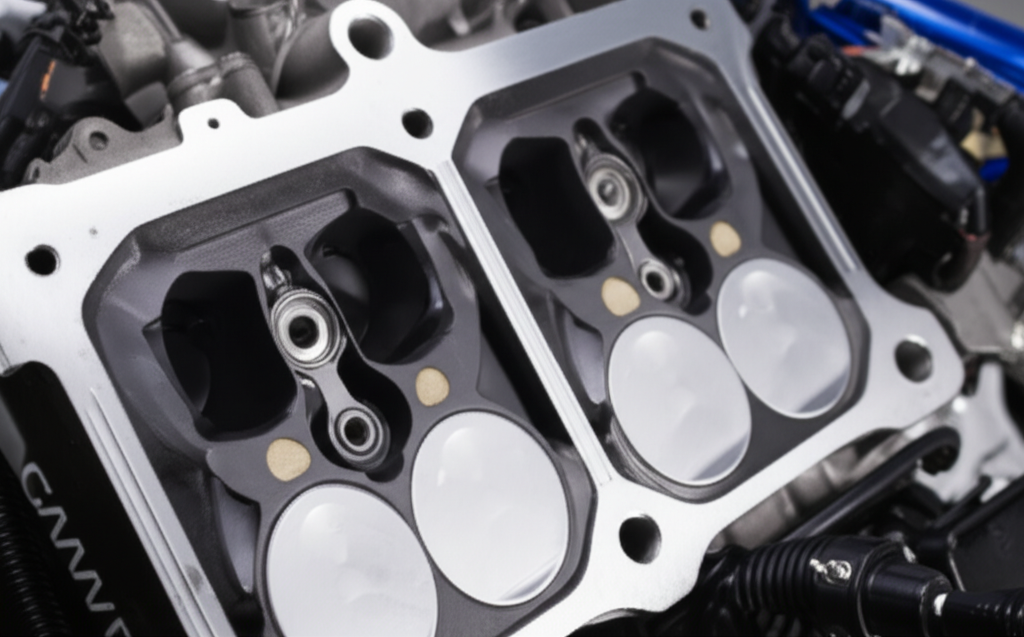
- Cylinder heads: Aluminum, L92/LS3-style rectangular ports
- Intake and exhaust port design: High-flow rectangular ports with excellent mid and high lift flow
- Valve size: Large valves relative to earlier LS heads, designed to support big airflow
GM’s rectangular-port heads transformed the character of the Gen IV engines. They flow well out of the box, respond to porting, and support serious power even with a mild cam. Head flow translates into real-world torque and horsepower without resorting to exotic parts.
Compression ratio and redline
- Compression ratio: Typically 10.7:1 to 10.9:1 depending on application
- Redline: About 6600 rpm
That compression sweet spot makes good power on premium pump gas while keeping detonation at bay in stock trim.
Valvetrain and camshaft
- Valvetrain: Hydraulic roller lifters, shaft-mounted rockers not required, pushrod simplicity
- Camshaft: Hydraulic roller cam profiles optimized for torque and emissions in stock form
A cam swap changes the LS3’s personality more than almost any other single mod. I’ll get to that in the modification section.
Fuel system and ECU/ECM
- Fuel system: Multi-port fuel injection
- Factory injectors: Adequate for stock power and mild bolt-ons
- ECM/ECU: Modern GM units with wide support for tuning
- Wiring harness: Readily available for swaps and crate engines
The LS3’s engine management system plays nice with tuners. You can dial in airflow tables, fueling, and spark to match your parts which keeps drivability clean.
Output: horsepower, torque, and power band
- Peak horsepower (stock): About 426–436 hp depending on model and exhaust
- Peak torque (stock): About 420–428 lb-ft
- Power band: Broad and flat torque curve with strong midrange
In a Corvette C6 the LS3 rated at 430 hp in base form and 436 hp with the performance exhaust. In a Camaro SS with a manual it rated at 426 hp. The Chevy SS sedan rated at 415 hp due to intake and exhaust packaging. Different intake/exhaust and calibration choices drive the small differences.
Internals: crankshaft, connecting rods, and pistons
- Crankshaft: Cast nodular iron (a durable “cast” crank that holds up well)
- Connecting rods: Forged powder-metal rods
- Pistons: Hypereutectic aluminum
These parts handle stock power and common bolt-ons without complaint. I treat the stock rotating assembly as a trustworthy foundation for a naturally aspirated build or mild forced induction when tuning and fueling are on point.
Weight and dimensions
The LS3 benefits from aluminum construction. Dressed weight lands in the low 400s in pounds which gives it a healthy power-to-weight ratio. Dimensions are compact for a V8 which helps fitment in swaps compared to overhead cam alternatives.
Keywords you may hear when people discuss specs:
- LS3 bore and stroke, LS3 compression ratio, LS3 cylinder heads flow, LS3 intake port design, LS3 exhaust port design, LS3 valve size, LS3 ECU, LS3 ignition system, LS3 cooling system, LS3 oil system, LS3 dimensions, LS3 engine block, LS3 piston, LS3 connecting rods, LS3 crankshaft, LS3 valvetrain, LS3 redline, LS3 torque curve, LS3 power band.
Factory applications: Where you’ll find the LS3 from the showroom
These production vehicles carried the LS3 from GM:
- Chevrolet Corvette C6 (2008–2013) including the Grand Sport
- Chevrolet Camaro SS (2010–2015) in manual-transmission models
- Pontiac G8 GXP (2009) with the 6-speed manual or automatic
- Holden Commodore and HSV performance variants (VE/VF generations)
- Vauxhall VXR8 in certain trims
- Chevy SS (2014–2017) based on the Holden VF Commodore
Note the nuance with the fifth-gen Camaro SS. Manual cars received the LS3 while automatic cars got the L99 which is closely related but includes Active Fuel Management (AFM) and different specs. I’ll detail that comparison shortly.
Crate engines and swaps: Why builders love the LS3
The LS3 became one of GM Performance Parts’ most popular crate engines for good reason. You get a strong 6.2L V8 that starts easily, idles well, and drops into a massive list of chassis. I’ve seen LS3s in classic muscle cars, hot rods, street rods, and even track-ready road race builds. Parts availability matters. The LS3 wins on that front.
Basics for a smooth LS3 swap:
- Crate engine vs used engine: New crate engines usually run in the $7,000–$10,000+ range for base configurations. Used LS3 engines often sell for $4,000–$8,000+ depending on mileage and included accessories.
- Engine management: Grab a compatible ECM/ECU and wiring harness. GM offers stand-alone controller kits. Aftermarket harnesses simplify the wiring, especially for older cars.
- Oil pan options: Choose an oil pan that clears your crossmember and steering linkage. The LS platform has multiple wet sump and dry sump pan options depending on the chassis.
- Accessory drive: Plan the accessory drive layout. Different brackets move the alternator and power steering pump for engine bay clearance.
- Motor mounts: Swap-specific mounts help place the engine correctly which saves headaches with hood clearance and driveline angles.
- Transmission choices: The Tremec TR6060 shows up in late-model manuals and a Tremec T56 is a classic swap favorite. For automatics the 6L80E pairs well with an LS3 and supports tuning through the TCM.
- Exhaust: Factory manifolds work in some swaps but headers unlock power and make fitment easier around steering shafts and subframes.
In the aftermarket I see strong support from Holley, MSD, Comp Cams, BTR (Brian Tooley Racing), Texas Speed & Performance, AFR (Airflow Research), Dart, Kooks, Borla, Magnaflow, Magnuson, Edelbrock, and more. You can build mild or wild with catalog parts and reliable tuning.
Keywords that matter for swaps:
- LS3 crate engine, LS3 wiring harness, LS3 ECU, LS3 oil pan options, LS3 motor mounts, LS3 accessory drive, LS3 used engine, LS3 new engine, LS3 cost, LS3 swap, LS3 restoration, LS3 hot rod, LS3 classic car swap, Tremec T56 LS3, Tremec TR6060 LS3, 6L80E LS3, engine management system LS3.
Performance and characteristics: What it feels like behind the wheel
An LS3 makes a car feel punchy everywhere. You don’t need to wring it out to pass on the highway because the torque arrives early and hangs on. That strong midrange beats high-strung engines that only wake up near redline. It breathes well and it revs cleanly to about 6600 rpm. The sound seals the deal. An LS3 with headers and a quality exhaust delivers a crisp bark under throttle and a mellow rumble on the cruise.
Power-to-weight matters in a chassis. The aluminum construction keeps the nose light and helps handling compared to heavier iron-block options. On track or on a canyon road you feel that difference in turn-in and balance.
Reliability and durability also stand out. Stock bottom-end strength, smart cooling system design, and a robust oil system give the LS3 legs. With routine maintenance and intelligent tuning these engines go a long way.
Keywords you’ll hear:
- LS3 horsepower, LS3 torque, LS3 sound, LS3 reliability, LS3 fuel economy, LS3 daily driver, LS3 road racing, LS3 drag racing, GM Small Block.
LS3 comparisons: Where it fits in the LS family
I get a lot of “Which LS?” questions. Here’s how I break it down in plain English.
LS3 vs LS1 and LS2
- Displacement: LS1 is 5.7L, LS2 is 6.0L, LS3 is 6.2L.
- Heads: LS3 uses the higher-flow rectangular-port L92/LS3 heads while LS1/LS2 used cathedral-port heads.
- Power: The LS3 makes more power stock and responds better to big cams and headwork thanks to airflow.
- Value: LS1 and LS2 still build great engines. The LS3 gives you more out of the box which reduces the parts list for a target power level.
Keywords: LS3 vs LS1, LS3 vs LS2, LS engine family, Gen IV LS engine.
LS3 vs L99
- Hardware: L99 is closely related to the LS3 but adds Active Fuel Management (AFM) which can shut down cylinders during light load.
- Applications: In the fifth-gen Camaro SS the manual got the LS3 and the automatic got the L99.
- Output: L99 typically rated lower in horsepower due to cam and compression differences and AFM hardware.
- Takeaway: If you want the pure naturally aspirated LS3 feel without AFM you choose the LS3. If you want an automatic Camaro SS out of the box you get an L99 which can be modified but needs extra attention to AFM hardware.
Keywords: LS3 vs L99, Active Fuel Management (AFM) LS3, Displacement on Demand (DOD) LS3.
Note: The LS3 itself does not use AFM or DOD in factory form.
LS3 vs LS7, LS9, and LSA
- LS7: A 7.0L NA monster with a dry-sump oil system and huge heads. It’s exotic and expensive. LS7 revs higher and makes more power stock yet it costs more to buy and maintain.
- LS9: Supercharged 6.2L from the C6 ZR1 with big power and forged internals. Wild performance but complex and costly.
- LSA: Supercharged 6.2L in CTS-V and ZL1 with robust internals and lots of boost potential.
- Takeaway: LS7/LS9/LSA are halo engines. The LS3 remains the approachable, dependable, and affordable middleweight that punches above its class. Add boost and it plays in serious company.
Keywords: LS3 vs LS7, LS3 vs LS9, LS3 vs LSA, LS engine advantages.
LS3 vs L76 and L77
- L76/L77: 6.0L Gen IV engines used in certain Holden, G8, and truck applications. Some included AFM and different intake manifolds.
- Takeaway: LS3’s 6.2L displacement and rectangular-port heads give it the edge in airflow and output. L76/L77 can be great budget options for swaps with the right head and cam upgrades.
Keywords: LS3 vs L76, LS3 vs L77, LS engine history, LS engine characteristics.
Modifying an LS3: From bolt-ons to boost
I’ve never met an LS3 owner who left it stock for long. The platform begs for bolt-ons, camshaft upgrades, and forced induction. Here’s what works and why.
Common bolt-ons that work
- Cold air intake: Improves airflow and sound. Gains vary but it sets the stage for bigger mods.
- Headers and exhaust: Long-tube headers with quality cats and a free-flow cat-back unlock real power. Expect stronger midrange and a sharper top end.
- Throttle body and intake manifold: The stock LS3 intake supports strong power. A larger throttle body and a ported or aftermarket manifold can add at higher RPM.
- Professional tuning: After any bolt-on change I tune the ECU to dial in fueling and spark. You pick up power and keep drivability clean.
Keywords: LS3 performance upgrades, LS3 intake manifold, LS3 exhaust, LS3 headers, Kooks headers, Borla exhaust, Magnaflow exhaust, LS3 throttle body, LS3 tuning, dyno/dynamometer.
Camshaft upgrades and supporting valvetrain parts
If you want a big bump in naturally aspirated power a camshaft upgrade delivers. The LS3 responds to cam changes better than most NA engines I’ve touched.
- Cam selection: Choose a grind that matches your goals. Street-friendly cams keep good idle and vacuum. Aggressive cams trade manners for peak horsepower.
- Supporting parts: Upgrade valve springs, retainers, pushrods, and consider rocker trunnions if you plan extended high RPM. New lifters and trays help on high-mileage engines.
- Tuning: Cam changes require proper tuning for idle, airflow models, and spark timing.
Keywords: LS3 camshaft, LS3 cam upgrade, Comp Cams, BTR (Brian Tooley Racing), Texas Speed & Performance (TSP), LS3 horsepower gain.
Cylinder head work and aftermarket options
The stock rectangular-port heads flow well though porting and milling can unlock more. For big NA builds or high boost I use aftermarket heads.
- Aftermarket heads: AFR, Dart, and others offer high-flow designs with improved port velocity and combustion chambers.
- Goals: NA street builds often target 500–600+ hp with heads and cam. Boosted builds go well beyond that with the right internals and fuel.
Keywords: LS3 heads, LS3 cylinder heads flow, AFR heads, Dart heads, LS3 valve size, rectangular port heads.
Intake manifolds and throttle bodies
The stock LS3 manifold isn’t the bottleneck at mild levels. For high RPM NA builds and big cams a better manifold helps carry power up top. Larger throttle bodies complement that change.
Keywords: LS3 intake manifold, LS3 throttle body, LS3 power band.
Forced induction: superchargers and turbos
Boost turns the LS3 into a different animal. I’ve had great results with positive displacement superchargers for street torque and with turbos for peak power.
- Superchargers: Magnuson, Edelbrock, and other roots/twin-screw kits deliver instant torque. They make a street car feel effortless.
- Turbos: Single or twin turbochargers can achieve 700–1000+ hp with the right fueling and tuning. Packaging is the challenge, not the power.
- Intercooling: Don’t skimp on heat management. Intake air temperature control keeps timing happy and detonation away.
Keywords: LS3 supercharger, Magnuson Superchargers, Edelbrock, LS3 forced induction build, LS3 turbocharging, LS3 naturally aspirated build.
Fuel system requirements and injector sizing
More air needs more fuel. You upgrade injectors and pumps as power climbs.
- Injector size: Choose injectors that match your horsepower target and fuel type. Big NA cams and all boosted setups need more injector.
- Fuel pump: A higher-capacity in-tank pump or a boost-a-pump keeps pressure stable.
- Flex fuel: LS3 factory applications didn’t come as flex-fuel engines. If you plan E85 tuning choose compatible injectors and pumps.
Keywords: LS3 fuel system requirements, LS3 injector size, LS3 fuel pump, flex fuel LS3.
Engine management, dyno tuning, and drivability
I always finish with a proper dyno tune. You want a safe air-fuel ratio, optimized spark timing, and stable idle. A good tuner can also shape throttle response and torque management to fit your use case.
- Tools: Wideband O2 feedback and real-time logging help catch issues early.
- Dyno graph: A before-and-after dyno graph is a great way to visualize the torque curve and verify gains.
Keywords: ECM/ECU, tuning, dyno graph, LS3 engine management system.
Drivetrain, cooling, and oiling notes
- Clutch and transmission: If you add big torque plan for a stronger clutch and consider the limits of your Tremec T56/TR6060 or 6L80E.
- Cooling system: Performance radiators and fans help in hot climates and track use.
- Oiling: Most LS3s run wet sump. Some Corvette applications used a dry sump. Choose a pan and pickup that keeps oil pressure stable under your intended G loads.
Keywords: wet sump LS3, dry sump LS3, cooling system, 6L80E LS3, Tremec TR6060 LS3.
Maintenance, longevity, and common considerations
The LS3 rewards simple, consistent care. I treat them like any high-performance street engine.
Routine care and best practices
- Oil and filter: Use a high-quality synthetic oil in the recommended viscosity and change it on schedule especially if you drive hard. I also keep an eye on oil temperature on track days.
- Spark plugs and ignition: Fresh plugs and healthy coils keep the ignition system strong. Consider a colder plug on boosted setups.
- Fluids and belts: Don’t ignore coolant, power steering, and accessory drive belts. Small consumables prevent big headaches.
Keywords: maintenance LS3, best oil for LS3, spark plugs LS3, longevity of LS3.
Known quirks and how I address them
- Valve springs: High-mileage engines or engines with bigger cams may see valve spring fatigue. I proactively replace springs on cam upgrades.
- Exhaust manifold bolts: On some LS platforms manifold bolts can break. I inspect and replace hardware when I install headers.
- Lifter noise: Hydraulic lifters can get noisy with age especially on engines that see lots of short trips. Good oil and regular use help.
- Oil consumption: Hard track use can raise oil consumption. I monitor levels and use baffled pans or catch cans where needed.
Note that AFM lifter failures often discussed online apply to AFM-equipped engines like the L99. The LS3 does not have AFM from the factory.
Daily driver vs track duty
I’ve watched LS3s live happily as daily drivers and as track-day heroes. Street cars can run stock bottom ends with bolt-ons and a cam for years. Track cars ask more from cooling, oiling, and brakes. Build for your use and the LS3 will reward you.
Keywords: LS3 daily driver, LS3 road racing, LS3 drag racing, LS3 reliability rating.
FAQs I hear all the time about LS3 motors
- What is the LS3 in a sentence?
It’s a GM Gen IV 6.2L aluminum V8 with rectangular-port heads that makes about 430 hp stock and loves to be modified.
- Is the LS3 a good swap engine?
Yes. It’s compact, light for its output, and supported by a deep aftermarket. Wiring harnesses, ECUs, oil pans, and motor mounts are all widely available.
- How does the LS3 compare to an LS1 or LS2 for a build?
The LS3 starts with more displacement and better heads. That means fewer parts to hit a given power target.
- Can a stock LS3 handle boost?
With a careful tune and the right fuel many see success at moderate boost levels. For sustained high power I budget for upgraded pistons and rods.
- What transmissions work with the LS3?
Manual options like the Tremec TR6060 and T56 are popular. Automatics like the 6L80E pair well too.
- What kind of power can I expect with common mods?
Cam, headers, and a tune often push well past 500 hp at the crank naturally aspirated. With superchargers or turbos the sky’s the limit when you build the fuel system and internals to match.
- Does the LS3 have AFM or DOD?
No. That’s a key difference between the LS3 and engines like the L99 which include Active Fuel Management.
- How do I identify an LS3?
The engine RPO code is LS3. Application-specific details vary by vehicle. Many aftermarket sellers list casting numbers and application notes in their ads which I verify before buying.
Keywords touched: LS3 engine specs, LS3 horsepower, LS3 torque, LS3 applications, LS3 crate engine, LS3 swap, LS3 performance upgrades, LS3 tuning, LS3 forced induction build, LS3 naturally aspirated build, LS3 reliability, LS3 used engine, LS3 new engine, LS3 cost, LS3 ECU, LS3 wiring harness, LS3 oil system, LS3 fuel system requirements, LS3 injector size, LS3 heads, rectangular port heads, LS3 compression ratio, 6.2L V8, Gen IV LS engine, GM Performance Parts.
Conclusion: Why the LS3 remains a benchmark
When I step back and look at the LS3’s whole package I see why it sticks. It’s a 6.2L V8 that blends a broad torque curve with a rev-happy top end. It uses an aluminum block and high-flow rectangular-port heads that respond to every smart upgrade you throw at them. It shows up in beloved factory cars like the Corvette C6 and Camaro SS. It also anchors thousands of swaps because it starts easily, tunes well, and fits into so many bays.
If you want a reliable, powerful, and versatile V8 that won’t drain your sanity or your parts budget the LS3 delivers. You can run it stock and enjoy effortless acceleration, you can bolt on a few parts and pick up easy power, or you can go deep with heads, cam, and boost. In my experience that’s the recipe for a modern classic.
Final takeaways:
- Identity: LS3 equals 6.2L Gen IV GM Small Block V8 with aluminum block and rectangular-port heads.
- Stock performance: About 430 hp and 420+ lb-ft with a broad torque curve.
- Applications: Corvette C6, Camaro SS manual, Pontiac G8 GXP, Holden/HSV variants, and the Chevy SS sedan.
- Mod potential: 500–600+ hp NA with heads/cam. 700–1000+ hp with forced induction when built and tuned right.
- Reliability: Excellent with routine maintenance and smart tuning.
If you’re on the fence about an LS3 for your project I’ll put it this way. You won’t find many engines that check as many boxes with as few compromises. That’s why the LS3 keeps finding its way back into my shop and why it might belong in your build too.