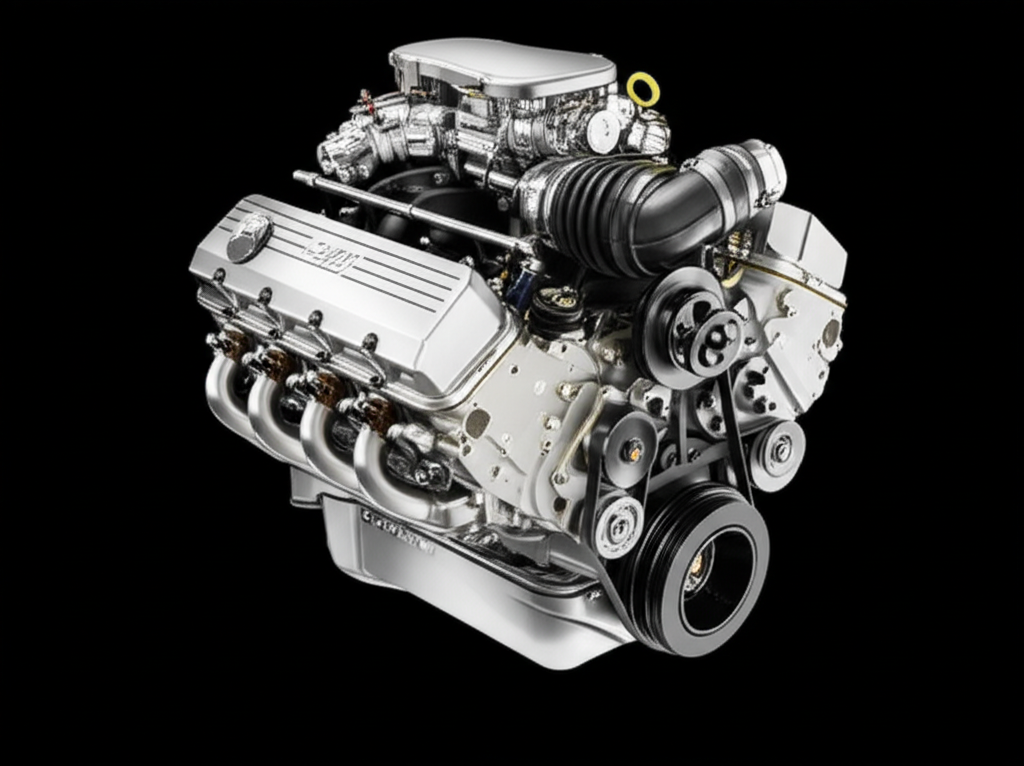
What Is the Best LS Motor? My Hands-On Guide to Picking the Right One
Table of Contents
- Introduction: Why “Best” Depends on You
- Defining “Best”: The Checklist I Use Before Choosing an LS
- Intended Use and Application
- Budget and Total Project Cost
- Desired Power Level and Future Plans
- Availability and Aftermarket Support
- Weight and Packaging
- The LS Family Tree: What Matters About Each Generation
- Gen III Highlights (LS1, LS6, LM7, LQ4, LQ9, LR4)
- Gen IV Highlights (LS2, LS3, L76, L92, L99, LS7, LSA, LS9)
- Spotlights: 5.3L Junkyard Hero, LS3/L92 Workhorses, LS7/LSA/LS9 Legends
- Best LS Motors by Use Case: What I Choose and Why
- Best Bang for Your Buck
- Best for Naturally Aspirated Performance
- Best for Forced Induction
- Best for Daily Driving and Reliability
- Best for Engine Swaps
- Pitfalls and Must-Know Details That Save Time and Money
- AFM/DOD and Why I Delete It
- Reluctor Wheel: 24x vs 58x
- Oil Pan Clearance and Why Pans Matter
- Accessory Drive Spacing
- Wiring, ECM/PCM, and Tuning Essentials
- Key Specs and Comparisons at a Glance
- Real-World Builds I’ve Done or Helped On
- Turbo 5.3 LM7 on a Shoestring
- 6.0L LQ4 for Big Boost
- LS3 NA Street Car That Rips
- LS7: Stunning NA Power With One Caveat
- Buying and Inspection Tips: Crate vs Used vs Junkyard
- Tuning, Maintenance, and Common Troubleshooting
- A Quick Note on Alternatives (EV Swaps and Why Materials Matter)
- Conclusion: The “Best” LS Motor Is the One That Fits Your Plan
Introduction: Why “Best” Depends on You
Any time someone asks me “What’s the best LS motor?” I smile. I’ve asked the same thing in garages, on forums, and at track days. I learned fast that the best LS isn’t a single engine. It’s the engine that fits your goals, your budget, and your patience. The right answer changes when you’re building a budget turbo street car versus a high-dollar NA track animal.
I’ve built and driven a spread of LS combinations. Junkyard 5.3s. Iron 6.0s with big boost. Crate LS3s. Even an LS7 that made me grin like a kid. Along the way I made mistakes, broke parts, and learned what actually matters. In this guide I’ll walk you through how I choose the “best” LS for each scenario. I’ll share the simple checklists I use, the pros and cons of each engine, and the pitfalls that catch people out.
Let’s get you set up to pick the right motor the first time.
Defining “Best”: The Checklist I Use Before Choosing an LS
Before I buy a single part I define what “best” means for this project. I write it down. This saves time, money, and heartburn later.
Intended Use and Application
Start with how you’ll use the engine.
- Daily driver or street car: I favor reliability, smooth power, sensible fuel economy, and easy cold starts. I look for a mild cam, good idle manners, and conservative tuning. LS2 and LS3 shine here. So do stock 5.3L or 6.0L truck engines in a swap.
- Drag racing: I focus on power potential per dollar, plus parts that play nice with forced induction. Iron LQ4/LQ9 for boost. LM7 5.3L as a budget hero. LSA and LS9 if you want factory-supercharged goodness.
- Track or road course: I care about weight, cooling, and responsiveness. Aluminum blocks help front weight. LS3 makes a great balanced package. LS7 is phenomenal if you can handle the maintenance.
- Off-road and trucks: You want torque and durability. 6.0L iron blocks take abuse. Cooling capacity matters. So does oiling in steep angles.
- Engine swaps: Packaging is king. Oil pan choice. Accessory drive spacing. Wiring simplicity. LS1/LS2 and 5.3L truck engines fit well with lots of chassis support.
Budget and Total Project Cost
I track all costs, not just the engine.
- Initial purchase: Junkyard and used engines are cheap. Crate engines cost more but save time and surprises.
- Mods: Cam kits, valve springs, timing sets, and gaskets add up. Heads and intake manifolds change airflow and cost.
- Forced induction: A turbo or supercharger kit is one thing. Fuel system, intercooler, exhaust, and tuning are another.
- Swap costs: Mounts, headers, oil pan, wiring harness, ECM/PCM, transmission, and driveshaft.
- Maintenance: Oil, plugs, coils, sensors, belts, cooling upgrades. Budget for it.
Desired Power Level and Future Plans
Be honest about numbers and street manners.
- NA goals: 400–500 hp feels strong on the street. LS3 does this with a cam, headers, and a tune. LS1/LS2 can get there with more work. LS7 starts high out of the box.
- Forced induction: Plan your boost now even if you add it later. Choose a block that handles pressure. Iron LQ4/LQ9 and 5.3 LM7 shine for budget boost. LSA and LS9 bring factory-proven superchargers.
- Reliability vs peak power: I’d rather run 50–100 hp less than the max and not worry. Choose parts that don’t live on the ragged edge.
Availability and Aftermarket Support
I favor engines with abundant parts, documented swaps, and a deep knowledge base.
- Common options like 5.3L, 6.0L, and 6.2L save time.
- LS3/L92/L76 parts are everywhere. So are LM7/LQ4/LQ9.
- Rare engines cost more to fix. Specialty heads or sensors can create delays.
Weight and Packaging
Iron blocks weigh more. Aluminum blocks save front-end weight and help handling. Truck intakes sit tall. Car intakes tuck lower and clear hoods better. Pick the right oil pan early. It changes everything in a swap.
The LS Family Tree: What Matters About Each Generation
General Motors launched the LS in the late 1990s. It grew into a massive family that shares many parts. Gen III came first. Gen IV followed with updates.
Gen III Highlights (LS1, LS6, LM7, LQ4, LQ9, LR4)
- Displacements: 4.8L (LR4), 5.3L (LM7/L59), 5.7L (LS1), 6.0L (LQ4/LQ9).
- Heads: Mostly cathedral-port heads. They flow well but can limit high-RPM NA compared to later rectangle-port heads.
- Pros: Affordable, robust, and perfect for budget swaps. Iron blocks handle boost well. Tons of used engines in yards.
- Cons: Older tech. Some live with higher mileage. NA headroom is lower than Gen IV rectangle-port setups.
Spotlight: The 5.3L (LM7/L59)
I’ve yanked these out of SUVs and trucks with basic tools. They usually run forever. Stock internals can handle boost when the tune is right. If you want the best horsepower-per-dollar path, the junkyard 5.3L is tough to beat.
Gen IV Highlights (LS2, LS3, L76, L92, L99, LS7, LSA, LS9)
- Displacements: 6.0L (LS2/L76), 6.2L (LS3/L92/L99/LSA/LS9), 7.0L (LS7).
- Heads: Rectangle-port heads on LS3/L92/L76 flow better. They wake up NA power. LSA/LS9 use superchargers with robust internals.
- Pros: Higher stock power, improved blocks, better heads. Great modern performance.
- Cons: Costs more. Some include AFM/DOD systems that I disable or avoid.
Spotlights:
- LS3 and L92/L76: I consider these modern performance workhorses. LS3 heads are excellent. L92/L76 are affordable 6.2L truck variants with rectangle-port heads that respond well to cams and boost.
- LS7 and LSA/LS9: LS7 is the NA king with 7.0 liters, dry-sump oiling, and big power. LSA and LS9 bring factory superchargers, serious torque, and strong internals.
Best LS Motors by Use Case: What I Choose and Why
I match the motor to the job. Here’s how I decide.
Best Bang for Your Buck
- 5.3L LM7/L59: Junkyard hero. Cheap to buy. Easy to find. Loves boost. I’ve seen 600–800+ hp on stock bottom ends with a careful tune, proper fuel, and smart heat management.
- 6.0L LQ4/LQ9: The iron 6.0L is my go-to when I want more cubes and boost margin. It takes a beating. It costs more than a 5.3L but not by much.
Why: The iron block’s rigidity and cost make it perfect for forced induction. Truck cores are everywhere. That keeps costs down on initial purchase and long-term maintenance.
Best for Naturally Aspirated Performance
- LS3 (6.2L): If you want strong NA power with a smooth idle and modern manners, I pick LS3. Cam, headers, intake, and tune get you past 500 hp. It makes great torque across the band.
- LS7 (7.0L): The factory NA peak. It revs fast and hits hard. It costs more and demands attention to valve guides. I treat it like a specialty piece, not a casual daily driver.
Why: Rectangle-port heads on LS3 breathe. The LS7 has exotic bits like titanium rods and dry-sump oiling. It’s special.
Best for Forced Induction
- LQ4/LQ9 (6.0L iron): Hard to beat for big boost. Plenty of examples making well over 1,000 hp with the right internals, fuel, and turbo sizing.
- LSA (6.2L supercharged): Factory blower. Great torque. Strong block. Ideal for high-end swaps where you want a known package that takes pulley changes and cooling upgrades well.
- LS9 (6.2L supercharged): The top dog. Forged internals. Dry sump in OE form. Costs a lot. Delivers a lot.
Why: Iron blocks keep cylinders stable under pressure. Factory-supercharged packages save time and headaches if you can afford them.
Best for Daily Driving and Reliability
- Stock 5.3L or 6.0L truck engines: They idle nice. They make torque. They last. Keep the cam mild if you upgrade it. Leave room for good cooling and a quiet exhaust.
- LS2 or LS3: Both feel modern and smooth. They play nice with emissions and have clean cold starts when tuned correctly.
Why: You want something that starts every time, runs cool, and doesn’t fuss. These combos deliver.
Best for Engine Swaps
- 5.3L (LM7/L59): Compact. Plentiful. Tons of support in common chassis with swap mounts, oil pans, and headers. Wiring solutions exist off the shelf.
- LS1/LS2: Common in swaps, and the aftermarket knows these inside and out. Lighter aluminum blocks help balance.
Why: Aftermarket support reduces surprises. That saves time on accessory spacing, headers, oil pan fitment, and ECU setup.
Pitfalls and Must-Know Details That Save Time and Money
I’ve lost weekends to hidden gotchas. Here’s what I watch for.
AFM/DOD and Why I Delete It
Some Gen IV engines came with Active Fuel Management (AFM) or Displacement on Demand (DOD). It can create lifter issues in performance builds, especially with hotter cams. I either avoid AFM/DOD engines for performance use or budget to delete it with a proper kit, lifters, and tuning.
Reluctor Wheel: 24x vs 58x
Early engines use a 24x crank reluctor. Later engines use 58x. Your ECM/PCM and wiring must match. You can convert, but I prefer to buy compatible parts from the start. Check the crank reluctor before ordering a harness or ECU.
Oil Pan Clearance and Why Pans Matter
Truck pans often hit crossmembers in swaps. Car pans sit lower and clear more chassis. I choose the pan early and mock it up before ordering headers. It saves a lot of cursing.
Accessory Drive Spacing
GM used different front accessory spacing packages. Mixing brackets and pulleys across car and truck setups can create belt alignment problems. I either stick to one family or buy a full matched kit from Holley or another reputable supplier.
Wiring, ECM/PCM, and Tuning Essentials
Plan your wiring harness and ECM/PCM at the start. Decide if you’ll run a factory ECU with a reflash or a standalone. I prefer to use a known-good harness that matches my reluctor, injectors, and sensors. Budget time on a dyno. Tuning is the difference between a fun car and a broken car.
Key Specs and Comparisons at a Glance
Here’s a condensed look at the popular LS engines I see most, with stock ratings and general notes. Prices shift with mileage, condition, and included accessories.
| Engine Model | Generation | Displacement | Block Material | Stock HP Range | Stock Torque Range | Common Use Cases | Key Features / Notes | Approx. Used Engine Cost (USD) | Reliability (1-5) | Mod Potential (1-5) |
|---|---|---|---|---|---|---|---|---|---|---|
| LM7 (5.3L) | Gen III | 5.3L (325ci) | Iron | 270–295 HP | 315–330 lb-ft | Junkyard swaps, forced induction, budget builds | Abundant, great value, cathedral-port heads | $500–$1,500 | 5 | 5 |
| LQ4 (6.0L) | Gen III | 6.0L (364ci) | Iron | 300–325 HP | 360–370 lb-ft | Forced induction, heavy-duty builds | Strong iron block, cathedral-port heads | $800–$2,000 | 5 | 5 |
| LS1 (5.7L) | Gen III | 5.7L (346ci) | Aluminum | 305–350 HP | 335–375 lb-ft | F-body/Corvette replacements, lighter swaps | First aluminum LS, good NA base | $1,500–$3,000 | 4 | 4 |
| LS2 (6.0L) | Gen IV | 6.0L (364ci) | Aluminum | 400 HP | 400 lb-ft | Performance swaps, NA builds | First Gen IV, cathedral-port heads | $2,000–$4,000 | 4 | 4 |
| LS3 (6.2L) | Gen IV | 6.2L (376ci) | Aluminum | 430–436 HP | 424–428 lb-ft | High-performance NA, modern swaps | Excellent rectangle-port heads, strong internals | $3,500–$6,000 | 4 | 5 |
| L92/L76 (6.2L) | Gen IV | 6.2L (376ci) | Aluminum | 390–441 HP | 410–441 lb-ft | Affordable LS3 alternative, FI friendly | Truck/SUV variants, rectangle-port heads, AFM on some | $2,500–$4,500 | 4 | 5 |
| LS7 (7.0L) | Gen IV | 7.0L (427ci) | Aluminum | 505 HP | 470 lb-ft | Ultimate NA, high-end builds | Dry-sump oiling, titanium rods, specific heads | $7,000–$12,000+ | 3 | 4 |
| LSA (6.2L S/C) | Gen IV | 6.2L (376ci) | Aluminum | 556–580 HP | 551–557 lb-ft | Factory supercharged swaps | Eaton TVS blower, strong block | $6,000–$10,000+ | 4 | 5 |
| LS9 (6.2L S/C) | Gen IV | 6.2L (376ci) | Aluminum | 638 HP | 604 lb-ft | Ultimate factory FI | Forged internals, dry sump, top-tier package | $15,000–$25,000+ | 4 | 5 |
Note: Reliability and mod potential are general community consensus. Your exact results depend on parts, tuning, and maintenance.
Real-World Builds I’ve Done or Helped On
A few builds taught me more than any spreadsheet.
Turbo 5.3 LM7 on a Shoestring
We pulled a 5.3L LM7 from a suburban with over 150k miles. We changed the oil pump, timing chain, and valve springs. We added a mild cam, a budget single turbo, bigger injectors, and a proper fuel system. On a safe tune it made north of 600 whp. It idled fine and drove across town without drama. That build sold me on the 5.3’s value. It proved the “junkyard turbo 5.3” reputation isn’t hype when you respect heat, fuel, and timing.
6.0L LQ4 for Big Boost
This one aimed higher. We started with an LQ4 iron block. We upgraded rods and pistons, used ARP hardware, and picked a cam to favor boost. Twin turbos fed it through long-tube headers and a big intercooler. We ran a 4L80E because 4L60E clutches cry at this torque. The car saw four-digit power at the wheels. It lived because we stayed on top of oil, cooling, and tuning. Iron 6.0L blocks are killers for forced induction.
LS3 NA Street Car That Rips
I love a clean LS3. Cam, springs, headers, intake, and a good tune push it past 500 crank hp with great drivability. We used a T56 in this one. It cruised on the highway and woke up with a downshift. The rectangle-port heads make power without drama. Fuel economy stayed decent for what it was. This build set the “balanced street car” bar for me.
LS7: Stunning NA Power With One Caveat
An LS7 delivers a special kind of punch. It revs, it breathes, and it sounds ferocious without a blower whine. We checked valve guides early because that’s the known weak spot. Many shops recommend guide work as preventative maintenance. After that, the engine felt solid. It’s a premium option. Treat it like one.
Buying and Inspection Tips: Crate vs Used vs Junkyard
I’ve gone all three routes. Each one works if you play it smart.
- Crate engines: LS3 crate engines from Chevrolet Performance cost more upfront. They save time. You get new parts, a warranty, and known-good sensors. Wiring and tuning go smoother with complete accessory kits.
- Used engines: Ask for compression or leak-down numbers if possible. Check VIN codes and block casting numbers. Look for metal in the oil and sludge under the cap. Inspect harnesses and sensors for broken clips. Ask what accessories are included. “Complete” in a listing can mean anything.
- Junkyard engines: Bring basic tools to check crank rotation and oil condition. Pull a valve cover if the yard allows it. Look at plugs for signs of oil fouling or coolant. Expect to replace gaskets, timing set, and often the oil pump.
- Warranty: Many used engines come with short warranties. Crate engines offer better coverage. Know the terms.
Tuning, Maintenance, and Common Troubleshooting
A healthy LS hinges on spark, fuel, air, and oil. The basics never go out of style.
- Oil and cooling: Use the right oil weight for your climate and setup. High-boost engines like clean oil and big coolers. Watch temps on track. Upgrade radiators and fans if needed.
- Ignition: Coil-on-plug helps reliability. Replace old coils if misfires persist after plugs and wires. Mismatch between plug heat range and boost can cause trouble.
- Fuel system: Don’t cheap out on pumps or injectors. A lean condition kills engines. Confirm pressure under load. Choose injectors sized for your power and fuel type.
- Sensors: LS engines rely on MAP, MAF, O2 sensors, crank/cam sensors, and knock sensors. Tune with them in mind. Bad data makes bad decisions.
- Idle issues and misfire troubleshooting: Vacuum leaks, clogged injectors, wrong plug gaps, or flaky MAF sensors cause headaches. Start with scan data. Fix the basics first.
- Dyno results and tuning: A conservative tune often makes the car faster in the real world. You can put power down more consistently. I keep timing and fuel safe, especially on pump gas.
Transmissions and Compatibility: Pick the Right Partner
A motor is only as happy as the transmission behind it.
- Automatics: 4L60E works fine for mild builds and daily drivers. 4L80E is my choice for boost and big torque. It’s tougher. It needs the right controller and converter.
- Manuals: T56 offers a great driving experience and handles moderate power. TR-6060 is stronger and shifts beautifully. Match clutch capacity to torque.
- Gearing: Don’t forget rear gear ratios. A street car needs comfortable cruise rpm. A drag car wants the right launch.
A Quick Note on Alternatives (EV Swaps and Why Materials Matter)
Some builders look at LS engine alternatives like EV swaps. It’s a different rabbit hole. If you head that way, you’ll bump into how electric motors are built and cooled. Core materials and laminations shape efficiency and heat. If you get curious, these resources explain the basics:
- How the motor principle translates electrical energy into motion
- Why electrical steel laminations matter for efficiency
- What a stator core lamination does inside the motor
- How a rotor core lamination helps manage losses
I still love LS swaps for their sound, simplicity, and support. EV can make sense for certain projects. Both paths demand planning.
Conclusion: The “Best” LS Motor Is the One That Fits Your Plan
Here’s how I answer the “best LS motor” question in the real world.
- On a budget and aiming for 500–800+ hp with boost: 5.3L LM7 or 6.0L LQ4/LQ9. Hard to argue with the value and durability.
- Want a balanced, modern NA street monster around 500 hp: LS3. It’s the all-rounder with strong heads and manners.
- Want big power without building a blower system from scratch: LSA. It’s a proven factory-supercharged package. LS9 if the budget allows.
- Chasing ultimate factory NA power: LS7. It’s special. Address valve guides and enjoy the ride.
- Daily driver reliability with torque and easy manners: Stock 5.3L/6.0L truck engines or an LS2/LS3 with a mild cam.
Define your goals, budget for the whole swap, and plan your supporting parts. Choose an engine that meets your power target with room to spare. Then give it fuel, spark, cooling, and a tune that plays nice with the parts you picked.
Do that and your “best” LS motor won’t be a forum debate. It’ll be the one sitting in your engine bay that starts every time, pulls hard, and makes you smile. That’s the point.