What Motor Is In The Dodge TRX?
Table of Contents
- The short answer
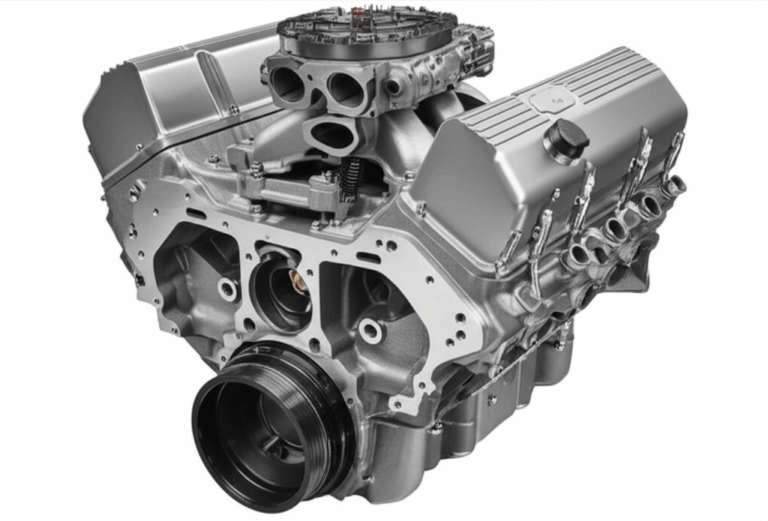
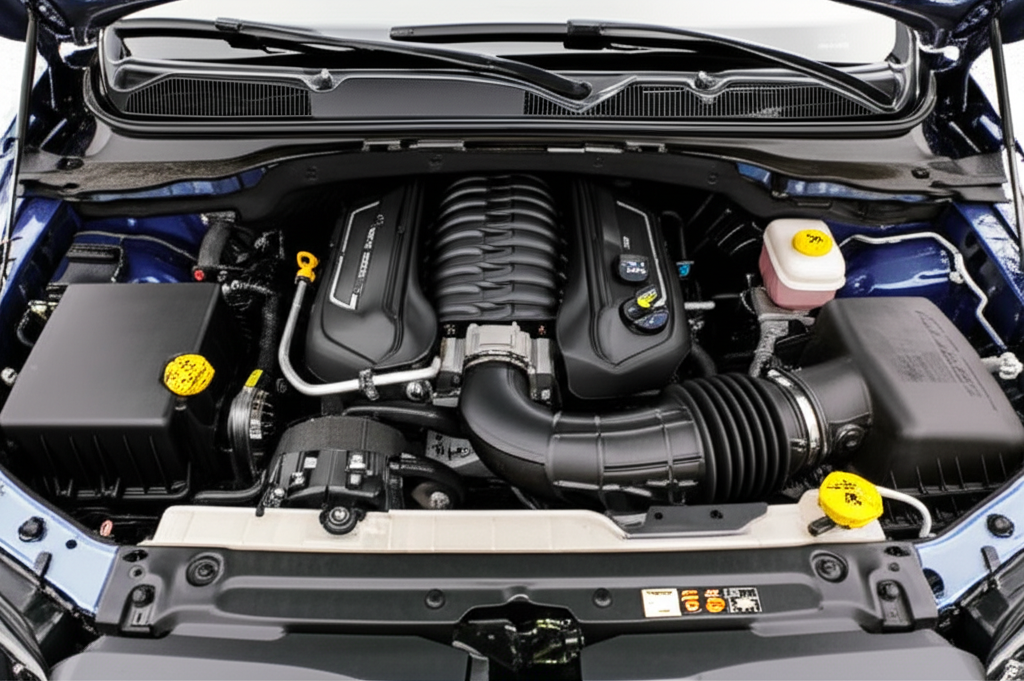
- The heart of the beast: the 6.2L Supercharged HEMI V8
- Key engine specifications and performance
- Why Ram chose the Hellcat engine for the TRX
- Under the hood: engineering for power and durability
- How it feels on the road and off it: my seat time
- Reliability, maintenance, and what I’ve learned to watch
- Fuel economy, octane, and living with the TRX day to day
- TRX vs Ford Raptor engines: where the power comes from
- Clearing up the wording: engine vs motor
- The TRX legacy and what comes next
- Quick answers to common TRX engine questions
- Conclusion: the unmistakable roar that defines the TRX
The short answer
I’ll keep it simple up front because that is what I wanted when I first searched this. The Dodge (Ram) TRX runs a 6.2‑liter Supercharged HEMI V8. You probably know it by its nickname. It is the Hellcat engine. In the TRX it makes 702 horsepower and 650 lb‑ft of torque. That is the core of the story.
The heart of the beast: the 6.2L Supercharged HEMI V8
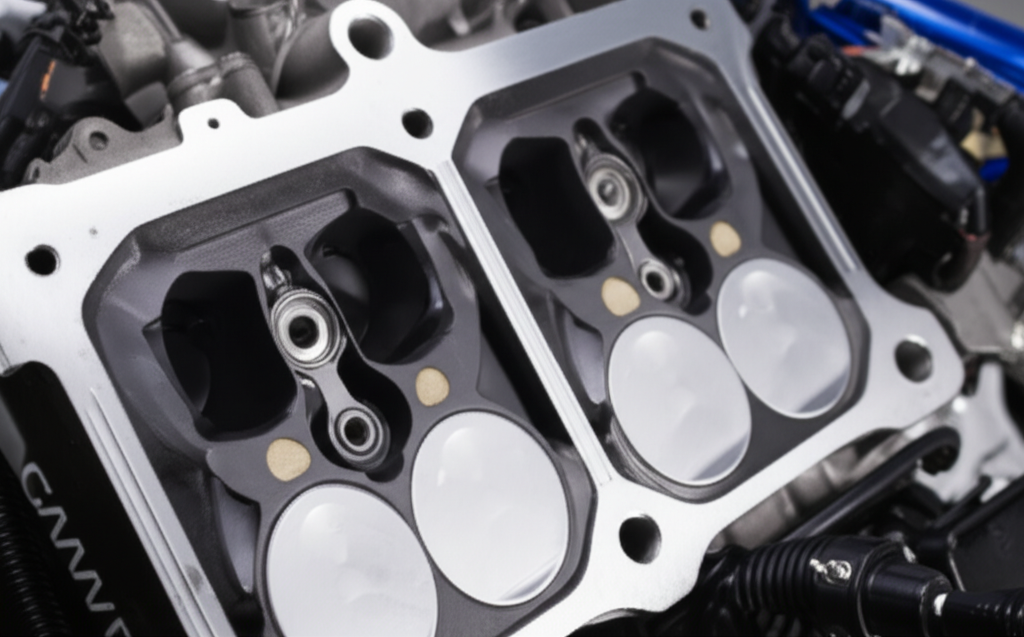
When I first slid behind the wheel of a TRX I knew the engine mattered more than anything else. The truck is big. The stance looks ready for Baja. Yet the personality starts with that 6.2‑liter supercharged HEMI V8. Ram didn’t rebrand some mild V8. They dropped in a variant of the SRT Hellcat engine that powered legends like the Challenger and Charger Hellcat. It is a proper blower motor in the traditional hot‑rod sense. Big displacement. Forced induction. And an exhaust note that turns heads before you even roll into the throttle.
I call it the Hellcat engine because that is how owners talk about it. Ram engineered it for truck duty with unique calibrations, cooling, and filtration for dusty, high‑load work off‑road. The character remains the same. It pulls hard from down low then keeps charging as the supercharger whines like a siren.
Key engine specifications and performance
Here are the headline figures I keep handy when someone asks what the TRX engine can do:
- Engine type: Supercharged 6.2‑liter HEMI V8
- Output: 702 hp at 6,100 rpm
- Torque: 650 lb‑ft at 4,800 rpm
- Displacement: 6.166 L (376 cubic inches)
- Forced induction: IHI 2.4‑liter twin‑screw supercharger
- Boost pressure: About 11.6 psi (0.8 bar)
- Compression ratio: 9.5:1
- 0–60 mph: Manufacturer says about 4.5 seconds. Independent testing often dips into the high 3s with the right surface and weather
- Quarter mile: Manufacturer lists the low‑13s. I have seen consistent mid‑to‑high‑12s from owners at sea level
- Top speed: 118 mph electronic limit due to off‑road tire rating and vehicle dynamics
- Transmission: ZF 8HP95 8‑speed automatic with TRX‑specific tuning
- EPA fuel economy: Roughly 10 city / 14 highway / 12 combined
- Fuel: Premium unleaded, 91 octane minimum recommended
One note about the 118‑mph limiter. It is not an engine limitation. It is a tire and stability choice. The truck sits on chunky off‑road rubber. Ram chose that limit on purpose.
Why Ram chose the Hellcat engine for the TRX
I asked the same question the first time I compared the TRX to the Ford Raptor on paper. Why go with a supercharged V8 when the market moved to smaller turbo engines. Three reasons stood out for me after driving and digging in.
- Proven SRT architecture: The Hellcat engine family had already handled big power in street cars and SUVs like the Trackhawk. That matters because truck duty adds heat, dust, and load. Ram could pull from a huge data set.
- Instant torque off‑road: Superchargers deliver boost the moment you ask. Out on sand or in deep ruts the TRX feels like it surges up on plane. No waiting for turbos to spool. That characteristic pairs well with the TRX’s gearing and transfer case.
- Halo factor: Ram wanted to plant a flag in the high‑performance truck segment. Dropping in the Hellcat engine signaled intent. This truck launched as the horsepower king of production pickups. It set the tone.
Under the hood: engineering for power and durability
I have spent enough time wrenching on forced‑induction V8s to know the parts you cannot see matter as much as the dyno sheet. The TRX engine backs up its numbers with the right hardware.
- Strong bottom end: The block uses high‑strength cast iron. That adds weight yet it also adds stability under boost and heat. Internally you get a forged‑steel crank, heat‑treated connecting rods, and forged pistons. Those are the pieces I want if I plan to keep a truck for the long haul.
- Airflow in and out: The engine breathes through a high‑flow intake system with serious filtration for dusty trails. The exhaust flows freely and sounds like thunder without droning on the highway. You hear that signature supercharger whine over the intake once the bypass valve shuts and boost builds.
- Cooling is everything: The TRX packs a large radiator, dedicated coolers, and an intercooler loop for the supercharger. Heat kills performance in boosted setups. Ram clearly treated cooling like a core part of the design rather than an afterthought.
- Smart calibration: The ECU manages torque carefully across the rev range and by drive mode. Launch Control, Baja Mode, and the traction systems put the power down rather than waste it in wheelspin. You feel that through the ZF 8HP95 which shifts quickly under load yet stays smooth in traffic.
How it feels on the road and off it: my seat time
Specs tell one story. The first time I floored a TRX on a graded dirt road made it real. The supercharger spun up and the truck lunged like it just shed a thousand pounds. The Bilstein Black Hawk e2 suspension soaked up washboard ripples. The engine did the heavy lifting. Power came on clean and instant. I eased off because the speed piled on faster than my brain expected on a loose surface.
On pavement the TRX feels almost surreal. You sit high in a full‑size pickup. You press the throttle and a noise like a jet intake fills the cabin. The ZF transmission clicks off shifts with no drama. The truck squats a hair then eats distance. That 4.5‑second 0–60 claim looks conservative once you learn how to stage the launch on a sticky surface.
I also learned where the calibration saves you. Rolling into the throttle at low speed in deep sand can make some trucks cough or bog. Not this one. The Hellcat engine in truck tune stays responsive and predictable. No lazy tip‑in. No hesitation. It just digs and goes.
Reliability, maintenance, and what I’ve learned to watch
This engine has a reputation for stout internals. Still, it is a high‑output, forced‑induction V8. It rewards owners who stay ahead on service.
What I follow and recommend
- Oil and filter: I stick with the SRT‑specified 0W‑40 full‑synthetic oil. The truck has an oil life monitor. If my driving involves lots of short trips or towing I change earlier rather than later.
- Air filters: Dust is the enemy off‑road. I inspect the intake tract and filters often after dusty weekends. Clean airflow keeps the supercharger and cylinders happy.
- Supercharger belt and idlers: The IHI unit itself is largely maintenance‑free. Belts are not. I keep an eye out for glazing or cracks. Listen for chirps after startup.
- Spark plugs: Boost and heat are hard on plugs. I plan plug changes more often than with a naturally aspirated V8. If you feel a slight misfire under load check the plugs first.
- Cooling system: I treat coolant like a performance part. I watch temps in summer and I flush on schedule. The intercooler loop works hard in this platform. Healthy coolant keeps intake temps stable which protects timing and power.
Is the TRX engine reliable
From what I have seen and experienced the design is robust. The forged rotating assembly and the conservative compression ratio leave margin. Abuse any boosted engine and it will complain. Warm it up before hard pulls. Use premium fuel. Keep heat in check. The Hellcat architecture tolerates enthusiasm if you give it the care it deserves.
What about common issues
I see a few patterns across owners:
- Heat soak on very hot days after repeated wide‑open runs. The fix is simple. Cool the truck down between pulls or add airflow if you live at high ambient temps.
- Belt wear or slip at high mileage. Belts are consumables. Replace on signs of wear.
- Occasional coil or plug issues as miles add up. Spark energy matters under boost. Keep the ignition system fresh.
- Fuel quality sensitivity. The ECU will pull timing on low octane or poor fuel which softens power. Stick to 91+ and buy from stations with high turnover.
Fuel economy, octane, and living with the TRX day to day
Let’s be honest. Nobody buys a TRX for fuel economy. The EPA estimates of 10 city, 14 highway, and 12 combined match what I see around town. If you drive with a light foot you can flirt with the high‑teens on long highway stretches at steady speed. Hammer it and you will watch the range drop. That is the trade you make for 702 horsepower.
Use premium unleaded. The manual recommends 91 octane or higher. The ECU will adapt to lower octane if it has to. You lose power and you risk knock under load. I do not mess with that on a boosted V8. I treat fuel like a performance part because it is.
TRX vs Ford Raptor engines: where the power comes from
I have driven both and the differences start with the engine philosophy.
- Standard Raptor (3.5L twin‑turbo V6): This engine makes strong power and excellent torque for its size. Turbocharging helps at altitude and the powerband feels broad. The sound and off‑idle response feel different than a big‑displacement V8. It is a quick truck with a lighter nose.
- Raptor R (5.2L supercharged V8): Ford built the Raptor R to answer the TRX. It uses a supercharged V8 that makes roughly 700 hp and 640 lb‑ft. It is a monster in its own right and a worthy rival. The two trucks feel closer in spirit because both use big supercharged V8s.
- TRX (6.2L supercharged HEMI V8): The TRX leans into displacement and blower torque. It hits hard down low then pulls like a freight train. It sounds like classic American muscle with a modern twist. The calibration and gearing play nice with heavy off‑road tires and a robust 4×4 system.
Which is better depends on what you want. If the soundtrack and instant supercharger shove matter most the TRX scratches that itch. If you want a lighter‑feeling front end with a different flavor of boost the Raptor platform has its own charms. Both are serious performers. The TRX set the standard for factory horsepower in a pickup when it launched which pushed the whole segment forward.
Clearing up the wording: engine vs motor
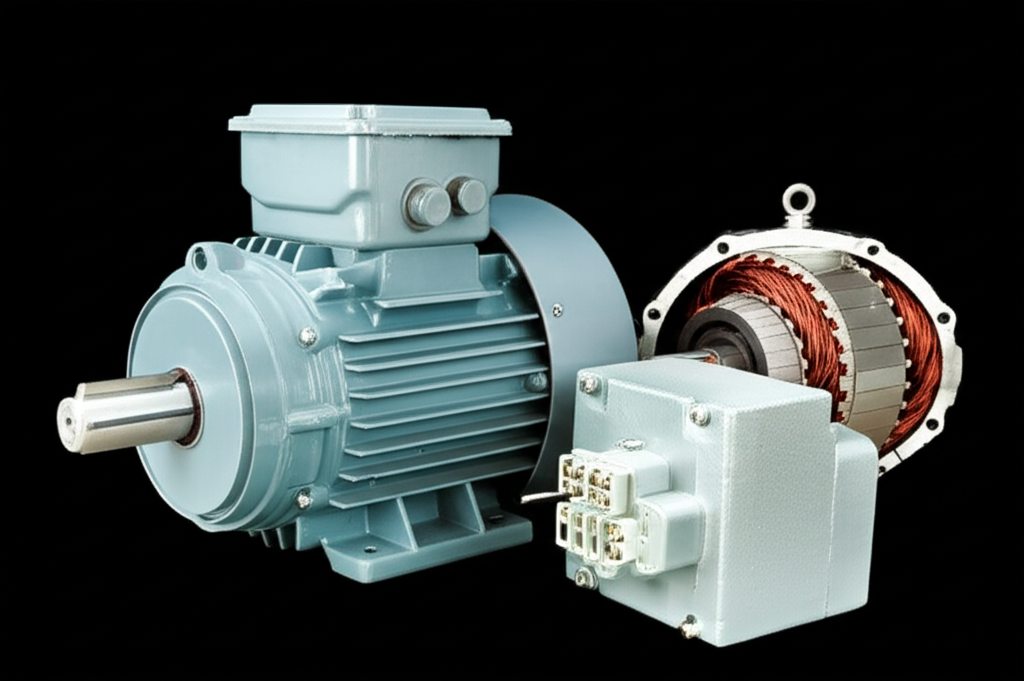
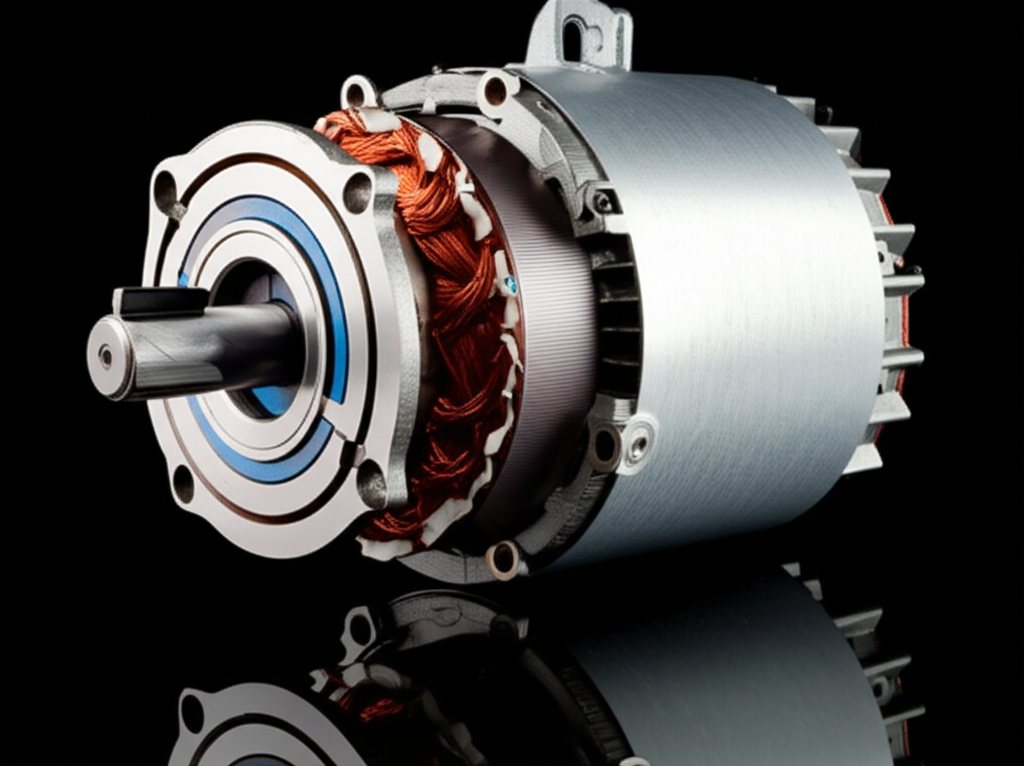
One quick note on language because friends ask me this all the time. People say “what motor is in the TRX” when they mean “what engine.” In modern usage engine usually refers to an internal combustion powerplant and motor often refers to an electric drive unit. The TRX uses an internal combustion engine. So no stator. No rotor. No permanent magnets. If you want to see how electric motors are built you can look at the anatomy of the stator and rotor. That world runs on electromagnetic force rather than gasoline.
Electric motors rely on specific principles and materials like stacked steel laminations for efficiency and heat control. If that sounds interesting you might enjoy this overview of the motor principle. Those machines minimize eddy current losses with thin electrical steel laminations in the stator and rotor cores. You will even see terms like stator core lamination. None of that lives under the TRX hood because this truck runs a boosted HEMI V8 that drinks premium fuel and makes old‑school thunder.
The TRX legacy and what comes next
The TRX arrived for the 2021 model year and shook up the performance truck game. At launch it wore the crown for horsepower in a production pickup. It delivered on that promise in the real world. Not just with straight‑line speed. It paired the engine with a heavy‑duty 4×4 system, Baja‑ready suspension, and smart drive modes that made the power usable.
As of 2024 Ram offered a Final Edition of the gasoline TRX which marked the end of this chapter. Market shifts and emissions pressures moved the industry toward different solutions. That Final Edition felt like a tip of the hat to a loud, glorious era. If you want the Hellcat‑powered TRX new from the factory that was the last call. Used trucks will keep the flame alive for a long time because the platform and engine have serious fan bases.
Quick answers to common TRX engine questions
- Is the TRX engine the Hellcat engine: Yes. It is a supercharged 6.2L HEMI V8 from the SRT Hellcat family with TRX‑specific calibrations and components for truck duty.
- What are the horsepower and torque: 702 horsepower and 650 lb‑ft.
- What supercharger does it use: An IHI 2.4‑liter twin‑screw unit delivering about 11.6 psi of boost.
- What is the transmission: ZF 8HP95 8‑speed automatic with TRX‑specific tuning.
- What is the compression ratio: 9.5:1 which suits forced induction.
- What is the engine block material: High‑strength cast iron for durability under boost.
- Does it have forged internals: Yes. Forged‑steel crankshaft, heat‑treated rods, and forged pistons.
- How fast is it: Electronically limited to 118 mph due to tire and stability considerations. 0–60 in the 4‑second range by the book. Faster with ideal conditions.
- What fuel does it require: Premium unleaded. 91 octane minimum recommended.
- What about fuel economy: About 10 city, 14 highway, 12 combined per EPA estimates. Your right foot controls the rest.
- Is the engine reliable: In my experience and from owner patterns yes if you maintain it well and respect heat management. The architecture is proven across multiple high‑performance vehicles.
- How often should I service the supercharger: The IHI unit is largely maintenance‑free. Inspect the belt and idlers. Listen for noise. Follow the factory schedule for the rest.
- How long will the engine last: That depends on maintenance and use. Forged internals and conservative compression help. Many owners report strong longevity when they stay on top of fluids, plugs, and filters.
- Does the TRX use the Hellephant engine: No. The Hellephant is a crate engine family with even larger displacement and higher output for custom builds. The production TRX never came with a Hellephant from the factory.
- How does the TRX engine compare to the Raptor: The TRX uses a supercharged 6.2L V8 that makes 702 hp. The Raptor R uses a supercharged 5.2L V8 with similar peak numbers. The standard Raptor uses a twin‑turbo 3.5L V6 with less peak output but strong torque and a different character.
- What about transmission and drivetrain strength: The ZF 8HP95 is known for handling big torque. The 4×4 system and transfer case were built with this power in mind which keeps the driveline from becoming the weak link.
- What tires limit the top speed: The aggressive off‑road tires that define the TRX’s mission limit the speed rating which is why Ram set the 118‑mph governor.
- Any tips for keeping performance consistent: Use good fuel. Keep intake and intercooler systems clean. Mind your coolant and oil temps on hot days. Give the truck a cooldown lap between hard runs.
Conclusion: the unmistakable roar that defines the TRX
If you take one thing from my time with the TRX it is this. The engine is the truck’s identity. The 6.2L Supercharged HEMI V8 turns a very capable off‑road platform into a force of nature. It yanks this big truck out of sand. It launches from stoplights like a muscle car on stilts. It howls with a supercharger note you can pick out from blocks away. Numbers matter because they prove the point. 702 hp. 650 lb‑ft. Yet the experience matters more.
I have driven a lot of performance vehicles that feel fast but forgettable. The TRX never blends into the background. The engine makes sure of that. If you came here asking “what motor is in the Dodge TRX” you now know the answer and the story behind it. It is the Hellcat 6.2L supercharged HEMI V8. It is why the TRX stands where it does in the performance truck world. And it is why owners still grin every time they prod the throttle.