What Motor Powers the Ford Raptor? A Deep Dive into Engine Generations (and the Raptor R!)
Short summary: I show you what engine sits in each Ford Raptor. You learn how the motor changed from V8 to EcoBoost V6 to the Raptor R V8. You get specs, real talk on sound, towing, fuel use, and care. You also see how to pick the right Raptor for you.
Table of Contents
- Introduction: The heart of the beast
- What motor is in the Ford Raptor today?
- How did the Raptor engine change over time?
- Why did Ford go from V8 to V6?
- What is the Raptor R engine?
- What engine sits in the Bronco Raptor?
- Specs at a glance (with table)
- How do these engines drive on road and off road?
- What about sound, towing, and fuel economy?
- Reliability, common issues, and care tips
- Mods, tuning, and upgrade ideas
- How does the Raptor compare to TRX and others?
- What is next for Raptor engines?
- Quick answers to hot questions (optional FAQ)
- Key takeaways
Introduction: The heart of the beast
Problem: You type “what motor is in the Ford Raptor” and get mixed answers. Some say V6. Some say V8. You want the truth in plain words. You want the years, the specs, and the why.
Agitate: Bad info wastes your time. It can lead you to buy the wrong truck. It can also make you miss the best engine for your needs. Off-road fun costs money. You should not guess.
Solution: I break it down by generation. I explain the 3.5L High-Output EcoBoost V6, the 6.2L Boss V8, the 5.4L Triton V8, and the 5.2L Supercharged Predator V8 in the Raptor R. I compare them to the Ram TRX and the Hellcat engine. I cover the 10-speed automatic transmission, torque, horsepower, fuel economy, and more. I also share care tips that help your Raptor motor run strong.
What motor is in the Ford Raptor today?
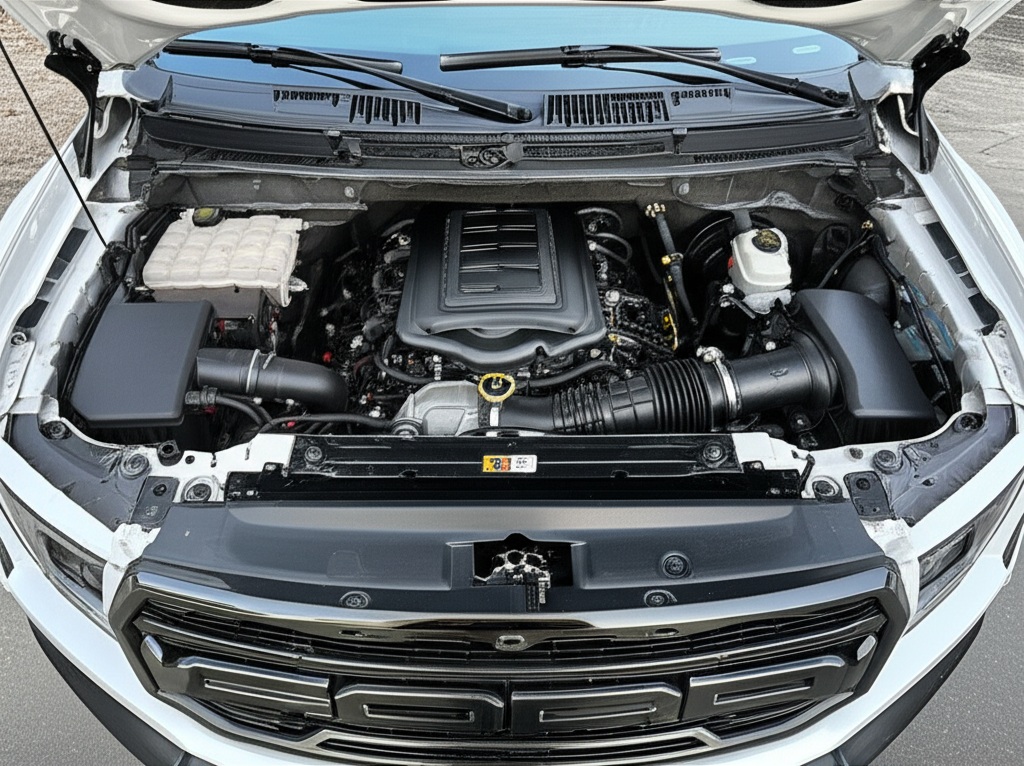
The current F-150 Raptor runs a 3.5L High-Output EcoBoost V6. It is a twin-turbo V6. It uses direct injection and Ti-VCT (twin independent variable cam timing). It pairs with a 10-speed automatic transmission. Ford Motor Company builds it for speed, torque, and off-road use.
This Gen 3 Raptor engine makes big torque low in the rev range. That helps in sand, dirt, and rocks. The 10-speed helps the truck stay in the powerband. You feel strong pull in each gear. You also get better fuel economy than old big V8s in most trips.
How did the Raptor engine change over time?
The first generation (2010-2014) started with V8 power. Early 2010 models used a 5.4L Triton V8 with 310 HP and 365 lb-ft. Soon the star arrived. The 6.2L Boss V8 took the lead. It made 411 HP and 434 lb-ft. It ran with a 6-speed automatic. It roared like a classic truck and hit hard in the mid-range.
The second generation came in 2017. Ford moved to the High-Output 3.5L EcoBoost V6. It brought twin-turbochargers, direct injection, and Ti-VCT. It made around 450 HP and 510 lb-ft. The third generation kept this V6 formula and refined it. Then 2023 added the Raptor R with the 5.2L Supercharged Predator V8. That motor changed the game again.
Why did Ford go from V8 to V6?
Problem: Many fans asked, “Why did Raptor go V6?” They loved the V8 sound. They worried the V6 would feel weak. They wondered, “Is the Raptor V6 good?”
Agitate: Myths spread fast. Some said the V6 cannot last. Some said the V6 has no soul. You hear “Raptor V6 vs V8” debates in every forum.
Solution: The High-Output EcoBoost V6 is lighter. It makes more torque. It puts out power across a broader powerband. The twin-turbo setup helps at low rpm and high rpm. The 10-speed automatic keeps it in the sweet spot. You feel quicker 0-60 times. You also get better fuel economy in many drives. Ford Performance tuned the cooling system, intercooler, air intake, and turbochargers for hard off-road use. The engine architecture uses advanced tech that fits desert racing and trail crawling. The V6 choice raised performance. It also met rules and needs for efficiency.
What is the Raptor R engine?
The Raptor R (2023-Present) brings back the V8 roar. It uses a 5.2L Supercharged Predator V8. Ford built its base for the Shelby GT500. Ford Performance tuned it for off-road heat. It makes about 700 HP and 640 lb-ft. It pairs with the 10-speed automatic. It sounds wild. You hear the supercharger whine and the V8 growl.
How does it compare to the High-Output EcoBoost? The Predator engine Raptor pulls harder up top. It feels more like a muscle truck. The EcoBoost V6 hits early with torque. It feels lighter on its feet. And how about the Ram TRX engine? The TRX uses a 6.2L Hellcat engine. It is a supercharged V8. It makes huge power too. The Raptor R answers that with its own V8 firepower. Fans asked “Does the Raptor have a V8?” The Raptor R says yes.
What engine sits in the Bronco Raptor?
The Bronco Raptor is a different kind of beast. It uses a tuned 3.0L EcoBoost V6. It is a twin-turbo setup. It makes about 418 HP and 440 lb-ft. It pairs with a 10-speed automatic. It fits the Bronco’s size and mission. The Bronco Raptor engine has strong mid-range punch for trails. It is not the same as the F-150 Raptor powertrain. The platforms and needs differ.
Specs at a glance (with table)
Here is a quick table you can scan. It shows engine type, displacement, horsepower, torque, transmission, and more.
| Feature/Metric | 1st Gen Raptor (2010-2014) 5.4L V8 (early) | 1st Gen Raptor (2010-2014) 6.2L Boss V8 | 2nd & 3rd Gen Raptor (2017-Present) 3.5L High-Output EcoBoost V6 | Raptor R (2023-Present) 5.2L Supercharged Predator V8 | Bronco Raptor (2022-Present) 3.0L EcoBoost V6 |
|---|---|---|---|---|---|
| Engine Type | Naturally Aspirated V8 | Naturally Aspirated V8 | Twin-Turbocharged V6 | Supercharged V8 | Twin-Turbocharged V6 |
| Displacement | 5.4 Liters | 6.2 Liters | 3.5 Liters | 5.2 Liters | 3.0 Liters |
| Horsepower (HP) | 310 HP | 411 HP | 450 HP | 700 HP | 418 HP |
| Torque (lb-ft) | 365 lb-ft | 434 lb-ft | 510 lb-ft | 640 lb-ft | 440 lb-ft |
| Transmission | 6-speed automatic | 6-speed automatic | 10-speed automatic | 10-speed automatic | 10-speed automatic |
| 0-60 MPH (approx.) | 7.1 s | 6.9 s | 5.2-5.3 s | 3.9-4.0 s | 5.8 s |
| Fuel Economy (MPG combined) | 13 | 13 | 16-17 | 12 | 15 |
| Forced Induction | No | No | Yes (Twin-Turbo) | Yes (Supercharger) | Yes (Twin-Turbo) |
| Exhaust Note | Deep V8 rumble | Classic V8 roar | Twin-turbo V6 note | Aggressive V8 + supercharger whine | Sporty V6 sound |
Note: Fuel economy figures are EPA estimates. 0-60 times vary by source and test.
How do these engines drive on road and off road?
On road, the EcoBoost V6 feels quick. The twin-turbo V6 stacks torque early. The 10-speed automatic transmission shifts fast. The truck feels eager in daily use. The V6 also helps the front end feel lighter. That can make the truck turn in better.
Off road, torque rules. Sand, mud, and rocks need low-end pull. The High-Output EcoBoost shines here. The cooling system and intercooler help keep power when it is hot. In the Raptor R, the Predator V8 floods the truck with power. It sends you forward hard. It fits desert racing dreams. The Fox Racing Shocks and BFGoodrich Tires put it to the ground. The chassis helps you glide over whoops like you chase Baja 1000 glory. The truck can handle King of the Hammers style hits too.
What about sound, towing, and fuel economy?
Sound matters. The V8 engines give a deep, classic roar. The 6.2L V8 and the 5.2L Supercharged V8 sound like thunder. The EcoBoost V6 sounds different. It is more muted stock. You hear turbo whoosh and a sharper note. Some owners add a Raptor exhaust system to change the tone. You can also find a Raptor engine sound clip online to compare.
Towing needs torque and cooling. The EcoBoost V6 delivers steady torque. The V8 R gives high power for highway pulls. Always check your exact model for tow ratings.
Fuel economy also matters. The V6 wins most trips. The table shows combined MPG. The EcoBoost saves fuel in normal use. The Raptor R V8 drinks more. That is the trade for 700 HP. Raptor gas mileage will vary with tire size, wind, and terrain.
Reliability, common issues, and care tips
Problem: You worry about Raptor engine reliability. You read about Raptor engine problems online. You want to avoid big bills.
Agitate: Hard off-road use adds stress. Heat kills oil. Dust chokes intakes. Bad fuel can hurt injectors. Twin-turbo V6 systems use more parts too.
Solution: Follow Raptor engine maintenance by the book. Use the correct Raptor engine oil. Keep the air intake and filters clean. Check the Raptor intercooler and hoses. Watch the Raptor cooling system after long runs. Let the turbos cool down after hard pulls. The High-Output EcoBoost can run strong for years when you care for it. The 6.2L Boss V8 is simple and stout. The 5.4L Triton V8 can need timing and cam phaser care over time. The 5.2L Supercharged V8 needs clean oil and proper heat management. You can buy a remanufactured Raptor engine or do a Ford Raptor engine rebuild if needed. Ask about Raptor engine weight and fit if you plan swaps. Always use OEM or trusted aftermarket parts.
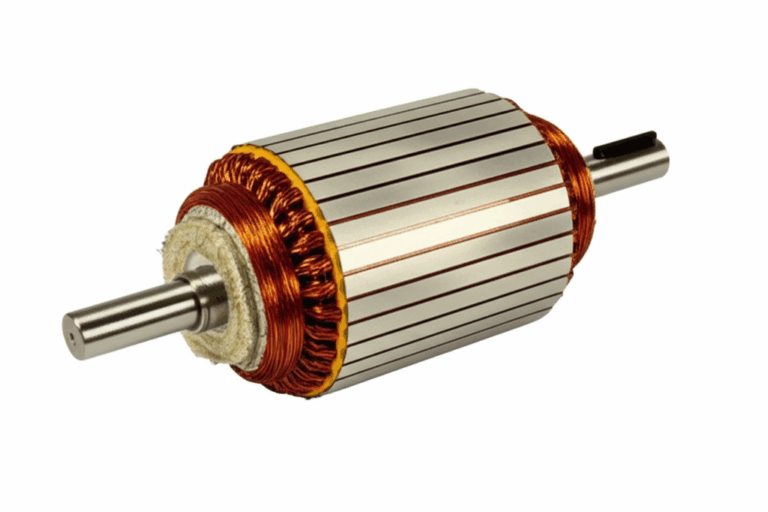
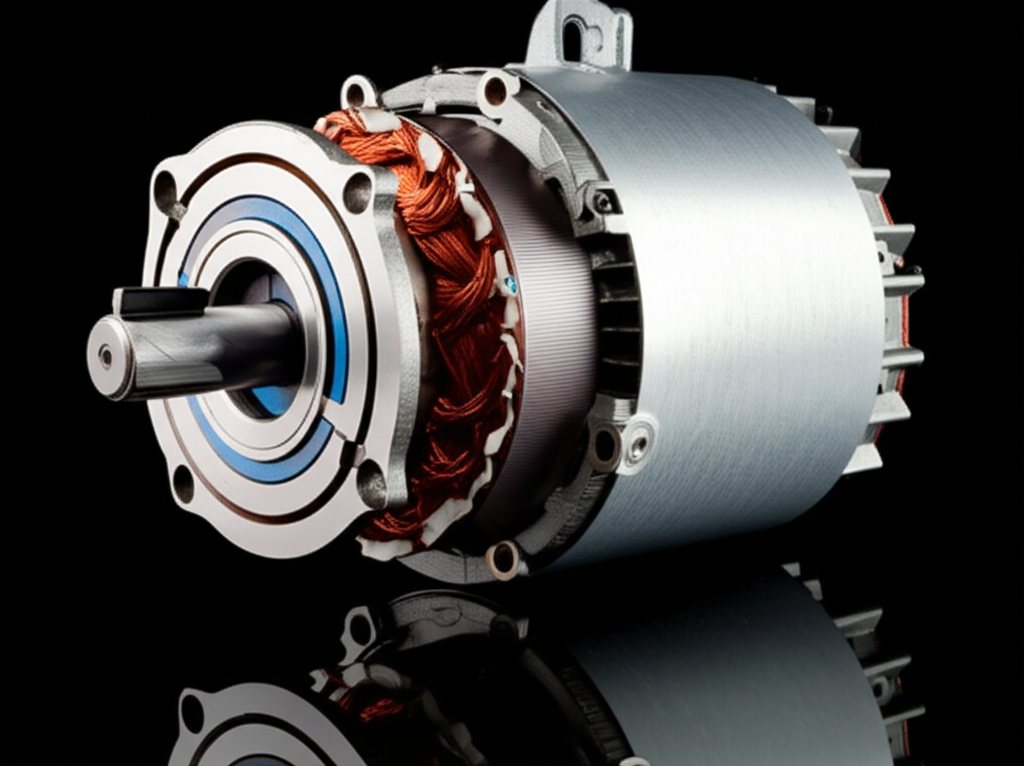
If you want a deeper look at how an alternator works inside your truck, you can read about the stator and rotor. The alternator needs tight clearances and good materials. Its cores use electrical steel laminations to cut heat and loss. That helps power your pumps, lights, and fans. If you love the nuts and bolts, you can also see how a stator core lamination improves motor efficiency.
Mods, tuning, and upgrade ideas
You can boost Raptor engine performance with smart mods. A tune unlocks more torque on the twin-turbo V6. A better intercooler helps with heat. Many owners add a higher-flow air intake. Others choose a refined Raptor exhaust system for sound and small gains. Raptor engine upgrades can also include turbochargers and fuel system parts.
Raptor engine mods can affect reliability. Pick parts with a track record. Roush Performance and Hennessey Performance both offer kits and packages. A Ford Performance calibration keeps warranty in many cases. Always test after mods. Use a wideband and log data. Keep knock away. Make sure your 10-speed automatic shifts clean after changes.
How does the Raptor compare to TRX and others?
The Ram TRX engine is a 6.2L supercharged V8. Fans call it a Hellcat engine. It makes huge power. The Raptor R’s 5.2L Supercharged V8 meets it head on. Both trucks sprint like sports cars. The TRX weighs more. The Raptor often feels lighter over rough ground. The EcoBoost V6 Raptor undercuts both on weight and fuel use.
Want to look beyond Ram? General Motors does not build a direct TRX or Raptor on the Silverado at this level. Stellantis owns Ram. Ford Motor Company builds the Raptor with Ford Performance oversight. The Shelby GT500 engine is the cousin to the Raptor R’s Predator V8. The Coyote V8 shows up in the F-150 and Ford Mustang, not in the standard Raptor. Ford’s F-150 engine options remain wide. The Raptor picks the motors and tune that fit off-road best.
What is next for Raptor engines?
The future looks bold. Ford will refine EcoBoost technology. I expect cooling and control upgrades. We may see more torque with better fuel use. The Raptor V8 option should stay in the Raptor R if buyers keep asking.
People ask about an Electric Raptor engine. That idea is speculative now. Hybrids and full EV trucks are coming fast. The Raptor may one day use motors with instant torque. If you want a simple primer on how electric motors work, read this clear explainer on the motor principle. For now, the Raptor stays gas powered. Future Raptor engines may blend tech to keep power high and weight low.
Quick answers to hot questions (optional FAQ)
- What engine is in the new Raptor? The 3.5L High-Output EcoBoost V6 in the standard truck. The 5.2L Supercharged V8 in the Raptor R.
- Is the Raptor V6 good? Yes. It makes more torque than the old 6.2L V8 and feels quick.
- Why did Raptor go V6? Weight, efficiency, and more torque across the rev range.
- Does the Raptor have a V8? The Raptor R does. It uses the 5.2L Supercharged Predator V8.
- Which is faster, Raptor or TRX? The Raptor R runs neck and neck with TRX in many tests.
- Best Raptor engine year? Many love the 2017+ EcoBoost for speed and the 2023+ Raptor R for power.
- What is the Raptor 0-60 time? About 5.2 seconds for the EcoBoost. About 3.9-4.0 seconds for the Raptor R. Times vary.
- What about Raptor fuel economy? The EcoBoost does about 16-17 mpg combined. The Raptor R does about 12 mpg combined.
- Can I tune my Raptor? Yes. Work with trusted tuners. Watch heat and knock. Keep maintenance tight.
Keyword and concept guide for curious readers
Below is a quick scan list you can skim. It ties terms you may see to the Raptor story. It also helps you compare engines, years, and tech.
- Ford Raptor engine
- Raptor motor specs
- F-150 Raptor engine
- Gen 2 Raptor engine
- Gen 3 Raptor engine
- Raptor R engine
- 3.5L EcoBoost Raptor
- High-Output EcoBoost
- Raptor V6 vs V8
- Ford Raptor horsepower
- Raptor torque
- 5.2L Supercharged V8
- Predator engine Raptor
- Does the Raptor have a V8
- What engine is in the new Raptor
- Raptor engine sound
- Ford Performance engine
- Raptor EcoBoost issues
- Raptor engine reliability
- Twin-turbo V6 Raptor
- 2021 Raptor engine
- 2022 Raptor engine
- 2023 Raptor engine
- Bronco Raptor engine
- Raptor engine displacement
- Raptor engine type
- Raptor engine oil
- Raptor fuel economy
- Raptor towing capacity
- Raptor 0-60 time
- Raptor engine upgrades
- Raptor engine mods
- Why did Raptor go V6
- Is the Raptor V6 good
- V8 Raptor release date
- Raptor engine comparison
- Ram TRX engine
- F-150 EcoBoost engine
- Shelby GT500 engine
- V6 EcoBoost performance
- Supercharged Raptor engine
- Ford truck engines
- Raptor powertrain
- Raptor transmission
- 10-speed automatic Raptor
- Off-road truck engine
- Desert racing engine
- Raptor engine noise
- Raptor exhaust system
- Raptor intercooler
- Raptor turbochargers
- Raptor engine code
- F-150 Raptor engine choices
- Raptor engine review
- Raptor engine problems
- Common Raptor engine issues
- Raptor engine maintenance
- What kind of V8 is in the Raptor R
- Raptor engine specifications
- Is the Raptor R a V8
- Raptor engine years
- Original Raptor engine
- First generation Raptor engine
- Second generation Raptor engine
- Third generation Raptor engine
- Raptor engine history
- Evolution of Raptor engine
- Ford Raptor engine performance
- Raptor engine durability
- Raptor engine pros and cons
- EcoBoost V6 vs Predator V8
- Raptor engine architecture
- Ford F-150 engine options
- Raptor engine manufacturing
- Ford’s high-performance V6
- Raptor V8 option
- Raptor engine technology
- Direct injection Raptor engine
- Twin independent variable cam timing (Ti-VCT)
- Raptor engine cooling system
- Raptor engine air intake
- Aftermarket Raptor engine parts
- Raptor engine tuning potential
- Raptor engine for sale
- Remanufactured Raptor engine
- Ford Raptor engine rebuild
- Cost of Raptor engine
- Raptor engine weight
- Ford’s most powerful truck engine
- Raptor engine sound clip
- Best Raptor engine year
- Raptor gas mileage
- Raptor engine differences
- Raptor engine upgrade kits
- Future Raptor engines
- Electric Raptor engine (speculative)
- Raptor engine block material
- Raptor engine compression ratio
- Raptor engine bore and stroke
- Raptor engine firing order
Entities covered in this guide:
- Ford Raptor
- F-150 Raptor
- Raptor R
- Bronco Raptor
- Gen 1 Raptor
- Gen 2 Raptor
- Gen 3 Raptor
- 3.5L EcoBoost
- High-Output EcoBoost
- Predator V8
- 5.2L Supercharged V8
- 6.2L V8 (first gen)
- Ford Performance
- Ram TRX
- Hellcat engine (comparison)
- Shelby GT500
- V6 engine
- V8 engine
- Twin-turbochargers
- Supercharger
- 10-speed automatic transmission
- Ford Motor Company
- Coyote V8
- F-150
- Pickup truck
- Off-road truck
- Desert racing
- Ford Mustang
- General Motors
- Stellantis
- EcoBoost technology
- Direct injection
- Ti-VCT
- Aluminum block
- Iron block
- Roush Performance
- Hennessey Performance
- Baja 1000
- King of the Hammers
- Fox Racing Shocks
- BFGoodrich Tires
- 2021 model year
- 2022 model year
- 2023 model year
- 2024 model year
- 2010 model year (Gen 1 launch)
- Engine displacement
- Horsepower (HP)
- Torque (lb-ft)
- RPM
Using PAS to guide your choice
Problem: You face a wall of specs. You see Gen 1 V8, Gen 2 and Gen 3 EcoBoost V6, and the Raptor R V8. You feel stuck.
Agitate: A wrong choice can cost you money, time, and joy. You might buy too much power or not enough. You might chase sound and lose the torque you need.
Solution: Match engine to need.
- Daily driver with off-road trips: pick the 3.5L High-Output EcoBoost. It blends power and mpg. It feels light and fast.
- Desert speed and V8 rumble: pick the Raptor R with the 5.2L Supercharged V8. It brings max fun and supercharger whine.
- Older classic feel: a clean 6.2L Boss V8 truck. It has that strong, classic V8 roar and a simple layout.
A short tech detour you can skip or save
Some readers ask about engine internals. They want to know about engine block material. Many truck engines use an aluminum block or iron block depending on version. They ask about compression ratio, bore and stroke, and firing order. They ask about engine code and RPM limits. Those details change by year and tune. You can check Ford’s official specs by model year for the exact numbers. If you want to go deep on electric machines and materials, you already saw the links to stators and laminations above. They help explain how electrical parts like the alternator stay cool and efficient.
References
- Ford Motor Company. F-150 Raptor and Raptor R official pages and press kits: https://www.ford.com/trucks/f150/raptor/ and https://media.ford.com
- U.S. EPA Fuel Economy. Official MPG data: https://www.fueleconomy.gov
- Car and Driver. Tested performance numbers for Raptor and Raptor R: https://www.caranddriver.com
- MotorTrend. Comparison tests and specs: https://www.motortrend.com
- Ford Performance. Technical notes and calibrations: https://performanceparts.ford.com
Key takeaways
- The standard F-150 Raptor uses a 3.5L High-Output EcoBoost V6 with twin-turbochargers and a 10-speed automatic.
- The Raptor R uses a 5.2L Supercharged Predator V8 derived from the Shelby GT500.
- Gen 1 ran V8s: the 5.4L Triton early and the 6.2L Boss V8 from 2010-2014.
- The Bronco Raptor runs a tuned 3.0L EcoBoost V6.
- The V6 is lighter and makes big torque. The V8 R brings top-end power and sound.
- Fuel economy favors the EcoBoost V6. The Raptor R trades mpg for 700 HP.
- Care matters: oil, cooling, intake, intercooler, and turbo health keep power high.
- Roush and Hennessey offer reputable upgrades. Tune with care and log data.
- TRX equals the Raptor R on power. The EcoBoost Raptor wins on weight and efficiency.
- The future may bring more EcoBoost advances and maybe electric help one day.