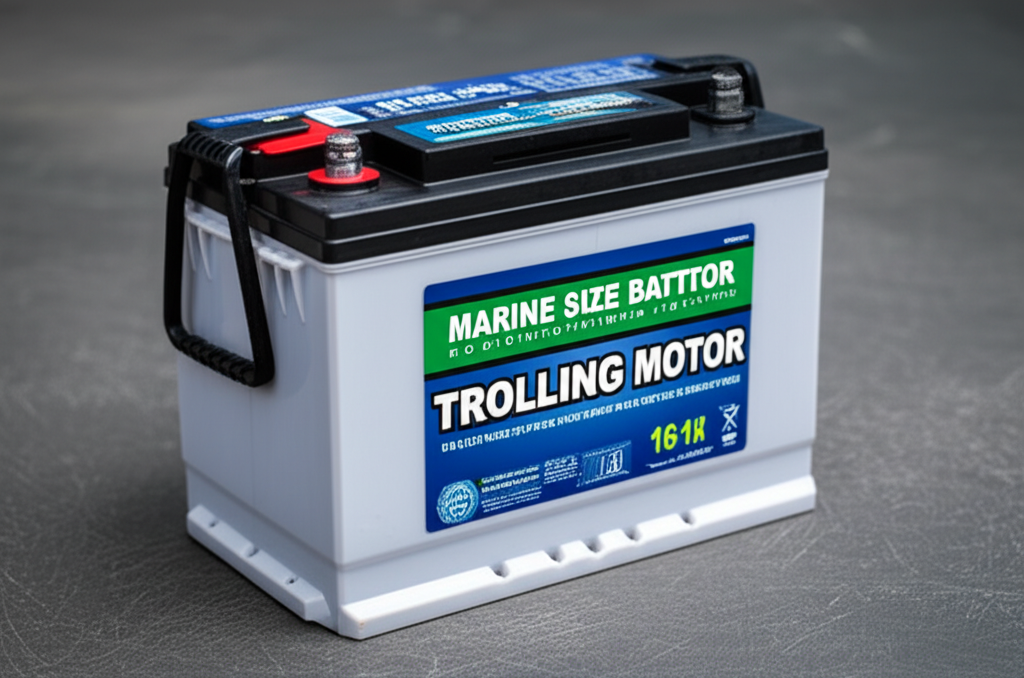
What Size Battery for Trolling Motor? The Ultimate Guide to Powering Your Ride
Table of Contents
- Understanding Your Trolling Motor’s Power Needs
- Trolling Motor Voltage (12V, 24V, 36V)
- Thrust Rating and Amp Draw
- Desired Run Time: How Long Do You Need Power?
- Choosing the Right Battery Type: Lithium vs. Lead-Acid
- Lithium Iron Phosphate (LiFePO4)
- Lead-Acid Deep Cycle Batteries (Flooded, AGM, Gel)
- Calculating Required Battery Capacity (Amp-Hours)
- The Basic Formula: Amp Draw x Hours
- Accounting for Depth of Discharge
- Real-World Example Calculations
- Battery Configuration for Multi-Voltage Motors
- Series Wiring for 24V and 36V Systems
- Parallel Wiring for Extended Run Time
- Essential Wiring Safety and Best Practices
- Other Crucial Considerations
- Battery Group Size and Physical Fit
- Weight Distribution and Boat Performance
- Charging and Maintenance
- Budget vs. Long-Term Value
- Quick Recommendations by Boat Type and Use Case
- Frequently Asked Questions
- Conclusion: Making Your Final Battery Decision
I remember the first time I asked myself what size battery for a trolling motor I needed. I had a 55 lb thrust motor on my jon boat and I figured any “marine” battery would do. It didn’t. Halfway through a windy day the motor sagged then it just quit. I limped back on the paddle and I promised I’d never guess again. Since then I’ve set up batteries for kayaks, jon boats, and bass boats. I’ve tested lead-acid against lithium. I’ve wired 24V and 36V systems in series. I’ve learned what lasts and what leaves you stranded. This guide distills those lessons so you can pick the right battery the first time.
Understanding Your Trolling Motor’s Power Needs
Before you buy anything you need to match three things. Your motor’s voltage. Your motor’s thrust and amp draw. Your desired run time. Get those right and the rest falls into place.
Trolling Motor Voltage (12V, 24V, 36V)
Manufacturers rate trolling motors by voltage. Most small to mid motors run on 12V. Step up in thrust and you’ll see 24V. The big boys like 100–112 lb thrust models run on 36V.
- 12V motor: one 12V battery
- 24V motor: two 12V batteries wired in series
- 36V motor: three 12V batteries wired in series
Voltage affects how many batteries you need. It does not change the amp-hours of the series string. Two 12V 100Ah batteries in series create a 24V 100Ah system. Three in series give a 36V 100Ah system. You raise voltage. You keep Ah the same. That detail trips people up.
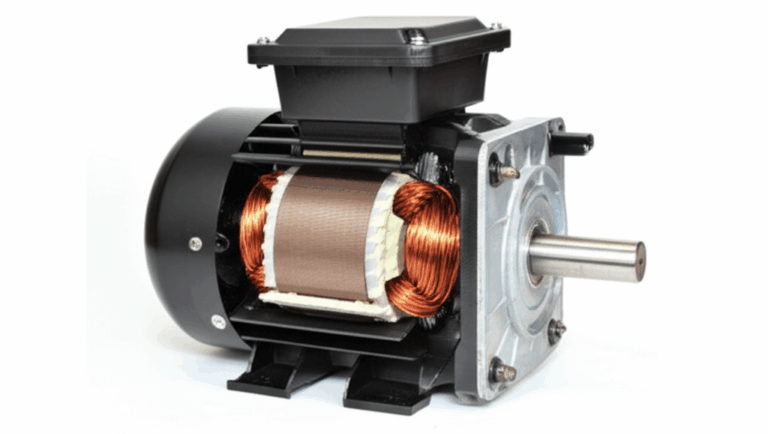
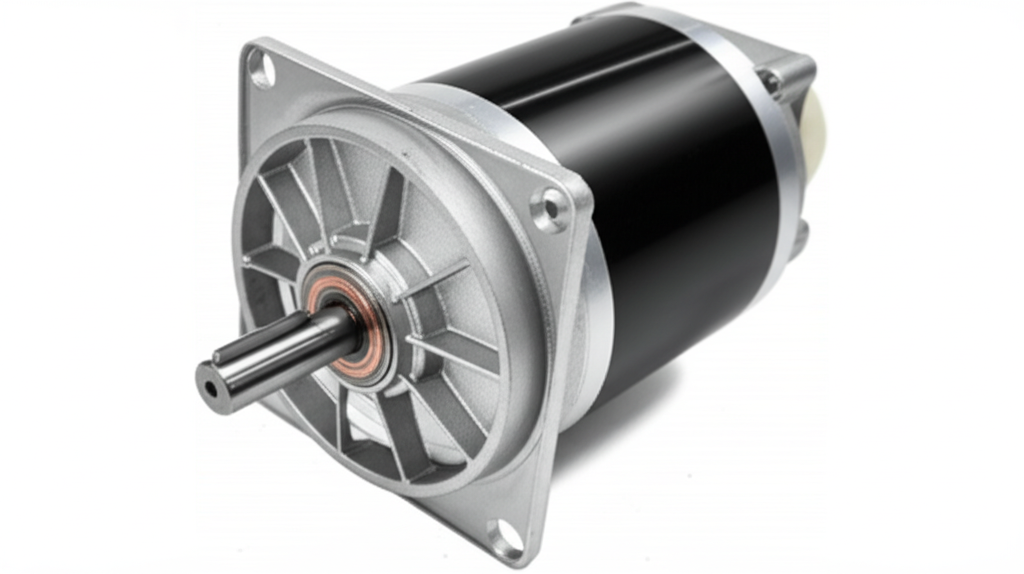
If you’re curious about what’s going on inside the motor itself you can read the basics of the motor principle. Your prop gets thrust when the stator energizes and the rotor reacts to the magnetic field. That physics never changes even when we change battery chemistry.
Thrust Rating and Amp Draw
More thrust usually means more current draw at full power. I say usually because some motors are more efficient than others. Brushless models like Garmin Force and Lowrance Ghost can deliver the same thrust with less current at a given speed.
Typical max amp draw ranges I see on spec sheets and in the wild:
- 12V 55 lb thrust: roughly 40–50A at full power
- 24V 80 lb thrust: roughly 40–56A at full power
- 36V 100–112 lb thrust: roughly 46–56A at full power
You rarely run at full speed all day. On a calm lake I cruise at speed 2–4 on a 55 lb motor and I pull about half the max current. Wind and current change the math fast. Add a loaded cooler and a buddy and the draw climbs again.
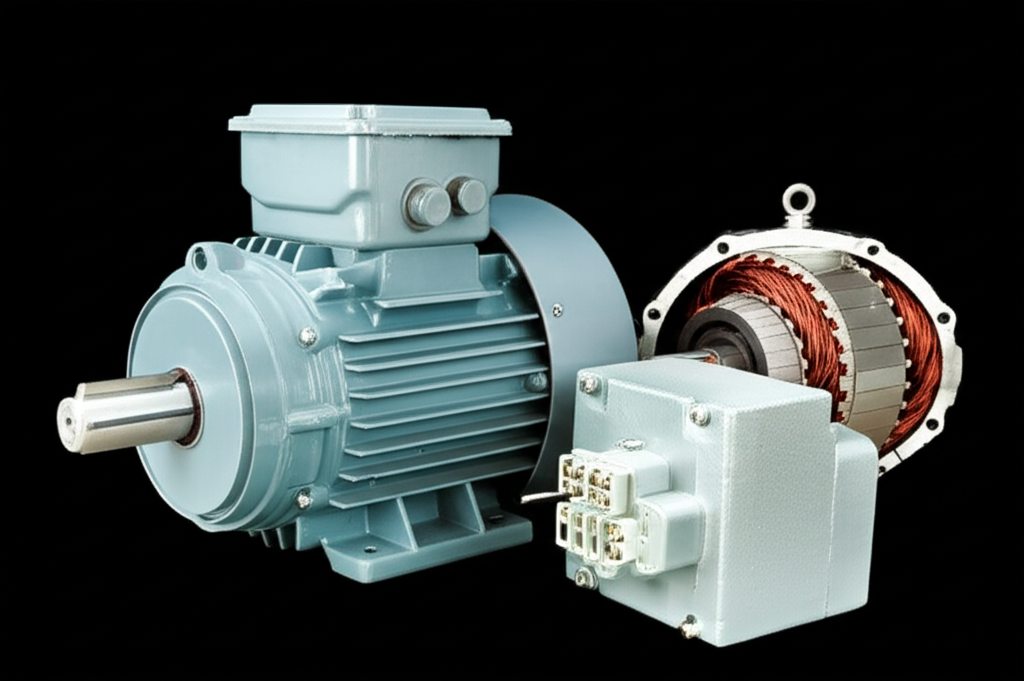
One more geeky note. The heart of your motor includes a stator and a rotor. Efficiency starts there. If you want a quick primer on why some motors sag less under load check this short explainer on the stator and rotor.
Desired Run Time: How Long Do You Need Power?
Run time depends on three things.
- Average amp draw over the day
- Usable capacity of your battery or battery bank
- How far you’re willing to discharge the battery
I start by estimating hours on the water under typical conditions. My kayak plan is 3–4 hours with a light motor. My jon boat fishing day runs 5–6 hours. Tournament bass days can stretch to 8 hours or more with a 24V or 36V setup.
Conditions swing your average current more than you’d think.
- Speed setting and duty cycle
- Wind and current
- Boat type and hull drag
- Weight on board fuel coolers people gear
Know your day. That’s how you size with confidence.
Choosing the Right Battery Type: Lithium vs. Lead-Acid
You can run your trolling motor on either lithium iron phosphate or lead-acid deep cycle batteries. Both work. They feel very different on the water.
Lithium Iron Phosphate (LiFePO4) Batteries
What I love
- Lighter weight. A 100Ah LiFePO4 often weighs 25–35 lb. A similar lead-acid weighs 60–70 lb. My kayak sits higher and handles better with lithium.
- More usable capacity. You can safely use 80–100% of rated Ah on many LiFePO4 packs. Lead-acid prefers staying above 50% to live a long life.
- Stable voltage. The motor holds speed longer since lithium voltage doesn’t sag as fast under load.
- Faster charging with a compatible charger.
- Long cycle life. Many quality LiFePO4 packs are rated 2000–5000 cycles to 80% DoD.
What to watch
- Higher upfront cost. Expect $500–$1000+ for a quality 100Ah pack.
- Charging in the cold. Many LiFePO4 batteries will not accept a charge below freezing unless they have low-temp charging features. The BMS protects the cells and can cut off charging by design.
- You need a lithium-compatible smart charger and sometimes a multi-bank charger if you run 24V or 36V.
Popular reliable brands from my experience and my circle: Dakota Lithium Battle Born Renogy Ampere Time (often rebranded as Litime). Warranty matters here because lithium is an investment. Read the fine print then read user reviews.
Lead-Acid Deep Cycle Batteries (Flooded, AGM, Gel)
What I appreciate
- Lower initial cost. You can pick up a 100Ah flooded deep cycle for $100–$200. AGMs often run $200–$400.
- Widely available. I can grab one at a big box store or a marine shop in a pinch.
Tradeoffs
- Heavy. Two group 31 AGMs in a 24V system can add 120–140 lb to the bow. My bow rides lower and I feel it.
- Less usable capacity. Plan on roughly 50% usable Ah if you want decent cycle life.
- Voltage sag under load. You’ll feel the motor slow down as the day goes on even with capacity left.
- Slower charging and more maintenance for flooded batteries.
Types at a glance
- AGM (Absorbent Glass Mat): Maintenance-free robust and resilient against vibration. Good choice if you stick with lead-acid.
- Flooded (Wet Cell): Cheapest and proven. Requires topping off electrolyte and proper ventilation. Can spill if tipped.
- Gel Cell: Spill-proof and good for slow discharge. Sensitive to charging voltages. I rarely choose gel for trolling motors because many chargers do not have a gel profile.
Brands I’ve used without drama: VMAXTANKS Optima Trojan EverStart Marine Interstate Batteries. I buy from places that honor warranties like Bass Pro Shops and Cabela’s.
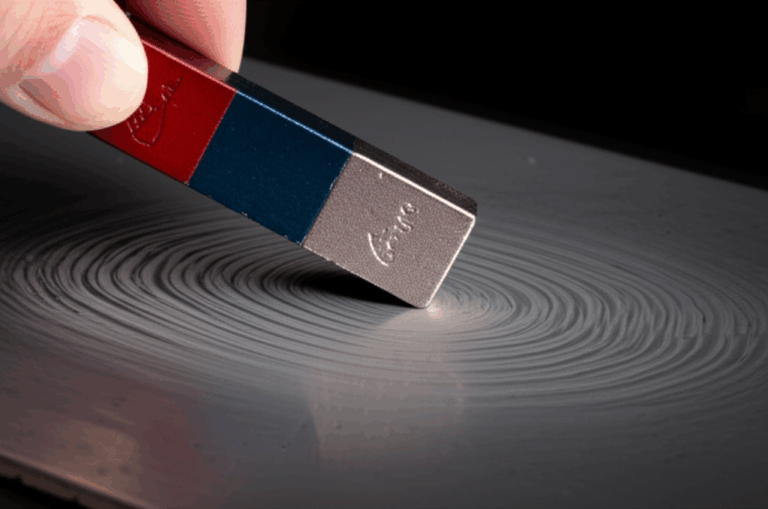
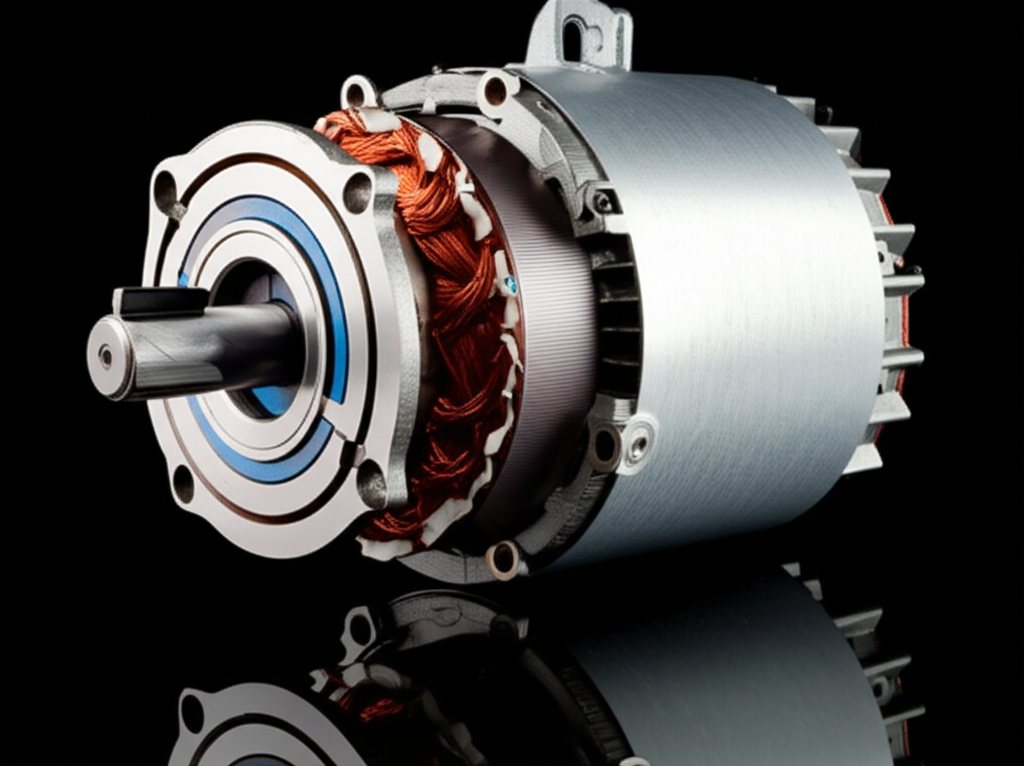
A quick aside for the curious. Motor efficiency doesn’t just come from electronics. It also comes from the quality of magnetic parts inside. If you like to dig into the nuts and bolts you can skim how motor core laminations and the materials behind them reduce losses. Those small improvements roll up to smoother power and better run time on the water.
Calculating Required Battery Capacity (Amp-Hours)
I size batteries with a simple formula. Then I add a buffer.
The Basic Formula: Amp Draw x Hours = Ah
Required Ah ≈ average amp draw x desired run time
If my 12V 55 lb motor averages 25A during the day and I want 4 hours
- Required Ah = 25A x 4h = 100Ah
- Add a buffer. I like 20% for wind and surprises
- 100Ah x 1.2 ≈ 120Ah required
That number means different things for different chemistries because not all 100Ah batteries give you 100Ah of usable capacity.
Accounting for Depth of Discharge (DoD)
- Lead-acid deep cycle: Use 50% of rated Ah for long life. A 100Ah AGM gives you roughly 50Ah usable. You can pull more but you trade battery life.
- LiFePO4: Many packs allow 80–100% DoD thanks to a built-in Battery Management System (BMS). I still leave padding for wind and current.
If I need 100Ah usable to hit my run time
- Lead-acid choice: 200Ah rated bank because only half is usable
- LiFePO4 choice: 100–125Ah rated bank because most is usable
DoD is the secret sauce behind why a 60Ah lithium can feel like a 100Ah lead-acid on the water. It is not magic. It is usable capacity.
Real-World Example Calculations
Example 1: 12V, 55 lb thrust, 4 hours
- Average draw: 25A on speed 2–3 with occasional bursts
- Required Ah baseline: 25A x 4h = 100Ah
- Add 20% buffer: 120Ah target usable
Battery options
- Lead-acid: One 12V 120–150Ah deep cycle (group 27 or group 31). Realistically a 100Ah lead-acid may give you 2–3 hours at this draw since only 50Ah is usable.
- LiFePO4: One 12V 100–125Ah pack. I’ve run a 100Ah lithium on a 55 lb motor for 4 hours many times without drama.
Example 2: 24V, 80 lb thrust, 6 hours
- Average draw: About 28A at normal fishing speeds across a 24V system
- Required Ah baseline: 28A x 6h = 168Ah
- Add 20% buffer: ≈ 200Ah usable at 24V
Remember series wiring keeps Ah the same
- Lead-acid: Two 12V 200Ah deep cycles in series to get 24V 200Ah. That is a heavy setup and not common. Many anglers choose two 12V 100Ah AGMs in series which yields 24V 100Ah. That gives about half the run time of our target. You can still fish a day if your average draw is lower or you manage speeds.
- LiFePO4: Two 12V 100Ah lithium in series yield 24V 100Ah usable. With lithium’s deeper DoD and stable voltage I’ve seen 6 hours on two 100Ah packs when you run moderate speeds not max thrust in wind all day. If you want no-compromise run time use two 125Ah or two 150Ah lithiums.
If you prefer thinking in watt-hours multiply Ah by system voltage
- 24V 100Ah = 2400Wh
- 36V 100Ah = 3600Wh
This helps when you compare cross-voltage setups or when you evaluate solar charging plans.
Battery Configuration for Multi-Voltage Motors
You size the bank. Now wire it right.
Series Wiring for 24V and 36V Systems
- 24V system: Battery A positive to motor positive. Battery A negative to Battery B positive. Battery B negative to motor negative. This stacks voltage and leaves Ah unchanged.
- 36V system: Same idea with three batteries in series. A negative to B positive. B negative to C positive. A positive to motor positive. C negative to motor negative.
Mark cables and use color-coded heat shrink so you never mix them up. I label battery 1 2 3 with a paint pen and I note which lug goes where. Future me thanks past me every time.
Parallel Wiring for Extended Run Time (Same Voltage)
Parallel connects positives together and negatives together. Voltage stays the same. Ah increases. I use parallel only on 12V motors when I want more run time without changing the motor. Two 12V 100Ah batteries in parallel give you 12V 200Ah.
Parallel doubles the short-circuit current potential. Fuse each battery’s positive lead individually before you tie them together. It costs a bit more and it protects the boat if one battery or cable fails.
Essential Wiring Safety and Best Practices
- Circuit breaker: Install a marine-rated breaker sized to the motor’s max current near the battery. Minn Kota recommends 50A for many 12V motors and 60A for higher draw models. Check your manual.
- Fuses: Fuse each battery positive if you run parallel. Use ANL or MRBF fuses for clean installs.
- Marine grade wiring: Use tinned copper and the right gauge. For 12V 55 lb runs keep cable short and go 6 AWG if the run exceeds about 10 feet. Big motors and long runs benefit from 4 AWG. Check your motor manual for recommendations.
- Terminals: Use crimped and heat-shrunk lugs not bare ring terminals with electrical tape.
- Quick disconnects: I like plug-style quick disconnects for kayaks and small boats. They make storage and charging easier.
- Battery boxes and ventilation: Flooded batteries produce gas when charging so they need vented boxes. Lithium and AGM are sealed and can sit in tighter spaces yet still give them breathing room.
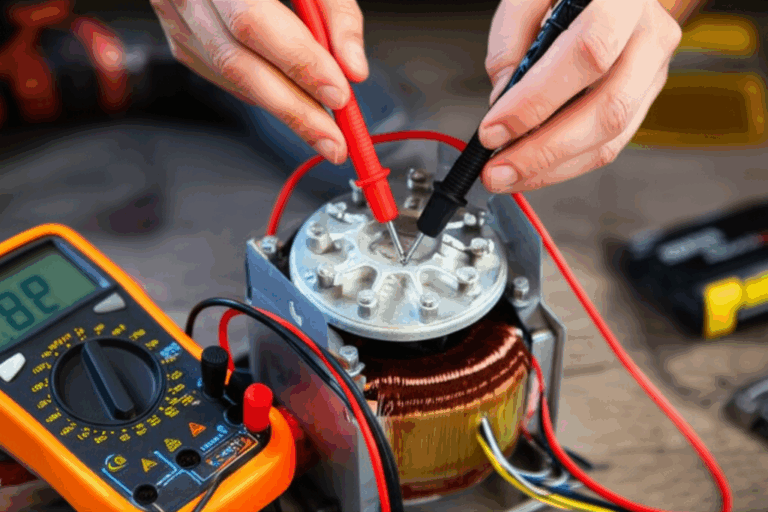
- Polarity checks: Test with a multimeter before you connect the motor to a new bank. I always confirm voltage and polarity.
Other Crucial Considerations
The right size isn’t only about Ah. Physical size weight charging and cost matter too.
Battery Group Size and Physical Fit
Marine batteries follow group sizes. These define length width and height.
- Group 24: Smaller footprint often 70–85Ah in lead-acid
- Group 27: Mid size often 90–105Ah in lead-acid
- Group 31: Larger footprint often 100–125Ah in lead-acid
Measure your compartment before you buy. I’ve seen too many returns caused by a lid that won’t close. Check clearance for cables and the breaker too.
Weight Distribution and Boat Performance
Weight up front keeps the bow planted in chop. Too much weight makes the bow plow. Lithium shines here. Swapping two group 31 AGMs for two 100Ah LiFePO4 batteries often sheds 70–90 lb. My boat pops on plane faster and it drafts less. Kayaks benefit even more. Less weight means easier paddling if your motor quits.
Charging and Maintenance
Good charging practices make or break battery life.
- Smart charger for deep cycle: Use a charger with correct profiles. AGM prefers different voltages than flooded. Lithium needs a lithium profile and BMS-friendly taper. Multi-bank chargers keep each battery happy in a 24V or 36V setup.
- Charging speed: Lead-acid can take 8–12 hours from low state of charge. Lithium can charge in 2–4 hours with the right current.
- Low-voltage cutoff: Lithium BMS may cut the pack off to protect cells. Your motor may also have a low voltage warning. Stop before the cutoff to avoid surprise shutdowns.
- Solar charging: A compact panel and MPPT controller can top off between trips. I run a 100W panel on my kayak cart. It does not replace a shore charger after a long day but it reduces self-discharge.
- Generator charging: On multi-day remote trips a small inverter generator plus a smart charger keeps banks topped up. I only run it on shore and away from fuel and dry grass.
- Battery maintenance: Flooded batteries need regular electrolyte checks and distilled water. Keep terminals clean. Periodic equalization charging on flooded batteries can balance cells yet follow the manufacturer’s guidance. AGM and lithium do not need watering.
- Winterizing: Store batteries fully charged in a cool dry place. Charge once a month for lead-acid. Lithium has low self-discharge so I top it to about 50–70% and check monthly. Some lithium packs include built-in low temperature charging protection which helps in cold garages.
Budget vs. Long-Term Value
Let’s talk money. A $180 lead-acid 100Ah can look like a steal. If you use 50Ah per trip and you fish often you will cycle it hard. Many flooded or AGM batteries last 200–800 cycles depending on depth of discharge and care. Do the math over three seasons and lithium starts to look like good value because a 100Ah LiFePO4 can deliver thousands of cycles.
Total cost of ownership matters.
- Upfront price
- Usable capacity per dollar
- Cycle life at your typical DoD
- Weight and performance gains that improve your day
Warranty and brand support matter too. I’ve had excellent experiences with Dakota Lithium and Battle Born warranties. I also know anglers who love their VMAXTANKS AGMs due to reliability and replacement ease. Read user reviews then match your usage and climate to the right chemistry.
Quick Recommendations by Boat Type and Use Case
You know your water and your days better than I do. Use these as starting points not hard rules.
Kayak trolling motor battery
- Light use 2–3 hours calm lakes: 12V 50Ah LiFePO4 or 12V 100Ah lead-acid
- All-day use or strong current: 12V 100Ah LiFePO4
Jon boat 12V 45–55 lb thrust
- Weekend angler 3–4 hours mixed speeds: 12V 100–125Ah LiFePO4 or 12V 150Ah AGM/flooded
- Budget build 2–3 hours: 12V 100Ah AGM
- Heavy wind days and long drifts: 12V 125Ah LiFePO4
Bass boat 24V 70–80 lb thrust
- Tournament days 6–8 hours mixed speeds: Two 12V 100–125Ah LiFePO4 in series. Or two 12V 120–150Ah AGM if you accept the weight penalty
- Casual days 3–5 hours: Two 12V 100Ah AGMs work if you keep speeds moderate
Big boat 36V 100–112 lb thrust
- Serious coverage 6–8 hours: Three 12V 100–125Ah LiFePO4 in series. Or three 12V 100–120Ah AGMs if weight is acceptable
Saltwater vs freshwater
- Saltwater does not change battery sizing directly. It changes corrosion risk and hardware. Use sealed batteries with clean terminals and apply corrosion inhibitor. Rinse everything after trips.
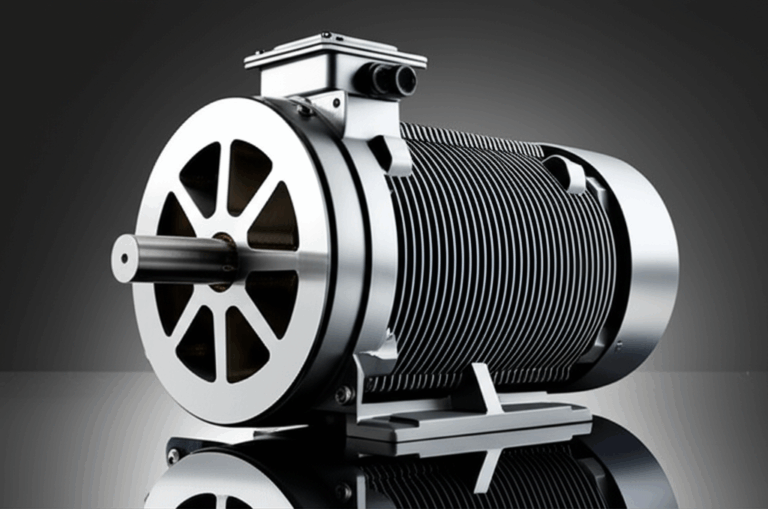
If you want to dive deeper into why motors draw what they draw under load you can skim how materials like electrical steel laminations influence magnetic efficiency. It is not required reading to pick a battery yet it helps explain why two motors with the same thrust can sip power differently.
Frequently Asked Questions
Can I use a car battery for my trolling motor?
I don’t. Starting batteries are built for short bursts of high current. Trolling needs steady deep discharge. You can burn through a starting battery fast. Use a deep cycle marine battery instead. Look for “deep cycle” not “cranking” and ignore CCA for trolling motor use.
How long do trolling motor batteries last?
It depends on chemistry and how deep you cycle them.
- Flooded deep cycle: Often 200–400 cycles to 50% DoD with good care
- AGM: Often 400–800 cycles to 50–80% DoD
- LiFePO4: Often 2000–5000 cycles to 80% DoD
Hot garages overcharging undercharging and sitting discharged all shorten life. Good charging and storage help more than anything.
What is the best brand for trolling motor batteries?
“Best” depends on your budget and needs. I’ve used and liked Dakota Lithium and Battle Born for lithium because of strong warranties and support. I’ve also had solid results with Renogy and Ampere Time for budget-friendly lithium. For lead-acid I trust VMAXTANKS Optima Trojan Interstate and even EverStart Marine for budget builds. Buy from vendors that stand behind warranties.
Should I carry a spare battery?
On kayaks and small jon boats a spare adds peace of mind. One 12V 50Ah lithium weighs little and can save a day. On big boats spares add a lot of weight so I size the bank right and keep it healthy. I also carry paddles and a whistle. Belt and suspenders.
How do I know when my trolling motor battery is low?
Watch for voltage sag and speed drop at a given setting. Many motors and lithium batteries include meters or app-connected monitors. You can add a small panel meter to watch voltage. Set a floor for yourself. I stop a lead-acid day above 50% state of charge to protect it. Lithium goes deeper but I still leave 10–20% in the tank to avoid BMS shutdowns in wind.
What about Reserve Capacity (RC) and Marine Cranking Amps (MCA)?
For trolling motor use I care about amp-hours and usable capacity. RC correlates with Ah on lead-acid yet Ah is easier to plan with. MCA and CCA tell you how a battery starts an engine in cold weather. That matters for starting batteries not for deep cycle trolling.
Can I run batteries in parallel for my 24V or 36V system to increase run time?
You can but it adds complexity. Most anglers size up Ah per battery instead. If you parallel banks then series them you must fuse each battery use identical batteries and keep charge cycles matched. I only recommend this if you understand the wiring and you need massive capacity.
How big should my circuit breaker be?
Match the motor maker’s recommendation. Many 12V 55 lb motors call for 50A. Many 24V 80 lb motors call for 60A. Check Minn Kota or MotorGuide manuals. Oversizing can reduce protection. Undersizing can cause nuisance trips.
What gauge wires should I use?
Short runs with 12V motors do well with 6 AWG. Long runs or higher-current setups benefit from 4 AWG. Use marine grade tinned copper. Voltage drop kills performance so bigger wire keeps speed and efficiency.
Can I charge different battery types with one charger?
Use matching profiles. Multi-bank chargers let you set each bank individually. Some chargers include profiles for flooded AGM gel and lithium. Never charge lithium with a basic unregulated trickle charger. Use a smart charger that follows the correct charge curve.
What about battery health monitoring?
Lithium packs often include a Bluetooth app for state of charge temperature and BMS protections. Lead-acid can use an external monitor that tracks shunt current and estimates state of charge. I use a simple voltmeter plus fishing sense. If the motor feels sluggish I slow down or head back.
How do temperature and weather affect performance?
Cold temperatures cut lead-acid capacity and raise internal resistance. Lithium voltage stays stable under load yet many lithium packs cannot charge below freezing unless equipped for low-temp charging. Hot weather can cook batteries if you leave them sealed in compartments without airflow. Ventilate boxes and avoid baking them on trailers.
How do I dispose of old batteries?
Recycle them. Marine shops and auto parts stores accept used lead-acid batteries and pay a core charge. Lithium batteries should go to approved recycling centers that handle LiFePO4. Do not throw batteries in the trash.
Conclusion: Making Your Final Battery Decision
If you want one clear way to pick the right size do this.
1) Confirm motor voltage. 12V needs one battery. 24V needs two in series. 36V needs three in series.
2) Find the motor’s max amp draw and estimate average draw for your fishing day. Use 40–50A max for many 12V 55 lb motors. Use 40–56A max for many 24V 80 lb motors. If you run brushless like Garmin Force or Lowrance Ghost you may draw a bit less at the same thrust.
3) Calculate needed Ah. Amp draw x hours then add 20% buffer.
4) Convert that to usable capacity. Lead-acid gives roughly 50% usable. Lithium gives 80–100% usable. Pick a bank that meets your usable capacity target.
5) Fit the bank. Check group size weight and compartment layout. Use proper wiring fuses and a breaker.
6) Charge with the right smart charger. Store it right. Get years out of your investment.
For quick reference
- 12V 55 lb thrust for 4 hours: target ~120Ah usable. That suggests a 12V 125Ah LiFePO4 or a 12V 200–240Ah lead-acid bank if you want to preserve life.
- 24V 80 lb thrust for 6 hours: target ~200Ah usable. Two 12V 125–150Ah LiFePO4 in series give headroom. Two 12V 100Ah lithiums can work with smart power management. Lead-acid would need much larger banks to match usable capacity and will be heavy.
- 36V 100–112 lb thrust for long days: three 12V 100–125Ah LiFePO4 in series handle almost anything short of constant max thrust in wind.
One last thought. Everything we do to pick a battery revolves around power in and power out. The motor turns electrical energy into thrust and heat. The better the materials and design the more thrust you get per amp. If that intrigues you take a minute to skim how electrical steel laminations and magnetic design shave losses at the core. It is a small edge yet it helps explain why one 80 lb motor can sip power while another gulps it.
Rig smart. Size for your day. Protect your wiring. Charge properly. Then enjoy a motor that quietly does its job while you focus on the fish.
Internal links included in this article:
- motor principle
- stator and rotor
- motor core laminations
- electrical steel laminations