What’s the Best Diesel Motor? My Hands-On Guide to Picking the Right Engine for You
Table of Contents
- Introduction: What “Best” Really Means in Diesel Engines
- The Criteria I Use to Judge a Diesel Motor
- Application
- Reliability and Longevity
- Performance (Horsepower and Torque)
- Fuel Efficiency
- Maintenance and Ownership Costs
- Purchase Price and Resale Value
- Emissions Systems and Compliance
- The Best Diesel Motors by Category
- Legendary Reliability and Longevity (Often Pre-Emissions)
- Best for Heavy-Duty Towing and Hauling (Modern Workhorses)
- Best for Fuel Efficiency and Passenger Vehicles
- Commercial and Industrial Powerhouses
- Generations and Known Issues You Should Understand
- Pre-Emissions Era
- Early Emissions Era
- Modern Emissions Era
- Engines and Components to Watch
- Real-World Summaries: Lifespan, Power, Torque, and Common Issues
- How I Maximize Diesel Longevity and Value
- Quick Picks for Common Scenarios
- FAQ: Lifespan, DEF and DPF, CP4, Pre-Emissions vs Modern, Diesel vs EVs
- A Short Note on Alternators, Generators, and “Motor” Basics
- Conclusion: Match the Diesel to the Job and You Win
Introduction: What “Best” Really Means in Diesel Engines
When someone asks me what diesel motor is the best, I always pause. Not because I don’t know diesels. I do. I pause because “best” changes with your job, your roads, and your patience for maintenance.
If you need a pickup to tow a fifth-wheel across the Rockies, your answer will look different than if you want a fuel-sipping commuter that hits 45 mpg. I’ve owned and driven old-school pre-emissions trucks, modern DEF-equipped heavy-duty rigs, and tidy little diesel cars. Each one had a moment where it made perfect sense. Each one had quirks that taught me something new.
So I’ll show you how I decide. I’ll share the diesel engines I trust for reliability, the ones I pick for towing, and the ones I avoid if I’m trying to keep costs down. I’ll keep it simple. I’ll speak from my own experience and from patterns I see again and again in the diesel world.
The Criteria I Use to Judge a Diesel Motor
Before I crown a “best” diesel engine, I sort the field using seven factors. I rank what matters for the job at hand. That mindset has saved me money and headaches.
Application
Start here. Do you want a pickup truck for towing or hauling heavy loads. A daily driver for long-distance commuting. A van or SUV for family and gear. An RV powerplant. A marine diesel. An industrial engine for equipment or generators. The best diesel for a Ram 3500 that drags equipment every week is not the best diesel for a compact car that knocks out 80 miles a day.
- Light-duty truck and pickup truck diesel engines
- Heavy-duty truck diesels for big towing
- Passenger vehicle diesels for economy
- Marine diesel engines
- Industrial and agricultural engines
- RV and generator applications
Reliability and Longevity
When I judge reliability, I look for:
- A strong reputation across many owners and high mileage examples
- Common failure points that are well-known and fixable
- Diesel engine lifespan expectations that reach 300,000 miles and beyond with proper care
- Good parts support for 10+ years
I also pay attention to the engine’s B10 life. That’s a durability metric some manufacturers use to estimate the miles at which 10% of engines might need overhaul. It’s not a guarantee. It gives a rough yardstick.
Performance (Horsepower and Torque)
Torque moves heavy loads. Horsepower holds speed on grades and helps acceleration. I care about the diesel engine torque curve more than peak horsepower for towing. Modern diesels have impressive numbers that make work feel easy.
Fuel Efficiency
You’ll see real differences in mpg. A VW TDI might hit 40 to 50 mpg. A heavy-duty diesel pickup under tow will live in the teens. I separate empty-highway mpg from towing mpg because they tell different stories.
Maintenance and Ownership Costs
Maintenance makes or breaks diesel ownership. I look at:
- Oil change intervals and capacity
- Fuel filter and air filter service
- Emissions system maintenance: diesel particulate filter (DPF), diesel exhaust fluid (DEF), and exhaust gas recirculation (EGR)
- Common rail diesel reliability in the context of fuel quality and injector life
- Cost of injectors, high-pressure pumps, turbochargers, and sensors
Purchase Price and Resale Value
Some diesel engines command a premium. Some hold value like gold. If I plan to keep a truck for 10 years, the initial hit might not matter. If I flip vehicles every few years, I want resale strength.
Emissions Systems and Compliance
Pre-emissions diesel engines are simpler. Modern diesel engine technology runs cleaner and often pulls harder. If you live in a region with strict emissions rules, you’ll want a factory-compliant setup that you can maintain. Understand the implications of DEF, DPF regens, EGR coolers, and related sensors.
The Best Diesel Motors by Category
I group diesel engines by what they do best. That makes real-world decisions easier.
Legendary Reliability and Longevity (Often Pre-Emissions)
When someone asks me for the most reliable diesel engine, I usually reach for a pre-emissions classic or a clean late pre-emissions generation. Fewer electronics, minimal emissions equipment, and simple designs win the longevity race if you maintain them.
- Cummins 5.9L ISB (1989–2007)
The “million mile” legend. Inline-six simplicity. Easy to work on. Strong bottom end. Great parts support. Known issues like KDP on early models and VP44 injection pump on 98.5–02 trucks are well-documented and fixable. If you want a long lasting diesel motor with a cult following, this is it.
- Ford 7.3L Power Stroke (1994.5–2003)
Another ironclad choice. HEUI injection with a high-pressure oil pump (HPOP). Not the most powerful by modern standards. It keeps chugging though. Plan for HPOP leaks, injector O-rings, cam position sensors, and glow plugs. I love how forgiving and serviceable these engines feel.
- Duramax 6.6L LBZ (2006–2007 Classic)
Clean winner for people who want modern manners without DPF. Strong performance and very good reliability. Often paired with the Allison transmission which shifts clean and holds torque. Early Duramax LB7 injectors had problems. The LBZ generation stands out for durability and power.
- Mercedes-Benz OM606
A classic inline-six diesel that built a reputation for durability in passenger cars. Mechanical charm with long-term reliability when maintained. Great in niche builds and swaps for folks who like old-school Mercedes engineering.
- VW 1.9L TDI (ALH/BEW)
If you want the best value diesel engine for a small car, this is the one I recommend. The 1.9 ALH has excellent fuel economy and impressive longevity if you keep up with timing belts and filters. I’ve seen well-kept examples cross 300,000 miles with plenty left.
Best for Heavy-Duty Towing and Hauling (Modern Workhorses)
If you pull big weight often, modern diesels make the job feel easy. You get massive torque and refinement. You also accept more complexity and emissions systems to maintain.
- Cummins 6.7L (2007.5–Present)
Ram’s inline-six still sets the standard for low-end grunt. The newest trucks boast huge torque numbers and excellent tow ratings. Early engines saw turbo actuator and injector issues. Emissions equipment adds maintenance but the platform remains a towing benchmark.
- Ford 6.7L Power Stroke (2011–Present)
Ford’s in-house diesel brought quiet, refined power that runs hard. Top-tier horsepower and torque in recent years. Early 2011–2014 turbos had failures. Many pre-2020 trucks used the Bosch CP4 high-pressure fuel pump which can fail and send metal through the fuel system. Ford later addressed this. If you want pulling muscle with a quiet cabin, this engine is a contender.
- Duramax 6.6L L5P (2017–Present)
GM’s L5P is a powerhouse. Strong stock output and a smooth powerband. The Allison-branded transmissions paired to GM HD trucks help with drivability and durability. Emissions systems add complexity like any modern diesel. Reliability has been strong in my circle.
Best for Fuel Efficiency and Passenger Vehicles
If your priority is mpg with decent torque, these diesel engines shine in smaller platforms.
- VW TDI (various modern generations)
From the ALH era to later common-rail TDIs, Volkswagen built a reputation for efficient diesel cars. The modern common rail diesel engines run smooth and quiet. Timing belt discipline and fuel quality matter.
- Mercedes-Benz BlueTEC / OM651
Mercedes focused on refined power delivery and strong efficiency. Maintenance matters more on these. Follow service intervals and fuel filter changes on time.
- Toyota D-4D (1KD-FTV and relatives)
In markets outside the US, Toyota’s 1KD-FTV in Hilux and Land Cruiser Prado earned a reputation for robust performance and economy. These engines deliver a great balance of torque, reliability, and fuel use for global overland travel.
Commercial and Industrial Powerhouses
When I work with heavy equipment or fleet trucks, I keep coming back to proven names and models.
- Caterpillar (C7 and others)
In industrial and marine use, Cat diesels hold a strong reputation. The C7 had emissions-era changes that added complexity. In the right application with good maintenance they earn their keep.
- Detroit Diesel Series 60
A legend in heavy-duty trucking. Long service lives with strong parts support. Fleet managers love that combination.
- John Deere, Perkins, Kubota
In agriculture and smaller industrial applications, these manufacturers deliver reliable diesels that run for years with basic maintenance. I see them in tractors, generators, and compact equipment everywhere.
- Volvo Penta
A go-to name in marine diesel engines. Good power density and long-term durability when serviced correctly. Salt and storage habits matter a lot on boats. More on that in the longevity section.
Generations and Known Issues You Should Understand
Not all diesel engines live under the same rules. The emissions era changed the game.
Pre-Emissions Era
Think simple. Less electronics. No DPF. No DEF. Minimal EGR or none. These engines often last longer because fewer parts can fail. You give up some power, refinement, and cleanliness. You may face emissions inspections that complicate ownership in some regions.
Early Emissions Era (roughly 2003–2010)
EGR arrived to cool NOx emissions. Some platforms added DPF later. This was a learning phase for many manufacturers. Reliability took a hit on some engines.
- Ford 6.0L Power Stroke (2003–2007)
Strong potential yet infamous for EGR cooler failures, head gasket issues, oil cooler clogs, and FICM problems. You can bulletproof a 6.0 with upgraded studs, coolers, and tuning. It still demands more attention than others. If you want low drama, I avoid this engine unless it’s already been properly handled with documents to prove it.
- Early Duramax Injectors (LB7)
LB7 trucks saw injector failures. Many had updated injectors under warranty. If the work was done with quality parts and you have records, they can be solid trucks.
Modern Emissions Era (2011–Present)
DEF arrived alongside more advanced DPF and EGR systems. Engines got stronger and more efficient. Complexity rose with common rail direct injection (CRDI), variable geometry turbochargers, intricate sensors, and strict regen strategies. Keep your maintenance clean and you get strong power with fewer soot problems.
- CP4 High-Pressure Pump Issues
Some Ford 6.7L Power Stroke trucks prior to 2020 and GM Duramax LMLs used the Bosch CP4 pump. When it fails, it can send metal shavings through the fuel system. Repairs get expensive because you often replace the pump, injectors, lines, and flush the system. Preventive steps include top-tier fuel and regular filter changes. Some owners explore CP4-to-CP3 conversion kits where legal and appropriate.
- DPF, DEF, EGR
Modern systems work well when the truck sees highway miles, proper regens, and clean fuel. Short trips and idling clog DPFs faster and can foul EGR components. DEF quality matters. Store DEF out of extreme heat and replace it if it sits for too long.
Real-World Summaries: Lifespan, Power, Torque, and Common Issues
Here’s how I summarize some of the most asked-about engines based on what I’ve seen and the patterns that show up across forums, shops, and fleets. Real life will vary with maintenance, climate, and driving habits.
- Cummins 5.9L ISB (Ram 2500/3500 1989–2007)
Lifespan: 350,000–500,000+ miles with good care
Stock Output Range: roughly 160–325 hp and 400–610 lb-ft
Strengths: Simplicity, reliability, cheap to maintain, easy power upgrades, strong resale
Notes: VP44 pump on 98.5–02 can fail. Some 53-block castings crack. Early engines have the Killer Dowel Pin risk. None of these are dealbreakers if addressed.
- Cummins 6.7L ISB (Ram 2500/3500 2007.5–Present)
Lifespan: 250,000–400,000+ miles with proper maintenance
Stock Output Range: roughly 350–420 hp and 650–1075 lb-ft depending on year
Strengths: Class-leading torque, towing capacity, smooth power
Notes: Emissions gear adds maintenance. Early turbo actuator issues. Injector concerns on some years.
- Ford 7.3L Power Stroke (1994.5–2003)
Lifespan: 300,000–500,000+ miles in well-kept trucks
Stock Output Range: roughly 215–275 hp and 425–525 lb-ft
Strengths: Extreme reliability, mechanical resilience, lower running costs, strong resale
Notes: HPOP leaks, injector O-rings, CPS failures, glow plug systems. Manageable and well-known fixes.
- Ford 6.7L Power Stroke (2011–Present)
Lifespan: 250,000–450,000+ miles with good service
Stock Output Range: roughly 400–500 hp and 800–1200 lb-ft depending on year
Strengths: Highest power and torque in many trims, quiet operation, strong drivability
Notes: Early turbo failures. CP4 pump on many pre-2020 models. Emissions system service costs.
- Duramax 6.6L LBZ (2006–2007)
Lifespan: 300,000–450,000+ miles
Stock Output Range: about 360 hp and 650 lb-ft
Strengths: Excellent balance of performance and reliability, paired with Allison transmission, minimal emissions equipment
Notes: Potential EGR issues and injector concerns though much improved over LB7.
- Duramax 6.6L L5P (2017–Present)
Lifespan: 250,000–400,000+ miles with proper care
Stock Output Range: roughly 445–470 hp and 910–975 lb-ft
Strengths: High output, refined operation, strong towing
Notes: Normal modern diesel caveats with emissions systems and turbo hardware.
- VW 1.9L TDI ALH (1999.5–2003)
Lifespan: 300,000–500,000+ miles with disciplined maintenance
Stock Output Range: about 90–100 hp and 155–177 lb-ft
Strengths: Phenomenal fuel economy, simple to work on, parts availability
Notes: Timing belt service is critical. Turbo vane sticking and glow plug issues show up with age.
I keep an eye on fuel system component suppliers too. Bosch, Denso, and Delphi make injectors and pumps used across many platforms. Their parts and calibrations matter. So does fuel quality. Water and contaminated diesel fuel send injectors to an early grave.
How I Maximize Diesel Longevity and Value
I treat diesel maintenance like cheap insurance. The engines reward discipline with long lives.
- Oil and filter changes on time
I follow the severe service schedule if I tow or idle often. Soot and fuel dilution can sneak up on you. Quality oil that meets the manufacturer spec keeps lifters, turbo bearings, and injectors happy.
- Fuel filters and clean fuel
I change fuel filters early if I live where fuel quality is inconsistent. Water separators need attention. Common rail injectors hate dirty fuel.
- Air filter and cooling system
Restricted airflow hurts fuel economy and power. Overheating damages head gaskets and turbos. Keep coolant fresh. Watch thermostats and fan clutches.
- Emissions system care
DPF regens need heat and time. I avoid short drives when the truck schedules a regen. EGR systems clog when the engine never gets hot. DEF should be fresh and stored right.
- Driving habits
I avoid long idling. I let the engine warm up gently before heavy throttle. I give the turbo a moment to cool after a hard pull. Those habits cost seconds and save parts.
- Correct fluids and parts
Use the recommended oil viscosity and the right ATF or gear oil for transmissions and axles. Stick with quality filters and gaskets. Cheap parts turn into expensive problems.
- Records and inspections
I keep every receipt. I scan for codes and log data if something feels off. A simple boost leak test or smoke test can find hidden issues. A quick look at injector balance rates can catch problems early.
Quick Picks for Common Scenarios
Here’s how I answer the “best diesel” question when someone gives me a clear use case.
- Most reliable diesel engine for a used heavy-duty pickup
Cummins 5.9L or Duramax LBZ. The Ford 7.3L Power Stroke belongs on this shortlist. They all offer long service lives with well-known, fixable issues.
- Best diesel for towing and hauling today
Ford 6.7L Power Stroke, Cummins 6.7L, or Duramax L5P. All three deliver massive torque and refined drivability. Pick the truck platform you like. They trade punches and stay close in capability.
- Best diesel for a daily driver with long highway miles
VW TDI (1.9 ALH for simplicity or later CR TDI for refinement). In global markets, Toyota’s 1KD-FTV D-4D engines in Hilux or Land Cruiser Prado do great work.
- Cheapest diesel to maintain over time
Pre-emissions Cummins 5.9L and Ford 7.3L Power Stroke. They use fewer expensive emissions parts and have a deep pool of affordable components.
- Best diesel engine for RV use
It depends on the chassis. For big Class A coaches, look at proven Cummins and Caterpillar options. For smaller Class C rigs, keep an eye on cooling capacity and transmission pairing as much as the engine badge. The engine may be bulletproof yet struggle if the cooling package is undersized for mountain grades.
- Best diesel for resale value
Cummins-equipped Ram HDs, Duramax LBZ trucks with Allison transmissions, and clean Ford 7.3L Power Stroke trucks hold value well. Strong records and unmodified drivetrains help.
- What diesel engine to avoid if you’re risk-averse
I avoid Ford 6.0L Power Stroke unless it’s been comprehensively bulletproofed with paperwork. I also use caution with any truck that has a CP4 pump if the history is sketchy. I pass on heavily modified trucks unless the parts and tuning come from reputable shops and the previous owner kept meticulous records.
- Best small diesel engine for off-road travel
Toyota D-4D engines like the 1KD-FTV and many Isuzu diesels earned their reputation in tough markets. They balance economy, durability, and ease of repair when you’re far from home.
FAQ: Lifespan, DEF and DPF, CP4, Pre-Emissions vs Modern, Diesel vs EVs
- How long do diesel engines last
With proper maintenance, many light-duty truck diesels reach 250,000–400,000+ miles. Legends like the Cummins 5.9L and Ford 7.3L often exceed 500,000 miles if well kept. Heavy-duty commercial engines can run even longer between overhauls.
- Does DEF hurt diesel engines
DEF itself doesn’t hurt engines. It helps reduce NOx in the SCR aftertreatment system. Poor-quality or old DEF causes sensor and system errors. Store it correctly. Use fresh fluid. Follow the manual.
- What about DPF issues
DPFs do fine when the truck completes regens at highway speeds. Short trips and constant idling lead to frequent regens and soot loading. If you mostly drive short distances, a diesel with a DPF might not fit your lifestyle.
- Are CP4 pump failures common
They’re not universal yet they happen enough to matter. Failures get expensive. Use quality fuel. Change filters on time. If you shop for a used truck in an affected year range, ask about fuel system work and consider a professional inspection.
- Pre-emissions vs modern diesel engines
Pre-emissions diesels are simpler and often more durable. Modern diesels offer better power, cleaner emissions, and quieter operation. They cost more to maintain. Your choice depends on your local laws and your tolerance for complexity.
- Diesel vs electric vehicles
EVs shine for short commutes and city driving. They deliver instant torque and low operating costs. Diesel engines still dominate heavy towing, long-distance hauling, and industrial work where energy density and refueling speed matter.
A Short Note on Alternators, Generators, and “Motor” Basics
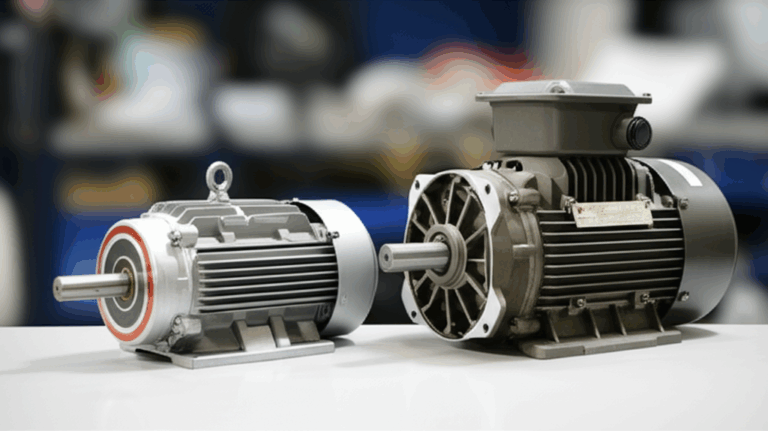
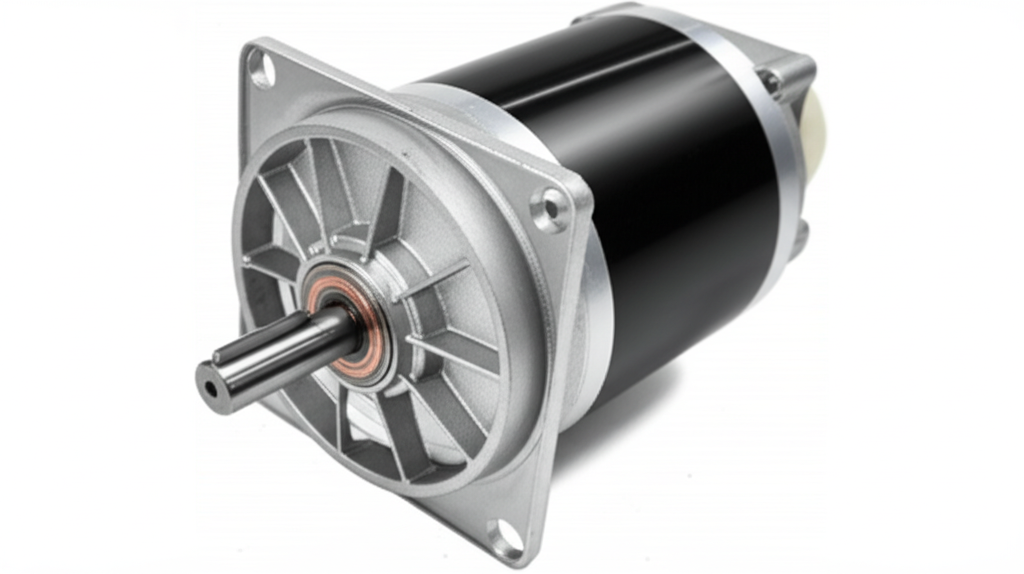
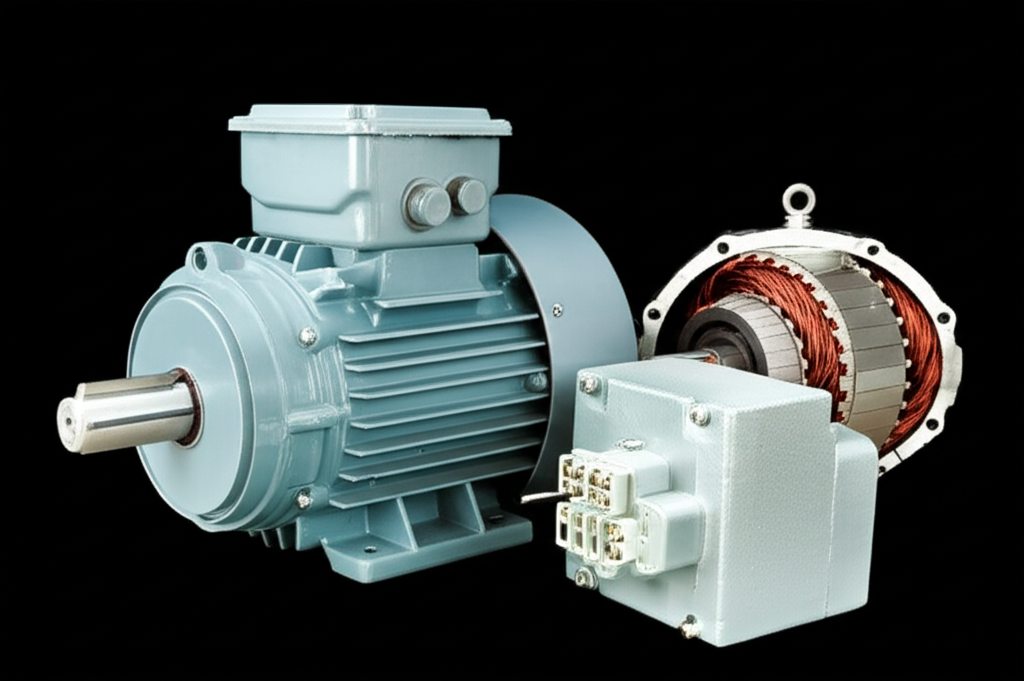
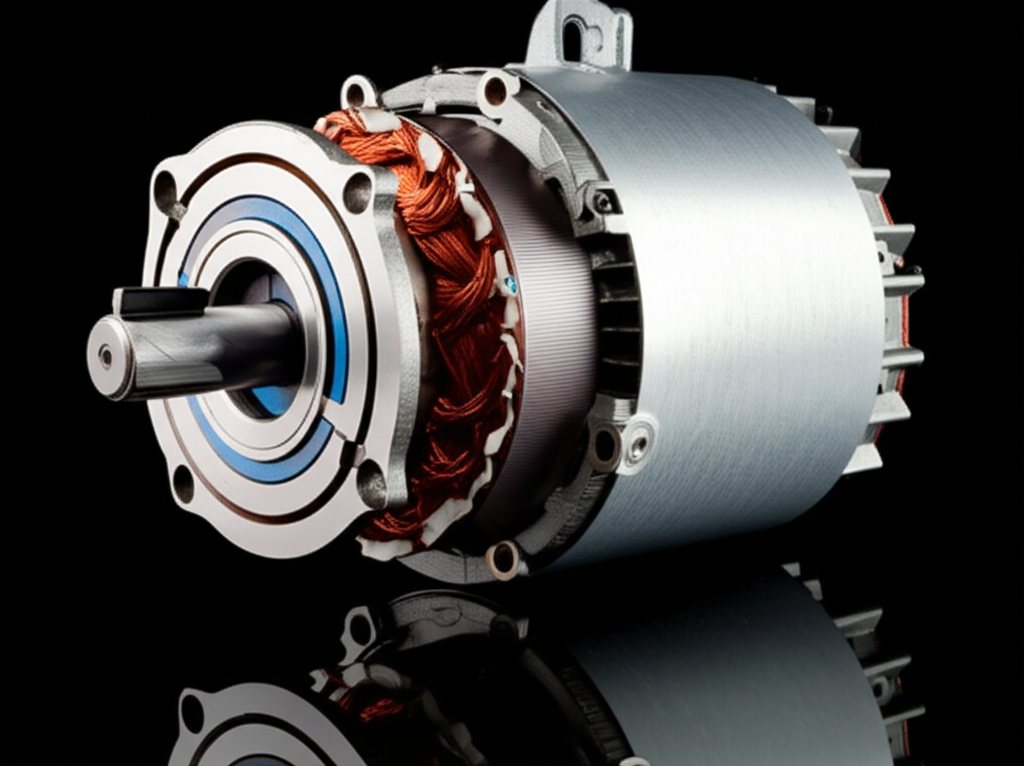
We use “engine” for combustion and “motor” for electric machines. Diesel engines often power alternators and generators in RVs, boats, and equipment. That electrical side runs on different principles. If you’re curious about how electric motors produce torque, you can read a plain-language overview of the motor principle.
In alternators and generator heads, the stator and rotor use laminated electrical steel to curb eddy current losses. Better laminations mean less heat and more efficiency which matters on diesel gensets that run for hours. If you want a quick primer, this short explainer on stator and rotor covers the basics. For a deeper dive into the materials themselves, this reference on electrical steel laminations shows how lamination quality impacts performance and noise. If you ever spec a replacement alternator for a diesel generator, you might also appreciate how the stator core lamination and rotor design affect efficiency and durability over long duty cycles.
I bring this up for one reason. The reliability of your diesel-powered system isn’t only about the engine. The alternator, the charging system, and the generator head on an RV or marine setup all play a part in the total experience.
Conclusion: Match the Diesel to the Job and You Win
I don’t chase the single “best diesel motor.” I match the engine to the job.
- Want simple reliability with long life and lower maintenance costs. Look at the Cummins 5.9L and Ford 7.3L Power Stroke. Add the Duramax LBZ if you want a bit more modern performance without DPF.
- Need maximum towing power and a refined driving experience. Modern giants like the Ford 6.7L Power Stroke, Cummins 6.7L, and Duramax L5P deliver towering torque and confidence on grades. Accept the emissions system upkeep and you get world-class capability.
- Care most about fuel efficiency in a small vehicle. The VW 1.9 TDI ALH stands out for durability and mpg. Consider later VW common-rail TDIs, Mercedes BlueTEC, or Toyota’s D-4D engines in markets where they’re offered.
Whatever you choose, read maintenance records closely and budget for filters and fluids. Ask about injectors, high-pressure pumps, and emissions components. Test drive with weight if you can. Don’t ignore your gut. If the truck feels tired or neglected, walk away. Another good one will show up.
That’s how I pick the best diesel for me. Now it’s your turn. What’s your top pick for the best diesel motor, and what job do you need it to do?