Why Is It Called a Squirrel Cage Fan? A Fun Look at This Amazing Blower
Have you ever heard someone talk about a “squirrel cage fan” and wondered what on earth they meant? The name sounds a little silly, right? It makes you picture a tiny squirrel running in a wheel. Well, you’re not too far off! This article will solve the mystery behind this funny name. We will look at why it’s called that, how it works, and why this fan is a hidden hero in your home.
Table of Contents
- What in the World Is a Squirrel Cage Fan?
- So, Why the “Squirrel Cage” Name?
- Are There Real Squirrels Inside?
- How Does This Amazing Fan Actually Work?
- Where Can You Find These Fans Hiding?
- What Makes a Squirrel Cage Fan So Good at Its Job?
- Is a Squirrel Cage Fan the Same as a Squirrel Cage Motor?
- Why Is the Motor So Important for the Fan?
- What Happens When a Fan Isn’t Built Well?
- How Can You Make Sure Your Fan Works for a Long Time?
What in the World Is a Squirrel Cage Fan?
First things first, let’s figure out what this thing is. A squirrel cage fan is a special type of fan. You might also hear it called a centrifugal fan or a blower fan. Unlike a normal propeller fan that pushes air straight forward, this fan works a little differently.
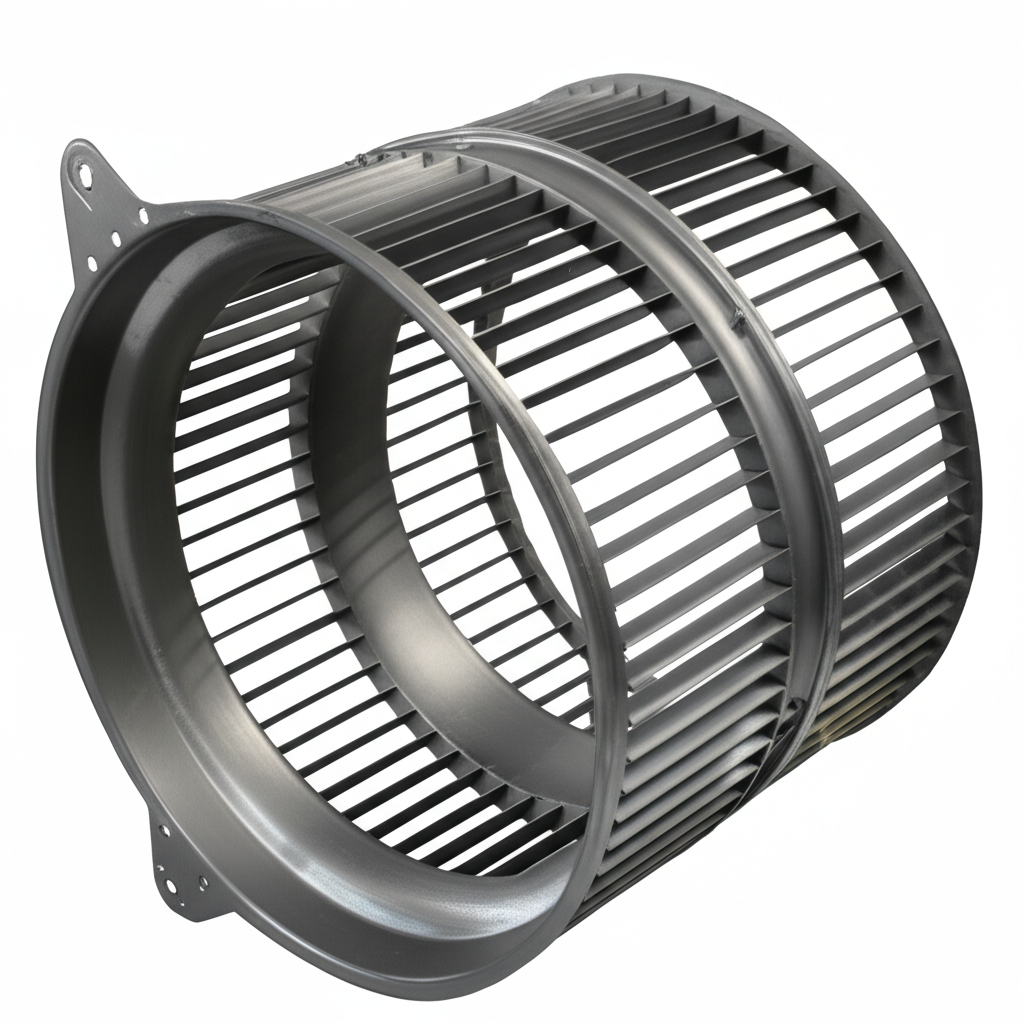
It has two main parts. The first is the impeller or rotor. This is the part that spins. The second is the fan housing, which is the case around the spinning part. This housing is often shaped like a snail shell, which is why some people call it a scroll casing. Together, these parts work to move air in a powerful way.
So, Why the “Squirrel Cage” Name?
Now for the big question! The name comes from what the impeller looks like. Imagine a hamster wheel or the little exercise wheel a squirrel might run in. It has a bunch of bars all lined up, right? The impeller of a squirrel cage fan looks almost exactly the same!
This fan’s impeller is a bladed wheel that looks like a drum. It has many small, curved blades lined up next to each other. These are usually forward-curved blades. This setup looks just like a rodent wheel. The hamster wheel comparison is perfect because the shape is so similar. That’s it! The name came from a simple visual look. It’s a great example of fan nomenclature being easy to remember.
Are There Real Squirrels Inside?
I know you’re wondering, so let’s get this out of the way. No, there are no squirrels involved! The name is just a fun description. It helps people understand what the inside of the fan looks like without having to open it up.
Think of it like a “cat’s eye” marble. There isn’t a real cat’s eye in there. It’s just a name that describes how it looks. So, you can relax. Your furnace is not powered by tiny animals. It’s all based on smart aerodynamic design.
How Does This Amazing Fan Actually Work?
The way this fan moves air is pretty cool. It follows simple airflow principles. When the fan motor turns the impeller, the fan pulls air in from the sides, right into the center of the wheel.
Once the air is inside, the spinning blades grab it and sling it outwards. This is thanks to something called centrifugal force. It’s the same force that pushes you to the side when you’re in a car that turns a corner quickly. The air gets thrown against the inside of the fan housing. The special snail shape of the housing then gathers all that fast-moving air and directs it out of one opening. This creates a strong and steady stream of air.
This process builds up pressure inside the housing. There are two types of pressure: static pressure and dynamic pressure. Static pressure is the force that helps push air through long pipes or ducts, which we call ductwork. A squirrel cage fan is great at creating high static pressure.
Where Can You Find These Fans Hiding?
You might be surprised to learn that you probably have a few squirrel cage fans near you right now. They are workhorses used in all sorts of machines.
Here are a few common places you’ll find them:
- Your Home’s HVAC System: The furnace blower that pushes warm air through your house in the winter is a squirrel cage fan. The fan inside your air handling unit for your air conditioner is one, too.
- Your Kitchen: The exhaust fan over your stove that sucks up smoke and steam is often a squirrel cage fan.
- Your Car: The fan that blows hot or cold air on your face is a type of squirrel cage fan. This is a common automotive fan.
- Big Buildings: Commercial HVAC systems in schools, stores, and offices use huge squirrel cage fans for heating and cooling.
- Factories: In factories, these fans are used as industrial fans to move air, remove dust (dust collection fan), or get rid of fumes (fume hood fan).
They are everywhere because they are so good at what they do!
What Makes a Squirrel Cage Fan So Good at Its Job?
So, why do people choose this type of fan for so many jobs? It has a few key advantages.
First, they have a space-saving design. They can move a lot of air without being very big. Second, they are great for systems that have a lot of resistance, like long ducts. Their ability to create high static pressure makes them perfect for this.
Third, they can be very quiet. A well-designed squirrel cage fan provides good airflow without making a racket. This is great for residential HVAC systems where you don’t want a lot of noise. Finally, they are very efficient when used in the right situation, which helps save on energy consumption.
Is a Squirrel Cage Fan the Same as a Squirrel Cage Motor?
This is a great question because it can be confusing. The answer is no, they are two different things, but they often work together.
- A squirrel cage fan is the part that moves air. It’s the impeller and housing we’ve been talking about.
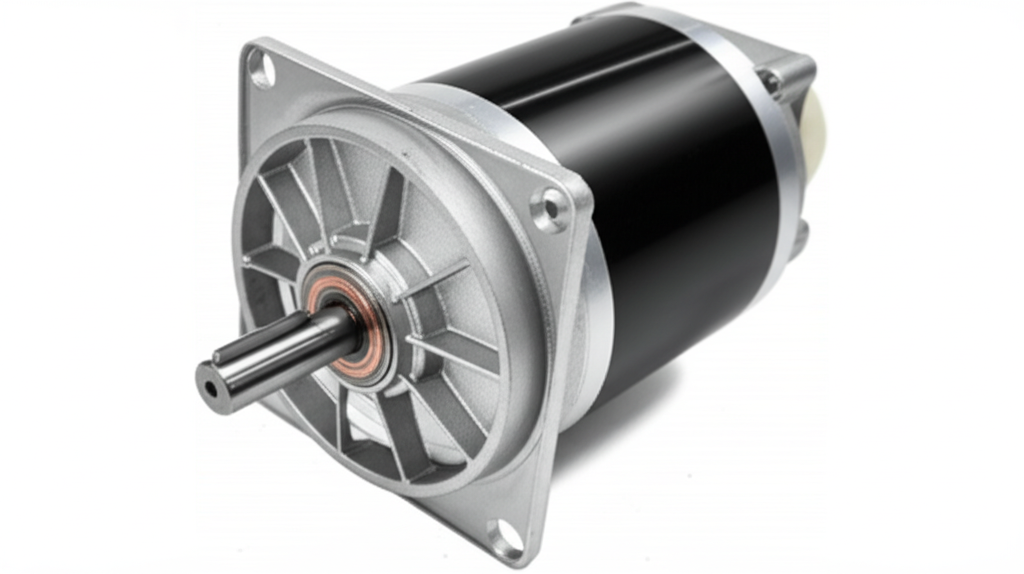
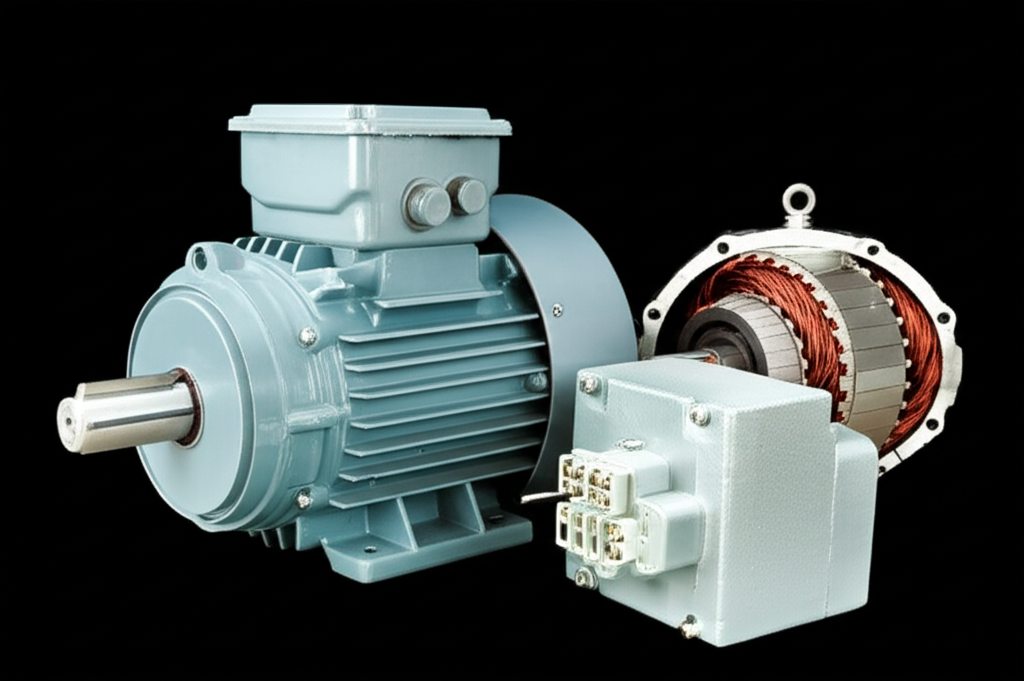
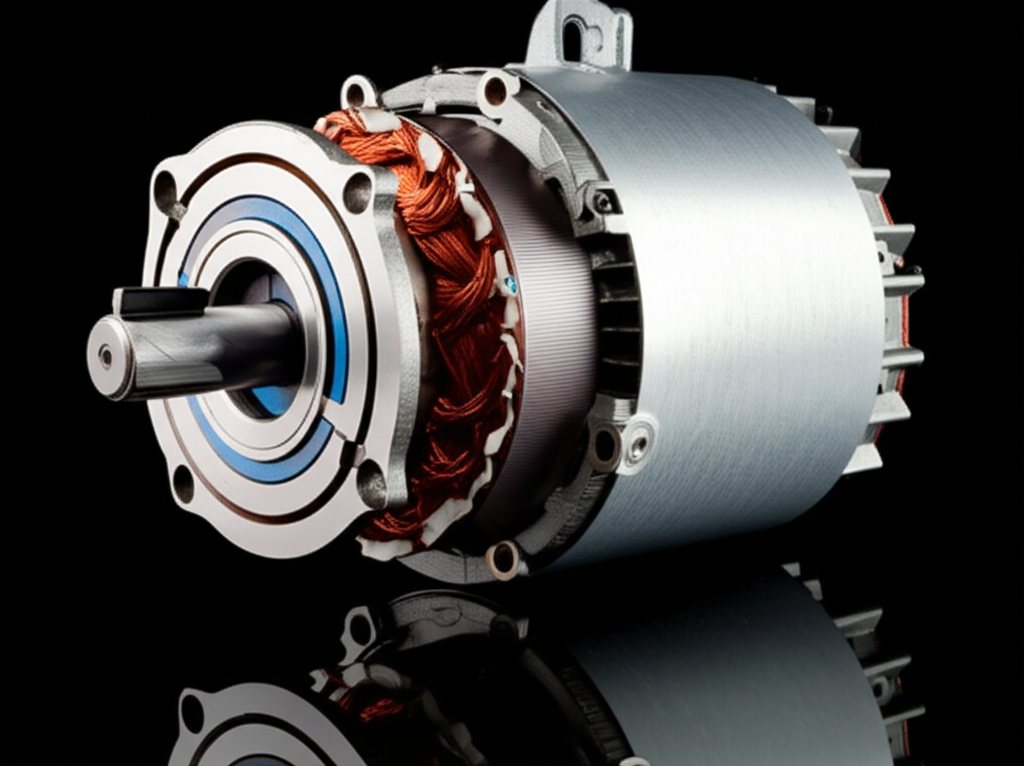
- A squirrel cage motor is the engine that makes the fan spin. It’s a type of AC fan motor that is very common and reliable.
The motor also has a part inside called a rotor. And guess what? The rotor in a squirrel cage motor also looks like a cage! So, you often have a squirrel cage motor turning a squirrel cage fan. They are named for the same reason but do two totally different jobs. The fan moves air, and the motor provides the power. It’s very important to understand the different parts like the stator and rotor to see how they work together.
Why Is the Motor So Important for the Fan?
You might have a fan that looks great, but if the motor is weak or poorly made, you have a problem. A noisy, rattling fan is annoying. It probably means the motor is struggling or its parts are low quality. This can make your energy bills go way up because the motor has to work extra hard.
This is where quality really matters. The motor is the heart of the fan. A great motor uses high-quality parts inside it. For example, the core of the motor is made of very thin metal plates stacked together. Our company, Sino Lamination, makes these special plates. The quality of these core lamination stacks makes a huge difference in how powerful and efficient a motor is. A motor with a well-made core will run smoothly, quietly, and use less electricity.
What Happens When a Fan Isn’t Built Well?
When a fan system has a cheap motor or poorly made parts, things can go wrong. You might notice a lot of low vibration at first, but this can get worse over time. A fan with an unbalanced impeller will shake and make a lot of noise. This can damage the fan’s bearings and cause the whole system to break down.
The problem gets even bigger when you think about air quality. A weak fan can’t move enough air through filters. This means more dust and allergens stay in your home. For a business, a broken ventilation system can be a safety issue. This is why starting with top-notch parts, like strong electrical steel laminations in the motor, is the real solution. You can’t fix a bad foundation.
How Can You Make Sure Your Fan Works for a Long Time?
Good fan maintenance is important. But the best way to make sure your fan lasts is to make sure it was built with great parts from the start. Fan makers who care about quality will use motors that are built to last. They choose motors with excellent internal components.
For example, the stationary part of the motor is called a stator. For it to work correctly, the stator core lamination must be perfect. At Sino Lamination, we specialize in creating these precise motor parts that ensure long life and high fan efficiency. When a fan manufacturer uses our parts, they are building a product that you can trust for years to come. It’s a solution that prevents problems before they even start. Knowing the basic motor principle helps you understand why every little piece matters.
Key Things to Remember
- It’s Named for Its Looks: The name “squirrel cage fan” comes from the fan’s impeller, which looks just like a squirrel’s exercise wheel.
- No Squirrels Allowed: The name is just a fun description. No animals are used to power your fan!
- It Works by Centrifugal Force: The fan pulls air into its center and slings it out to the sides, creating a powerful airflow.
- They Are Everywhere: You can find these fans in your home’s furnace, your car, and in huge buildings.
- Fan vs. Motor: The fan moves the air, and the motor provides the power. They are two different parts that often share the “squirrel cage” name.
- Quality Matters Most: A fan is only as good as its motor. High-quality motor parts lead to a quiet, efficient, and long-lasting fan.